


Conservancy Announces Big Reuse Partnership to Boost Park Composting
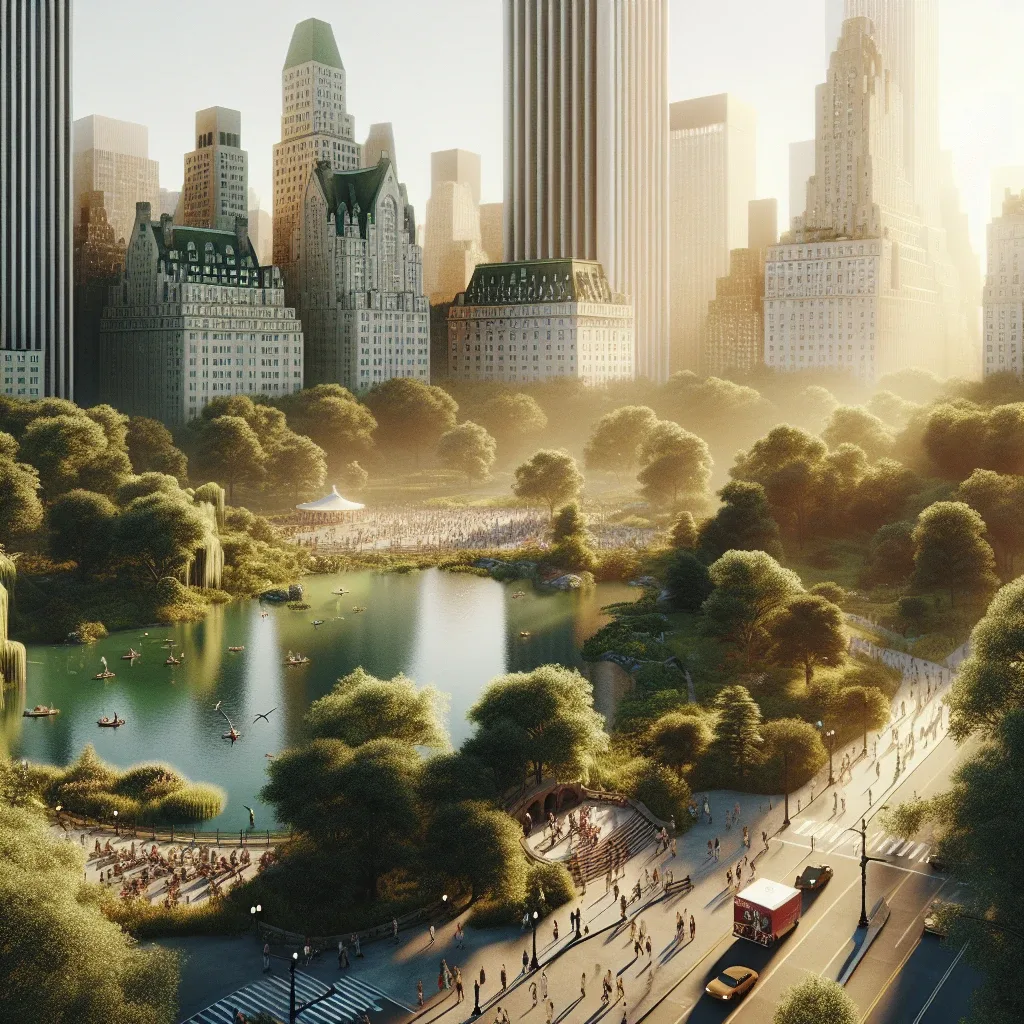
NEW YORK — The Central Park Conservancy officially announced a new partnership with Big Reuse on February 28, 2026, aimed at significantly expanding the park's composting efforts. This collaboration will transform collected organic waste from Central Park into nutrient-rich compost, directly supporting local community gardens and green spaces across New York City. The initiative represents a major step forward in the Conservancy’s long-term sustainability goals.
This strategic alliance leverages Big Reuse's extensive experience in urban composting operations and the Conservancy's commitment to ecological stewardship. The program is expected to divert an additional 15 tons of organic waste from landfills annually, marking a substantial environmental impact for Manhattan. Officials lauded the agreement as a model for urban park management.
Detailing the Waste Collection and Processing Flow
Under the terms of the partnership, the Central Park Conservancy will enhance its internal collection systems for organic materials. This includes all landscape trimmings, leaves, and specific food waste collected from designated park facilities like the Central Park Zoo and the Loeb Boathouse. Dedicated Conservancy crews will gather these materials daily from various sectors of the park.
The collected organic waste will then be transported to Big Reuse's Brooklyn composting facility. There, it will undergo a meticulous decomposition process, eventually becoming high-quality compost. This finished product will subsequently be distributed to urban farms, school gardens, and public greening projects across the five boroughs, including those maintained by the NYC Parks Department.
Significant Environmental Benefits for New York City
The environmental advantages of this partnership are multifaceted. Diverting organic waste from landfills reduces methane gas emissions, a potent greenhouse gas contributing to climate change. Each ton of organic waste composted prevents approximately one ton of carbon dioxide equivalent from entering the atmosphere, according to EPA estimates.
Furthermore, the resulting compost enriches urban soils, improving their fertility, water retention, and overall health. This natural amendment reduces the need for chemical fertilizers in local gardens, fostering healthier ecosystems and promoting sustainable agriculture within the city limits. "This partnership is a win for Central Park, a win for New York City's environment, and a win for community resilience," stated John Smith, CEO of Big Reuse, during the official announcement.
Operational Logistics and Scope of the Program
The new composting program involves intricate logistical planning. The Conservancy has invested in new specialized hauling equipment designed to efficiently transport large volumes of organic material out of the park while minimizing disruption to visitors. Collection points are strategically located near maintenance facilities such as those at the North Meadow and Heckscher Playground areas.
Initial estimates suggest the program will process approximately 300 cubic yards of organic waste per month during peak seasons, primarily from spring to fall. The Central Park Conservancy also plans to incorporate educational signage around maintenance areas to inform the public about the composting process and its benefits. This transparency aims to engage visitors in the park's sustainability efforts, as part of the broader Central Park News narrative.
Official Statements and Vision for Sustainability
Elizabeth Thorne, President & CEO of the Central Park Conservancy, underscored the significance of the collaboration. "Our partnership with Big Reuse represents a tangible commitment to advancing sustainability practices within Central Park," Thorne told reporters at the press event. "By turning our green waste into a valuable resource, we are not only reducing our environmental footprint but also contributing to the vitality of green spaces citywide." This initiative aligns with Mayor Adams’ broader sustainability agenda for NYC, aiming for zero waste goals.
John Smith of Big Reuse added, "Collaborating with an institution as iconic as the Central Park Conservancy elevates the profile of composting citywide. It sends a powerful message that every effort, large or small, contributes to a healthier, more sustainable urban environment." He highlighted the potential for the program to become a blueprint for other large urban parks.
Broader Conservancy Sustainability Goals and Future Plans
The Big Reuse partnership is one component of the Central Park Conservancy’s ambitious comprehensive sustainability plan. Other ongoing initiatives include converting park vehicles to electric power, installing energy-efficient lighting, and implementing water conservation measures across the park's extensive irrigation systems. The Conservancy also operates a rigorous recycling program for non-organic waste, managing millions of pounds of recyclables annually.
Future plans include exploring opportunities for on-site micro-composting at certain park locations and expanding public education campaigns about waste reduction. The goal is to make Central Park a leading example of urban ecological management, demonstrating how large public spaces can operate sustainably while serving a high volume of visitors. The Conservancy regularly updates its Newsroom with these progress reports.
Frequently Asked Questions About Park Composting
Q: What types of waste will be collected for composting in Central Park? The primary types of waste collected for composting will be landscape trimmings, such as leaves, branches, grass clippings, and wood chips. Additionally, specific food waste from designated park concessions and facilities, like fruits and vegetable scraps, will be included in the program.
Q: How will this partnership affect Central Park visitors? Visitors will likely see more clearly marked bins for organic waste in certain areas, particularly near food vendors and maintenance zones. The partnership primarily affects the park's operational waste management, contributing to a greener park environment without significant changes to visitor routines. It will also reduce the overall waste footprint.
Q: Where will the finished compost be used? The high-quality compost produced from Central Park's organic waste will be distributed to various greening projects across New York City. This includes urban farms, community gardens, school gardens, and other public parks managed by the NYC Parks Department. It directly enriches local soil.
Q: Is there an opportunity for the public to get involved in the composting program? While the current partnership focuses on operational waste, the Central Park Conservancy often offers volunteer opportunities related to park maintenance and sustainability. Visitors can check the Conservancy’s website for information on workshops or volunteer events that promote composting and environmental stewardship. Community involvement is highly valued.
Q: What are the long-term environmental goals of this composting initiative? The long-term goals include significantly reducing landfill waste, lowering greenhouse gas emissions, and creating a circular economy for organic materials within the city. The program aims to enrich urban soils, support local food systems, and establish Central Park as a leader in sustainable park management practices for other large public spaces.
Related Articles
More in Wildlife & Nature →
Central Park Boathouse Bird Watching Tour Offers Educational Experience
Central Park Boathouse offers an educational bird watching tour, providing visitors an opportunity to observe avian species. This experience connects locals with nature, enhancing appreciation for park wildlife.
Central Park Event Calendar Features Climate Week Activities September 27
Central Park's event calendar for September 27, 2026, included a Climate Week-aligned "Journal, Meditation, + Bird Walk," promoting environmental awareness.
Wildlife Conservation Society Awards Lovejoy Prize at Central Park Zoo
Wildlife Conservation Society awards 2026 Thomas E. Lovejoy Prize today at Central Park Zoo during Climate Week in New York City.
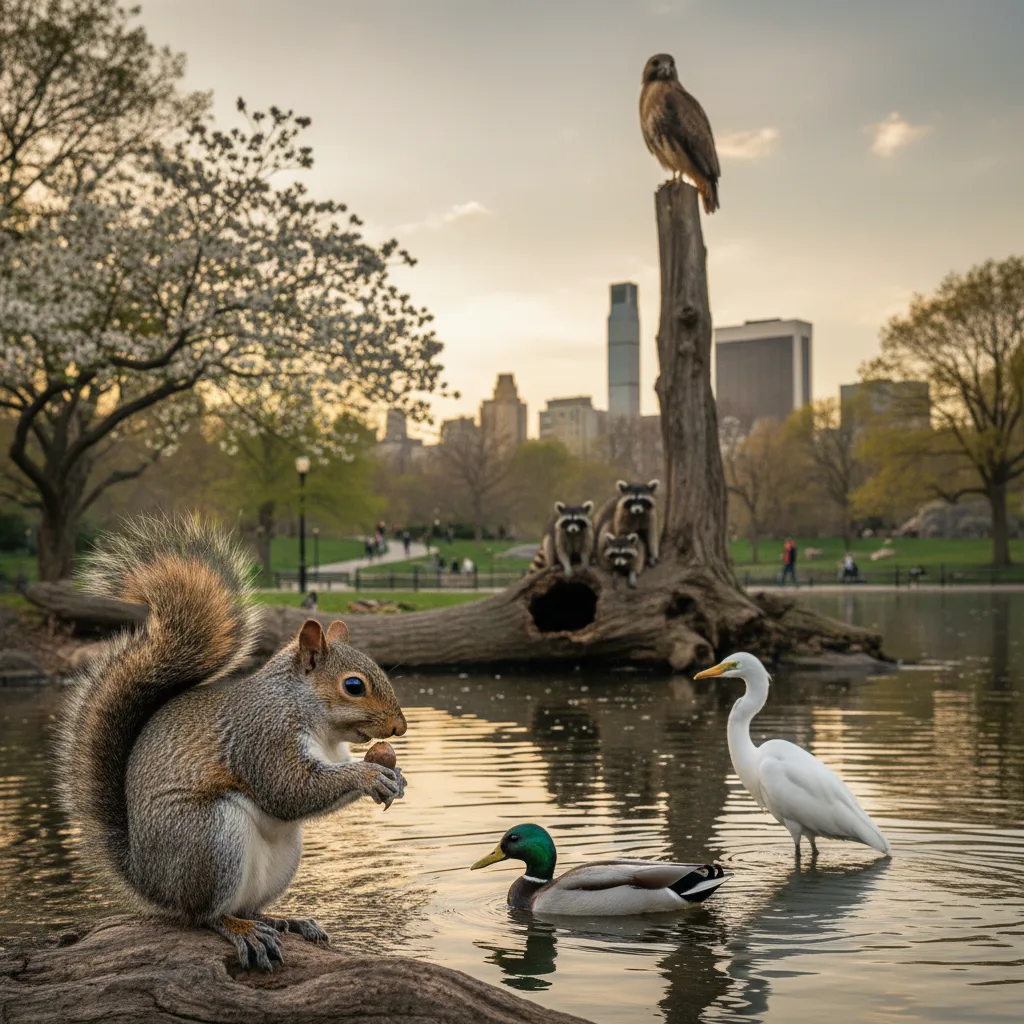
A Guide to Central Park's Wildlife: What to Know About the Park's Animals and Ecosystem
Discover the diverse Central Park wildlife, from birds and mammals to aquatic life. Learn responsible observation tips and conservation efforts for 2026.
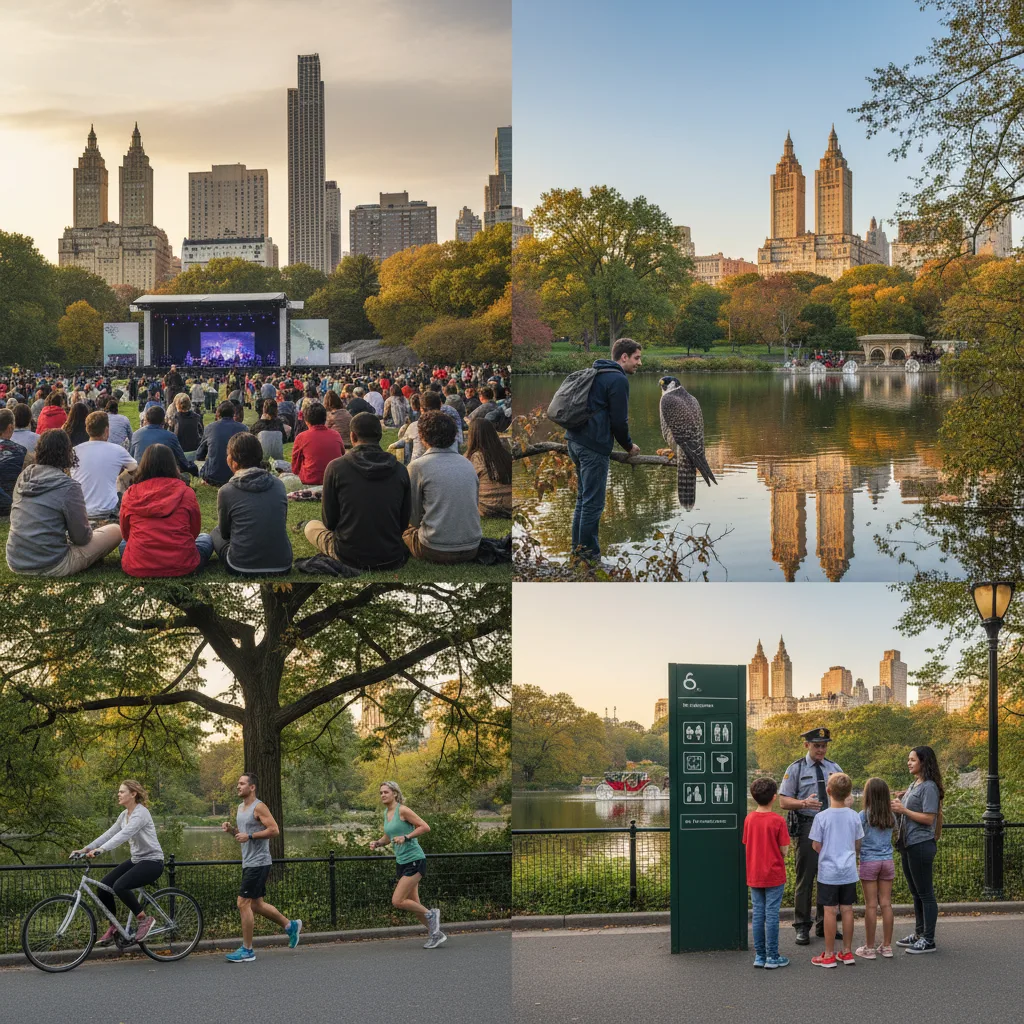
A Guide to Central Park's Top Activities and Best Things to Do in 2026
Discover the best things to do in Central Park, NYC, with our comprehensive 2026 guide to iconic landmarks, activities, and hidden gems for visitors.
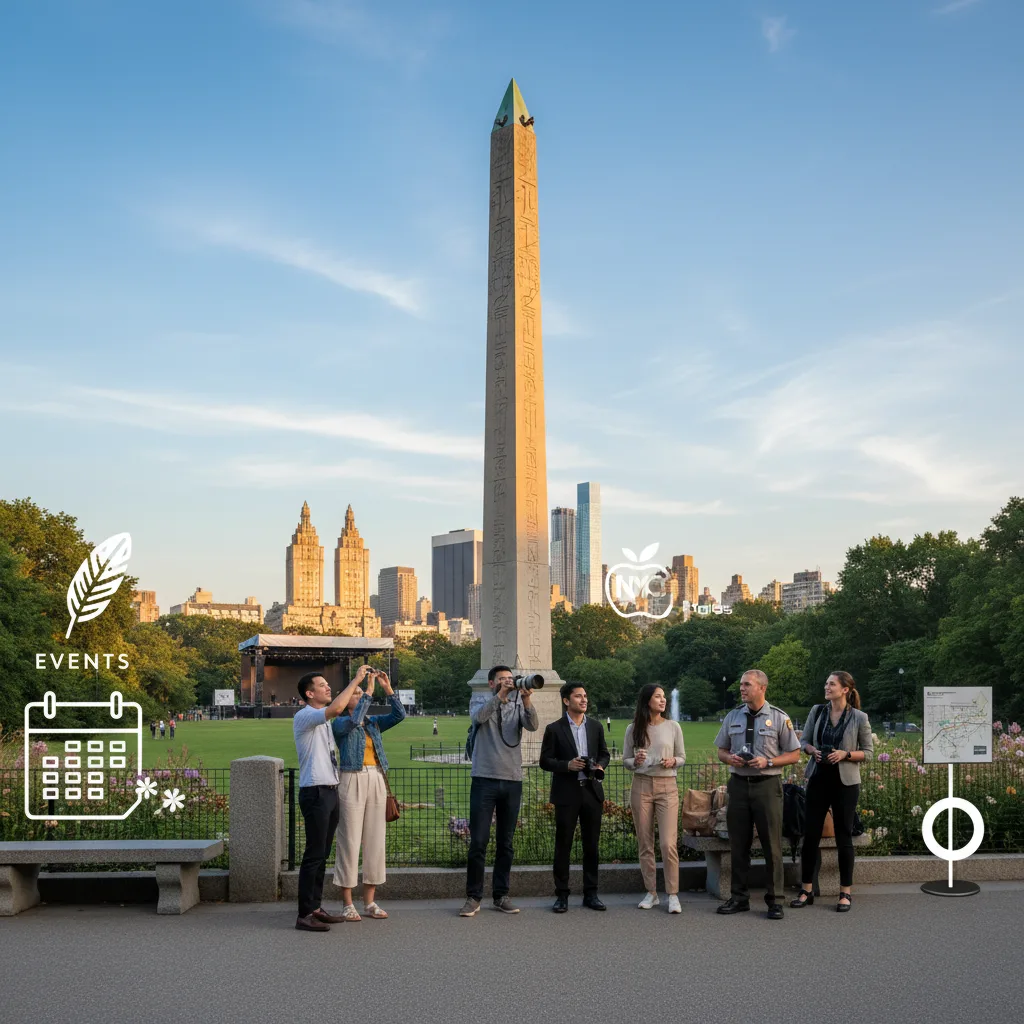
A Guide to What to Know About the Vatican Obelisk in Central Park 2026
Discover what to know about the Vatican Obelisk (Cleopatra's Needle) in Central Park, its history, journey to NYC, and where to find it in 2026.