


Conservatory Garden Blooms, Drawing Thousands in Central Park 2026
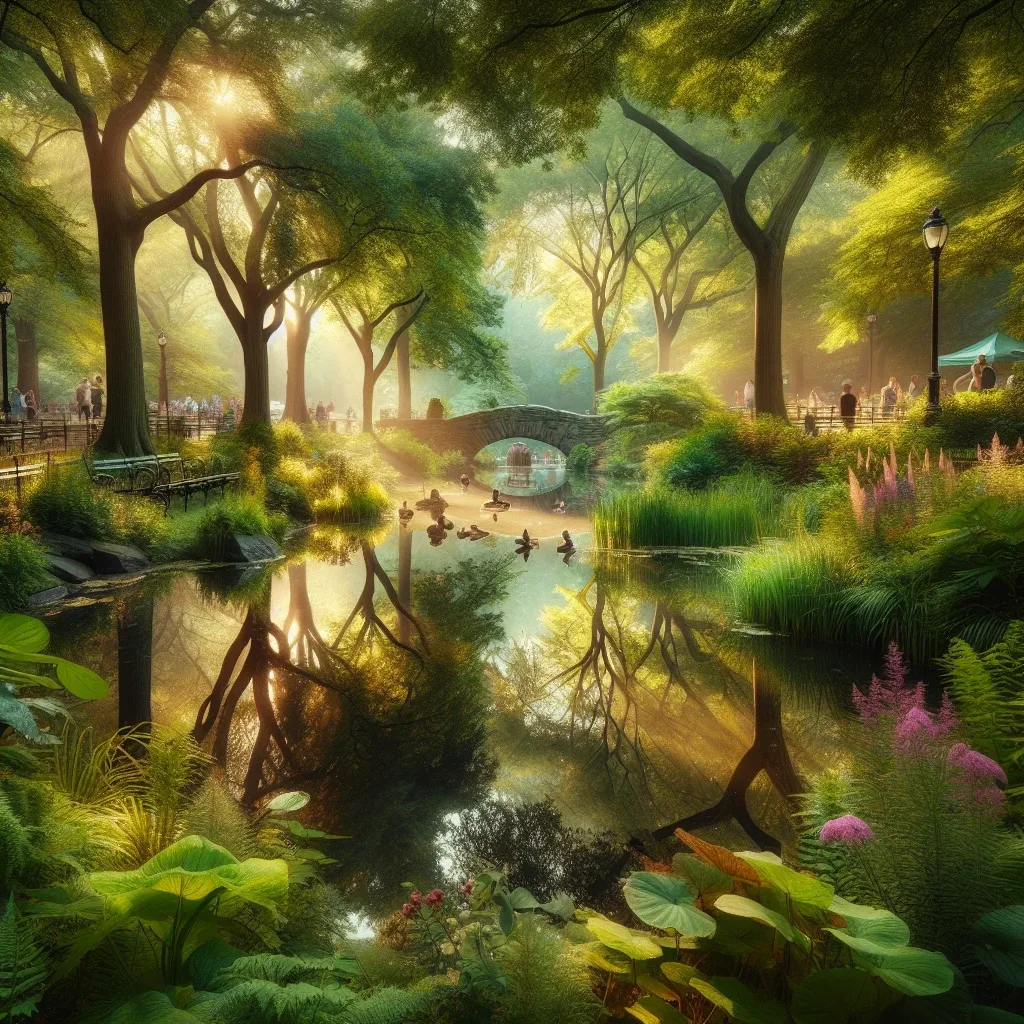
NEW YORK — Central Park’s iconic Conservatory Garden has burst into its full vibrant bloom for the 2026 season, drawing thousands of visitors to its meticulously maintained pathways and floral displays. This annual spectacle, a highlight of the spring and early summer calendar, showcases thousands of multicolored flowers, offering a tranquil escape from the bustling city. Park officials anticipate record attendance this year, citing favorable weather conditions and renewed public interest in outdoor spaces.
The garden, renowned for its distinct French, Italian, and English styles, features tulips, lilacs, peonies, and perennial borders that create a kaleidoscope of color. Its 6-acre expanse, located at East 105th Street and Fifth Avenue, serves as a significant horticultural landmark within the larger park system. Visitors can observe the distinct design philosophies of each garden room, from formal arrangements to more naturalistic plantings.
Seasonal Splendor Attracts Diverse Crowds
The Conservatory Garden’s seasonal transformation began in early spring, with initial tulip varieties signaling the onset of warmer weather. As weeks progressed, successive waves of blooms emerged, culminating in the current breathtaking display. Local residents and tourists alike flock to the garden daily, often bringing picnic lunches to enjoy amidst the fragrant blossoms.
Lisa Rodriguez, Director of Horticulture for the Central Park Conservancy, noted the exceptional quality of this year's bloom. "Our teams have worked tirelessly through the winter and early spring to prepare these beds," Rodriguez told reporters during a recent press briefing. "The abundance of color and health of the plants this year is truly a testament to their dedication, despite some unpredictable late-season frosts."
Photographers, artists, and nature enthusiasts converge on the garden, seeking to capture its fleeting beauty. Pathways remain busy from dawn until dusk, particularly on weekends, as visitors stroll beneath trellises adorned with climbing roses and observe the serene fountains. The three distinct sections—the North (French-style), Central (Italian-style), and South (English-style) gardens—each offer unique visual experiences.
Horticultural Management and Conservation Efforts
Maintaining a garden of this scale and complexity requires continuous effort and significant resources. The Central Park Conservancy employs a team of expert horticulturists, gardeners, and volunteers who meticulously care for the plant collections. Their work includes planting, pruning, watering, and disease management, all performed with an eye toward ecological sustainability.
The Conservancy invests approximately $400,000 annually in the direct care and maintenance of the Conservatory Garden, a figure that includes plant procurement and staff salaries. This investment ensures the garden remains a premier horticultural destination, preserving its historical integrity and botanical diversity. For more details on park upkeep, residents can explore Central Park Conservancy initiatives.
Garden staff are particularly focused on sustainable practices, utilizing organic fertilizers and integrated pest management techniques. These methods minimize environmental impact and promote a healthier ecosystem within the garden. Education programs are also offered, teaching visitors about native plants and responsible gardening practices.
Historical Significance and Public Access
The Conservatory Garden, originally conceived in the 1930s on the site of a former glass conservatory, replaced a more utilitarian greenhouse structure. Its design was intended to provide a formal, horticultural counterpoint to the more naturalistic landscapes found elsewhere in Central Park. It remains the park’s only formal garden.
This historical context adds another layer of appreciation for visitors, who often reflect on the enduring vision of the park’s creators. Frederick Law Olmsted and Calvert Vaux, the park's original designers, envisioned Central Park as a public oasis. Although the Conservatory Garden came later, it embodies a similar spirit of accessible beauty.
Access to the Conservatory Garden is free, encouraging broad public enjoyment of this urban treasure. Interpretive signage throughout the garden provides information on plant species and design elements. The gardens continue to serve as a backdrop for countless photographs, proposals, and quiet moments of reflection for millions annually.
Community Engagement and Future Outlook
The Central Park Conservancy actively engages the community through various programs hosted within the garden. These include guided tours, workshops on gardening, and family-friendly events, all designed to foster a deeper connection between the public and this green space. Volunteer opportunities also allow individuals to contribute directly to the garden’s upkeep.
Plans for the upcoming year include the introduction of several new drought-resistant plant varieties, chosen for their aesthetic appeal and resilience in New York’s variable climate. This initiative reflects the Conservancy's forward-thinking approach to environmental challenges. Future exhibitions will also explore the garden's evolving plant collections and historical plantings.
Officials expressed optimism about the garden's continued role as a beloved public amenity. The successful 2026 bloom reinforces its status as a must-visit destination, embodying the natural beauty and careful stewardship that define Central Park. Its vibrant colors provide solace and inspiration, truly highlighting why it remains a jewel in the city.
Frequently Asked Questions About the Conservatory Garden
What are the primary floral displays in the Conservatory Garden? The Conservatory Garden features a wide array of seasonal blooms. Its three distinct sections—the Italianate Center Garden, the French-style North Garden, and the English-style South Garden—showcase different collections. Visitors typically find tulips, daffodils, lilacs, magnolias, azaleas, crabapple trees, perennial borders, and climbing roses throughout the spring and summer months.
Is there an admission fee to enter the Central Park Conservatory Garden? No, there is no admission fee to enter the Conservatory Garden. It is open to the public free of charge during park hours, typically from 8 AM until dusk. This open access allows everyone to enjoy the garden’s beauty and tranquility, making it a popular spot for both local New Yorkers and tourists exploring the Upper East Side.
How is the Conservatory Garden maintained throughout the year? The Conservatory Garden is meticulously maintained by the Central Park Conservancy, a private non-profit organization. A dedicated team of horticulturists and gardeners, supported by volunteers, performs daily tasks such as planting, pruning, weeding, and watering. They also implement sustainable practices, including organic fertilization and integrated pest management, to preserve the garden's health and beauty.
Can private events or photography sessions be held in the garden? The Conservatory Garden is a popular location for photography, especially for weddings and portraits. While personal photography is generally permitted, commercial photography or organized events often require a permit from the NYC Parks Department or the Central Park Conservancy. It is advisable to check their official websites for current regulations and permit requirements before planning any formal events.
Where is the Conservatory Garden located within Central Park? The Conservatory Garden is situated on the east side of Central Park, stretching from 104th to 106th Streets, just north of the Harlem Meer. The main entrance is located at 105th Street and Fifth Avenue. This location makes it easily accessible via public transportation and offers a distinct experience compared to the park’s more rustic southern sections.
Related Articles
More in Wildlife & Nature →
Central Park Boathouse Bird Watching Tour Offers Educational Experience
Central Park Boathouse offers an educational bird watching tour, providing visitors an opportunity to observe avian species. This experience connects locals with nature, enhancing appreciation for park wildlife.
Central Park Event Calendar Features Climate Week Activities September 27
Central Park's event calendar for September 27, 2026, included a Climate Week-aligned "Journal, Meditation, + Bird Walk," promoting environmental awareness.
Wildlife Conservation Society Awards Lovejoy Prize at Central Park Zoo
Wildlife Conservation Society awards 2026 Thomas E. Lovejoy Prize today at Central Park Zoo during Climate Week in New York City.
A Guide to Central Park's Wildlife: What to Know About the Park's Animals and Ecosystem
Discover the diverse Central Park wildlife, from birds and mammals to aquatic life. Learn responsible observation tips and conservation efforts for 2026.
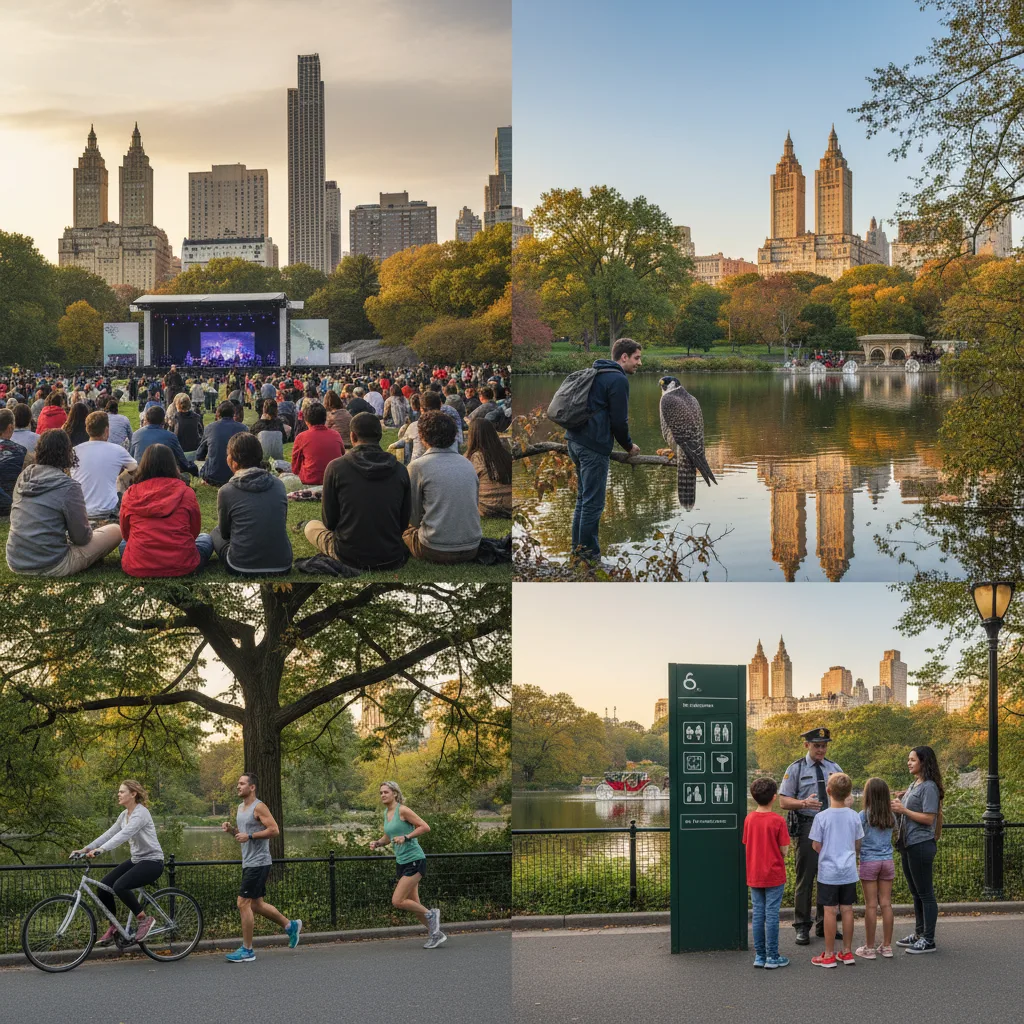
A Guide to Central Park's Top Activities and Best Things to Do in 2026
Discover the best things to do in Central Park, NYC, with our comprehensive 2026 guide to iconic landmarks, activities, and hidden gems for visitors.
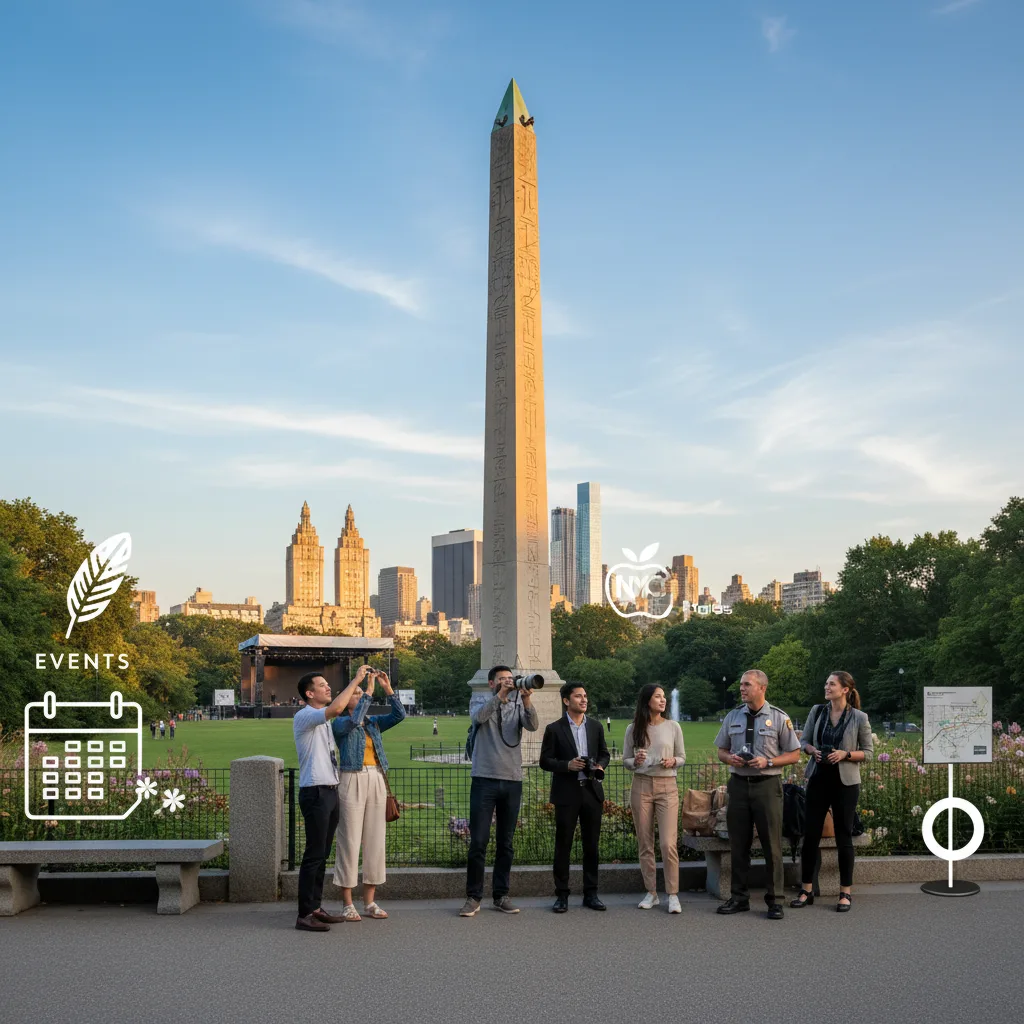
A Guide to What to Know About the Vatican Obelisk in Central Park 2026
Discover what to know about the Vatican Obelisk (Cleopatra's Needle) in Central Park, its history, journey to NYC, and where to find it in 2026.