


Conservatory Garden Blooms with 20,000 Tulips, Narcissi in 2026
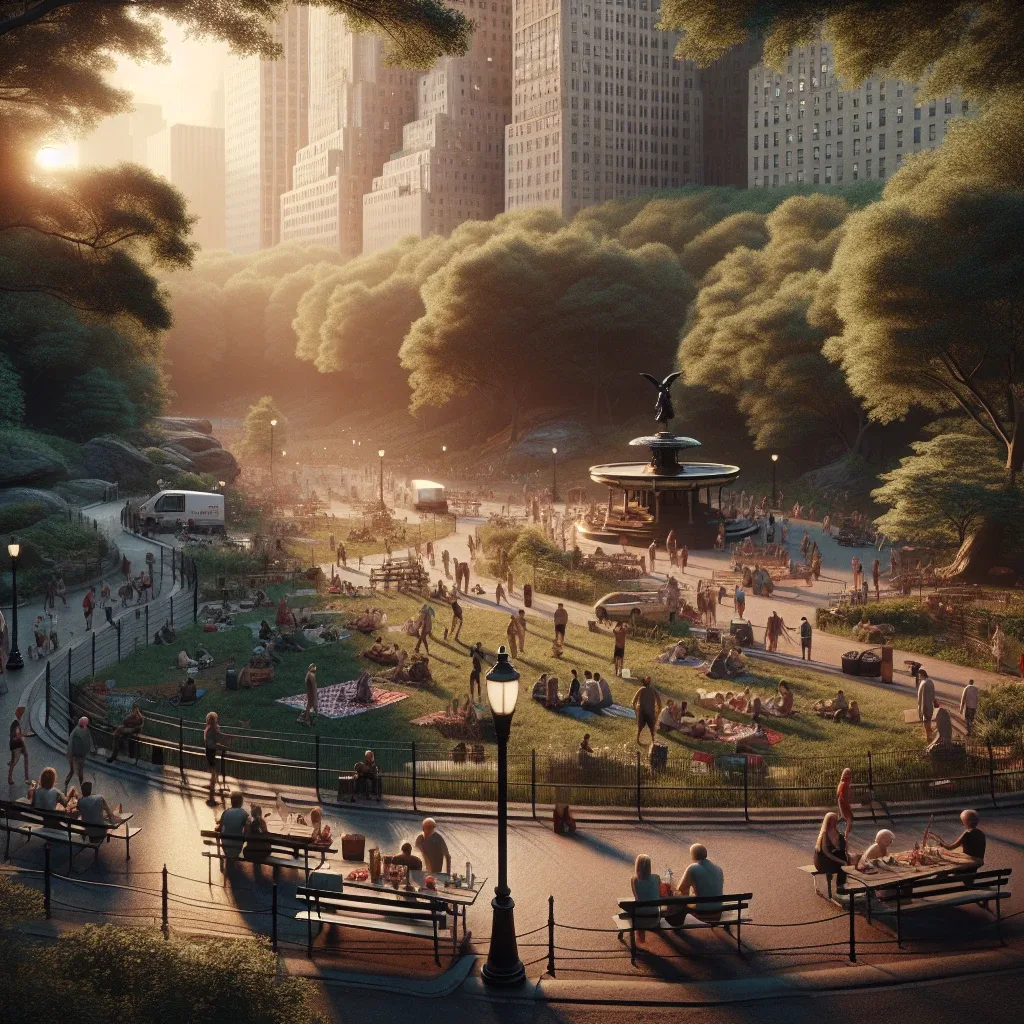
NEW YORK — Central Park's Conservatory Garden has burst into its annual vibrant spectacle, with over 20,000 tulips, narcissi, and other spring flowers reaching peak bloom this week. Located on the East Side between 104th and 106th Streets, the six-acre formal garden offers New Yorkers and tourists alike a stunning horticultural display, drawing thousands of visitors daily. The blooming season marks a significant cultural event for the city, celebrating meticulous planning and cultivation.
A Symphony of Spring Hues Takes Over
The Conservatory Garden, meticulously divided into three distinct styles – Italianate, French, and English – showcases a breathtaking array of colors and textures. In the Italianate Garden, the towering wisteria pergolas complement beds overflowing with white tulips and hyacinths. Just beyond, the French Garden, centered around the Untermeyer Fountain, features precise geometric patterns now ablaze with vibrant red and yellow tulips. These displays are the culmination of months of work by the Central Park Conservancy’s horticulture team.
"This year's bloom is particularly spectacular, a true testament to the dedication of our gardeners and the ideal spring weather conditions," stated Martha Peterson, Director of Horticulture for the Central Park Conservancy, on Tuesday morning. She confirmed that more than 15,000 bulbs were planted last fall, specifically for this 2026 season's presentation. Peterson emphasized the importance of visitor etiquette to preserve the delicate flora, advising guests to stay on designated paths.
Beyond the Blooms: A Haven of Tranquility
While the spring flowers are the main draw, the Conservatory Garden offers a serene escape year-round. Its secluded nature, shielded from the surrounding city noise, provides a peaceful retreat for contemplation and relaxation. Benches are strategically placed throughout the garden, inviting visitors to linger and soak in the beauty. The garden serves as a vibrant reminder of the park's diverse offerings, contrasting with the more bustling activity seen across the larger [Central Park landscape](https://www.newsnow.com/us/US/States/New+York/New+York+City/Central+Park).
The English Garden, famed for its flowering crabapple trees and Secret Garden gate, now features a profusion of daffodils and early-blooming perennials. The atmosphere is one of hushed appreciation, as visitors often speak in low tones, mindful of the garden’s tranquil character. This specific area of Central Park, with its carefully curated plant life, highlights the city's commitment to maintaining pockets of pristine natural beauty within the urban sprawl.
Planning Your Visit to the Conservatory Garden
Access to the Conservatory Garden is free, and it is open daily from 8:00 AM until dusk, usually around 6:00 PM during spring. The main entrance is located at 105th Street and Fifth Avenue, directly opposite the Museum of the City of New York. Public restrooms are available nearby, and multiple bus lines serve the area, making it easily accessible for all New Yorkers. Photography is encouraged, but professional equipment may require a permit, according to a recent advisory from the NYC Parks Department.
Visitors are encouraged to arrive early on weekends to avoid the largest crowds, particularly as the bloom reaches its peak. The garden's popularity has grown significantly, and parking in the vicinity is extremely limited, so public transportation is highly recommended. For those looking for other cultural experiences within Central Park, information on the upcoming [Public Theater season](https://www.independent.co.uk/topic/central-park) can be found via related cultural news outlets.
Local Impact and Community Engagement
The annual display at the Conservatory Garden holds significant local importance, serving as a seasonal benchmark and a source of civic pride. Local schools often organize field trips, introducing younger generations to horticulture and the natural sciences. Community garden clubs frequently visit for inspiration and practical learning, contributing to a vibrant exchange of knowledge.
Beyond aesthetics, the garden contributes to urban biodiversity, attracting pollinators like bees and butterflies. Its role as an educational resource is highlighted through various workshops and guided tours offered by the Central Park Conservancy. These programs delve into plant identification, garden design, and sustainable horticulture practices, fostering a deeper connection between the public and their green spaces.
FAQ: Exploring Central Park's Horticultural Gem
What is the best time to visit the Conservatory Garden to see the full bloom? The Conservatory Garden typically reaches its peak bloom for spring flowers like tulips and daffodils from mid-April to early May, though specific timing can vary slightly each year based on weather conditions. Early mornings on weekdays often provide the most peaceful experience with fewer crowds. The Central Park Conservancy's website offers regular updates on bloom status.
Is there an admission fee for the Conservatory Garden? No, there is no admission fee to enter Central Park's Conservatory Garden. It is open to the public free of charge, allowing everyone to enjoy its beauty. Donations to the Central Park Conservancy, however, are always welcome and help maintain the garden.
Are pets allowed in the Conservatory Garden? Pets are not permitted in the Conservatory Garden, even if on a leash, to protect the delicate plantings and ensure a serene experience for all visitors. This rule helps maintain the pristine condition of the flower beds and shrubbery. Service animals are, of course, exempt from this restriction.
Are there guided tours available for the Conservatory Garden? Yes, the Central Park Conservancy offers free guided tours of the Conservatory Garden, typically on a weekly basis during the spring and summer months. These tours provide historical context, botanical insights, and an overview of the garden's design principles. Check the Conservancy's official events calendar for dates and times.
Where is the Conservatory Garden located within Central Park? The Conservatory Garden is located on the East Side of Central Park, with its main entrance at 105th Street and Fifth Avenue. It is situated in the upper section of the park, north of the Central Park Zoo and just south of the Harlem Meer.
Related Articles
More in Arts & Culture →
Central Park Film Festival Returns October 6-9, 2026
Central Park's Film Festival returns October 6-9, 2026, offering free outdoor cinematic experiences. This annual event attracts thousands, enhancing the city's cultural landscape. Plan your visit now.
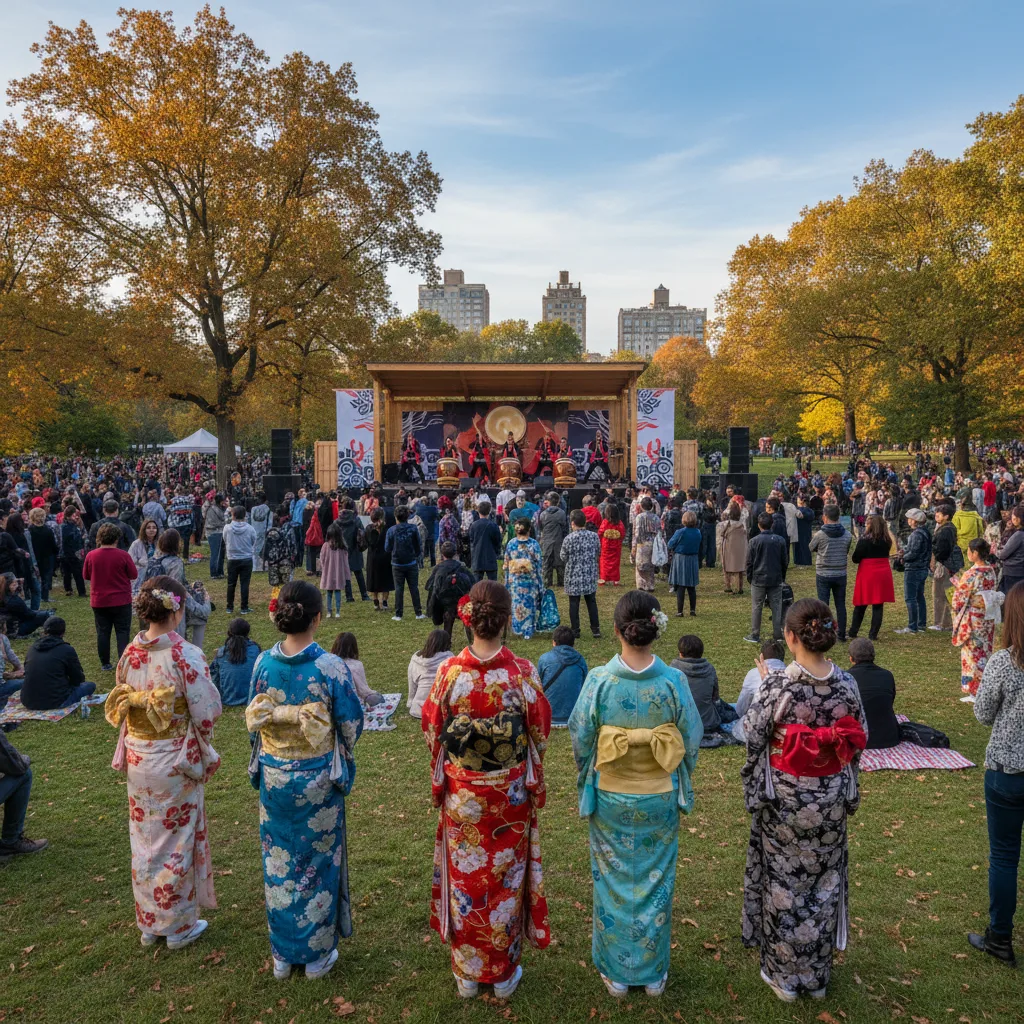
Central Park Hosts October 3 Japanese Buddhist Fall Festival
Central Park will host a Japanese Buddhist Fall Festival on October 3, 2026, alongside the Madison Avenue Fall Gallery Walk. This offers New Yorkers diverse cultural experiences and celebrates global traditions.
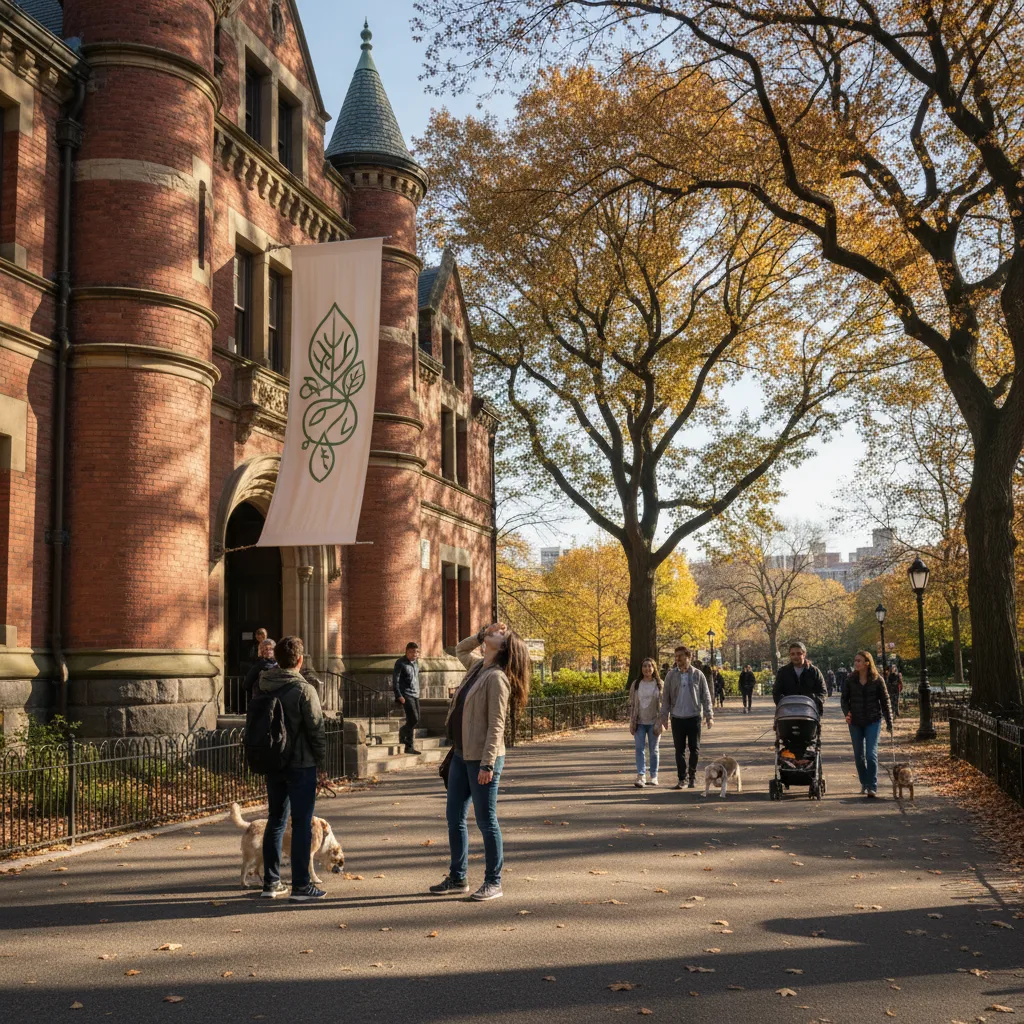
Arsenal Gallery Unveils "New Dendrology" Art Exhibition in Central Park
Central Park's Arsenal Gallery presents "New Dendrology," a group exhibition exploring trees and human connection through art. It runs 9 a.m. to 5 p.m. daily.
Central Park: A Historical Overview from 1858 to Present Day
Central Park, created in 1858 to meet NYC's recreational needs, now attracts 42 million annual visitors, many unaware of its deep history.
New York Swings with Josh Lee & The Family September 30, 2026
Josh Lee and The Family will present “New York Swings” on September 30, 2026, featuring Lindy Hop and live swing-era jazz music. Experience vintage jazz and dance in the heart of NYC.
Central Park Conservancy Hosts Seneca Village Tours September 27
Central Park Conservancy hosted Seneca Village Tours on September 27, 2026, exploring the history of the pre-park African-American community from West 82nd to 89th Street.