


DOT Unveils Park Avenue Greening Plans: Lanes May Be Removed
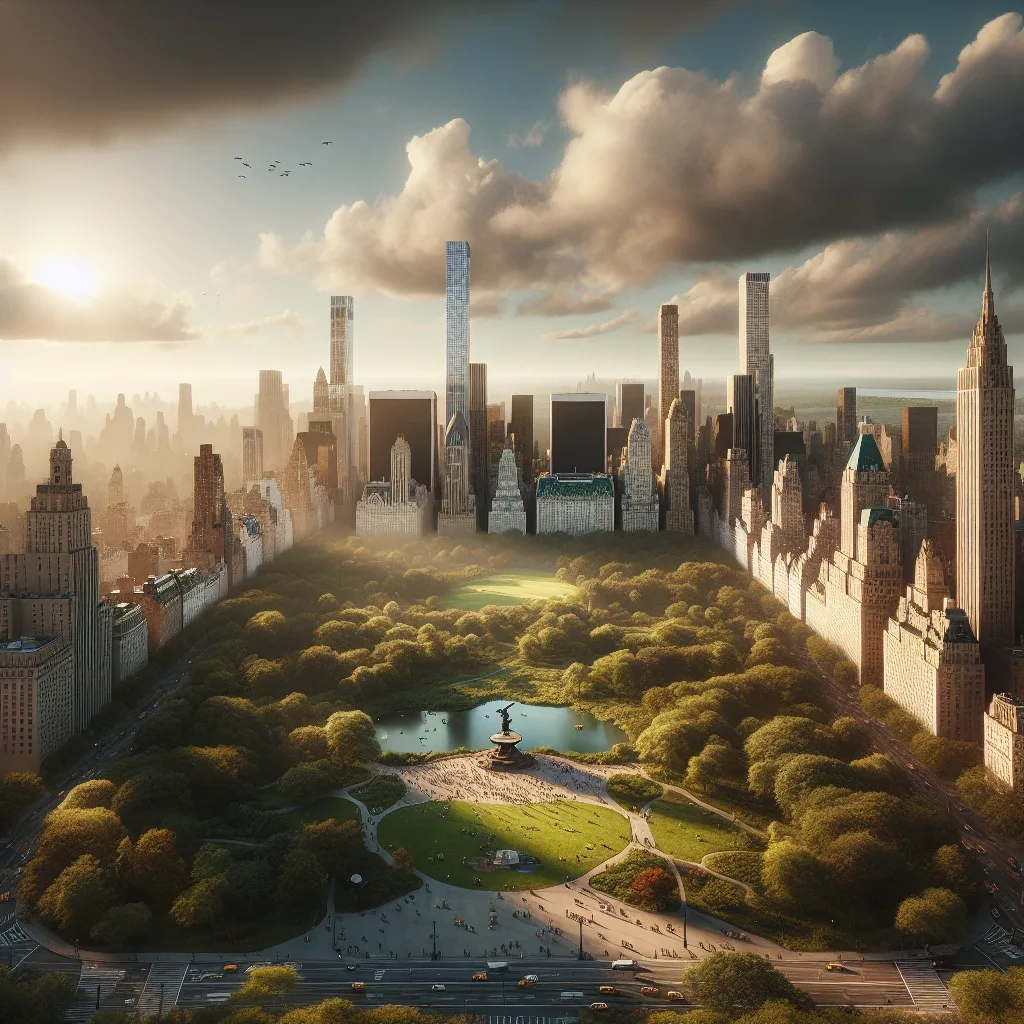
NEW YORK — "Transforming Park Avenue into a greener, more pedestrian-friendly corridor is an ambitious yet necessary step for New York City's future," stated Council Member Maria Rodriguez during a public forum discussing new proposals. The Department of Transportation (DOT) has unveiled two innovative design concepts for overhauling Park Avenue, specifically targeting the stretch from 46th Street to 57th Street. These plans, aimed at significantly increasing green space, include the potential removal of traffic lanes to expand public areas and improve urban ecology.
The proposals, released in early 2026, represent a bold vision for one of Manhattan's most iconic thoroughfares, balancing historical grandeur with contemporary environmental and community needs. The public review process has begun, inviting feedback from residents, businesses, and transportation advocates on the potential impacts of such a significant urban redesign. The outcome could set a precedent for other major city arteries.
Overview of DOT's Transformative Designs
The NYC Department of Transportation’s two designs, dubbed "Linear Park" and "Garden Corridor," both aim to reimagine Park Avenue’s central median and adjacent traffic lanes. The "Linear Park" concept proposes a continuous green space, potentially eliminating up to two traffic lanes to create wider pedestrian walkways and dedicated bike paths. This design would integrate diverse plantings, public art installations, and seating areas.
The "Garden Corridor" option offers a more modular approach, introducing a series of interconnected pocket parks and expanded tree pits along the central median. This design would also prioritize pedestrian safety and green infrastructure, but with a slightly less aggressive reduction in vehicular capacity. Both designs emphasize sustainable materials and improved storm water management systems, crucial for the city's climate goals.
Community Reaction and Concerns
Initial reactions from community boards and local businesses have been mixed, with enthusiasm for increased green space tempered by concerns about traffic flow and economic impact. The proposed changes would directly affect thousands of commuters and commercial deliveries traversing Midtown Manhattan daily. A study by the Midtown Business Alliance projects potential traffic delays of up to 15% during peak hours under the "Linear Park" scenario.
Restaurant owner Michael Chang, whose establishment is located on Park Avenue, voiced his apprehension. He told reporters, "While the idea of more green space is appealing, we need to ensure these changes don't paralyze traffic and hurt our customers' accessibility." His sentiment was echoed by several other local business leaders during a community meeting on February 28, 2026.
Environmental Benefits and Urban Ecology
Proponents of the greening initiative highlight the significant environmental benefits these designs could bring to one of New York City's densest areas. Increased tree canopy cover would mitigate the urban heat island effect, improve air quality by filtering pollutants, and provide new habitats for local wildlife. The plans align with the city's broader 2025 sustainability targets.
Dr. Elena Petrova, an urban ecologist at Columbia University, praised the DOT's forward-thinking approach. She noted, "Expanding green infrastructure like this offers measurable improvements in public health and biodiversity, making our urban environment more resilient." The plans include native plant species designed to thrive in New York's climate, enhancing the aesthetic appeal and ecological value.
Traffic Impact and Mitigation Strategies
Addressing traffic concerns is a central component of the DOT's planning. Initial simulations indicate that the impact on traffic could be managed through optimized signal timing, redesigned intersections, and potential rerouting of commercial vehicles to alternative avenues. The DOT has committed to a multi-phase implementation, allowing for adjustments and evaluations during each stage.
NYC Transportation Commissioner Ydanis Rodriguez confirmed that extensive traffic studies are underway, involving advanced modeling software to predict and mitigate congestion. He told attendees at a public hearing, "We are exploring every possible solution to balance the need for vibrant public spaces with the practical realities of urban transportation." A video presentation detailing the proposed changes and their potential traffic implications can be viewed here: Should NYC make Park Avenue greener by removing traffic lanes?.
Public Engagement and Next Steps
The public engagement period for these Park Avenue overhaul designs will continue through late spring 2026, with several more community workshops and online feedback opportunities scheduled. The DOT encourages all interested parties to submit their comments and suggestions to inform the final design selection. A decision is expected by early summer, paving the way for detailed engineering plans.
This project could fundamentally reshape the experience of Park Avenue, potentially transforming it from a traffic-dominated corridor into a true urban oasis. Its success may inspire similar greening initiatives across other major urban centers. Further information and design renderings are available on the NYC Department of Transportation website.
Frequently Asked Questions About Park Avenue Greening
What are the main proposals for greening Park Avenue? The NYC Department of Transportation has released two design concepts: "Linear Park" and "Garden Corridor." Both aim to increase green space, pedestrian areas, and potentially remove traffic lanes between 46th and 57th Streets.
Will these changes to Park Avenue affect traffic flow? Yes, the proposals are expected to impact traffic. The DOT is conducting extensive traffic studies and plans to implement mitigation strategies such as optimized signal timing and rerouting to minimize congestion.
How can the public provide feedback on the Park Avenue designs? The public can submit feedback through community workshops, online portals, and public hearings organized by the NYC Department of Transportation. The public comment period extends through late spring 2026.
What are the environmental benefits of greening Park Avenue? Expanding green infrastructure is expected to improve air quality, mitigate the urban heat island effect, enhance biodiversity, and improve storm water management. These benefits align with New York City's broader sustainability goals. For a visual overview, watch the YouTube video on Park Avenue designs.
Related Articles
More in Urban Policy & Development →
NYC Mayor Mamdani Booed at Union Square October 7 Vigil
Mayor Mamdani faced boos and protests at a Union Square vigil Thursday marking the Oct. 7 attacks, highlighting deep community divisions in NYC.
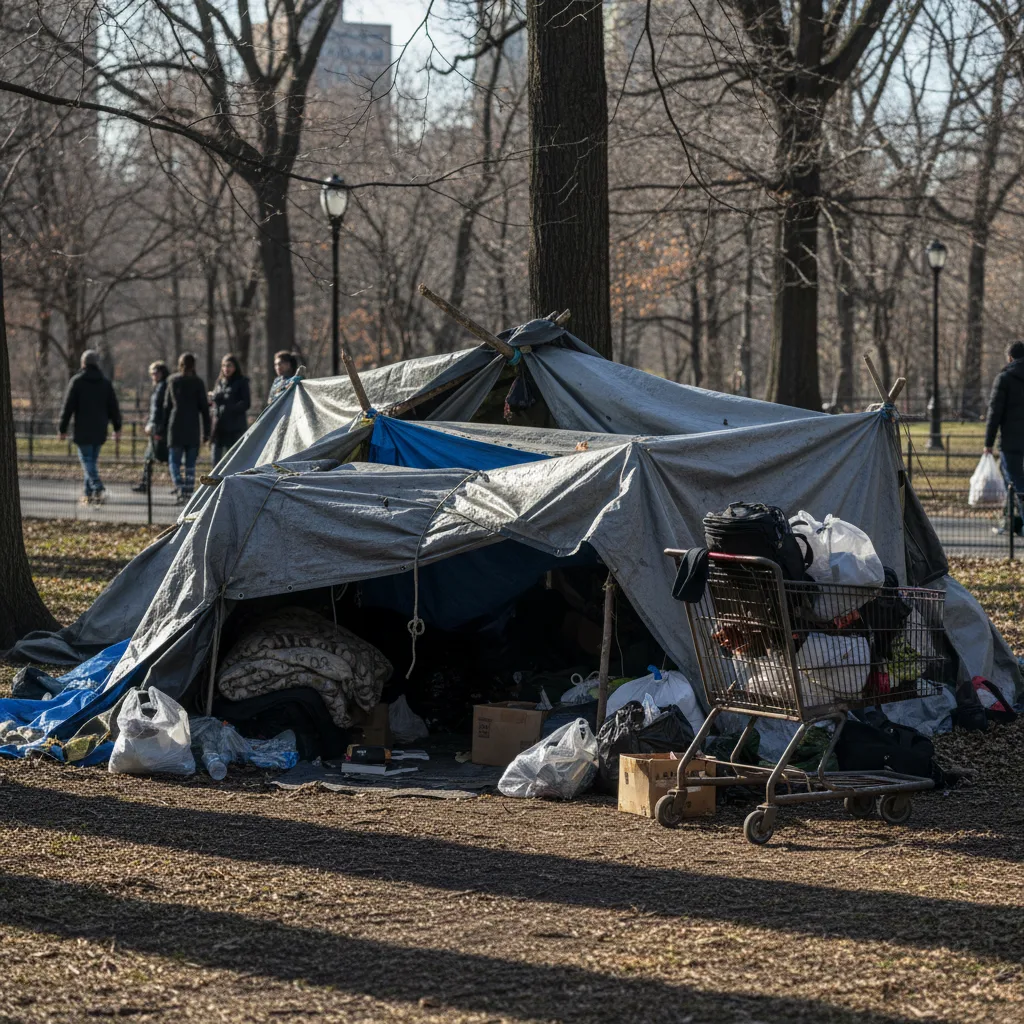
NYC Homeless Encampments Spotted Across Manhattan, Raising Concerns
Multiple homeless encampments have been spotted across Manhattan, raising significant concerns about urban policy and public safety. City officials are under pressure to address the growing homelessness crisis.
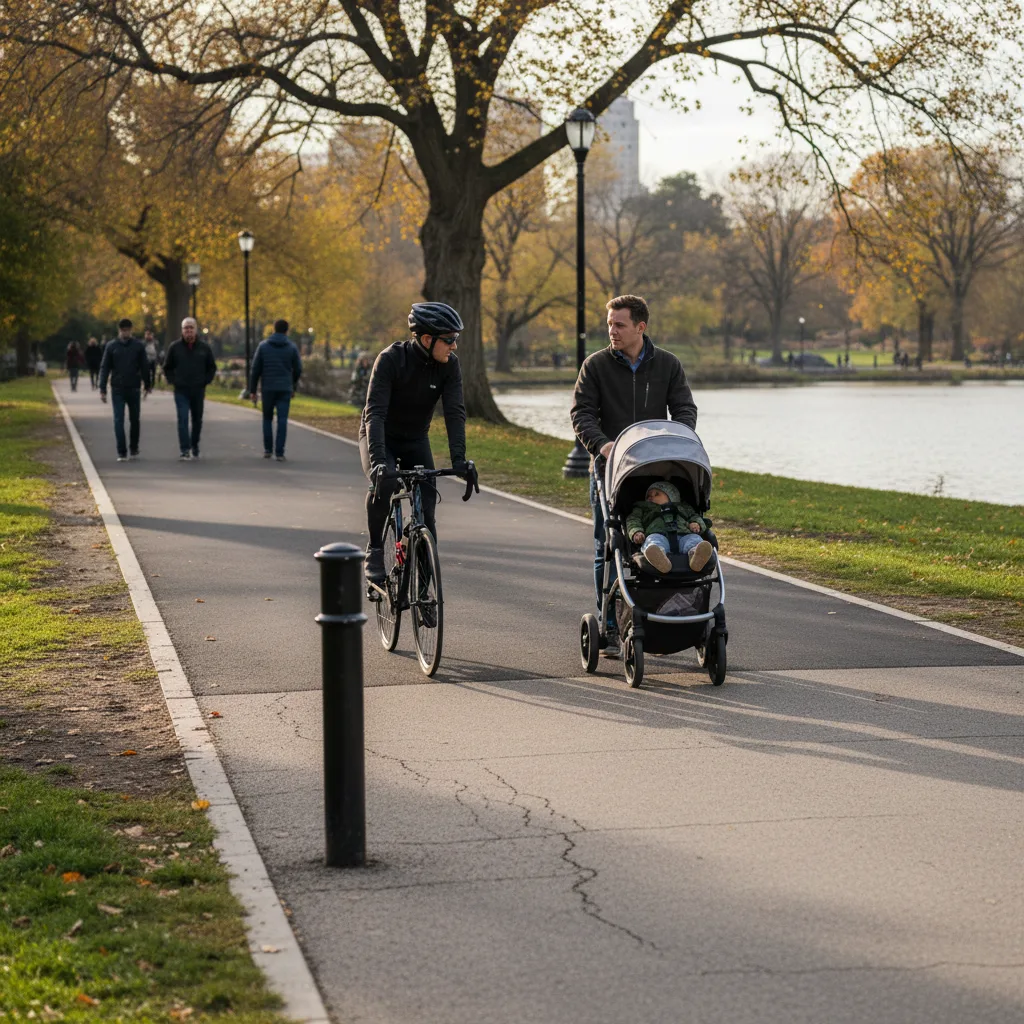
Safety Advocate Blames Park Redesign for Rising Central Park Cyclist Crashes
Safety advocates blame recent Central Park redesigns for a pedestrian's death and rising cyclist crashes, calling for urgent review of infrastructure.
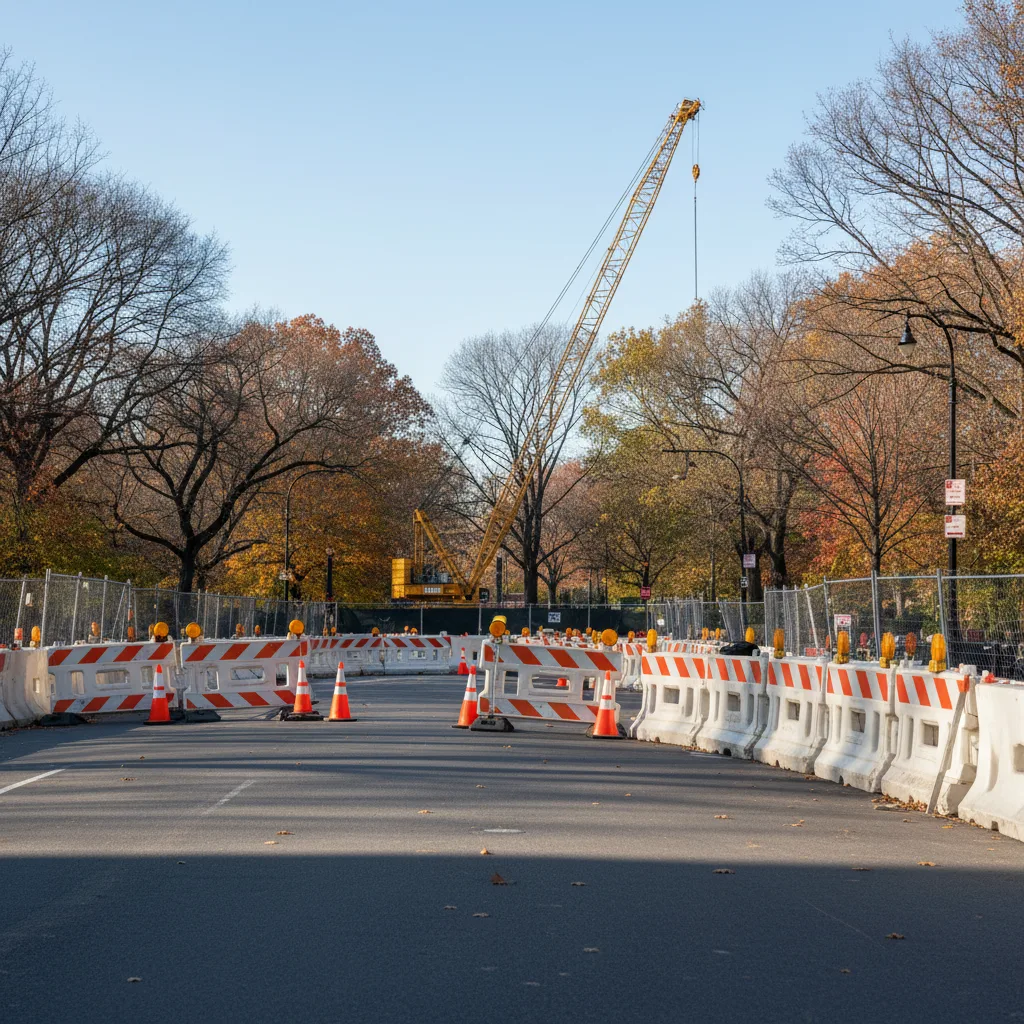
NYC DOT Advises Central Park Area Traffic Disruptions September 27
NYC DOT issued advisories for major traffic disruptions near Central Park on September 27, 2026, due to a parade and crane operations. Expect delays.

Davis Center at Harlem Meer Unveils State-of-the-Art Facilities
The new Davis Center at the Harlem Meer in Central Park's north end now features a state-of-the-art pool, ice rink, and multi-use turf field, enhancing community recreational options.
NYC City Record Confirms September 21, 2026, Publication Schedule
The NYC City Record confirmed its September 21, 2026, publication schedule, detailing administrative notices, procurement, and public hearings. This ensures transparency for municipal operations and public access to vital city information.