


Exonerated Five Denounce Death Penalty Rhetoric, Citing Past Injustice

NEW YORK — The five men infamously known as the "Central Park Five," now widely recognized as the Exonerated Five, issued a powerful joint statement yesterday, condemning recent political rhetoric supporting the death penalty. "To advocate for the death penalty, especially in a system riddled with bias and wrongful convictions, is to ignore the lessons of history and the cries for justice," the group stated. Their remarks come in response to renewed calls for expanded capital punishment from national political figures.
Their statement, released through their legal representatives, specifically referenced the systemic failures that led to their own wrongful convictions in the 1989 Central Park jogger case. Yusef Salaam, one of the Exonerated Five and now a New York City Council Member, further elaborated in a press conference in Harlem. "We know firsthand the irreversible damage of a justice system that gets it wrong," Salaam told a gathered crowd. "The death penalty is the ultimate and most unforgiving error."
Echoes of Injustice and Public Commentary
The Exonerated Five spent years in prison for a crime they did not commit, only to be fully exonerated in 2002 after DNA evidence linked another perpetrator to the assault. Their case has become a stark symbol of racial injustice and prosecutorial misconduct within the American legal system. The men, Kevin Richardson, Antron McCray, Raymond Santana, Korey Wise, and Yusef Salaam, have since become prominent advocates for criminal justice reform.
Their statement directly challenges the notion of absolute certainty required for capital punishment, pointing to the inherent fallibility of human judgment and legal processes. "When the state takes a life, there is no coming back from error. We are living proof that innocent people can be condemned," their joint declaration read. This stance resonates deeply within communities that have historically faced disproportionate rates of wrongful convictions and harsher sentencing. The group's continued activism ensures their story remains a relevant part of contemporary conversations about justice.
Political Context and National Debate
The Exonerated Five’s intervention arrives amidst a heightened national debate surrounding crime and punishment. Certain political figures have recently advocated for more aggressive sentencing, including the death penalty for specific offenses, framing it as a necessary tool for public safety. This rhetoric has been met with fierce opposition from civil rights organizations, legal scholars, and groups advocating for criminal justice reform.
"Their lived experience offers an undeniable truth that abstract legal debates often miss," commented Dr. Angela Davis, a professor of criminal justice at New York University. "The Exonerated Five embody the critical flaw in any system that allows for irreversible punishment." The historical context of their case, which unfolded against a backdrop of racial tension and media sensationalism in 1989, makes their voice particularly potent in these discussions. The Independent provides further historical context on Central Park issues.
Impact on Criminal Justice Reform Efforts
The statement from the Exonerated Five is expected to significantly impact ongoing criminal justice reform efforts at both state and national levels. Their consistent advocacy has previously contributed to discussions around eyewitness identification reform, false confessions, and the importance of DNA evidence. Their current message serves as a powerful reminder of the stakes involved in death penalty discussions, pushing policymakers to consider the profound implications of irreversible judicial errors.
Advocacy groups like the Innocence Project have lauded their courage and continued commitment to justice. "The Exonerated Five's story is a constant beacon, illuminating the injustices that can occur," said Rebecca Jones, executive director of the Innocence Project. "Their words will undoubtedly galvanize our efforts to abolish the death penalty and ensure fairer trials for all." The men have often spoken about the need for accountability and genuine rehabilitation over punitive measures, a stance that gains weight given their unique journey through the justice system. The impact of their words is felt most acutely in communities that have disproportionately suffered from mass incarceration and racial profiling.
Your Questions Answered: The Exonerated Five
Who are the Exonerated Five? The Exonerated Five, formerly known as the Central Park Five, are five Black and Latino teenagers—Kevin Richardson, Antron McCray, Raymond Santana, Korey Wise, and Yusef Salaam—who were wrongfully convicted in 1990 of the rape and assault of a white female jogger in Central Park in April 1989. They spent between 6 and 13 years in prison before their convictions were vacated in 2002 after DNA evidence linked another man, Matias Reyes, to the crime, and Reyes confessed.
Why is their case relevant to the death penalty debate? The case of the Exonerated Five is often cited as a prime example of systemic injustice, racial bias, and wrongful convictions within the criminal justice system. Their story highlights how flawed investigations, coerced confessions, and public pressure can lead to innocent people being condemned. In the context of the death penalty, their experience serves as a powerful argument against capital punishment, emphasizing that if innocent individuals can be wrongfully imprisoned for decades, the irreversible nature of the death penalty poses an unacceptable risk of executing innocent people.
What impact have the Exonerated Five had since their exoneration? Since their exoneration, the Exonerated Five have become prominent advocates for criminal justice reform. They have spoken extensively about their experiences, pushing for changes in police interrogation tactics, eyewitness identification procedures, and overall systemic accountability. They settled a civil lawsuit with New York City for $41 million in 2014. Yusef Salaam was elected to the New York City Council in 2023, further amplifying their collective voice in policy-making and continuing their fight for a more equitable justice system. Their story continues to be a critical educational tool in discussions about race, class, and justice.
Related Articles
More in Urban Policy & Development →
NYC Mayor Mamdani Booed at Union Square October 7 Vigil
Mayor Mamdani faced boos and protests at a Union Square vigil Thursday marking the Oct. 7 attacks, highlighting deep community divisions in NYC.
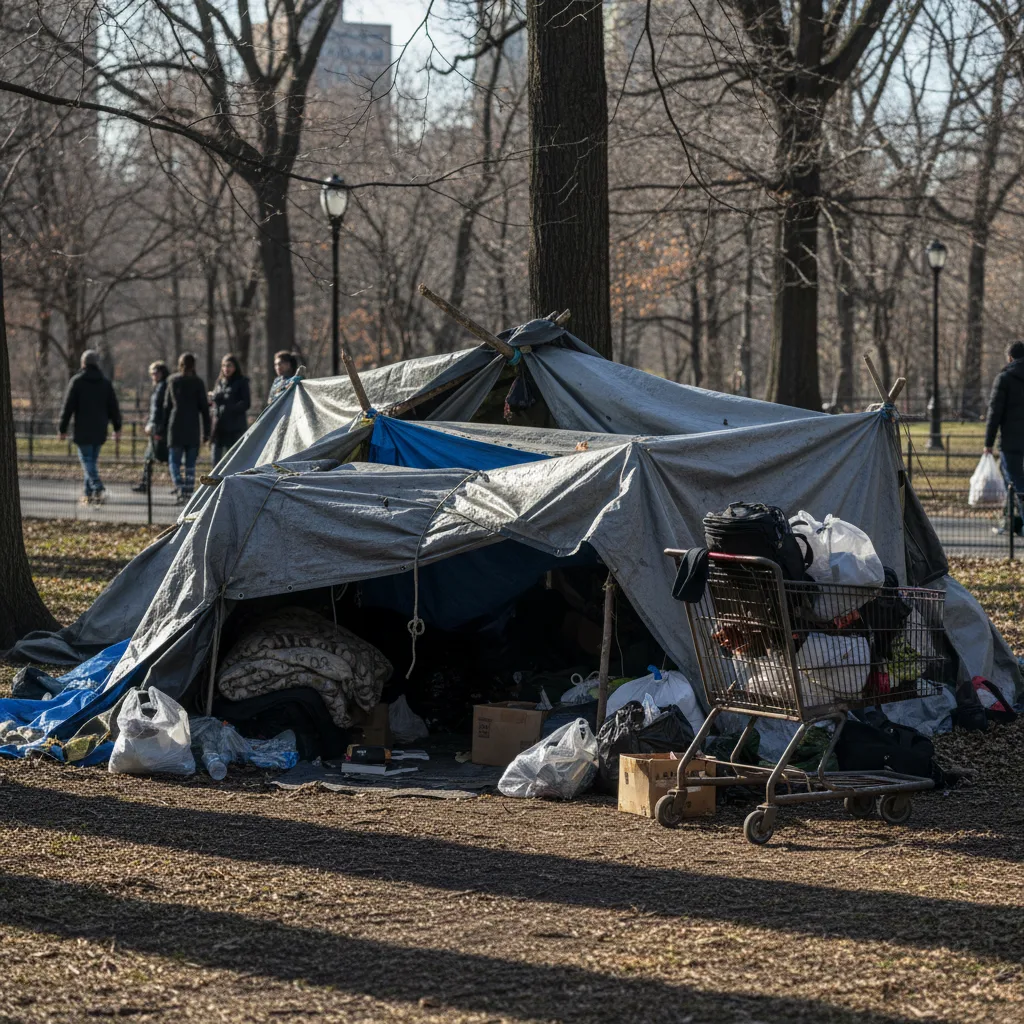
NYC Homeless Encampments Spotted Across Manhattan, Raising Concerns
Multiple homeless encampments have been spotted across Manhattan, raising significant concerns about urban policy and public safety. City officials are under pressure to address the growing homelessness crisis.
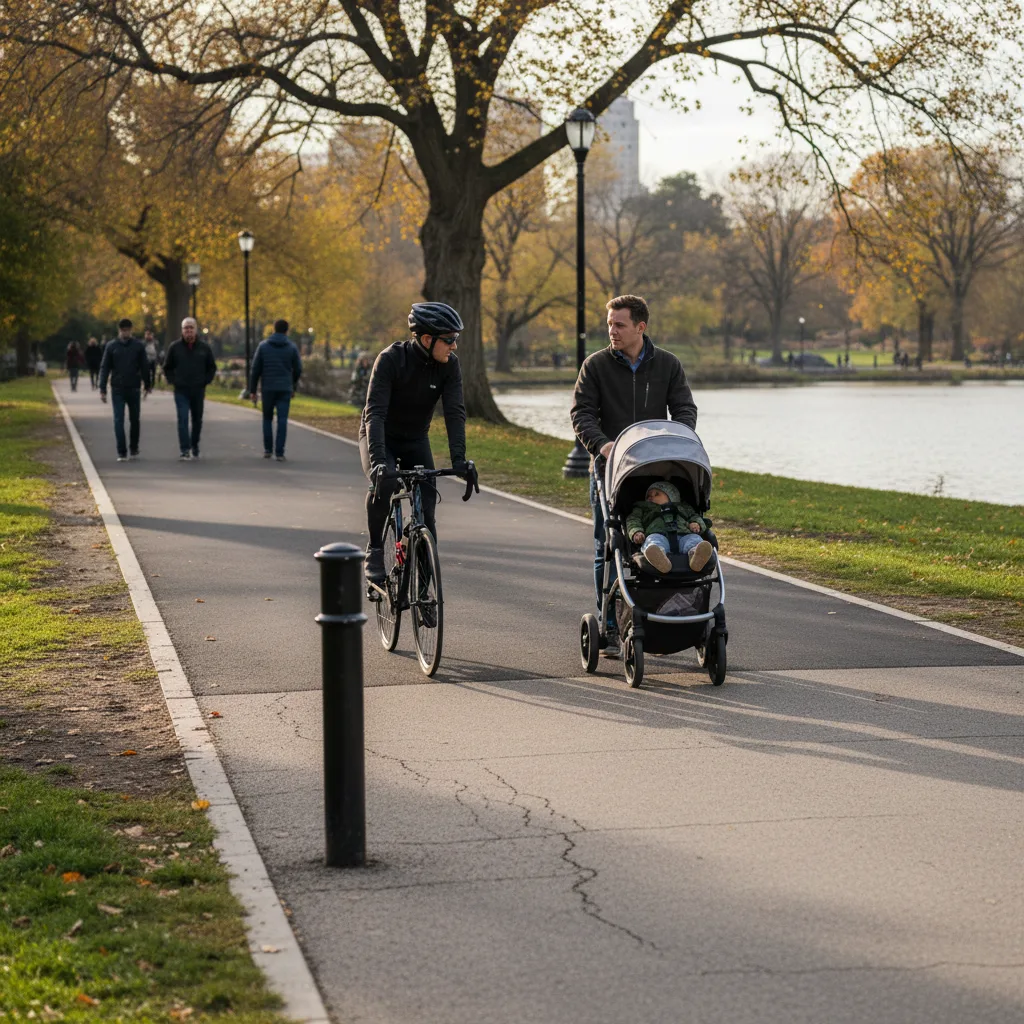
Safety Advocate Blames Park Redesign for Rising Central Park Cyclist Crashes
Safety advocates blame recent Central Park redesigns for a pedestrian's death and rising cyclist crashes, calling for urgent review of infrastructure.
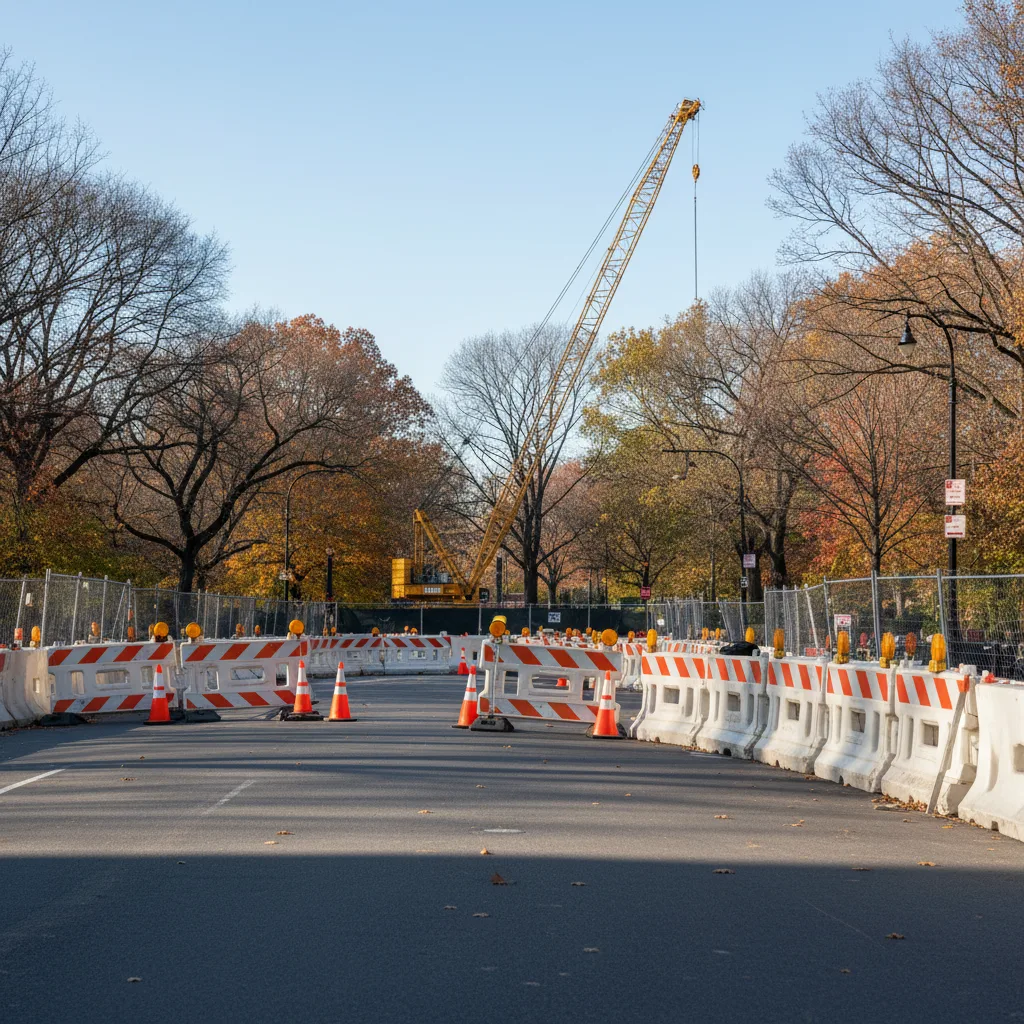
NYC DOT Advises Central Park Area Traffic Disruptions September 27
NYC DOT issued advisories for major traffic disruptions near Central Park on September 27, 2026, due to a parade and crane operations. Expect delays.

Davis Center at Harlem Meer Unveils State-of-the-Art Facilities
The new Davis Center at the Harlem Meer in Central Park's north end now features a state-of-the-art pool, ice rink, and multi-use turf field, enhancing community recreational options.

NYC City Record Confirms September 21, 2026, Publication Schedule
The NYC City Record confirmed its September 21, 2026, publication schedule, detailing administrative notices, procurement, and public hearings. This ensures transparency for municipal operations and public access to vital city information.