


Global Conflict Raises NYC Gas Prices, Central Park Visitors Anxious

NEW YORK — Manhattan residents and Central Park visitors are expressing growing anxiety regarding the escalating conflict in the Middle East, particularly its direct impact on daily life in New York City. The conflict, now in its third week, has sent global oil prices soaring, with significant local consequences.
Conversations among park-goers frequently center on rising gas prices, which have increased by more than 80 cents per gallon since the war's commencement. This surge is prompting widespread concern about potential energy shortages affecting the city’s complex infrastructure.
Escalating Global Tensions and Local Ripples
Recent reports indicate Israeli forces have eliminated senior Iranian officials, including security chief Ali Larijani, intensifying an already volatile situation. This escalation has prompted vows of global retaliation from Iran, including cluster bomb attacks on Tel Aviv.
Concurrently, the U.S. has reportedly dropped over 5,000 bombs targeting Iranian missile sites along the Strait of Hormuz, a critical chokepoint for global oil shipments. Such military actions further destabilize energy markets and contribute to price volatility, directly affecting consumers worldwide.
The global conflict is driving oil prices to around $100 per barrel, a threshold that historically triggers significant economic pressures. Energy shortages are already impacting regions across Asia, signaling potential broader disruptions that could eventually reach New York.
Central Park: A Hub for Local Concern
Within Central Park, the financial and logistical impacts of the conflict are palpable in daily discussions. Joggers pausing for a rest and individuals enjoying a picnic are often overheard discussing the latest price hikes at gas stations across the city.
Many residents voiced concerns about how prolonged conflict and oil price volatility could impact their operations, especially given New York’s reliance on transportation. Local business owners, particularly those in delivery services or transportation, are openly discussing their fears.
Maria Rodriguez, owner of a small flower shop near the park, expressed her apprehension. "Every cent gas goes up cuts into my margins, making it harder to deliver flowers across the city," she explained, echoing the sentiments of many small business proprietors in the area. View the latest global conflict updates and their potential economic fallout.
Impact on Daily Commutes and City Services
The rising cost of fuel is directly affecting Manhattan commuters, particularly those relying on personal vehicles or ride-sharing services. Taxi fares have seen incremental increases, and the cost of public transportation may also face upward pressure if energy prices remain elevated.
City agencies are reportedly monitoring fuel reserves and energy supply chains closely, although no immediate shortages have been announced. However, the prospect of such disruptions looms large in the minds of residents, particularly with memories of past energy-related challenges in the region.
The increasing cost of fuel also impacts essential city services, from sanitation trucks to emergency vehicles. Prolonged high prices could necessitate budget reallocations or lead to service adjustments across various departments, which city officials would prefer to avoid.
Residents Monitor News and Debate Engagement
During their park visits, many residents are seen monitoring news updates on their smartphones, seeking information on the conflict's progression. These informal gatherings often turn into impromptu discussions about the U.S.'s role and potential future involvement in the conflict.
Some park visitors are sharing articles and analyses about whether the U.S. should remain involved, reflecting a polarized public opinion on foreign policy. The public's engagement underscores the interconnectedness of global events and local daily lives.
These discussions highlight a growing awareness among New Yorkers of how geopolitical tensions can translate directly into economic challenges at home. The uncertainty of the situation fuels continued debate and concern within the community, even in the tranquil setting of Central Park.
Frequently Asked Questions About Local Impact of Global Conflict
How much have gas prices increased in New York City since the conflict began? Gas prices in New York City have risen by more than 80 cents per gallon since the start of the conflict, impacting daily commuters and local businesses. What are Central Park visitors discussing regarding the conflict? Visitors to Central Park are primarily discussing the rising gas prices, potential energy shortages, and the broader economic ramifications for local businesses and daily life in Manhattan. Are there concerns about energy shortages in New York City? Yes, local residents and business owners are expressing concerns about potential energy shortages and the cascading effects on city services and infrastructure if the conflict continues to escalate. How are local businesses being affected by the oil price volatility? Local business owners, particularly those in transportation and delivery sectors, are discussing how prolonged oil price volatility could significantly impact their operational costs and overall profitability. What role do residents believe the U.S. should play in the conflict? Discussions among park-goers reflect divided opinions, with some residents actively monitoring news and debating whether the U.S. should maintain its current level of involvement in the ongoing Middle East conflict.
Related Articles
More in Community & Philanthropy →
50,000 Expected to Rally in Central Park for Making Strides Walk
An estimated 50,000 participants are expected to rally in Central Park this month for the iconic Making Strides Against Breast Cancer walk. The event highlights community support for research and patient services.

Central Park Kids Celebrate Forest Day with Wonder in the Woods
Central Park hosts "Wonder in the Woods" on October 3, 2026, a free family scavenger hunt in the North Woods. Children can celebrate City of Forest Day, offering an engaging outdoor activity.

Central Park Conservancy Launches Free Fall Scavenger Hunt
Central Park Conservancy launches a free fall scavenger hunt for families next month, encouraging outdoor exploration. This self-guided tour through wooded areas offers a chance to unplug and enjoy autumn beauty.
Central Park Friday Play Club Continues for Children in October 2026
Central Park's Friday Play Club, a free, parent-led initiative, continues through winter recess, offering children outdoor recreation on October 2, 2026, and subsequent Fridays.
Patch Calendar Highlights Central Park 'Party On Park 2026' September 27
The Upper East Side Patch calendar featured "Party On Park 2026" for Sunday, September 27, at 12:00 PM, opening Park Avenue Viaduct spaces for recreation near Central Park.
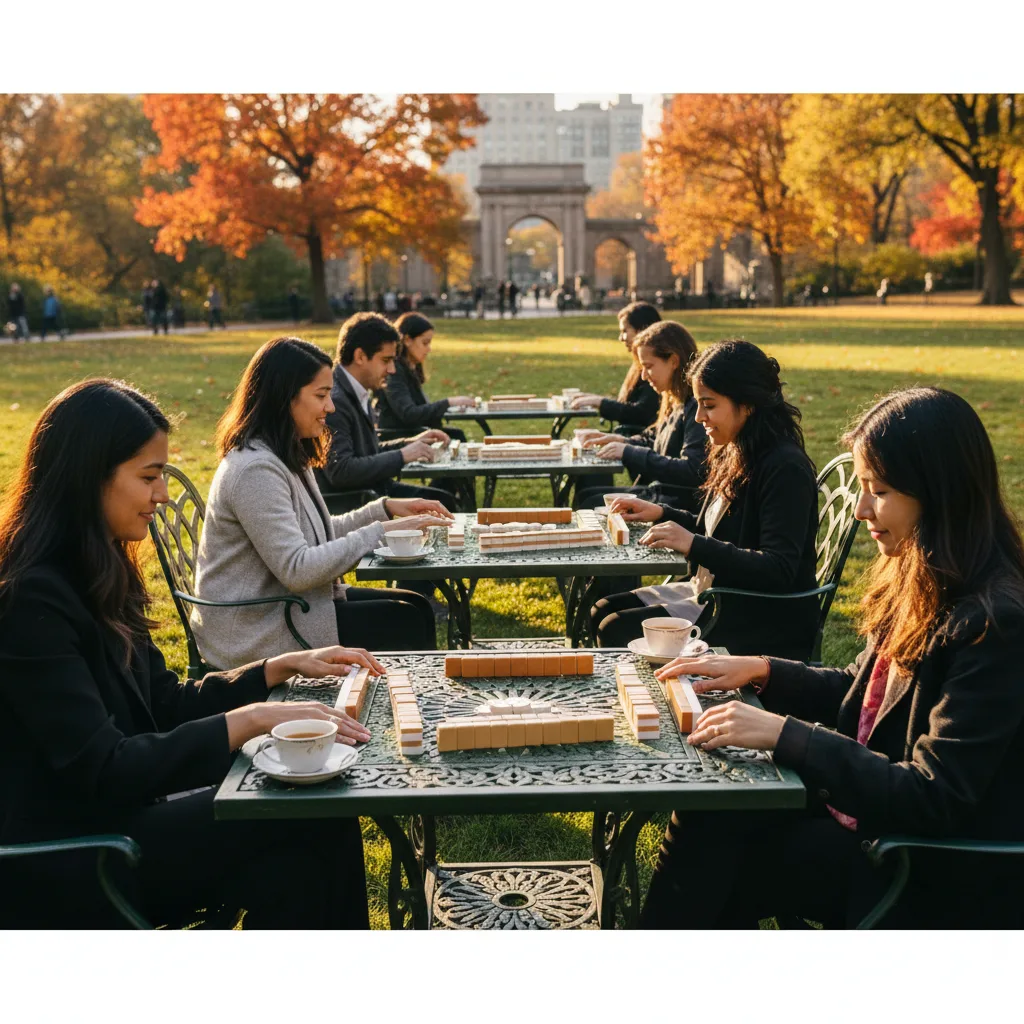
Central Park Conservancy Announces 2026 Fall Mahjong Social
The Central Park Conservancy announced its 2026 Fall Central Park Mahjong Social, hosted by the Women’s Committee and Playground Partners. This event supports park initiatives and follows the Play for the Park Tennis Tournament, inviting community involvement.