


Global Oil Crisis Impacts Central Park Commuters Amid Mideast Strikes

NEW YORK — An unprecedented exchange of airstrikes between Iran and Israel on energy facilities across the Gulf has effectively closed the Strait of Hormuz, triggering a global oil crisis that is now severely impacting daily life around Central Park. As oil prices surge towards $150-$200 per barrel, Manhattan residents face escalating gas prices, threatening weekend plans and sparking widespread economic anxiety. The international geopolitical conflict is having direct, tangible effects on New Yorkers.
This dramatic escalation in the Middle East, with Israel striking Iran's natural gas fields and Iran retaliating, accounts for a significant disruption in the global energy supply. The Strait of Hormuz, a critical chokepoint, typically accounts for 20% of the world's oil supply, and its closure has sent shockwaves through international markets. Beyond crude oil, the conflict has also halted helium exports from Qatar, creating unforeseen shortages for industries from healthcare to tech.
Skyrocketing Gas Prices Hit Central Park Commuters
Manhattan residents near Central Park are experiencing sticker shock at the pump, with many joggers and dog-walkers at Bethesda Fountain lamenting that fill-ups now exceed $100. The sudden rise in fuel costs is forcing many to reconsider their commuting habits and weekend travel plans, impacting everything from local tourism to deliveries. The economic ripple effect is already palpable in neighborhoods surrounding the park.
Local delis and coffee shops on the Upper West Side report customers glued to television screens, closely following updates on the strikes and debating the geopolitical implications. Conversations frequently revolve around the potential for a deeper global recession and the long-term impact on local businesses. The immediate future appears uncertain for many small enterprises relying on consistent consumer spending.
Helium Shortages Impact Mount Sinai and Local Healthcare
The ripple effects of the Strait of Hormuz closure extend beyond fuel, significantly affecting the supply of helium. Qatar, a major global supplier, has ceased exports, leading to critical shortages in various sectors. Hospitals like Mount Sinai, located near Central Park, rely on helium for MRI machines and other vital medical equipment, creating a looming healthcare crisis.
Community board meetings in the Central Park area have witnessed heated discussions regarding the helium shortage, with residents expressing concern for local hospitals. Petitions are being organized to urge federal energy aid and explore alternative supply chains, underscoring the interconnectedness of global events with local well-being. The crisis highlights vulnerabilities in critical supply chains, as detailed in this global news report.
Global Tensions and Trump's Intervention
The US response to the escalating crisis includes deploying thousands more Marines to the region. Concurrently, former President Trump is reportedly pressuring Israel and considering lifting Iranian oil sanctions, a move that generates considerable debate among New Yorkers. Discussions range from supporting such measures for global energy stability to concerns about undermining international diplomacy.
The prospect of lifting sanctions on Iranian oil, while potentially easing some market pressures, is a contentious issue, raising questions about geopolitical alliances and long-term consequences. This complex international chess game is actively discussed in local Manhattan forums and social gatherings, as the global implications intersect with local economic realities, further elaborated in the video about the Mideast conflict.
Local Businesses Stocking Up Amid Fears of Shortages
Amid fears of broader shortages, local businesses and residents in the Central Park vicinity are reportedly stocking up on essential goods. The uncertainty surrounding supply chains has created a sense of urgency, with some fearing disruptions to everyday commodities beyond energy. This behavior, driven by global events, mirrors historical responses to large-scale crises.
While officials have urged calm and assured the public of stable supplies, the psychological impact of such dramatic global headlines cannot be understated. Local grocery stores and pharmacies are monitoring inventory closely, ready to adapt to potential changes in demand and supply. The community remains watchful of how these international developments will further unfold and affect their daily lives in the coming weeks and months.
Frequently Asked Questions About the Energy Crisis and NYC
Manhattan residents are naturally concerned about how the global energy crisis impacts their daily lives. The primary local effects include rising gas prices, which influence transportation costs, and potential shortages of industrial gases like helium, affecting healthcare and research. The city’s Office of Emergency Management is monitoring the situation, ready to coordinate with federal agencies if significant disruptions occur. Residents can monitor official city announcements for updates on resource availability and guidance. The impact on public services is being assessed to ensure continuity. City planners are also evaluating long-term strategies for energy resilience to mitigate future international crises affecting local populations.
Related Articles
More in Global Economy & Local Impact →
A Guide to Central Park's Top Activities and Best Things to Do in 2026
Discover the best things to do in Central Park, NYC, with our comprehensive 2026 guide to iconic landmarks, activities, and hidden gems for visitors.
A Guide to What to Know About the Vatican Obelisk in Central Park 2026
Discover what to know about the Vatican Obelisk (Cleopatra's Needle) in Central Park, its history, journey to NYC, and where to find it in 2026.
Central Park Woman Found Dead Near Boathouse Gazebo
A woman was found stabbed to death in a Central Park gazebo near the Boathouse on Sunday, prompting an active NYPD homicide investigation.
Queens Student Arrested for Bringing Gun to High School
A Queens student was arrested for bringing a gun to high school, prompting immediate law enforcement action and raising school safety concerns.

NYC Mayor Mamdani Booed at Union Square October 7 Vigil
Mayor Mamdani faced boos and protests at a Union Square vigil Thursday marking the Oct. 7 attacks, highlighting deep community divisions in NYC.
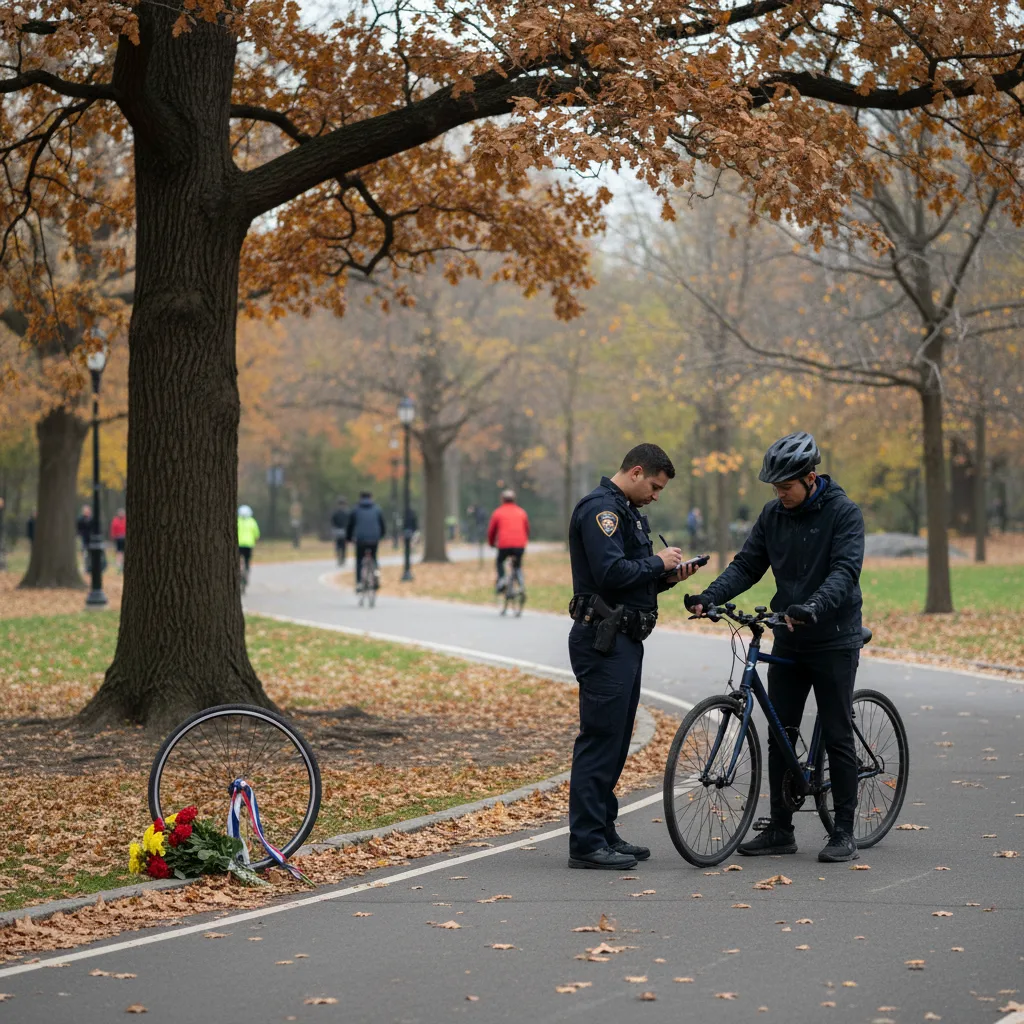
NYC Cyclist Death Prompts NYPD Ticketing Near Fatal Crash Site
NYPD stepped up cyclist ticketing near a recent fatal crash site in Central Park after a cyclist died Monday morning. Local groups demand safety reforms.