


Great Lawn, North Ballfields Closed Due to Sustained Weather Impacts
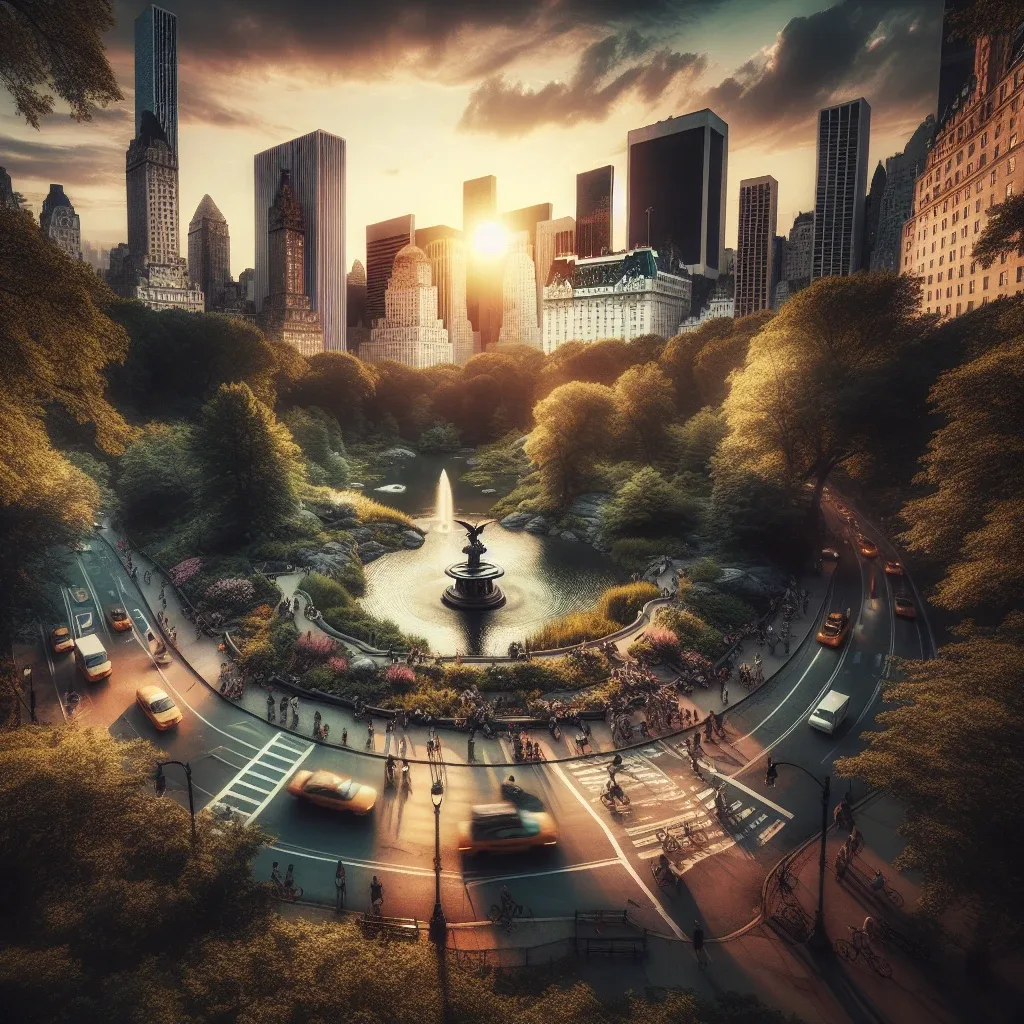
NEW YORK — Persistent heavy rainfall and saturated ground conditions have prompted the Central Park Conservancy to announce the temporary closure of the Great Lawn Oval and the North Ballfields, effective immediately. These closures are critical to prevent severe damage to the turf and ensure public safety, following several days of inclement weather that has impacted New York City. Park officials anticipate the areas will remain closed until ground conditions significantly improve.
The decision, relayed through a recent park alert, underscores the Conservancy’s proactive approach to park management, especially concerning highly trafficked and ecologically sensitive areas. These specific zones, popular among casual visitors and organized sports leagues alike, are particularly vulnerable to compaction and erosion when wet. Their closure is a routine but necessary measure to preserve the park's infrastructure and natural beauty, ensuring long-term usability for millions of visitors.
Preventing Long-Term Turf Damage
The Great Lawn Oval, a sprawling 55-acre expanse, and the North Ballfields, comprising a cluster of baseball and softball diamonds, are fundamental recreational assets for New Yorkers. When the ground is overly saturated, foot traffic, especially from sports activities, can compact the soil, damage grass roots, and lead to extensive muddy areas that require costly and time-consuming repairs. Closing these areas is a preventative measure against such degradation, protecting an investment of millions in turf management.
Michael Ortiz, Director of Field Operations for the Central Park Conservancy, elaborated on the necessity of the closures. "Our primary goal is always to balance public access with ecological stewardship," Ortiz explained in a statement released by the Conservancy. "Allowing play on waterlogged fields would lead to irreparable damage that could take months, if not an entire season, to recover. This temporary inconvenience is crucial for maintaining the quality of these beloved spaces for future enjoyment." He emphasized that the decision is made after careful assessment of soil moisture levels.
Impact on Recreational Activities and Events
The immediate consequence of these closures is the suspension of all scheduled activities and permits for the Great Lawn Oval and the North Ballfields. This affects numerous amateur sports leagues, local school teams, and casual users who rely on these spaces for recreation and exercise. The Conservancy is actively communicating with permit holders to reschedule events or offer alternative arrangements where possible. For instance, many smaller recreational areas remain open.
While popular areas are closed, visitors are encouraged to explore other parts of the park that are less susceptible to weather-related damage, such as paved pathways for walking and jogging, or the Conservatory Garden. The Central Park official news page provides regular updates on open areas and alternative recreational opportunities available within the park. Families can still enjoy various playgrounds or quieter strolling paths. This ensures that a large portion of the park remains accessible even during challenging weather conditions.
Grand Army Plaza South Closure Details
In addition to the Great Lawn and North Ballfields, Grand Army Plaza South has also been closed due to separate structural or maintenance issues. This area, a major entrance point on the park's southeast corner at 59th Street and Fifth Avenue, serves as a gateway to the park and surrounds the iconic Pulitzer Fountain. Its closure impacts pedestrian flow and vehicle access, affecting both tourists and commuters.
Specific details regarding the nature of the Grand Army Plaza South closure were not immediately released, beyond its inclusion in the Conservancy’s broader alert. However, such closures are typically for necessary infrastructure repairs or safety inspections that cannot be conducted while the area is open to the public. Visitors planning to enter the park from this busy corner are advised to seek alternative entrances, such as those along 5th Avenue slightly further north or west. The official Central Park Alerts page provides the most current information regarding all closures and advisories.
Weather Preparedness and Future Planning
New York City often experiences varied weather patterns, and the Central Park Conservancy maintains robust protocols for managing the park through all seasons. These protocols include monitoring weather forecasts, assessing ground conditions regularly, and deploying resources for storm clean-up and maintenance. The recent rainfall totals, exceeding 3 inches in the past 48 hours, pushed conditions past acceptable thresholds for safety and preservation.
Looking forward, the Conservancy continues to invest in resilient landscaping techniques and improved drainage systems to mitigate the impacts of increasingly frequent severe weather events. These long-term strategies are part of a broader plan to ensure Central Park remains a vibrant and functional urban oasis for generations to come, adapting to climate challenges. They constantly evaluate how to best protect their valuable green spaces. This adaptive management is a continuous process, reflecting best practices in urban park stewardship. Further information on park management and the conservancy's strategic initiatives is available through various Central Park news outlets that report on its operations.
Frequently Asked Questions
Q: How can park visitors check the current status of Central Park fields and facilities? A: Park visitors can always check the Central Park Conservancy's official website, specifically the Alerts section (centralparknyc.org/alerts), for the most up-to-date information on closures, advisories, and open areas within Central Park. This resource is updated regularly to reflect changing conditions, including weather-related impacts or maintenance work.
Q: What are the primary reasons for closing large lawn areas like the Great Lawn? A: The primary reasons for closing large lawn areas, particularly after heavy rain, are to prevent soil compaction, turf damage, and erosion. Walking or playing on saturated grass can severely harm the root systems and create muddy, unsafe conditions, leading to long-term rehabilitation needs. Closures protect the integrity and aesthetic appeal of these vital green spaces.
Q: Are there alternative recreational areas in Central Park when the main fields are closed? A: Yes, even when major fields like the Great Lawn and North Ballfields are closed, many other areas of Central Park remain open for recreation. Visitors can utilize paved pathways for walking, running, and biking, explore wooded areas, visit various playgrounds, or enjoy attractions like the Conservatory Garden. The park offers diverse options for enjoyment regardless of field closures.
Related Articles
More in Park Operations & Maintenance →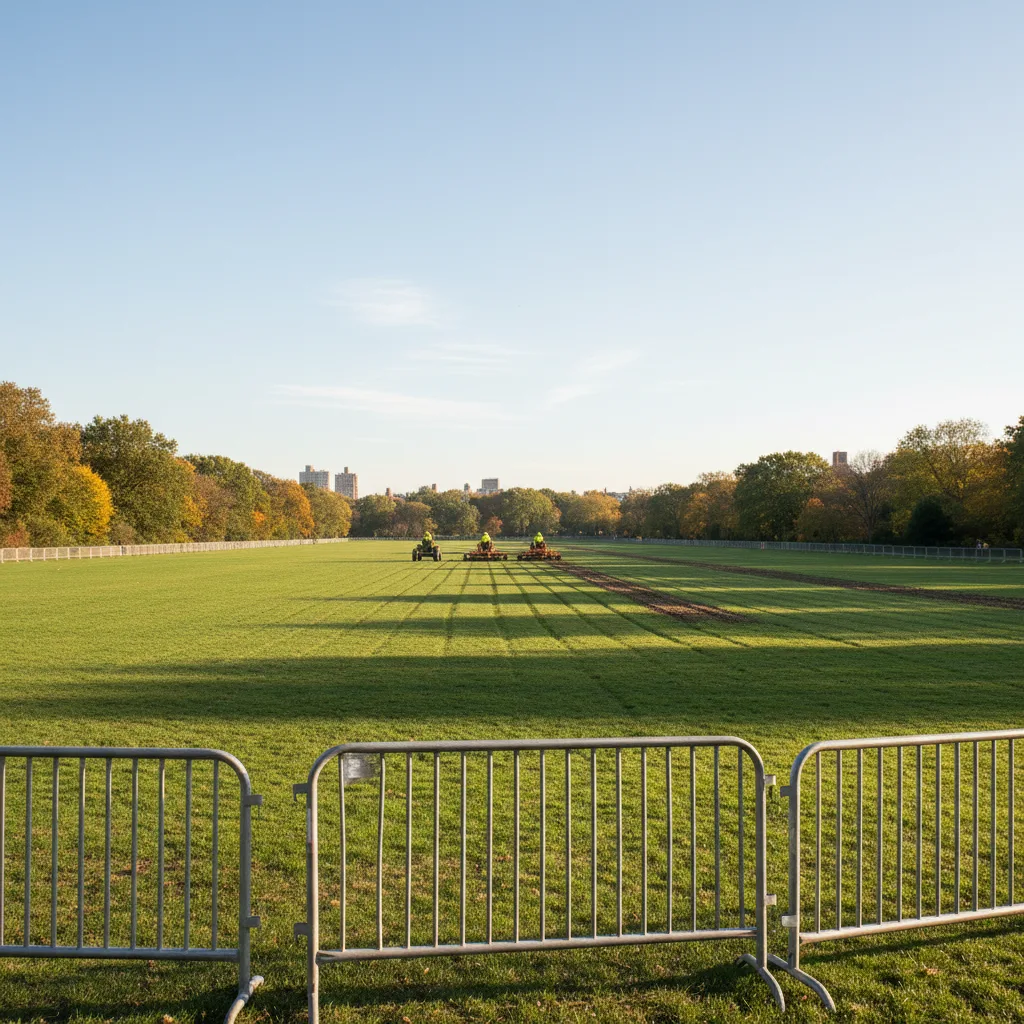
Central Park Conservancy Closes Great Lawn for Scheduled Maintenance
The Central Park Conservancy closed the Great Lawn through October 2, 2026, for scheduled maintenance, impacting weekend activities. Essential upkeep ensures the iconic green space remains vibrant for visitors.
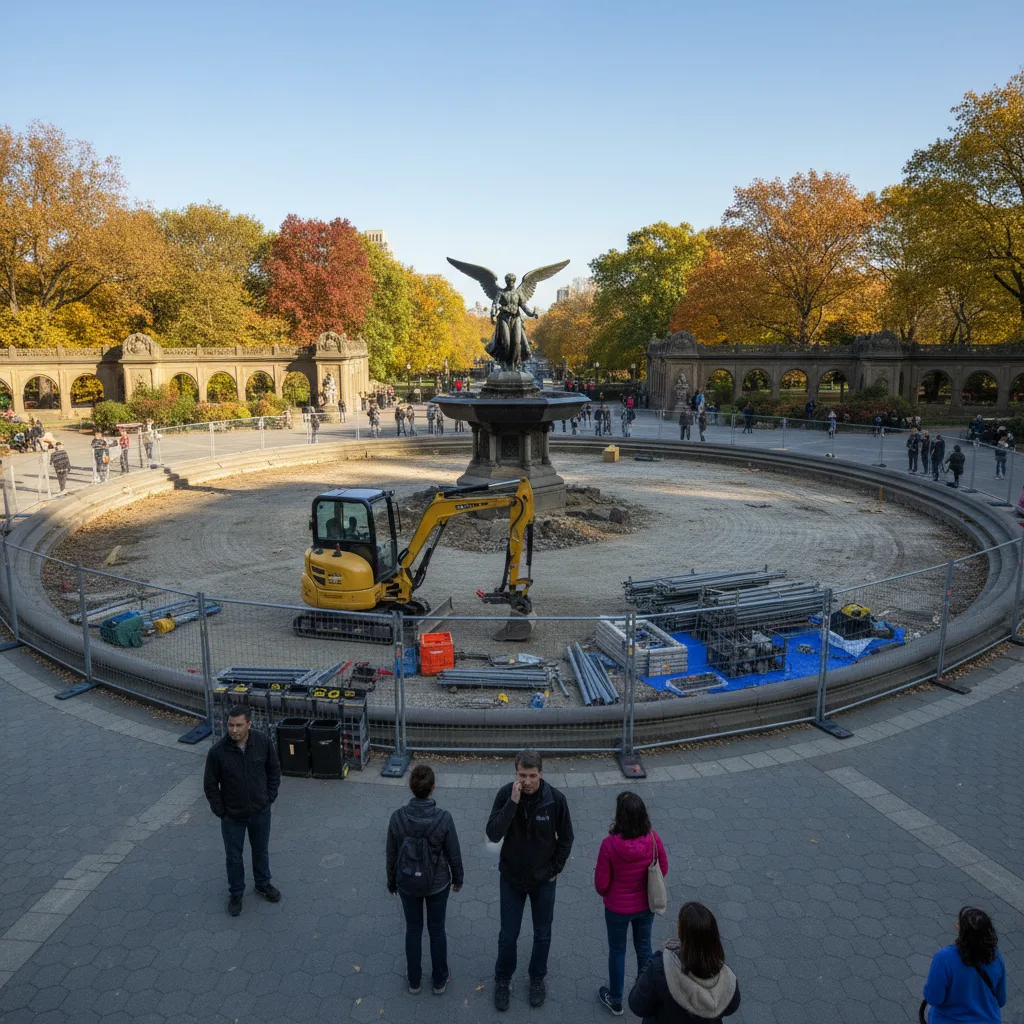
Central Park Conservancy Announces Bethesda Fountain, Great Lawn Closures
Central Park Conservancy announced Bethesda Fountain is off for restoration and the Great Lawn closed through October 2, 2026 for maintenance, affecting visitor access.
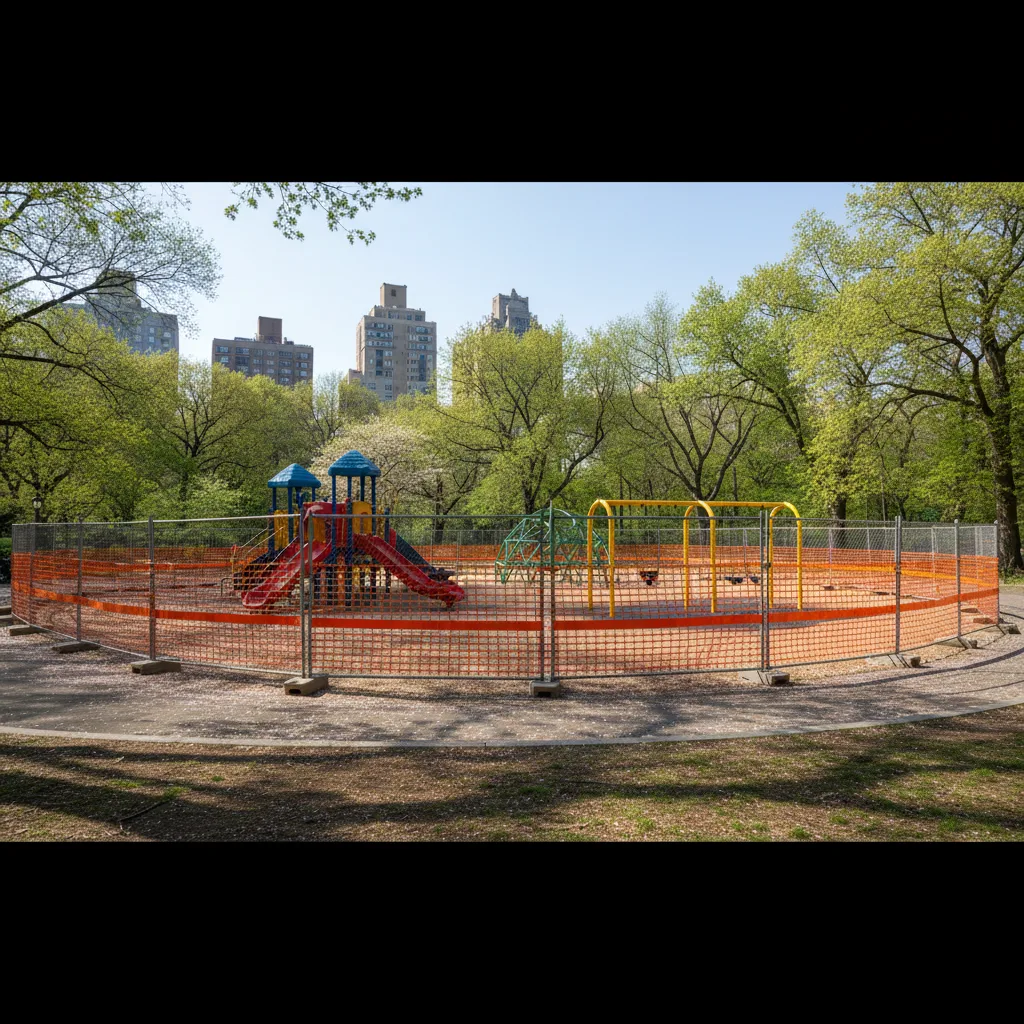
Central Park Conservancy Closes East 110th Street Playground for Restoration
Central Park Conservancy closed the East 110th Street Playground for restoration, while North Meadow and Heckscher ballfields shut due to weather. Plan your visit; check alerts for closures impacting recreation in Central Park.
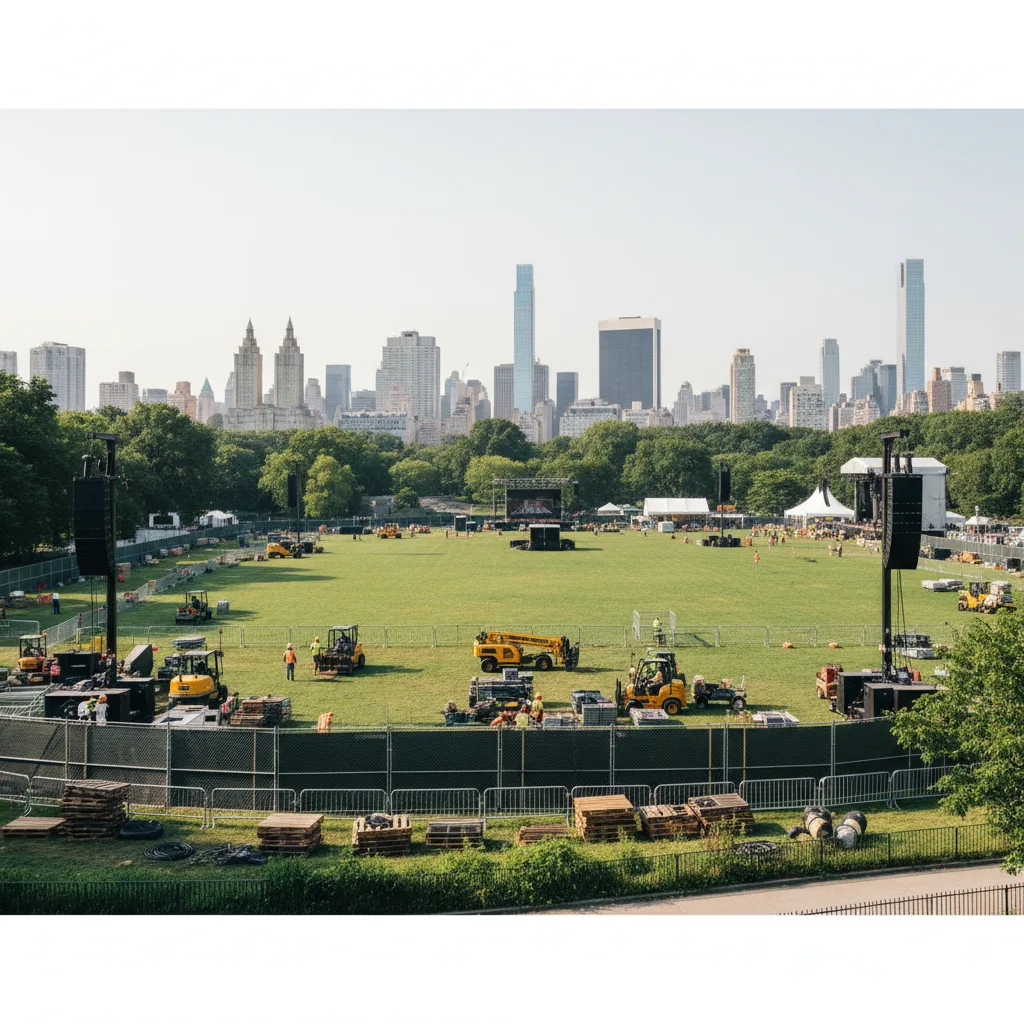
Central Park Conservancy Closes Great Lawn for Global Citizen Festival
Central Park Conservancy confirmed the Great Lawn is closed through September 26, 2026, for the Global Citizen Festival, affecting access to Belvedere Castle and Turtle Pond. Local residents and visitors should plan alternate routes and expect traffic delays around the park's perimeter.
Central Park Conservancy Confirms 2026 Daily Operating Hours
Central Park Conservancy confirms 2026 daily hours: 6:00 a.m. to 1:00 a.m. This notice is for visitor planning, not a change.
Central Park Conservancy Announces Park Hours Update for 2026
Central Park Conservancy announced updated 2026 park hours, maintaining 6:00 a.m. to 1:00 a.m. access daily. This schedule balances public enjoyment with critical maintenance and security operations.