


"He's a Little Fighter": Central Park Parakeet Rescue Captivates City

NEW YORK — "He's a little fighter, truly. We didn't think he'd make it through the winter, but he proved us all wrong." Those were the words of Sarah Jenkins, a wildlife rehabilitator with the Wild Bird Fund, following the successful rescue of a lost parakeet from Central Park this week. The small, colorful bird, affectionately named "Peck" by his rescuers, had been living wild in the park for over six months, charming and worrying birdwatchers in equal measure.
Peck’s story began last autumn when he was first spotted near the Pond, just north of Grand Army Plaza. Efforts to capture the resilient bird had been ongoing for months, complicated by the parakeet’s surprising agility and the vast, challenging terrain of Central Park.
Peck's Perilous Urban Journey
Peck, identified as a Monk Parakeet, an exotic species not native to New York, is believed to have escaped from a local home in late 2025. Monk Parakeets are known for their adaptability and ability to survive in urban environments, but New York’s harsh winters typically prove too challenging for domestic birds.
Bird enthusiasts reported seeing Peck foraging near the Hallett Nature Sanctuary, often seeking shelter in dense evergreens. His vibrant green and blue plumage made him an unusual sight against the cityscape, attracting a small but dedicated following of observers who tracked his movements and reported sightings to rescue organizations.
Coordinated Rescue Efforts and Challenges
The rescue operation, spearheaded by the Wild Bird Fund, involved a team of five trained volunteers and two full-time rehabilitators. They deployed various humane trapping methods over several weeks, including nets and specialized cages baited with seeds and fruit, near the East 69th Street entrance. The elusive nature of the parakeet, however, made capture difficult.
“We tried everything, from calling out to him to placing traps near his regular roosting spots,” Jenkins explained. “He was incredibly smart, always finding a way to evade us. It was a true testament to his survival instincts.” The rescue team persisted through several cold snaps in January and February 2026, fearing for Peck's chances.
A Community United for a Small Bird
The parakeet’s plight garnered significant local attention. Social media groups dedicated to Central Park birdwatching shared updates, photos, and tips. Many park visitors expressed concern, highlighting the emotional connection people form with wildlife, even an accidental inhabitant.
Local news channels, including ABC News' coverage on YouTube, ran segments on Peck, further amplifying the community's engagement. This widespread interest underscores the enduring appeal of human-animal stories within the bustling urban landscape. One user on a Central Park enthusiast forum commented, “Everyone was rooting for Peck to make it.”
The Final Capture and Recovery
Peck was finally apprehended on March 22, 2026, in a meticulously planned operation near the Gapstow Bridge, following a tip from a park regular who noticed the bird appeared weakened. The rescue team managed to gently net him after he landed on a low branch, seemingly exhausted from foraging.
Upon examination at the Wild Bird Fund’s rehabilitation center in Manhattan, Peck was found to be underweight but otherwise healthy, showing no major injuries. He is currently recovering in an indoor aviary, being fed a nutritious diet and monitored for any lingering health issues. His story serves as a reminder of the unexpected wildlife that can be found in the city's green spaces.
What Lies Ahead for Peck
Once fully recovered, Peck will not be released back into Central Park due to his non-native status and the potential ecological impact on local bird populations. The Wild Bird Fund is actively seeking a suitable permanent home for him, likely in a private aviary or an educational facility where he can live safely and comfortably.
Donations poured in to cover Peck’s medical expenses and care, reflecting the public's investment in his well-being. This incident has also sparked a renewed interest in Central Park's broader wildlife population and the efforts to protect both native and unexpected animal residents.
Frequently Asked Questions About Central Park's Wildlife Rescues
Why are non-native birds like parakeets not released back into Central Park after rescue? Releasing non-native species can disrupt the local ecosystem by introducing diseases, competing with native birds for resources, or even preying on smaller native species. Wildlife rehabilitators prioritize the health of the entire ecosystem.
How can I report a distressed or lost animal in Central Park? If you encounter an injured or lost animal in Central Park, it's best to contact the Wild Bird Fund or the NYC Parks Department's Animal Care & Control. Avoid approaching or trying to rescue the animal yourself, as it could be dangerous for both you and the animal.
Are Monk Parakeets common in New York City? Monk Parakeets have established feral colonies in several parts of New York City, particularly in Brooklyn, due to accidental releases decades ago. While resilient, a single bird like Peck in Central Park is less common and often indicates a recent escape from captivity.
Related Articles
More in Wildlife & Nature →
Central Park Boathouse Bird Watching Tour Offers Educational Experience
Central Park Boathouse offers an educational bird watching tour, providing visitors an opportunity to observe avian species. This experience connects locals with nature, enhancing appreciation for park wildlife.
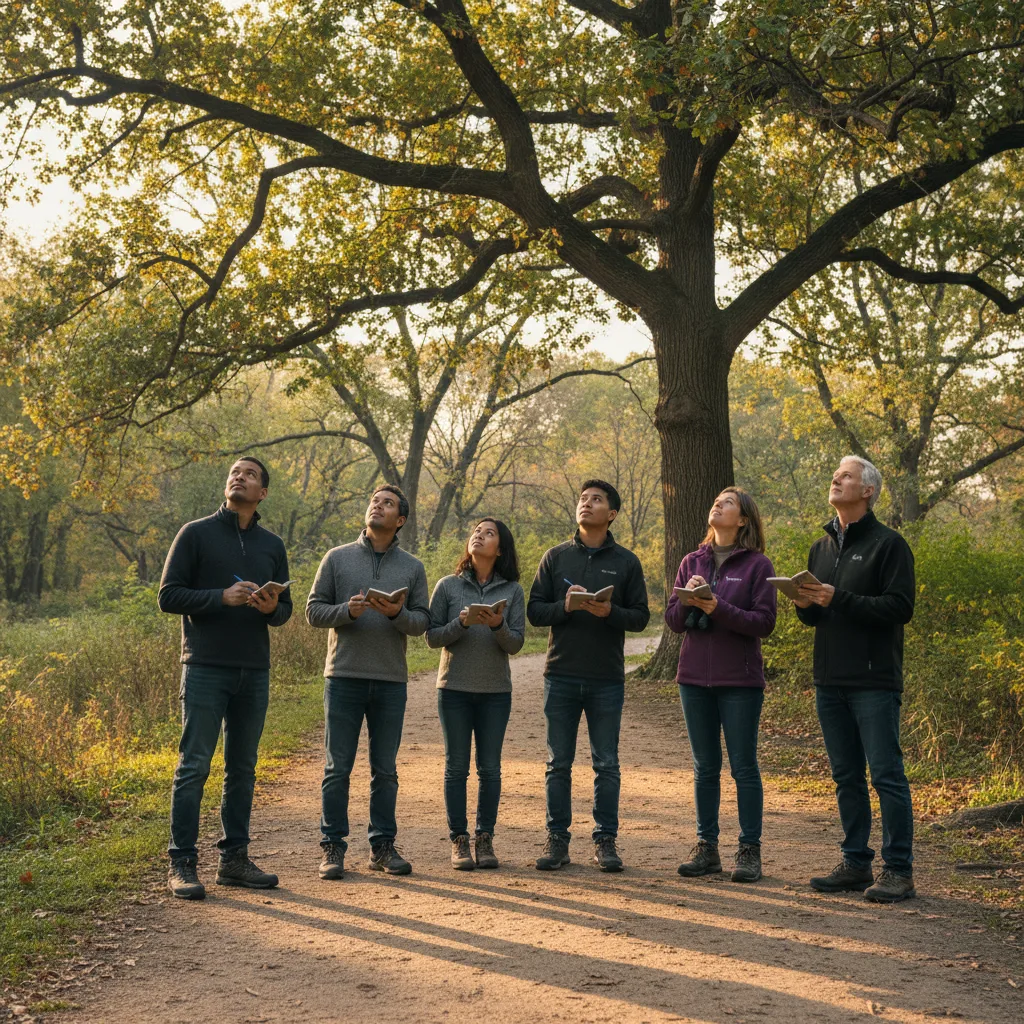
Central Park Event Calendar Features Climate Week Activities September 27
Central Park's event calendar for September 27, 2026, included a Climate Week-aligned "Journal, Meditation, + Bird Walk," promoting environmental awareness.
Wildlife Conservation Society Awards Lovejoy Prize at Central Park Zoo
Wildlife Conservation Society awards 2026 Thomas E. Lovejoy Prize today at Central Park Zoo during Climate Week in New York City.
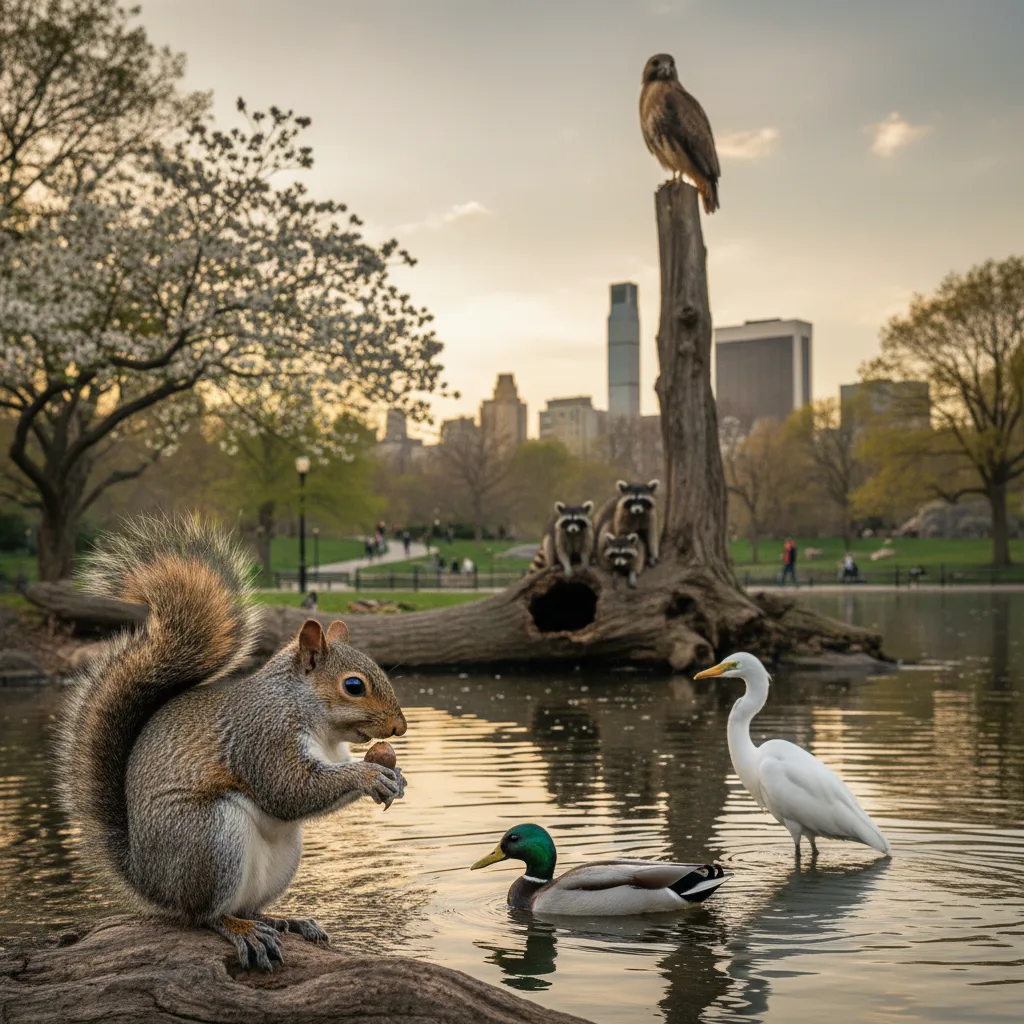
A Guide to Central Park's Wildlife: What to Know About the Park's Animals and Ecosystem
Discover the diverse Central Park wildlife, from birds and mammals to aquatic life. Learn responsible observation tips and conservation efforts for 2026.
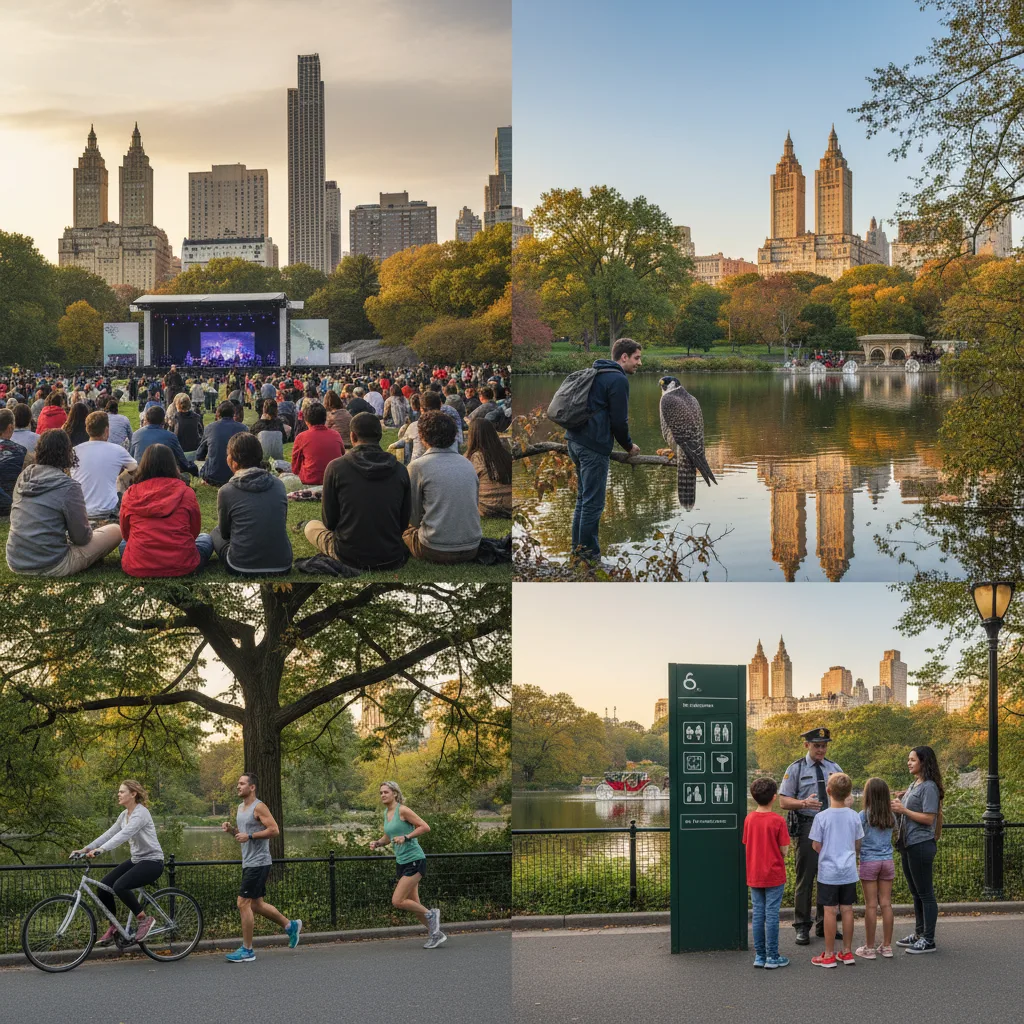
A Guide to Central Park's Top Activities and Best Things to Do in 2026
Discover the best things to do in Central Park, NYC, with our comprehensive 2026 guide to iconic landmarks, activities, and hidden gems for visitors.
A Guide to What to Know About the Vatican Obelisk in Central Park 2026
Discover what to know about the Vatican Obelisk (Cleopatra's Needle) in Central Park, its history, journey to NYC, and where to find it in 2026.