


Hochul Administration Confirms Manhattan Congestion Pricing Implementation for 2026

NEW YORK — Governor Kathy Hochul's administration has officially confirmed the implementation of Manhattan's controversial congestion pricing plan for early 2026. This landmark initiative aims to reduce traffic, improve air quality, and fund mass transit improvements across New York City. The long-debated tolling system will impose a fee on vehicles entering Manhattan's Central Business District, specifically south of 60th Street, a zone that encompasses the southern reaches of Central Park.
Officials from the Metropolitan Transportation Authority (MTA) detailed the final parameters, following extensive review and public feedback sessions. The program is projected to generate billions of dollars annually, which the MTA has earmarked for critical subway, bus, and commuter rail upgrades. Advocates believe this revenue is essential to modernize the city's aging transit infrastructure, benefiting millions of daily commuters.
Understanding the Congestion Pricing Zone
The designated congestion pricing zone stretches from 60th Street down to the Battery, covering the most densely populated and trafficked areas of Manhattan. This means drivers accessing Central Park from the south, particularly those heading to attractions like Wollman Rink or the Central Park Zoo, will incur a charge. The MTA board approved the final tolling structure in late 2025, after a series of public hearings that drew both fervent support and strong opposition from various community groups.
According to an MTA spokesperson, daily peak hour tolls for passenger vehicles are set at $15, with lower rates for off-peak hours and overnight. Truck tolls are considerably higher, reflecting their greater impact on traffic and infrastructure. “This is a critical step towards a more sustainable and efficient New York,” explained MTA Chairman Janno Lieber during a press conference on December 12, 2025, emphasizing the environmental and economic benefits.
Impact on Central Park Access and Tourism
The introduction of congestion pricing is expected to significantly alter traffic patterns around Central Park. Many local residents and small business owners have voiced concerns about potential negative impacts on tourism and park accessibility. Businesses located near the park's perimeter, particularly those on Central Park South, fear a reduction in customers who traditionally drive into the city.
However, city planners anticipate a shift towards increased public transportation use, potentially easing congestion on park-adjacent roads. The Central Park Conservancy, which manages the park, has been working with the city to ensure continued accessibility for all visitors. “Our priority remains making Central Park a welcoming and accessible oasis for everyone, regardless of their mode of transport,” stated Sarah Jessica Reynolds, spokesperson for the Central Park Conservancy, on January 8, 2026. She also noted the potential for improved air quality within the park due to fewer vehicles.
Political Divide and Legal Challenges
The congestion pricing plan has ignited a heated political debate, with strong opinions from both sides of the aisle. Former President Donald Trump notably weighed in on the issue in early 2026, urging Governor Hochul to halt the implementation. This intervention underscored the national attention the New York City initiative has garnered as a potential model for other major metropolitan areas. Read more on the broader debate surrounding Manhattan tolls and political responses.
Despite political pressure, Governor Hochul has steadfastly maintained the necessity of the program for the city's future. Several legal challenges have been filed by groups representing suburban commuters and trucking associations, seeking to block or delay the plan. These lawsuits primarily argue that the environmental review process was insufficient and that the tolls unfairly burden certain populations. A federal appeals court heard initial arguments on February 15, 2026, with a ruling anticipated later in the spring.
Public Transportation Alternatives and Future Outlook
In preparation for the new tolls, the MTA has announced several improvements to bus and subway services, including increased frequency on key lines serving areas adjacent to Central Park. New express bus routes are also being planned to connect suburban areas directly to transit hubs outside the congestion zone. The aim is to provide viable and convenient alternatives for those who previously drove.
Pedestrian and cyclist access to Central Park will remain unaffected, and enhanced bike lane infrastructure is being developed throughout Manhattan. The city hopes that the shift away from private vehicle use will create a more pleasant and safer urban environment for all. And the long-term goal of cleaner air and reduced traffic is expected to bring significant benefits to the city's nearly 8.5 million residents, as well as its iconic green spaces like Central Park. This ambitious plan represents a major shift in urban mobility for New York City, poised to redefine how people interact with its core.
Frequently Asked Questions About Central Park Congestion Pricing
How does congestion pricing affect visits to Central Park? Drivers entering Manhattan south of 60th Street, including most direct routes into Central Park, will incur a daily toll during peak hours. The system is designed to encourage public transit use or alternative routes, but park access via walking, cycling, or public transport remains unaffected. What are the current toll rates for entering the zone? As of early 2026, passenger vehicles face a $15 toll during peak hours, with reduced rates for off-peak and overnight travel. Specific charges for taxis, ride-shares, and commercial trucks vary and are generally higher. Where does the revenue from congestion pricing go? All revenue generated from the congestion pricing program is legally mandated to fund the MTA's capital improvement projects. These funds are crucial for upgrading New York City's subway, bus, and commuter rail systems, which serve millions of riders annually. Are there any exemptions for residents or specific vehicle types? Certain exemptions and discounts have been approved, including for low-income drivers, emergency vehicles, and authorized government vehicles. Residents living within the congestion zone with incomes below a certain threshold may also qualify for rebates. How can I find out more about the congestion pricing plan? Comprehensive information regarding the congestion pricing plan, including maps, toll schedules, and exemption details, is available on the Metropolitan Transportation Authority's official website. Regular updates are also being provided by the Governor's office and local news outlets as the plan progresses.
Related Articles
More in Urban Policy & Development →
NYC Mayor Mamdani Booed at Union Square October 7 Vigil
Mayor Mamdani faced boos and protests at a Union Square vigil Thursday marking the Oct. 7 attacks, highlighting deep community divisions in NYC.
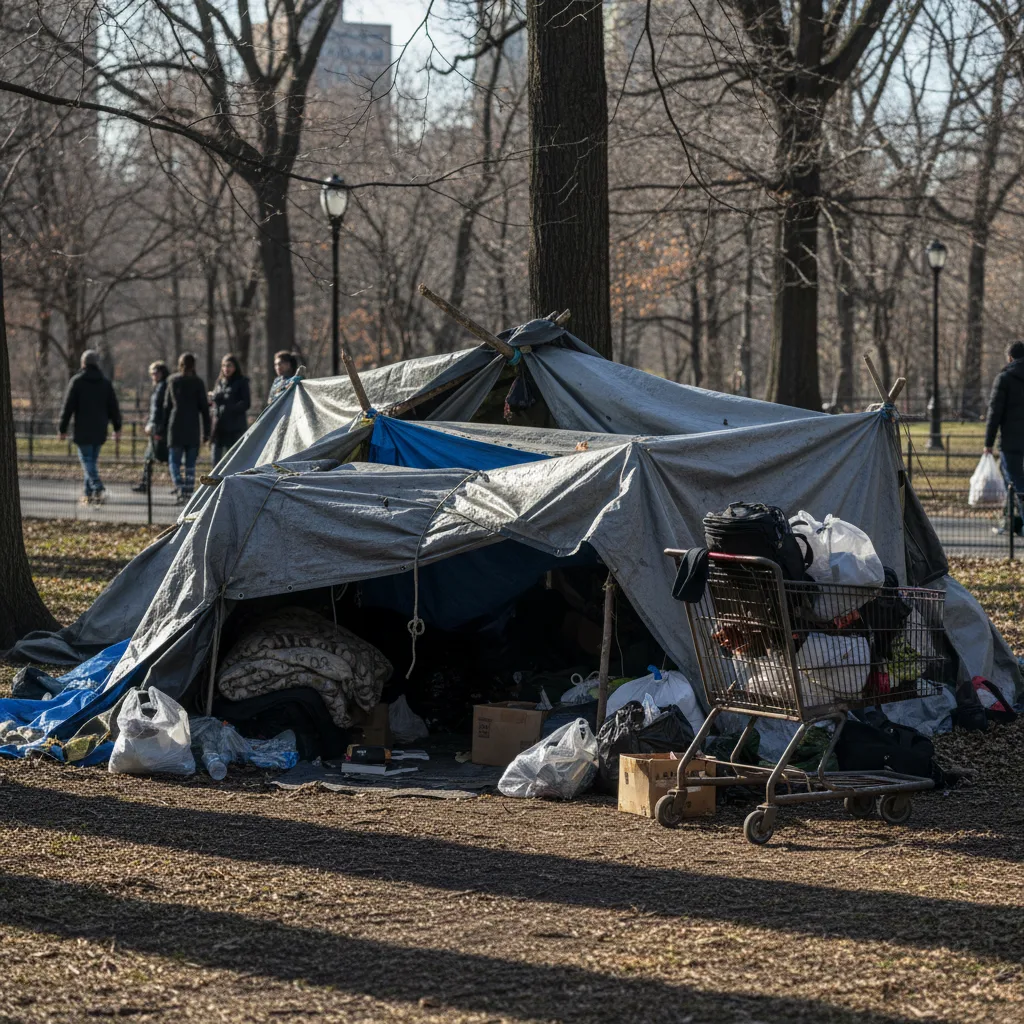
NYC Homeless Encampments Spotted Across Manhattan, Raising Concerns
Multiple homeless encampments have been spotted across Manhattan, raising significant concerns about urban policy and public safety. City officials are under pressure to address the growing homelessness crisis.
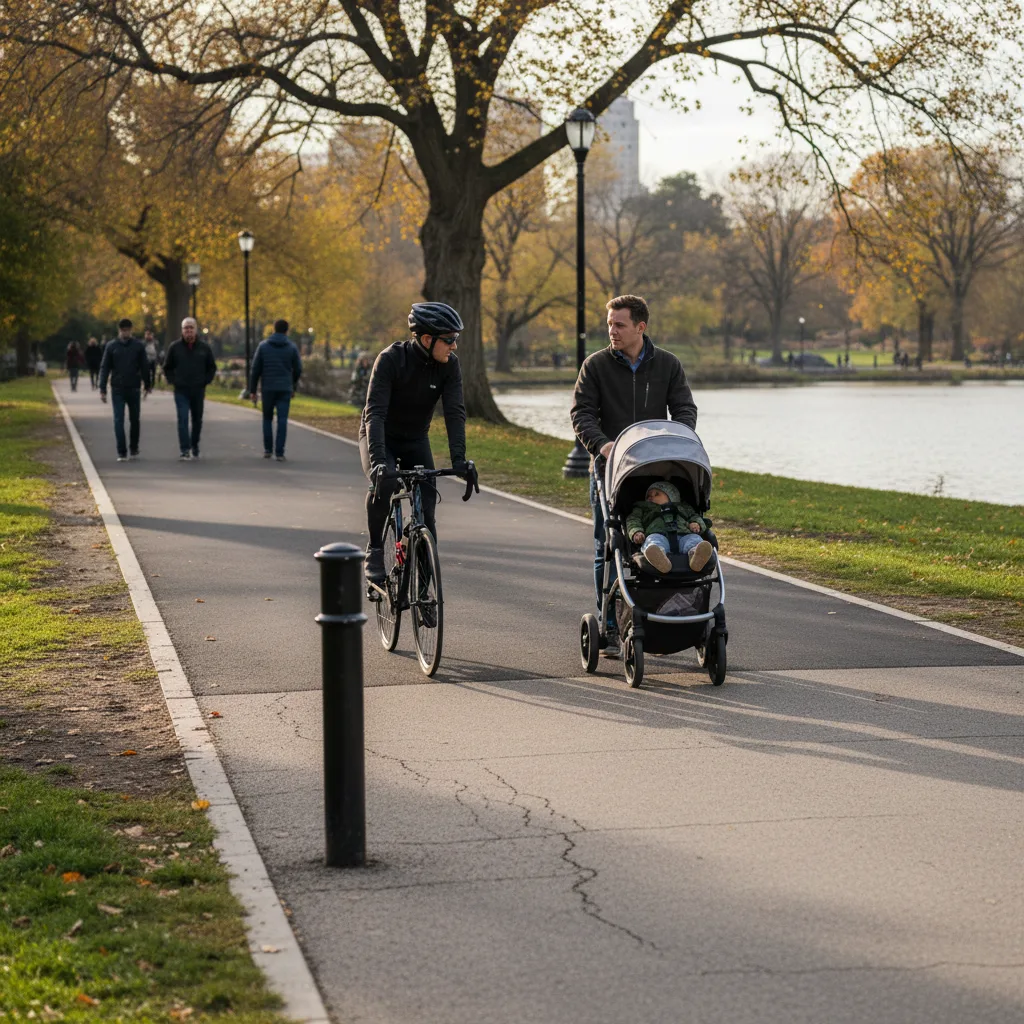
Safety Advocate Blames Park Redesign for Rising Central Park Cyclist Crashes
Safety advocates blame recent Central Park redesigns for a pedestrian's death and rising cyclist crashes, calling for urgent review of infrastructure.
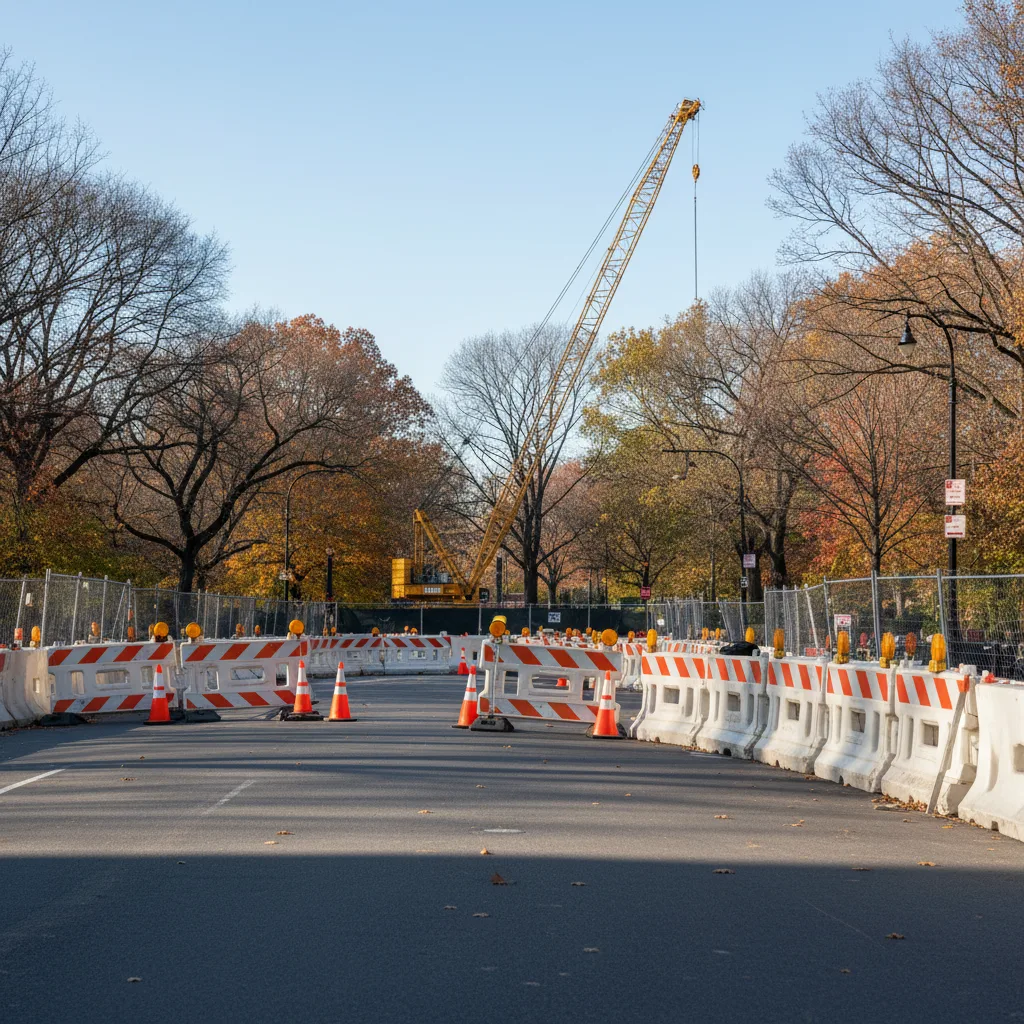
NYC DOT Advises Central Park Area Traffic Disruptions September 27
NYC DOT issued advisories for major traffic disruptions near Central Park on September 27, 2026, due to a parade and crane operations. Expect delays.

Davis Center at Harlem Meer Unveils State-of-the-Art Facilities
The new Davis Center at the Harlem Meer in Central Park's north end now features a state-of-the-art pool, ice rink, and multi-use turf field, enhancing community recreational options.
NYC City Record Confirms September 21, 2026, Publication Schedule
The NYC City Record confirmed its September 21, 2026, publication schedule, detailing administrative notices, procurement, and public hearings. This ensures transparency for municipal operations and public access to vital city information.