


Horse Carriage Overturns in Central Park, Driver Injured

NEW YORK — A horse-drawn carriage overturned in Central Park this past Monday morning, July 7, 2026, near the popular Grand Army Plaza entrance, resulting in injuries to the carriage driver and raising renewed questions about the safety of these iconic tours. The horse involved in the incident was reportedly unharmed, according to preliminary reports from emergency services.
The accident occurred just before 11:00 AM, a busy time for tourists and locals entering the park. Eyewitnesses described a chaotic scene as the carriage suddenly tipped, sending the driver to the ground. Fire Department of New York (FDNY) and NYPD units were quickly on the scene to secure the area and assist.
Incident Details and Driver's Condition
Details surrounding the cause of the accident are still under investigation by the NYPD’s Highway Collision Investigation Squad. Initial theories suggest a potential mechanical failure or an unexpected movement by the horse, though no definitive cause has been established.
The carriage driver, identified as 52-year-old Mark Jensen, suffered cuts and bruises and was transported by EMS to Mount Sinai West Hospital. His injuries are not considered life-threatening, and he is expected to make a full recovery, hospital officials confirmed.
"It happened so fast; one moment they were trotting along, and the next, the carriage was on its side," recounted Sarah Kim, a tourist visiting from Ohio, who witnessed the event from a nearby bench. "It was quite frightening to see. Luckily, no passengers were in the carriage at that exact moment." ABC7 New York provided initial coverage of the event on their local news portal, which you can read at ABC7 New York Central Park News.
Horse Welfare and Regulatory Oversight
The horse, a Belgian draft named 'Clyde,' was assessed by veterinarians on site and appeared to be uninjured, though visibly agitated. Animal care specialists were dispatched to ensure his well-being and transport him back to the stable for further observation.
This incident rekindles the long-standing debate over the ethical treatment and safety of horse-drawn carriages in New York City. Animal rights advocates have consistently called for a ban on the industry, citing concerns over horse welfare and public safety in a dense urban environment.
"This is yet another example of why horse carriages do not belong in Central Park," stated Edita Birnkrant, Executive Director of NYCLASS (New Yorkers for Clean, Livable, and Safe Streets), in a statement released after the incident. "These animals are not suited for city traffic, and these accidents, while rare, are always a risk to horses and humans alike."
Regulatory Framework and Safety Protocols
The horse carriage industry in New York City is regulated by the Department of Consumer and Worker Protection (DCWP), which issues licenses, conducts inspections, and sets operational guidelines. These regulations cover everything from horse health and stabling conditions to carriage maintenance and driver conduct.
Carriage operators are required to adhere to specific routes, speed limits, and rest periods for their horses. Daily veterinary checks are also mandated to ensure the animals are fit for work. The industry maintains that these regulations ensure a high standard of care and safety.
"Our drivers are highly experienced, and our horses receive top-notch care," asserted John O'Malley, spokesperson for the Central Park Carriage Association. "Accidents are extremely rare, but unfortunately, they can occur, just like with any vehicle. We cooperate fully with all investigations to understand what happened today." For information on other park safety measures, see Central Park Conservancy Newsroom.
Past Incidents and Legislative Efforts
While relatively infrequent, horse carriage accidents in Central Park have occurred in previous years, often reigniting public outcry and political debate. Past incidents have involved collisions with cars, horses bolting, or carriages tipping.
Various legislative efforts to ban horse carriages have been introduced in the New York City Council over the past decade, though none have successfully passed. Proponents of the ban often propose electric vehicles as an alternative for tourist rides.
Conversely, supporters of the carriage industry argue that it provides a livelihood for hundreds of individuals, is a beloved tourist attraction, and that the horses are well-cared for. They see the industry as a historical and cultural element of Central Park.
The Future of Central Park Carriages
This latest incident is likely to intensify calls for a reevaluation of the horse carriage industry's presence in Central Park. The Mayor's office and City Council members are expected to face renewed pressure from both sides of the issue.
Any decision to alter or abolish the industry would have significant economic and cultural implications for the city. Debates will continue to balance tradition, animal welfare, public safety, and economic impact in this complex urban environment.
In the immediate term, the NYPD's investigation will be critical in determining the precise cause of Monday's overturning. Its findings could influence future policy decisions regarding Central Park's horse-drawn carriages, a long-standing fixture at the park's south end.
Frequently Asked Questions About Central Park Horse Carriages
What happened with the horse carriage in Central Park? On Monday, July 7, 2026, a horse-drawn carriage overturned near the Grand Army Plaza entrance of Central Park. The carriage driver sustained non-life-threatening injuries, and the horse was reported to be unharmed.
What is the current status of the investigation? The NYPD's Highway Collision Investigation Squad is actively investigating the incident to determine the cause, which could be a mechanical failure or an unexpected movement by the horse. No definitive cause has been released publicly yet.
What is the ongoing debate about horse carriages in Central Park? There is a long-standing debate between animal rights advocates, who call for a ban on the industry citing welfare and safety concerns, and industry supporters, who defend it as a safe, traditional tourist attraction and a source of livelihoods. This incident is expected to reignite those discussions.
Related Articles
More in Park Operations & Maintenance →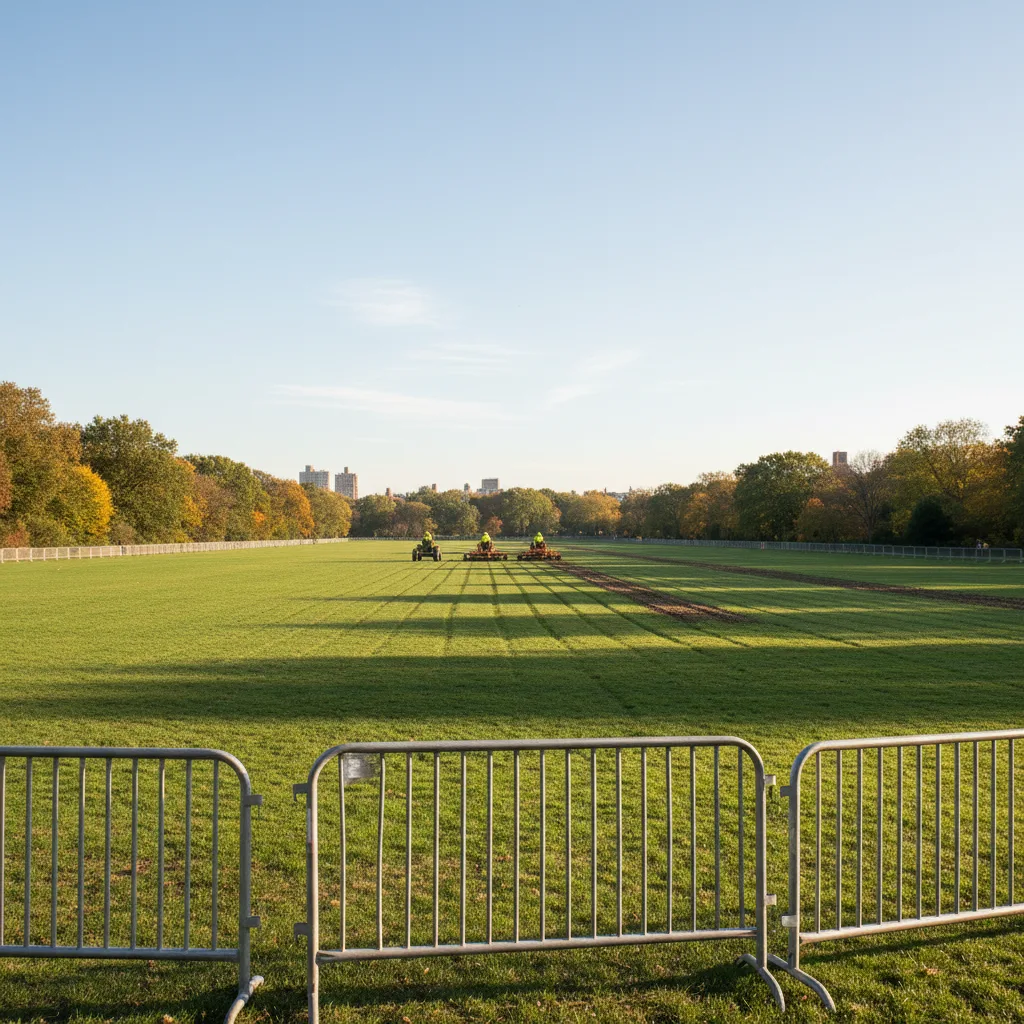
Central Park Conservancy Closes Great Lawn for Scheduled Maintenance
The Central Park Conservancy closed the Great Lawn through October 2, 2026, for scheduled maintenance, impacting weekend activities. Essential upkeep ensures the iconic green space remains vibrant for visitors.
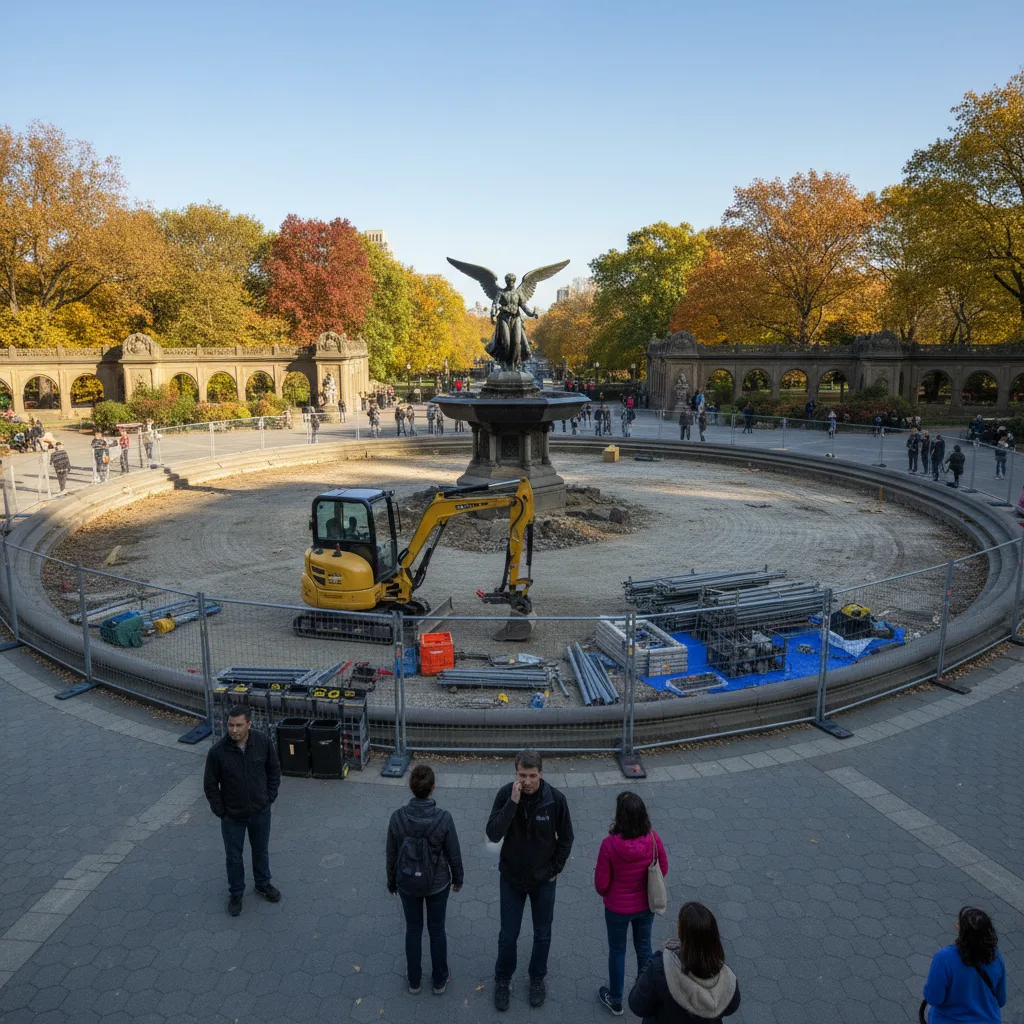
Central Park Conservancy Announces Bethesda Fountain, Great Lawn Closures
Central Park Conservancy announced Bethesda Fountain is off for restoration and the Great Lawn closed through October 2, 2026 for maintenance, affecting visitor access.
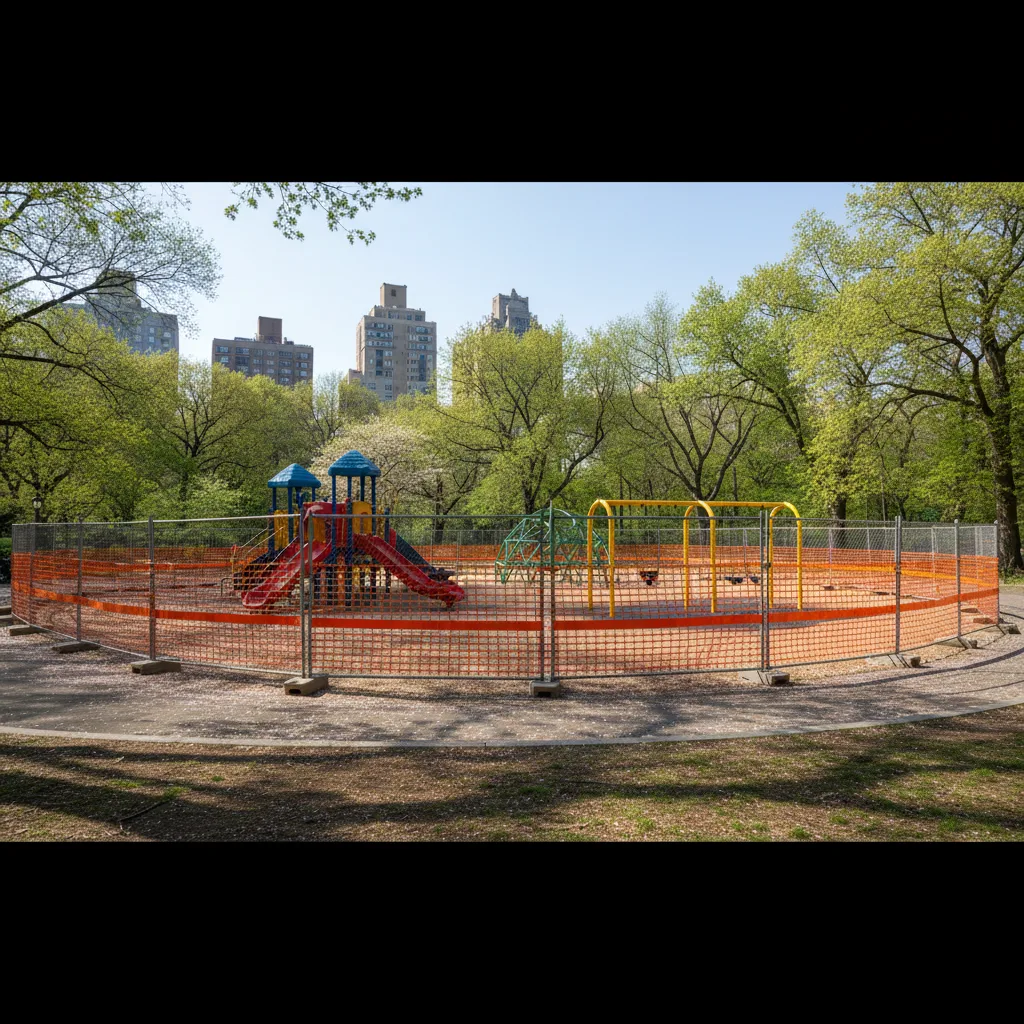
Central Park Conservancy Closes East 110th Street Playground for Restoration
Central Park Conservancy closed the East 110th Street Playground for restoration, while North Meadow and Heckscher ballfields shut due to weather. Plan your visit; check alerts for closures impacting recreation in Central Park.
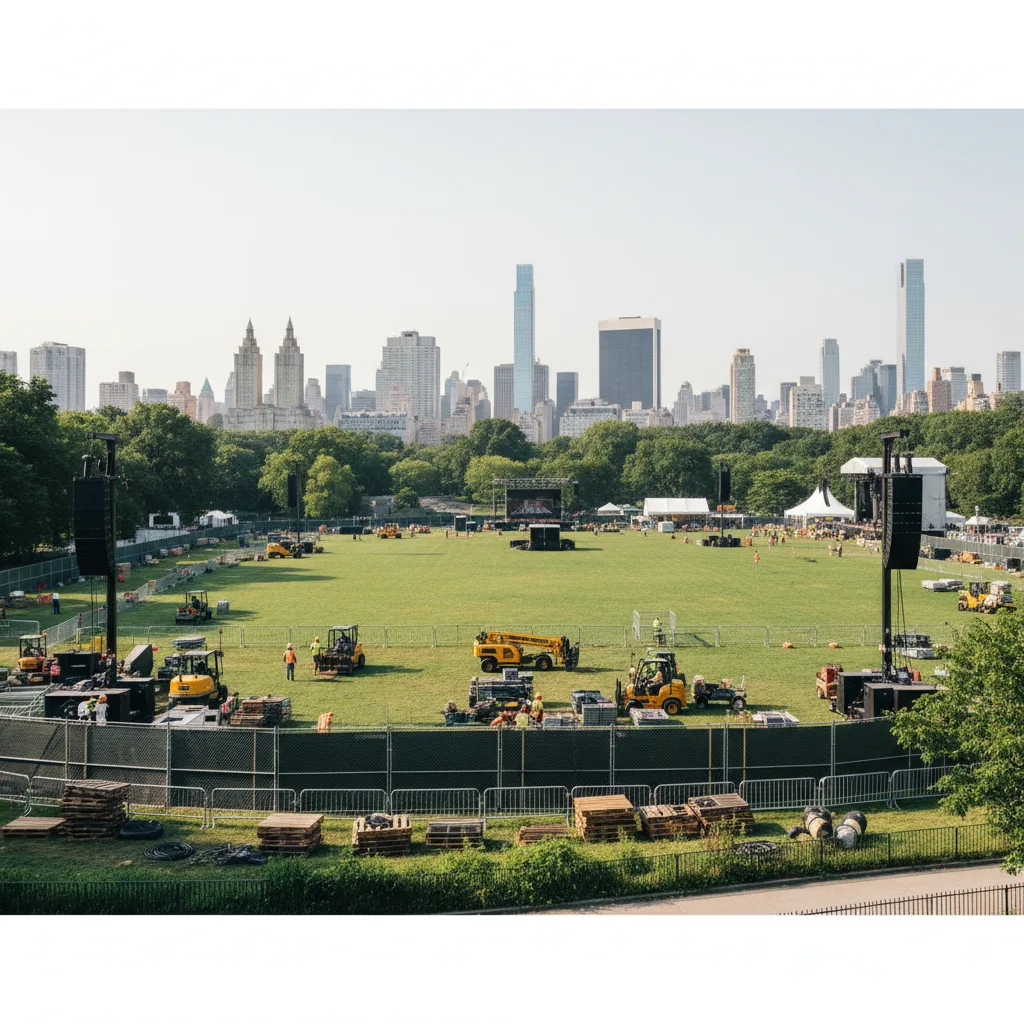
Central Park Conservancy Closes Great Lawn for Global Citizen Festival
Central Park Conservancy confirmed the Great Lawn is closed through September 26, 2026, for the Global Citizen Festival, affecting access to Belvedere Castle and Turtle Pond. Local residents and visitors should plan alternate routes and expect traffic delays around the park's perimeter.
Central Park Conservancy Confirms 2026 Daily Operating Hours
Central Park Conservancy confirms 2026 daily hours: 6:00 a.m. to 1:00 a.m. This notice is for visitor planning, not a change.
Central Park Conservancy Announces Park Hours Update for 2026
Central Park Conservancy announced updated 2026 park hours, maintaining 6:00 a.m. to 1:00 a.m. access daily. This schedule balances public enjoyment with critical maintenance and security operations.