


Iran Attacks Kuwaiti Port; NYC Finance Community Eyes Global Impact

NEW YORK — Iran launched drone and cruise missile attacks on Kuwait's Mubarak Al Kabeer Port on Friday, March 27, 2026, targeting a critical facility under construction as part of China's ambitious Belt and Road Initiative. The attack caused material damage but, fortunately, no reported injuries, marking a concerning escalation in regional hostilities.
This incident is one of the first times Chinese-affiliated infrastructure in Gulf Arab states has been targeted in the ongoing war, despite China's continued purchases of Iranian crude oil. The strategic implications are reverberating through Manhattan's business and international finance community, particularly among professionals working in and around Central Park.
Kuwaiti Port Targeted by Iranian Forces
Early Friday, Kuwait's Mubarak Al Kabeer Port became the target of a sophisticated attack involving both drones and cruise missiles, as reported by KSAT. The assault resulted in significant material damage to the port’s nascent infrastructure, though Kuwaiti authorities confirmed no personnel were injured.
The port, a centerpiece of Kuwait's economic diversification strategy, is designed to enhance its role as a regional trade hub. It holds particular significance as a key project within China's expansive Belt and Road Initiative (BRI), connecting Asia, Africa, and Europe through a vast network of infrastructure.
This strike underscores the increasing volatility in the Persian Gulf, a region vital to global energy markets and international trade. The precision and nature of the attack indicate a deliberate targeting of strategic assets within the region, raising alarm bells worldwide.
Chinese Belt and Road Initiative Implications
The targeting of the Mubarak Al Kabeer Port carries substantial implications for China's Belt and Road Initiative. The BRI aims to create new trade routes and enhance economic connectivity, with investments in infrastructure projects across dozens of countries.
An attack on a BRI facility introduces a new dimension of risk for China's global economic ambitions. It highlights the vulnerability of these vast investments to regional conflicts and political instability, potentially deterring future participation or increasing insurance costs for projects.
Despite the attack, China has maintained its economic ties with Iran, continuing to purchase Iranian crude oil. This complex relationship between China, Iran, and the Gulf states is now under even greater scrutiny as the conflict broadens beyond traditional U.S.-Iran tensions.
Manhattan's Financial Hub Reacts
The news of the attack has sparked intense discussions within Manhattan's business and international finance community. Given New York's role as a global financial hub, events that threaten international trade and energy stability are closely monitored.
Professionals in finance, shipping, and international trade, many of whom reside or work near Central Park, are analyzing the strategic implications. "An attack like this on a major trade artery, especially one involving China, sends shivers down the spine of the global market," commented a senior analyst at a firm near Columbus Circle.
Concerns about potential supply chain disruptions are paramount. Any instability in the Gulf region, a crucial passage for global commerce and energy, can quickly lead to ripple effects across world markets, affecting everything from oil prices to consumer goods costs.
Broadening Scope of Middle East Conflict
The attack on a Kuwaiti port marks a significant broadening of the Middle East conflict, moving beyond traditional clashes and directly involving infrastructure linked to major global economic powers. This expansion complicates efforts to de-escalate tensions and find diplomatic solutions.
The incident suggests a willingness by Iranian forces to target a wider range of assets, including those with significant international investment. This strategy could draw more global actors into the conflict, further increasing the risk of miscalculation and escalation.
International bodies and diplomatic channels are now under immense pressure to address this new dimension of the conflict, seeking to prevent further attacks on critical global infrastructure. The need for a coordinated international response has never been more urgent.
Potential for Global Economic Disruption
The targeting of the Mubarak Al Kabeer Port presents a clear potential for global economic disruption. The Persian Gulf is a lifeline for international trade, particularly for oil and gas shipments, and attacks on its infrastructure can trigger severe market volatility.
Increased shipping costs due to higher insurance premiums and diverted routes could impact global supply chains, leading to inflation and economic slowdowns worldwide. For a global financial center like New York, such disruptions are closely watched indicators of economic health.
Analysts are assessing various scenarios, from short-term market corrections to more sustained economic challenges if the conflict continues to broaden and escalate. The intersection of Chinese economic interests, Iranian aggression, and U.S. military posturing (as detailed in previous reports, such as the WSLS report on Mideast escalation) creates a complex and uncertain outlook.
Frequently Asked Questions on Geopolitical Risk
How do global conflicts affect New York's financial markets? Global conflicts, especially those involving major trade routes or energy supplies, can significantly impact New York's financial markets by increasing volatility in commodity prices (like oil), disrupting supply chains, and creating uncertainty for investors. This often leads to shifts in investment strategies and heightened risk assessments.
What is China's Belt and Road Initiative, and why is it important? China's Belt and Road Initiative (BRI) is a vast global infrastructure development strategy aimed at enhancing connectivity and cooperation among countries. It involves massive investments in roads, railways, ports, and energy pipelines. It is important because it reshapes global trade routes, extends China's economic and geopolitical influence, and offers development opportunities to participating nations.
How can businesses mitigate risks from global supply chain disruptions? Businesses can mitigate risks by diversifying their supply chains, maintaining larger inventories, investing in resilient logistics, and utilizing advanced data analytics to anticipate potential disruptions. Developing strong relationships with multiple suppliers and understanding geopolitical risks are also crucial strategies. Many firms in Manhattan's financial district advise clients on these very issues.
What are the roles of international organizations in such conflicts? International organizations like the United Nations play crucial roles in mediating conflicts, promoting diplomacy, and coordinating humanitarian aid. They often work to establish ceasefire agreements, monitor compliance, and provide platforms for dialogue between warring parties. Their efforts are vital for de-escalation and long-term peacebuilding.
How do New Yorkers stay informed about international geopolitical events? New Yorkers stay informed through a variety of sources, including major international news outlets, financial news services, think tank analyses, and community discussions. Many residents with global ties follow developments closely, sharing insights and perspectives in forums, cafes, and even casual conversations in Central Park, contributing to a well-informed populace.
Related Articles
More in Urban Policy & Development →
NYC Mayor Mamdani Booed at Union Square October 7 Vigil
Mayor Mamdani faced boos and protests at a Union Square vigil Thursday marking the Oct. 7 attacks, highlighting deep community divisions in NYC.
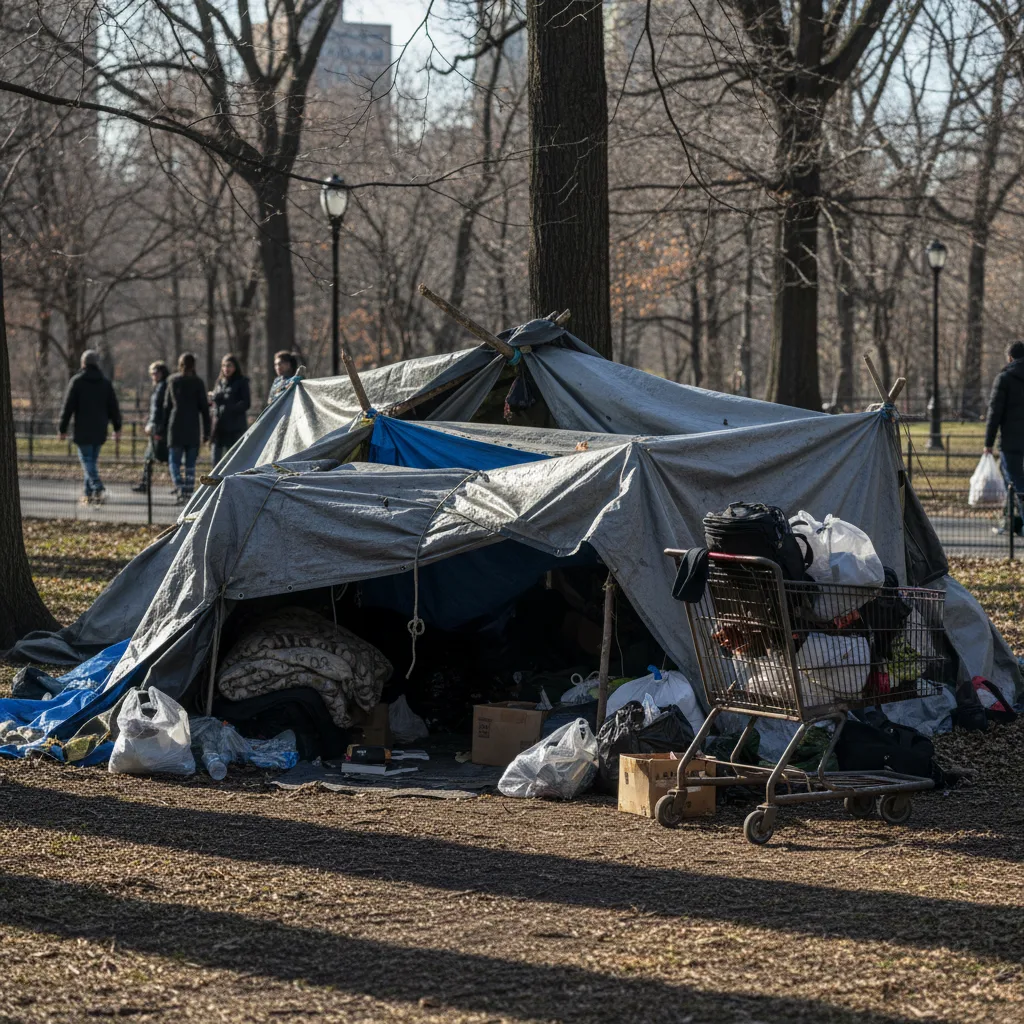
NYC Homeless Encampments Spotted Across Manhattan, Raising Concerns
Multiple homeless encampments have been spotted across Manhattan, raising significant concerns about urban policy and public safety. City officials are under pressure to address the growing homelessness crisis.

Safety Advocate Blames Park Redesign for Rising Central Park Cyclist Crashes
Safety advocates blame recent Central Park redesigns for a pedestrian's death and rising cyclist crashes, calling for urgent review of infrastructure.
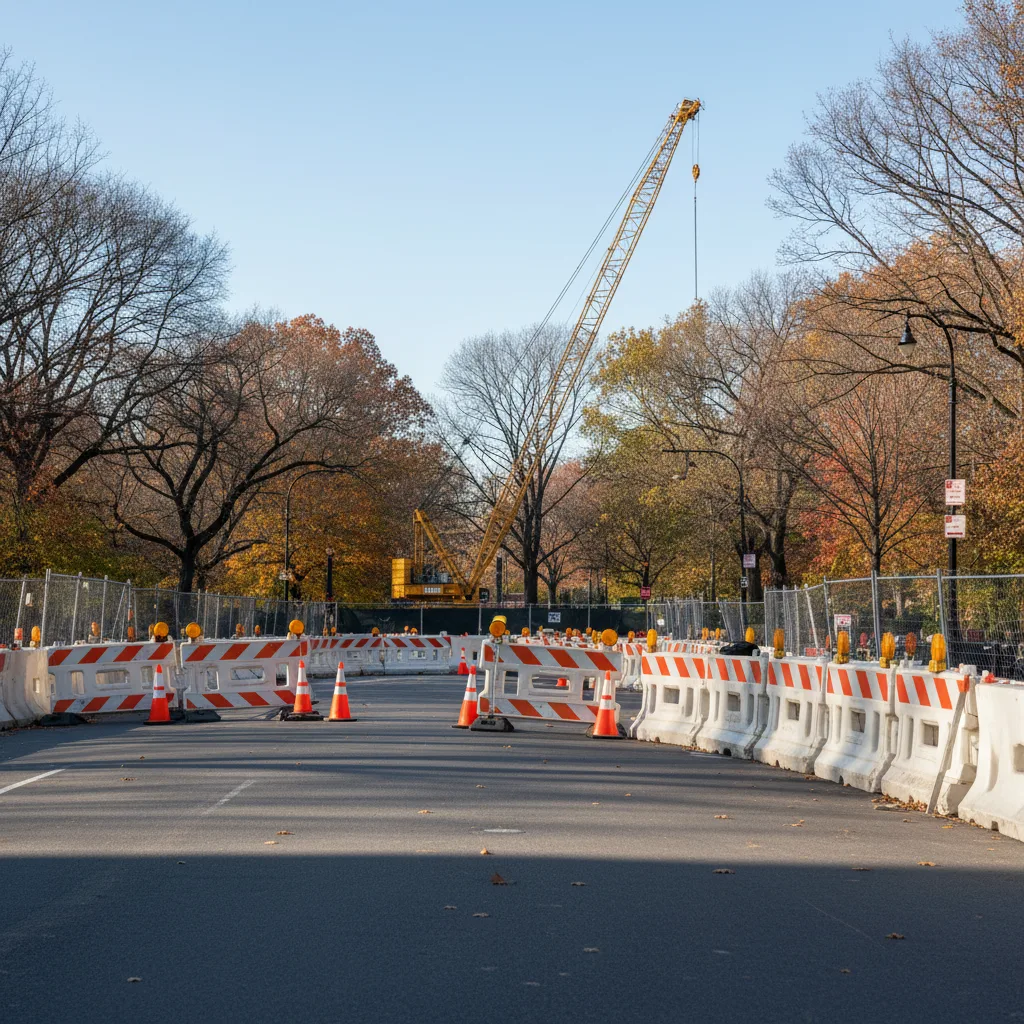
NYC DOT Advises Central Park Area Traffic Disruptions September 27
NYC DOT issued advisories for major traffic disruptions near Central Park on September 27, 2026, due to a parade and crane operations. Expect delays.

Davis Center at Harlem Meer Unveils State-of-the-Art Facilities
The new Davis Center at the Harlem Meer in Central Park's north end now features a state-of-the-art pool, ice rink, and multi-use turf field, enhancing community recreational options.
NYC City Record Confirms September 21, 2026, Publication Schedule
The NYC City Record confirmed its September 21, 2026, publication schedule, detailing administrative notices, procurement, and public hearings. This ensures transparency for municipal operations and public access to vital city information.