


Iran Conflict Escalation Sparks Anxiety Near Central Park

NEW YORK — The escalating conflict in Iran, marked by intensified U.S. and Israeli bombings, has sparked profound anxiety among residents near Central Park, raising fears of global instability and potential terror threats to New York City. Reports of 787 deaths since Saturday, March 29, 2026, and devastating attacks on civilian targets, including a school, have dominated conversations in local cafes and park benches.
Joggers and dog walkers in Central Park are frequently observed huddled around their phones, sharing clips of Tehran explosions and debating the implications of the ongoing conflict. This immediate community response highlights how global crises can profoundly impact local sentiments and daily life in Manhattan.
Manhattan Residents Fear Terror Threats
The intensified bombings across Iran, striking 153 cities and over 500 sites, have not only resulted in a tragic death toll but have also ignited widespread apprehension in New York City. Affluent Manhattan residents, in particular, are expressing significant anxiety over potential terror threats that could target the city.
Discussions in Upper East Side cafes frequently revolve around the conflict's potential to destabilize international relations further. The memory of past terror attacks in NYC contributes to a heightened sense of vulnerability, prompting calls for increased security awareness in public spaces like Central Park. For detailed headlines on the conflict, visit Democracy Now.
Economic Worries: Skyrocketing Gas Prices
Beyond security concerns, the conflict's economic ramifications are a major talking point near Central Park. Local cafes buzz with conversations fearing skyrocketing gas prices, which residents anticipate will significantly impact their daily commutes and overall cost of living.
One Upper East Sider was overheard telling a group, “This could be World War III right before our summer plans.” This sentiment reflects a broader worry that the conflict will disrupt global markets, leading to inflation that hits home hard, from transportation costs to consumer goods.
Impromptu Community Meetings and Anti-War Vigils
The deep concern among Central Park-area residents has led to impromptu community board meetings popping up on park benches. These gatherings serve as informal forums for discussion and collective action, demonstrating a proactive community spirit.
Calls for anti-war vigils along Fifth Avenue have emerged from these discussions, reflecting a desire to express dissent and promote peace. These vigils aim to provide a public space for grieving and advocating for de-escalation, channeling local anxiety into organized public demonstrations. The community is visibly seeking avenues for collective response.
Impact on Daily Routines and Social Fabric
The gravity of the Iran conflict has permeated daily routines around Central Park. Morning jogs are punctuated by news updates, and casual dog walks become opportunities for serious political discourse. This shift illustrates how a distant international crisis can directly influence the social fabric of a major metropolis.
While the park usually offers an escape, the persistent discussions about global events show that even in this urban oasis, residents remain deeply connected to world affairs. The conflict has undeniably introduced a new layer of tension into everyday interactions and personal reflections.
Local Officials Monitor Situation Closely
New York City officials, including the Mayor's office and NYPD, are closely monitoring the evolving situation in Iran and its potential implications for the city. They are engaging with federal agencies to assess threats and ensure robust security protocols remain in place.
Statements from local leadership have aimed to reassure residents while acknowledging the seriousness of the global events. The city's preparedness for various contingencies is a continuous effort, especially when international tensions escalate, highlighting the critical role of readiness.
Frequently Asked Questions About the Iran Conflict's Local Impact
How is the Central Park community reacting to the Iran conflict escalation? Central Park joggers and dog walkers are discussing the conflict, sharing news, and debating its implications. Affluent Manhattan residents are anxious about potential terror threats to NYC and worry about skyrocketing gas prices impacting their commutes and summer plans. Impromptu community meetings have also formed to discuss the crisis.
What specific concerns are residents voicing near Central Park? Residents are primarily concerned about potential terror threats to New York City stemming from the escalated conflict. They also express significant anxiety about the economic impact, particularly the sharp rise in gas prices, fearing broader inflation and disruptions to daily life.
Are there any organized responses from the Central Park community? Yes, informal community board meetings have spontaneously appeared on park benches to discuss the crisis. Additionally, there have been calls for anti-war vigils along Fifth Avenue, reflecting a collective desire for peace and a platform to express dissent against military escalation.
How are everyday activities in Central Park affected by the global news? Daily routines are subtly impacted, as typically leisurely activities like jogging and dog walking now often include discussions and news updates about the Iran conflict. The park, usually a respite, has become a space where global events are actively processed and debated by residents, influencing social interactions.
What is the broader sentiment among Manhattan residents regarding this international crisis? There is a widespread sentiment of anxiety and concern among Manhattan residents. Many fear that the conflict could escalate into a broader global crisis, impacting everything from personal finances to international security, leading to significant unease within the community.
Related Articles
More in Park Events →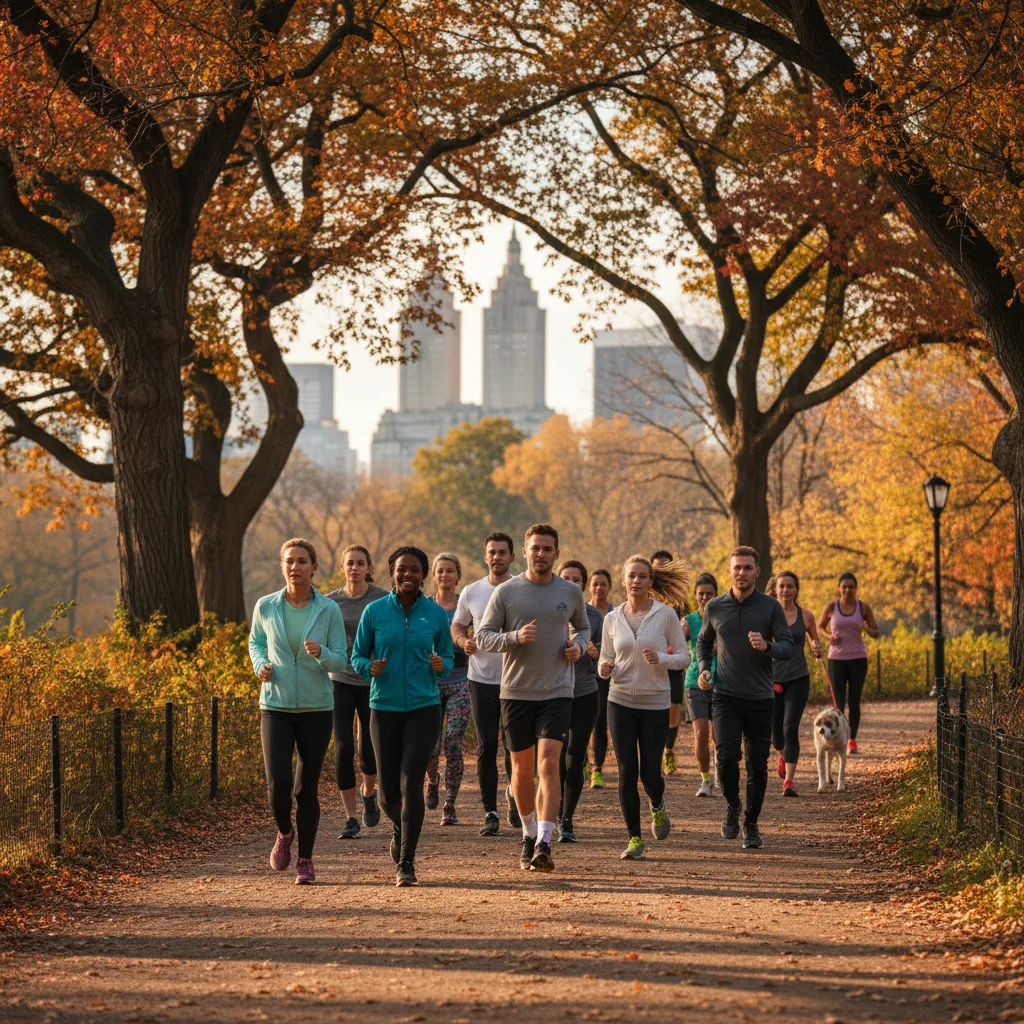
Central Park Lists José Julián Martí Run, Judith Wolfe Program October 7, 2026
Central Park highlights two key events for October 7, 2026: a José Julián Martí fitness run and a Judith Wolfe Kids & Family program, enriching park activities.
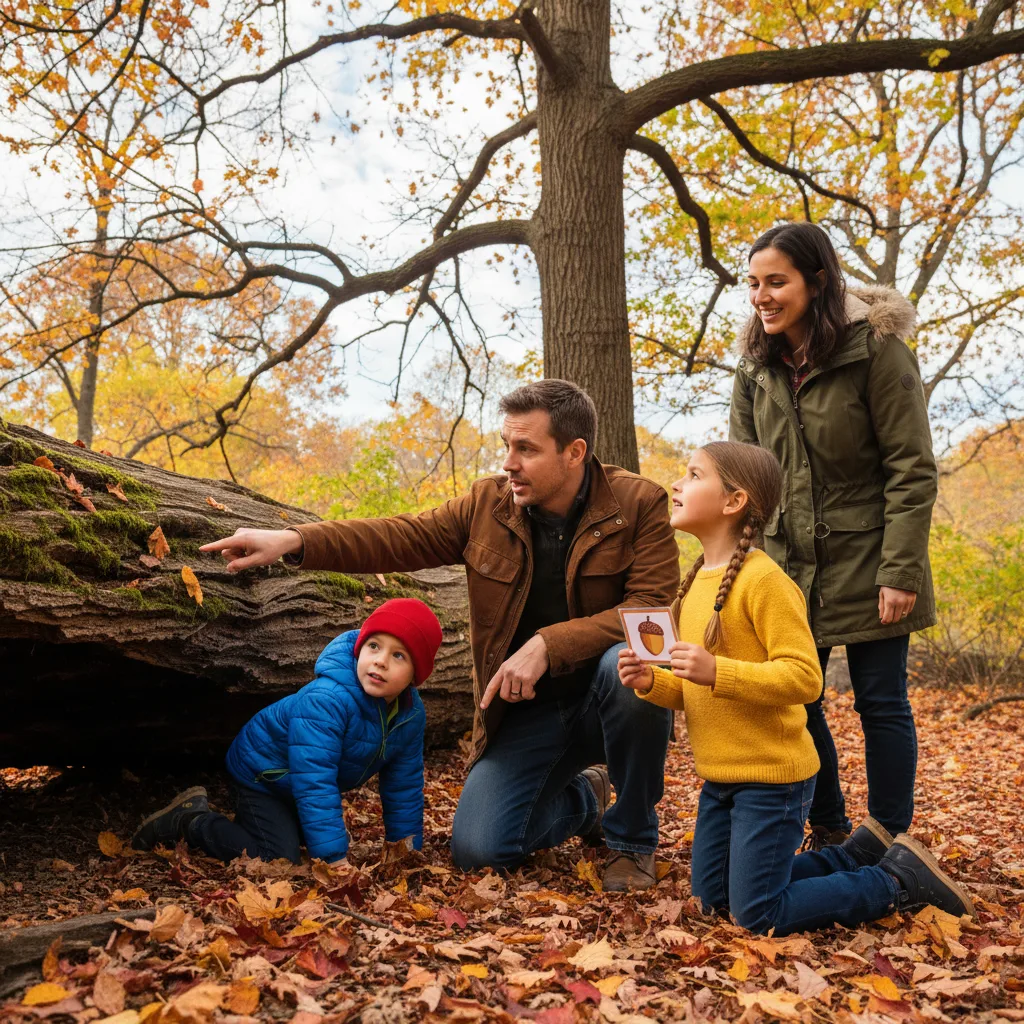
Central Park Celebrates October 2026 with Fall Foliage and Family Fun
Central Park offers a robust October 2026 calendar, featuring the new "Wonder in the Woods" family scavenger hunt on Oct 3 and the Film Festival Oct 6-9. Discover fall foliage and diverse events.
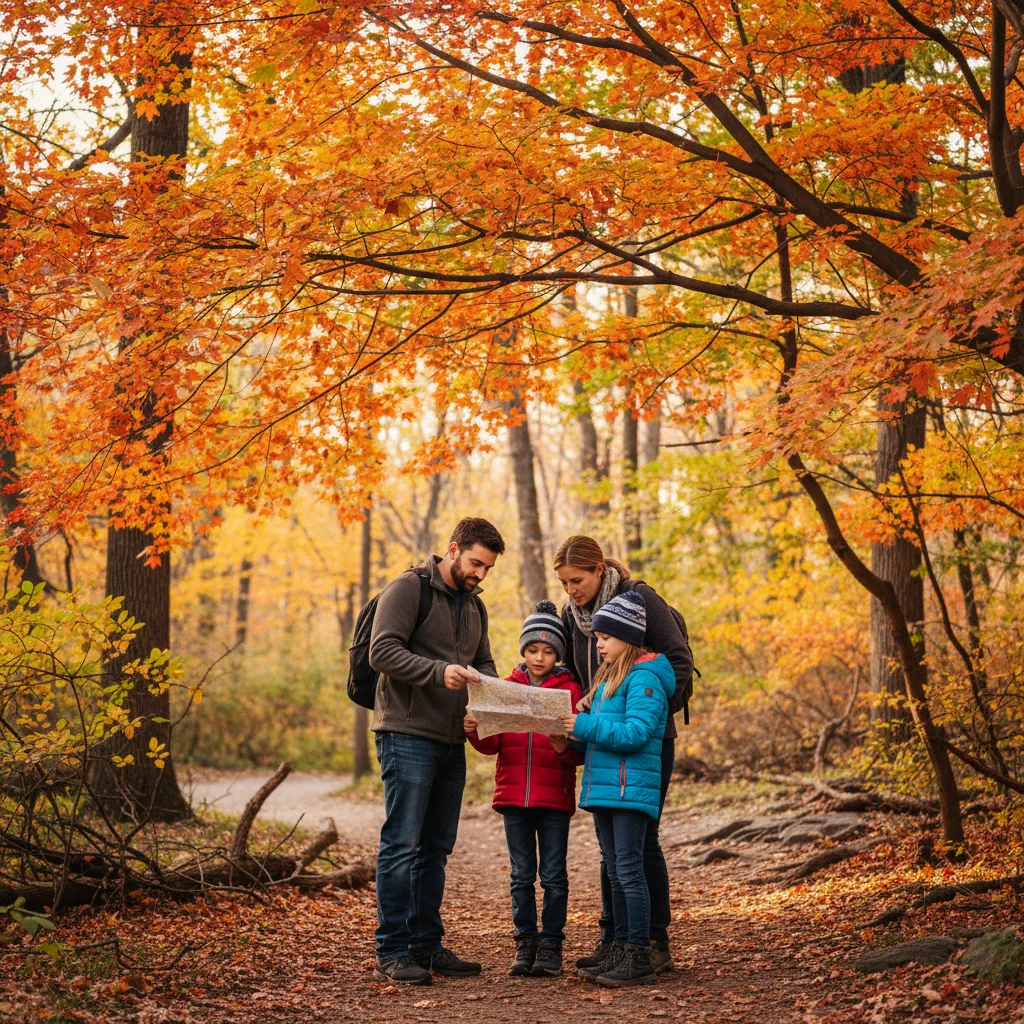
Central Park Conservancy Announces Wonder in the Woods Family Event
Central Park Conservancy announced "Wonder in the Woods," a free family scavenger hunt in the North Woods on October 3, 2026. This event connects locals with nature, offering a unique fall park experience for all ages.
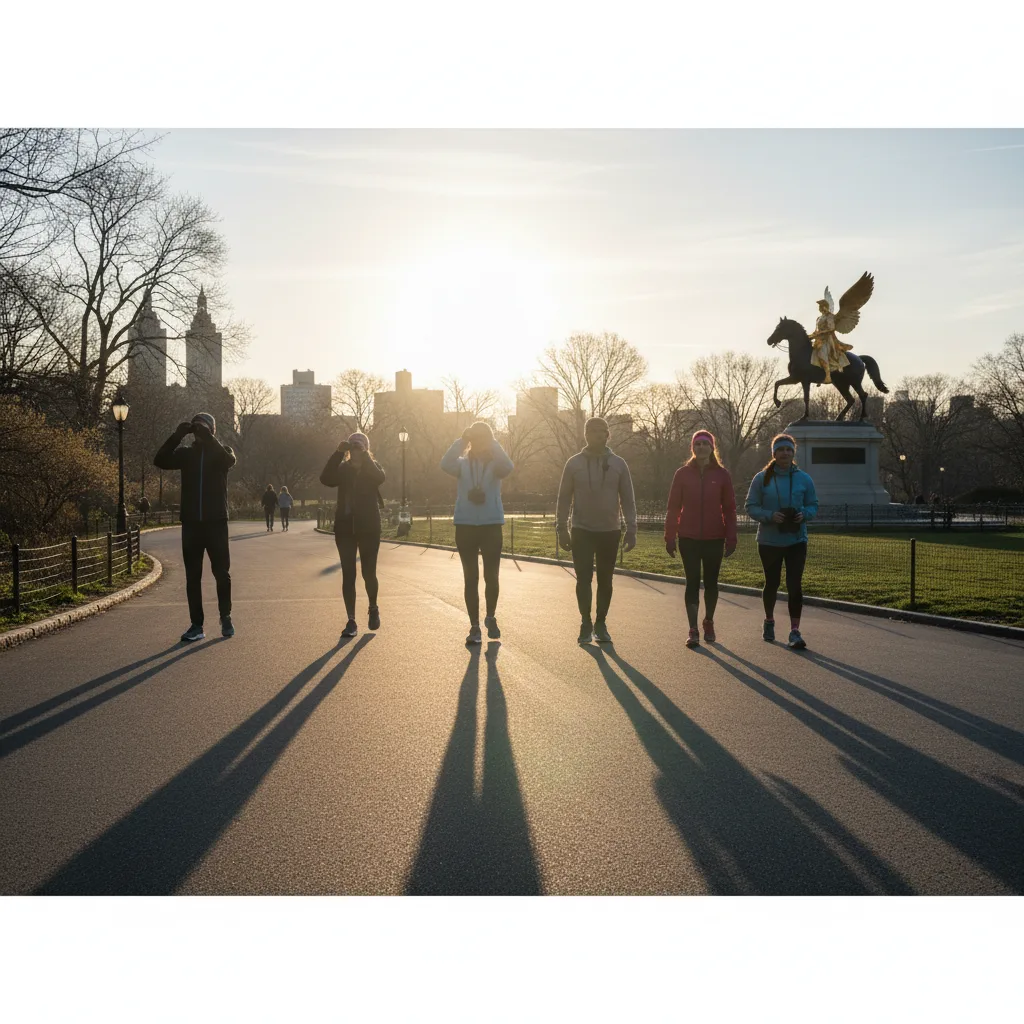
Central Park Boathouse Offers Sunrise Wellness Walk October 3, 2026
CentralPark.com highlights a Sunrise Wellness Walk and bird watching tour at the Boathouse on October 3, 2026. This offers locals a unique way to start their day, connecting with nature and fitness in the park.
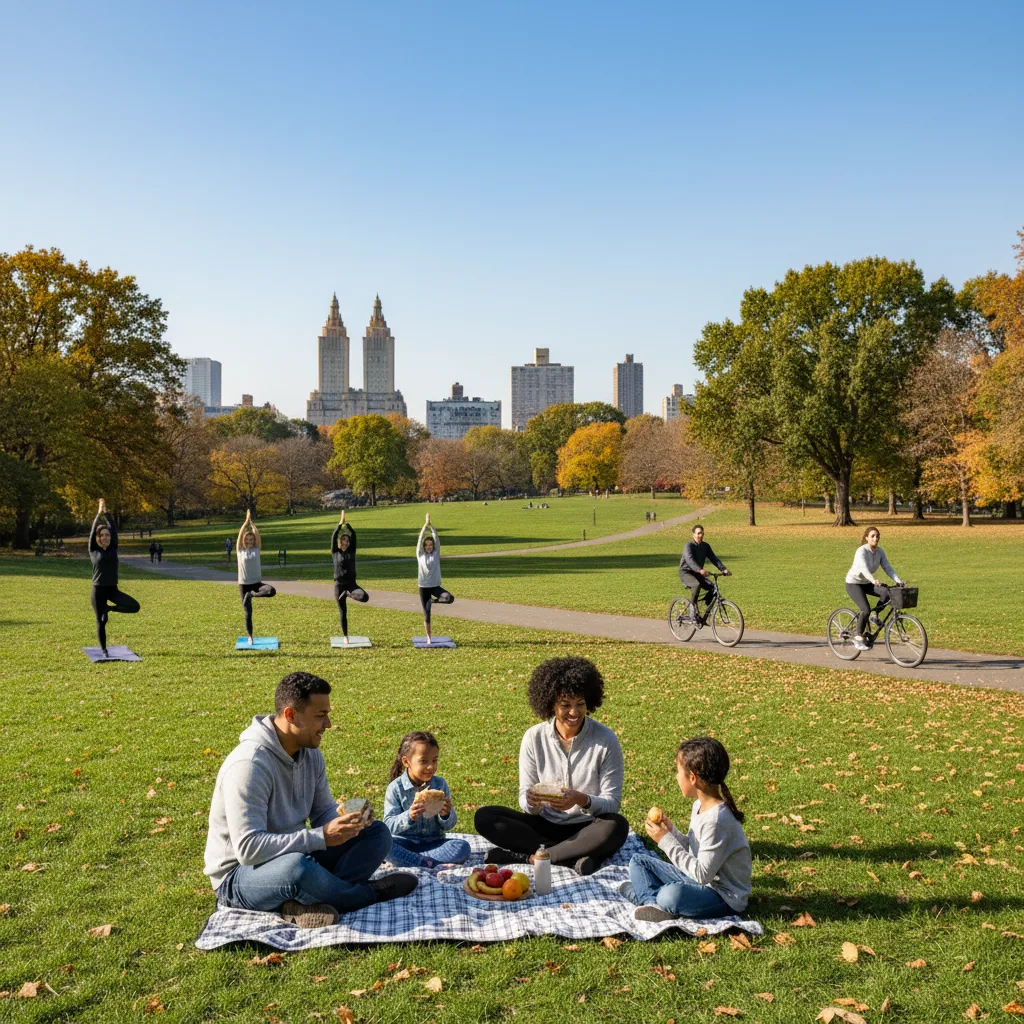
Patch Calendar Confirms Central Park Events for October 2, 2026
Patch's Central Park calendar confirms a diverse schedule of Central Park events for October 2, 2026. This resource helps locals plan their day in the park.
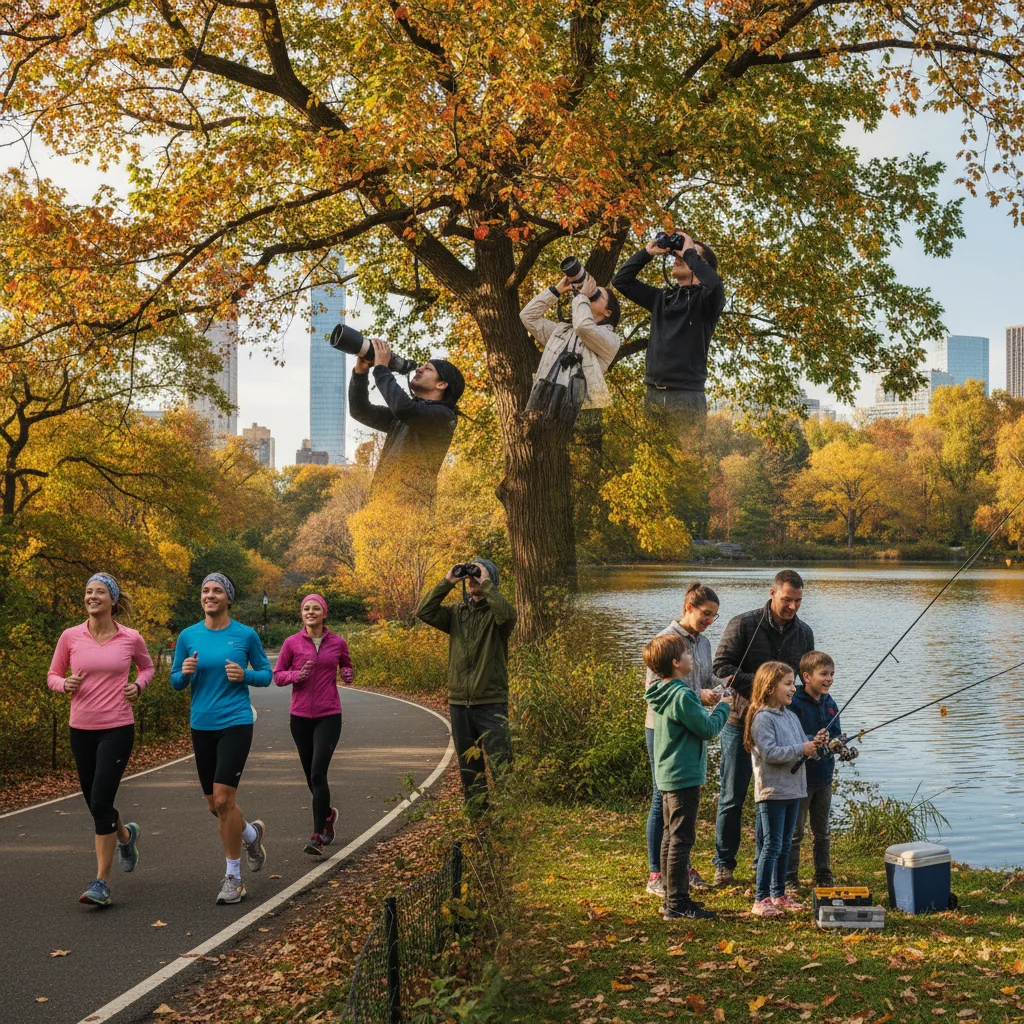
Central Park Visitors Experience Diverse Activities October 2, 2026
Central Park visitors can choose from diverse activities on October 2, 2026, including bird watching, running tours, and zoo events. A festival is also happening.