


Iran Missile Strike Hits Tel Aviv, Central Park Community Holds Peace Vigils

NEW YORK — Iran launched a missile strike on the Tel Aviv area, marking a significant escalation in the US-Israel war, now in its fourth week, with mounting casualties and infrastructure damage. This retaliatory action has sent shockwaves globally, prompting fears of wider conflict and resource shortages. In response, Central Park picnickers and runners are voicing concerns over World War III, while local community groups organize impromptu peace vigils near Bethesda Fountain.
Manhattan locals at park benches are discussing the Tel Aviv strike in hushed tones, often praising Israel's restraint on energy sites while criticizing the broader escalation. Nearby businesses, including food trucks, report fewer customers, attributing the decline to war-driven inflation. The unfolding geopolitical events are profoundly impacting the local psyche and economy, extending far beyond the conflict zone itself.
Global Conflict Spurs Local Anxiety
The recent missile strike on Tel Aviv has intensified global anxieties, directly affecting the daily lives and sentiments of Central Park residents. Picnickers and runners within the park are overheard expressing fears of a potential World War III, highlighting the psychological toll of international instability. This concern is not merely abstract; it translates into tangible changes in behavior, such as families cutting back on weekend outings due to spiking fuel costs impacting travel plans.
This localized anxiety demonstrates how interconnected global events are with community well-being, even in a city far removed from direct conflict. The park, usually a place of leisure and escape, has become a venue for serious reflection and discussion on pressing global issues. Residents are grappling with the implications of the conflict on their personal safety and economic stability.
Economic Repercussions and Central Park Businesses
War-driven inflation is casting a shadow over local businesses adjacent to Central Park. Food trucks, often a vibrant part of the park's culinary landscape, are reporting a noticeable decrease in patronage. Customers are reportedly tightening their budgets in response to rising prices for essentials, a direct consequence of global energy supply disruptions and market uncertainty.
This economic downturn for park-adjacent vendors reflects a broader trend of consumers adjusting spending habits in the face of inflationary pressures. The escalating conflict threatens global energy supplies, with strikes on facilities like the South Pars gas field raising fears of severe shortages. Such developments directly influence the cost of goods and services, affecting everything from daily commutes to weekend recreational activities. Explore the Euronews video for strike details.
Peace Vigils and Calls for Diplomacy
In a tangible expression of local concern, community groups have organized impromptu peace vigils near Central Park’s iconic Bethesda Fountain. Participants are chanting for diplomacy and peaceful resolutions, reflecting a collective desire to see an end to the escalating violence. These gatherings underscore the community's yearning for de-escalation and international cooperation.
These vigils serve as a public forum for expressing solidarity with affected regions and advocating for non-military solutions to complex geopolitical challenges. The symbolism of Bethesda Fountain, a gathering point for diverse communities, amplifies the message of unity and peace. Such grassroots efforts demonstrate the power of local communities to engage with global issues.
Threat to Cultural Heritage and Global Stability
The ongoing conflict not only poses a threat to human lives and economic stability but also places invaluable cultural heritage sites at risk. UNESCO has issued warnings regarding the potential for damage to historical landmarks and archaeological treasures in the affected regions. This concern resonates with those in New York City who value cultural preservation and global heritage.
Beyond the immediate conflict zone, the escalating war fuels fears of widespread instability, impacting international relations and global security frameworks. The interconnectedness of modern societies means that conflict in one region can quickly destabilize others, leading to humanitarian crises and economic shocks. The protection of cultural sites is often overlooked but remains a critical aspect of preserving global identity.
Daily Life Adjustments in Manhattan
Manhattan residents are making practical adjustments to their daily lives in response to the anxieties stemming from the Tel Aviv strike and broader conflict. Discussions on park benches often involve careful consideration of household budgets and future financial planning. Families are reportedly re-evaluating discretionary spending, with weekend plans being curtailed due to the rising costs of fuel and other goods.
This shift in consumer behavior and lifestyle choices indicates a deep-seated concern among the local populace about the long-term implications of sustained global conflict. The previously vibrant urban rhythm experiences subtle but significant alterations as residents navigate uncertainty. For more context on global impacts, read the full Euronews report.
Frequently Asked Questions About the Iran-Israel Conflict and Local Impact
What happened in the recent escalation of the US-Israel war? Iran launched a missile strike on the Tel Aviv area, marking a significant escalation in the conflict. How are Central Park residents reacting to this development? Central Park picnickers and runners are expressing fears of World War III, and local community groups are holding peace vigils. How is the conflict affecting local businesses near Central Park? Food trucks and other nearby businesses are reporting fewer customers due to war-driven inflation and tighter household budgets. What are the global economic implications of the conflict? The conflict threatens global energy supplies, with potential for shortages and broader economic shocks, directly impacting fuel costs. What is UNESCO's concern regarding the conflict? UNESCO has warned about the risks to cultural heritage sites in the affected regions due to the ongoing violence. Are there efforts in Central Park to advocate for peace? Yes, community groups are organizing impromptu peace vigils near Bethesda Fountain, calling for diplomacy. How are Manhattan families adjusting their daily lives? Many families are cutting back on weekend outings and re-evaluating discretionary spending due to spiking fuel costs and inflation.
Related Articles
More in International Conflict & Local Response →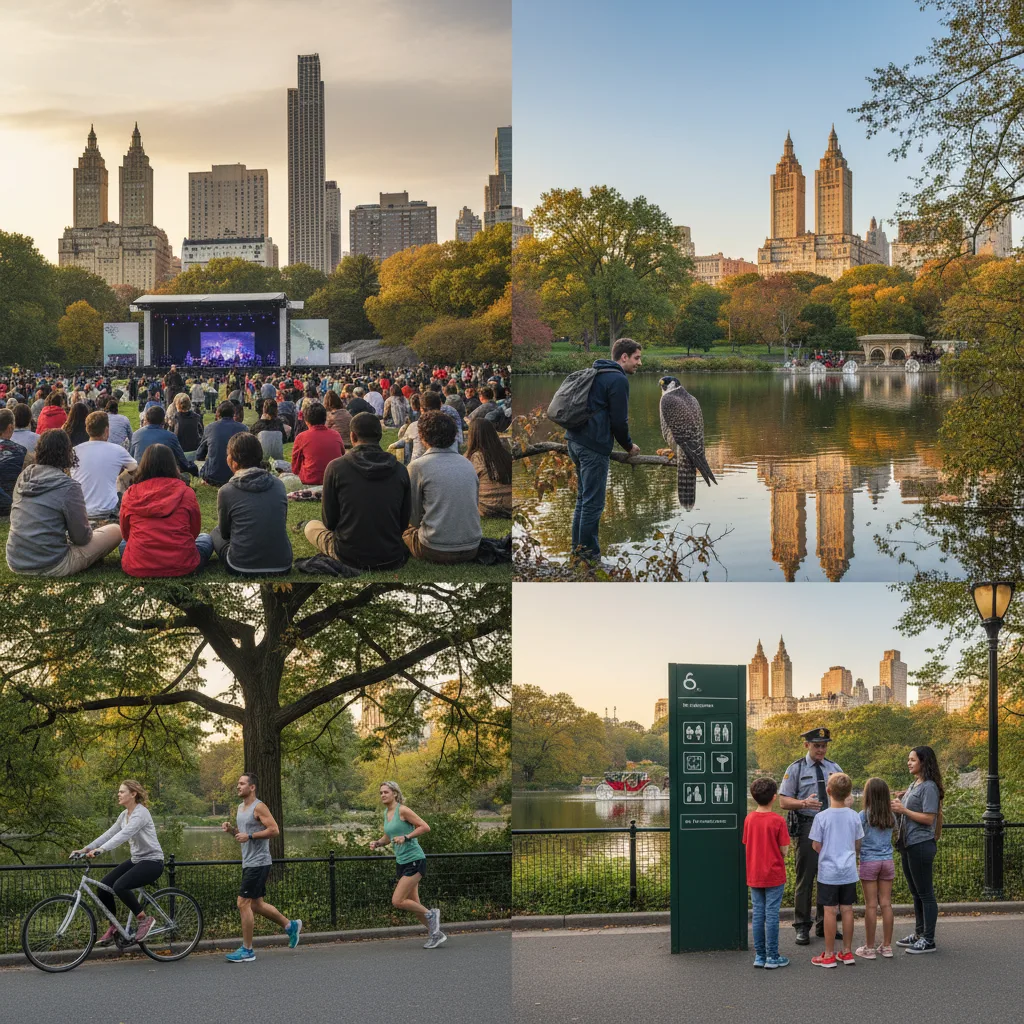
A Guide to Central Park's Top Activities and Best Things to Do in 2026
Discover the best things to do in Central Park, NYC, with our comprehensive 2026 guide to iconic landmarks, activities, and hidden gems for visitors.
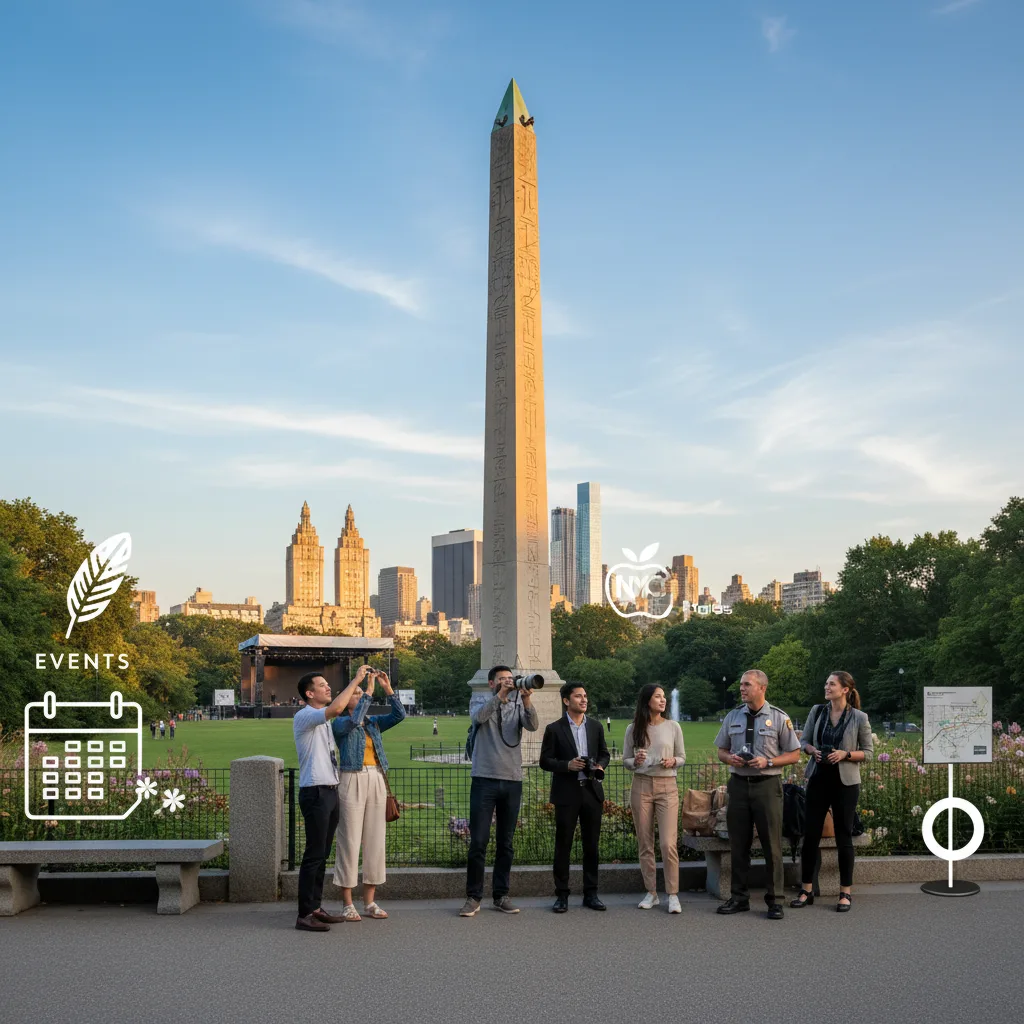
A Guide to What to Know About the Vatican Obelisk in Central Park 2026
Discover what to know about the Vatican Obelisk (Cleopatra's Needle) in Central Park, its history, journey to NYC, and where to find it in 2026.
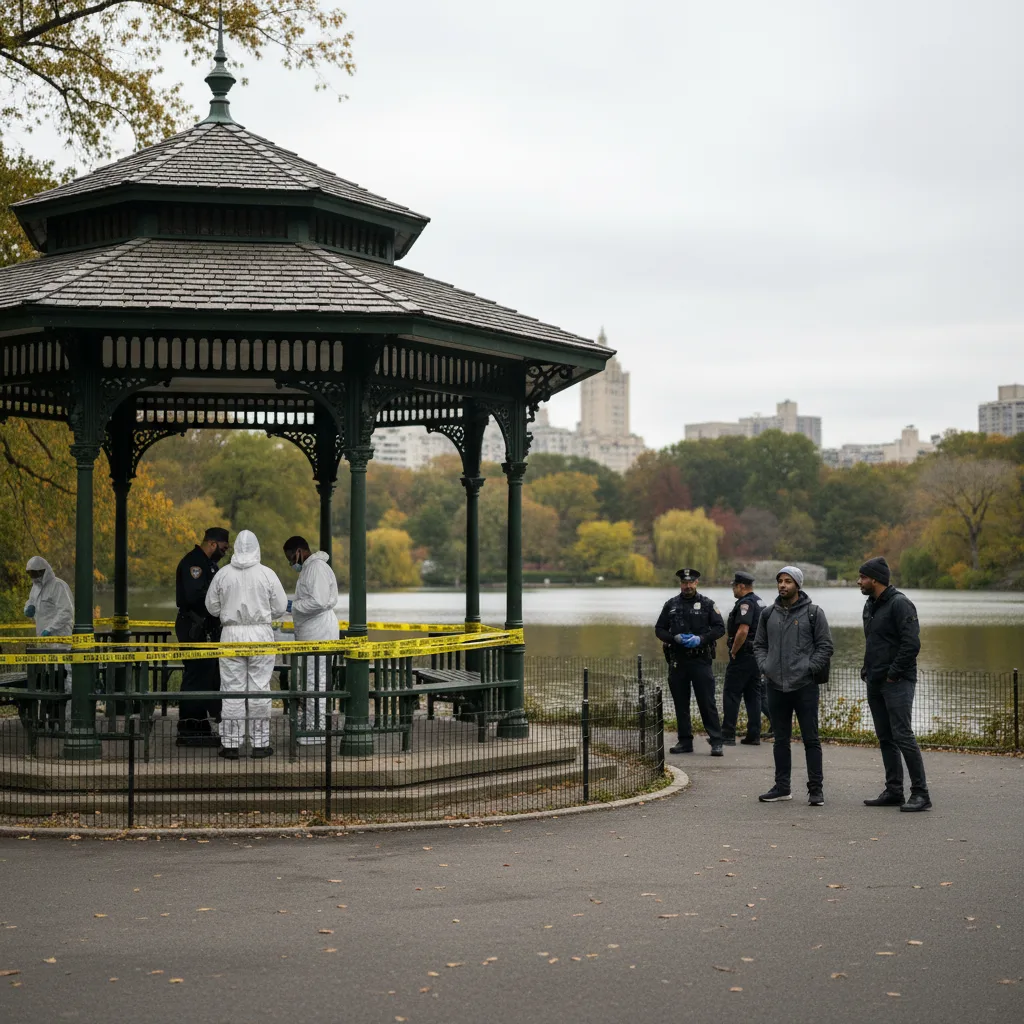
Central Park Woman Found Dead Near Boathouse Gazebo
A woman was found stabbed to death in a Central Park gazebo near the Boathouse on Sunday, prompting an active NYPD homicide investigation.
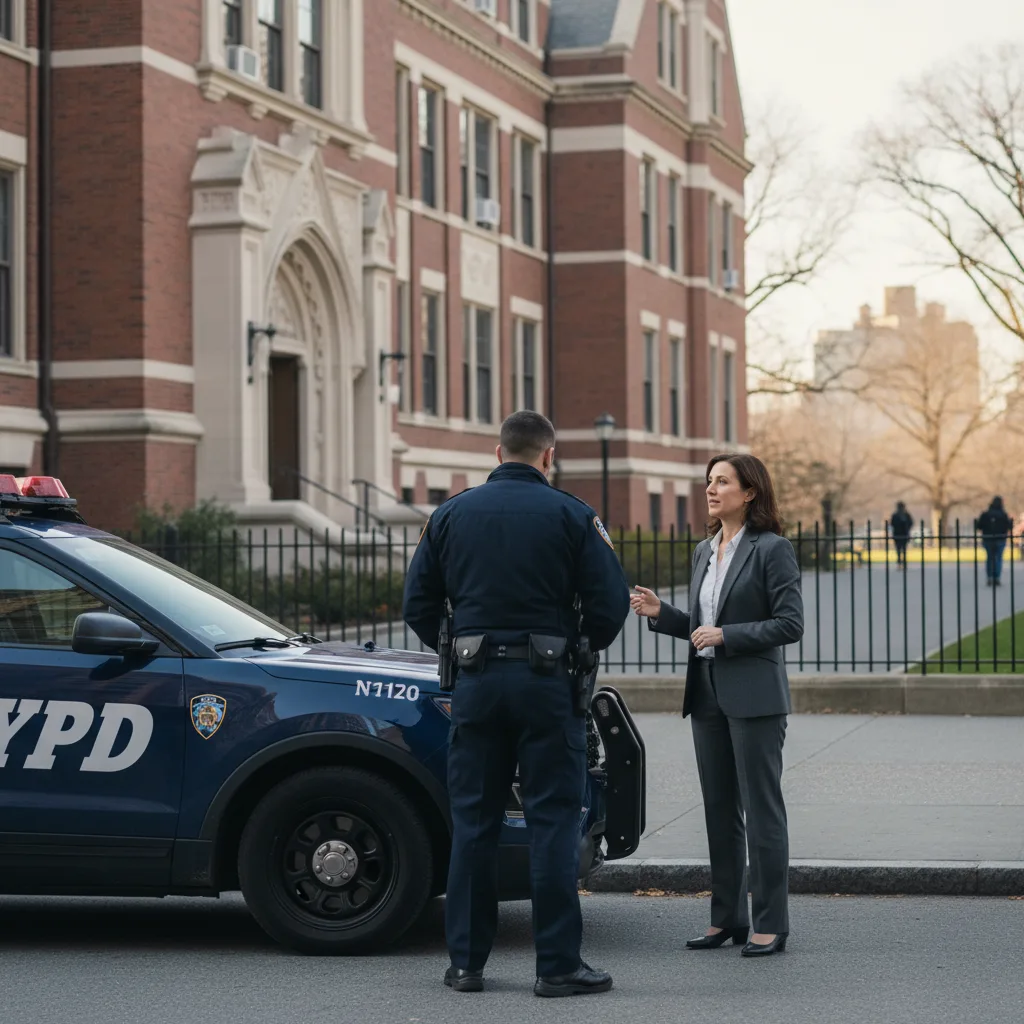
Queens Student Arrested for Bringing Gun to High School
A Queens student was arrested for bringing a gun to high school, prompting immediate law enforcement action and raising school safety concerns.

NYC Mayor Mamdani Booed at Union Square October 7 Vigil
Mayor Mamdani faced boos and protests at a Union Square vigil Thursday marking the Oct. 7 attacks, highlighting deep community divisions in NYC.
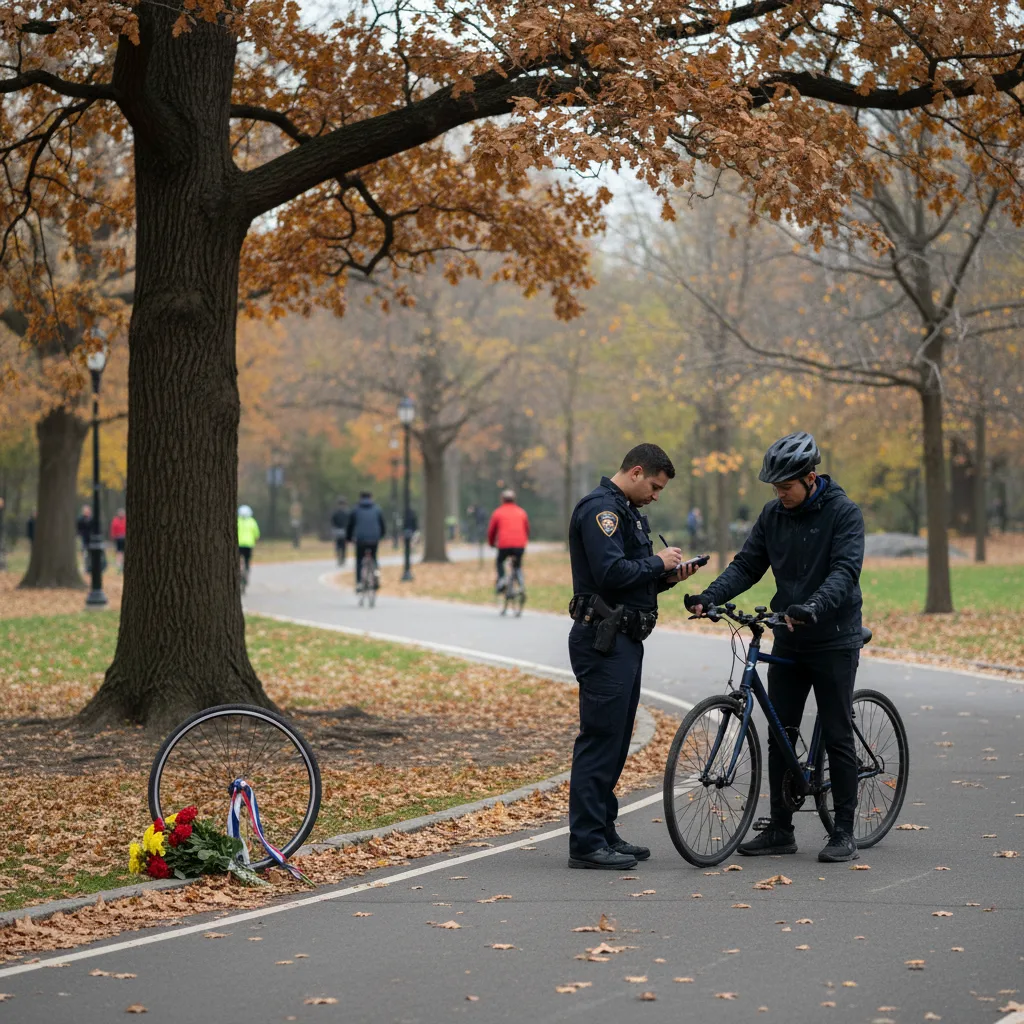
NYC Cyclist Death Prompts NYPD Ticketing Near Fatal Crash Site
NYPD stepped up cyclist ticketing near a recent fatal crash site in Central Park after a cyclist died Monday morning. Local groups demand safety reforms.