


Israel Strikes Tehran, Escalating Mideast Conflict; NYC Residents React

NEW YORK — Israel launched a series of strikes targeting Tehran early Friday, March 27, 2026, further escalating the volatile Middle East conflict. The military actions came as President Trump announced a 10-day delay to his threatened obliteration of Iran's energy infrastructure, a pause he claimed was for peace negotiations, though Iran reportedly did not request such an extension.
This rapid escalation, with smoke also observed billowing over Beirut, has become a major topic of discussion among Central Park and Manhattan residents. Conversations in the park and local cafes reflect deep concern over the potential for broader U.S. military involvement and the growing humanitarian crisis.
Escalation of Middle East Hostilities
Early Friday morning, Israeli military forces conducted targeted air strikes against various locations within Tehran, Iran's capital. These actions mark a significant escalation in the ongoing conflict, drawing immediate condemnation and vows of retaliation from Iranian officials.
The strikes are reported to have caused material damage, though initial reports from WSLS did not specify casualties. Concurrently, reports emerged of smoke over Beirut, indicating potential collateral impacts or separate engagements in the wider region, further intensifying global anxieties.
The regional conflict, ongoing for months, has already claimed thousands of lives, with over 1,900 reported killed in Iran and nearly 1,100 in Lebanon. Millions have been displaced from their homes, facing dire humanitarian conditions.
Trump's Diplomacy and Delayed Deadline
Hours before the Israeli strikes, President Trump had announced a 10-day extension to his ultimatum regarding Iran's energy infrastructure. He stated this delay was intended to facilitate peace negotiations, aiming for a diplomatic resolution to the mounting tensions.
However, mediators involved in the discussions quickly countered Trump's claim, indicating that Iran had not made any request for such an extension. This discrepancy fueled skepticism about the administration's strategic motives and the true state of diplomatic efforts.
The President's decision to delay the deadline, coupled with the immediate Israeli strikes, creates a complex and contradictory diplomatic landscape. The global community remains watchful of these mixed signals regarding peace and military action in the region.
Central Park Community Monitors Developments
The unfolding events in the Middle East have become a prominent feature of daily life and discourse for residents in and around Central Park. From morning jogs to afternoon coffee breaks, the escalating conflict is a frequent topic of conversation.
"It's unsettling to see how quickly things are changing, and the mixed messages from Washington don't help," remarked Upper West Side resident Dr. Anya Sharma, while walking through the park. "People are genuinely worried about where this is heading and what it means for global stability."
Local news stations across New York City have placed the Middle East conflict at the forefront of their broadcasts, providing continuous updates and analysis. The park's diverse population, including many with international ties, adds a unique depth to these community discussions.
Concerns Over U.S. Military Involvement
A significant undercurrent in the local discussions is the anxiety surrounding potential U.S. military intervention. Reports from the Pentagon indicate preparations to send up to 10,000 additional ground troops to the region, intensifying fears of a prolonged and costly engagement.
Many Central Park residents are questioning the rationale behind a massive military buildup at a time when diplomatic peace talks are supposedly being pursued. The contradiction between these two approaches has led to considerable skepticism among the public.
Local community boards and online forums are actively debating the implications of such troop deployments, with some expressing concern that the U.S. could be drawn into a wider conflict. This sentiment highlights the public's desire for transparency and a clear diplomatic strategy.
Humanitarian Toll and Global Implications
The ongoing war's humanitarian impact is profound, with casualty figures continuing to rise and millions displaced. Aid organizations are struggling to meet the immense needs of populations affected by the conflict, facing challenges in delivering essential supplies.
The destruction of infrastructure and the disruption of daily life have created a deep humanitarian crisis, leading to widespread suffering. This aspect of the conflict is particularly concerning to many New Yorkers, who often engage with global humanitarian causes.
The global implications of the conflict extend beyond immediate casualties, affecting oil markets, international diplomacy, and the stability of various nations. The strikes on Tehran signify a dangerous new phase, threatening to destabilize an already fragile region further. Further details on the initial strikes can be found in the WSLS report on the escalation.
Frequently Asked Questions on Conflict Impact
How does a conflict in the Middle East affect New Yorkers? Global conflicts, particularly in oil-producing regions, can impact New Yorkers through fluctuations in gas prices, economic uncertainty, and potential disruptions to global supply chains. Furthermore, many New Yorkers have personal connections to the region, leading to significant emotional and social impacts. The geopolitical shifts can also affect national security discussions.
What is the current status of diplomatic efforts between the U.S. and Iran? Despite President Trump's stated efforts for peace negotiations, the recent Israeli strikes and the Pentagon's troop deployment plans indicate a highly complex and potentially contradictory diplomatic landscape. Official statements from both sides often conflict, making it challenging to ascertain the true state of negotiations. Mediators often provide clearer pictures.
How can I stay informed about the developing situation? Reliable news sources, international affairs think tanks, and reputable non-governmental organizations provide ongoing analysis and updates. Be sure to consult multiple sources to get a comprehensive understanding of the situation. Local news channels in New York City are also dedicating significant airtime to these international developments.
What are the humanitarian concerns in the region? The primary humanitarian concerns include widespread displacement, severe food and water shortages, lack of access to medical care, and the psychological trauma inflicted by prolonged conflict. Millions require urgent assistance, and humanitarian organizations are calling for increased international support and unimpeded access to affected areas.
How do Central Park residents discuss global politics? Conversations among Central Park residents about global politics often occur informally in public spaces, cafes, and community gatherings. The park serves as a microcosm of diverse opinions, where individuals from various backgrounds share their perspectives on international events and their potential impacts on New York City and beyond. These discussions contribute to a vibrant public discourse.
Related Articles
More in International Conflict & Local Impact →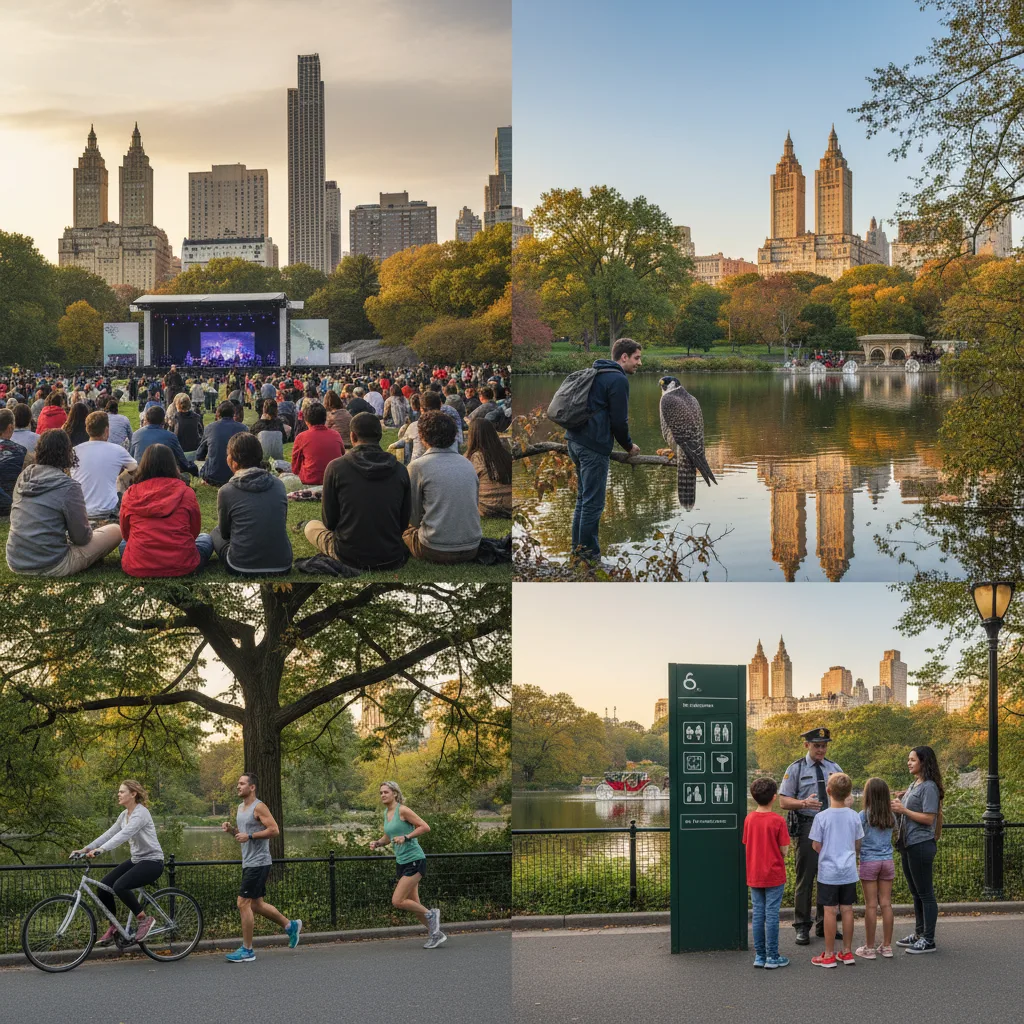
A Guide to Central Park's Top Activities and Best Things to Do in 2026
Discover the best things to do in Central Park, NYC, with our comprehensive 2026 guide to iconic landmarks, activities, and hidden gems for visitors.
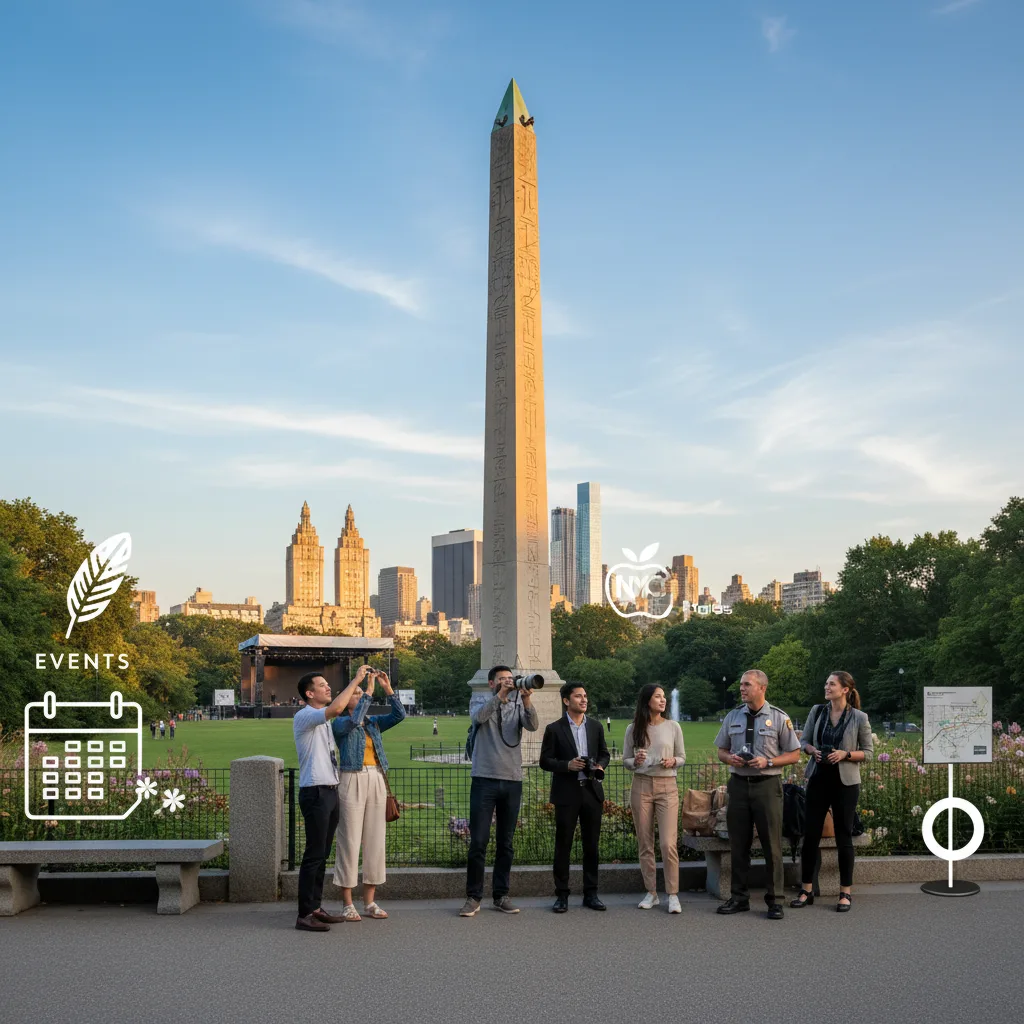
A Guide to What to Know About the Vatican Obelisk in Central Park 2026
Discover what to know about the Vatican Obelisk (Cleopatra's Needle) in Central Park, its history, journey to NYC, and where to find it in 2026.
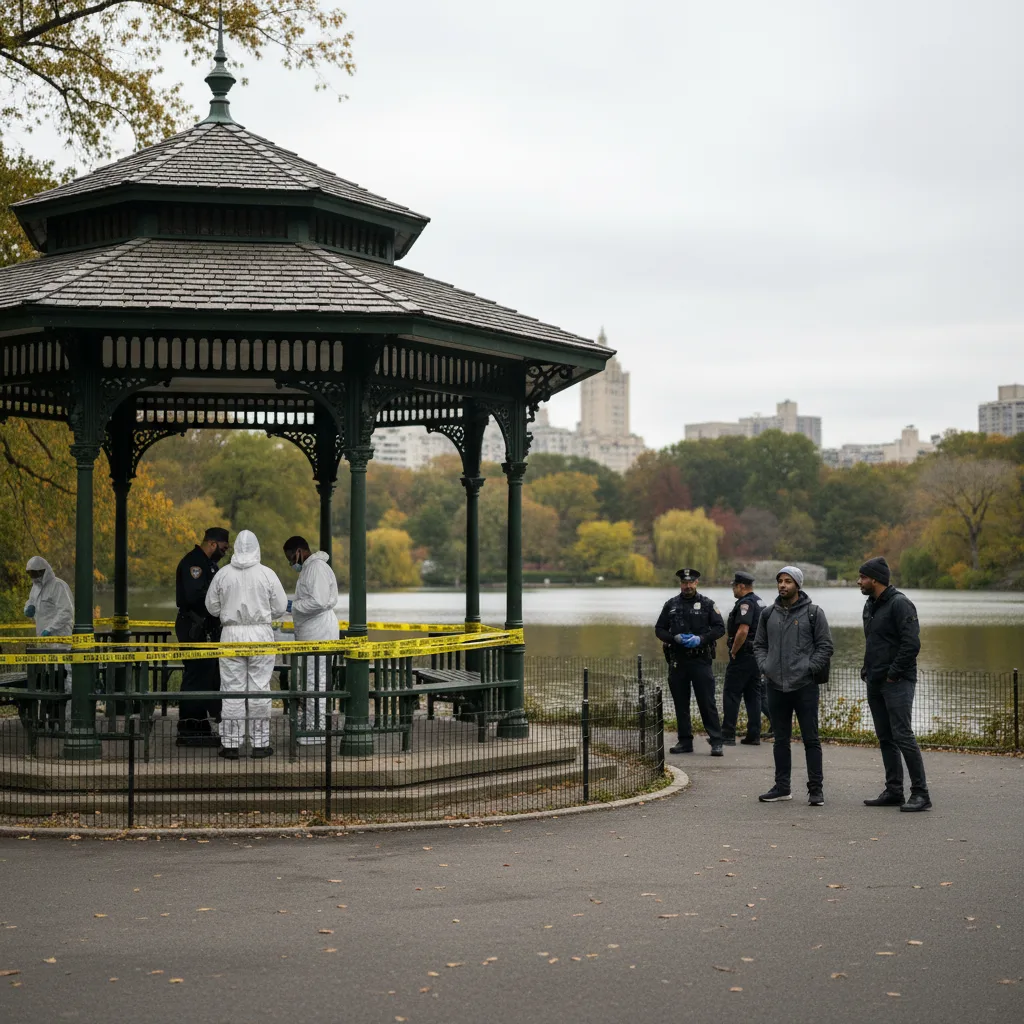
Central Park Woman Found Dead Near Boathouse Gazebo
A woman was found stabbed to death in a Central Park gazebo near the Boathouse on Sunday, prompting an active NYPD homicide investigation.
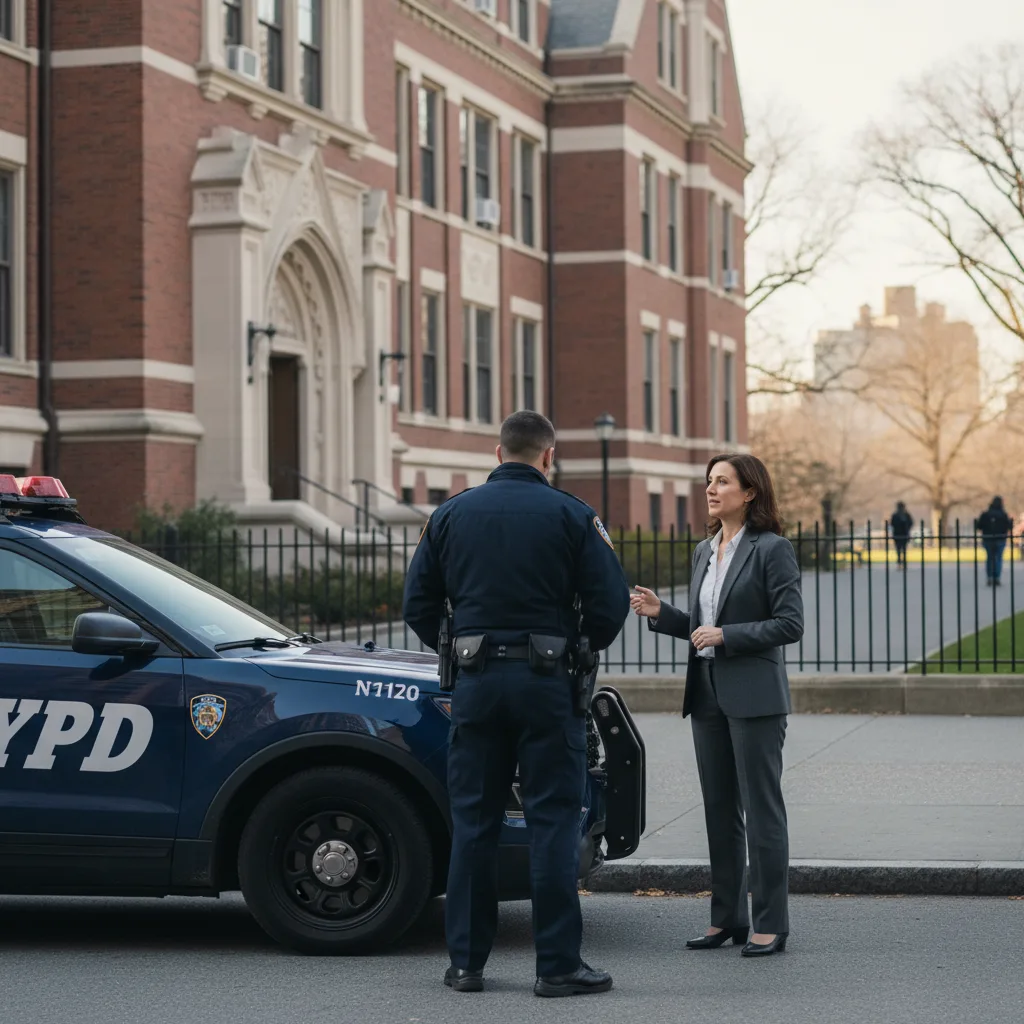
Queens Student Arrested for Bringing Gun to High School
A Queens student was arrested for bringing a gun to high school, prompting immediate law enforcement action and raising school safety concerns.

NYC Mayor Mamdani Booed at Union Square October 7 Vigil
Mayor Mamdani faced boos and protests at a Union Square vigil Thursday marking the Oct. 7 attacks, highlighting deep community divisions in NYC.
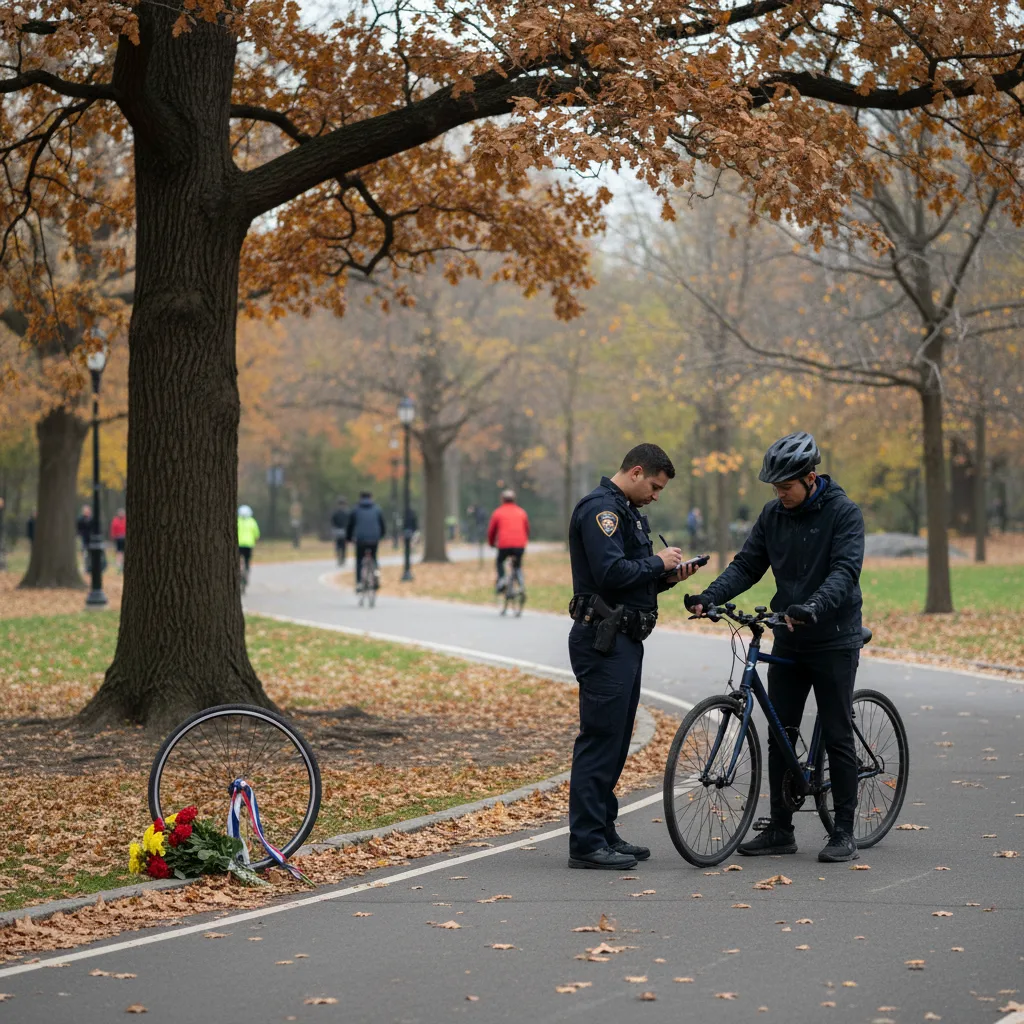
NYC Cyclist Death Prompts NYPD Ticketing Near Fatal Crash Site
NYPD stepped up cyclist ticketing near a recent fatal crash site in Central Park after a cyclist died Monday morning. Local groups demand safety reforms.