


Major Weather Pattern Shift Forecast for NYC, Central Park Impact

NEW YORK — A significant shift in the weather pattern is forecast to impact New York City and Central Park starting mid-April 2026, bringing with it a notable departure from recent mild conditions. Meteorologists are tracking a cold air mass pushing south, expected to deliver colder temperatures and increased precipitation chances across the metropolitan area.
The National Weather Service (NWS) issued a special weather statement advising residents to prepare for a distinct change, with daytime highs projected to drop by 15-20 degrees Fahrenheit compared to the seasonal averages. This abrupt shift could affect outdoor activities and park operations, prompting caution from local authorities.
Unseasonably Warm Spell Concludes Abruptly
The first two weeks of April 2026 saw unseasonably warm temperatures, with averages reaching 65 degrees Fahrenheit, nearly 10 degrees above the historical norm for this period. This allowed for early blooming of certain flora within Central Park, attracting numerous visitors to areas like Cherry Hill and the Conservatory Garden.
However, NWS forecaster Dr. Lena Schmidt confirmed that a polar vortex displacement is driving a large trough of low pressure across the eastern United States. "We're anticipating a rapid transition from spring-like warmth to more winter-like conditions over a 48-hour period," Dr. Schmidt explained from the NWS forecast office in Upton, New York. "Residents should expect temperatures to fall into the low 40s during the day, with overnight lows potentially dipping below freezing."
This rapid temperature change increases the risk of cold-weather related health issues for unprepared individuals, especially during extended periods outdoors. For more localized Central Park news, refer to Central Park current news.
Park Operations Adjust to Adverse Conditions
The Central Park Conservancy and the NYC Parks Department are closely monitoring the forecast and preparing to implement their adverse weather protocols. These preparations include securing temporary structures, inspecting trees for weakened branches that could pose a hazard in strong winds, and advising against certain outdoor activities.
Park officials may issue advisories for areas like The Ramble, where uneven terrain and dense foliage can become slippery with rain or frost. Visitors are urged to check the park's official website for potential path closures or event cancellations, particularly if wind gusts exceed 30 miles per hour, which is within the NWS forecast range.
"We always prioritize the safety of our park users," stated Mark Davies, Assistant Commissioner for the NYC Parks Department. "Our teams are proactively working to mitigate potential hazards, from ensuring clear pathways to informing the public about necessary precautions during this significant weather event." These operational adjustments are crucial for maintaining the accessibility and safety of one of NYC's largest public spaces.
Impact on Spring Bloom and Wildlife
The sudden drop in temperature could also impact the delicate spring blooms that have begun to emerge throughout Central Park. Horticulturalists are concerned about potential frost damage to early-flowering trees and plants, which could affect the park's aesthetic appeal and ecological balance.
Wildlife, including migratory birds that have recently returned to the region, may also be affected by the abrupt change, potentially seeking shelter or delaying further migration. Park naturalists will be observing the effects closely, documenting any noticeable shifts in animal behavior or plant health.
Locals who cherish their walks around the Jacqueline Kennedy Onassis Reservoir during dawn will notice the crisp, biting wind carrying the scent of impending rain. The once-bright, sunny afternoons will be replaced by heavy, overcast skies, painting the iconic New York skyline in muted tones.
Public Advisory and Preparedness
Residents and visitors planning to spend time in Central Park during this period are strongly advised to dress in layers and carry appropriate rain gear. The NWS also recommends securing outdoor patio furniture and checking drainage systems to prevent localized flooding, especially for properties bordering the park.
Public health officials remind individuals to monitor for signs of hypothermia, particularly if exposed to cold, wet conditions for extended periods. This weather shift serves as a reminder of nature's unpredictability, even in the heart of an urban environment. For further updates on park management, consider reviewing NewsNow Central Park coverage.
Frequently Asked Questions About Central Park's Weather Shift
What is the expected temperature drop? Daytime highs are expected to fall by 15-20 degrees Fahrenheit, potentially reaching the low 40s, with overnight lows dipping below freezing. This marks a significant change from the recent unseasonably warm spell in early April 2026.
How will the park manage adverse weather? The Central Park Conservancy and NYC Parks Department will implement adverse weather protocols, including securing structures, inspecting trees for hazards, and potentially issuing advisories for path closures. Visitors should check the park's website for updates.
Will the spring blooms be affected? Horticulturalists are concerned about potential frost damage to early-flowering trees and plants due to the sudden temperature drop. This could affect the park's visual appeal and the ecological timing for wildlife, which is being closely monitored.
Related Articles
More in Weather & Health →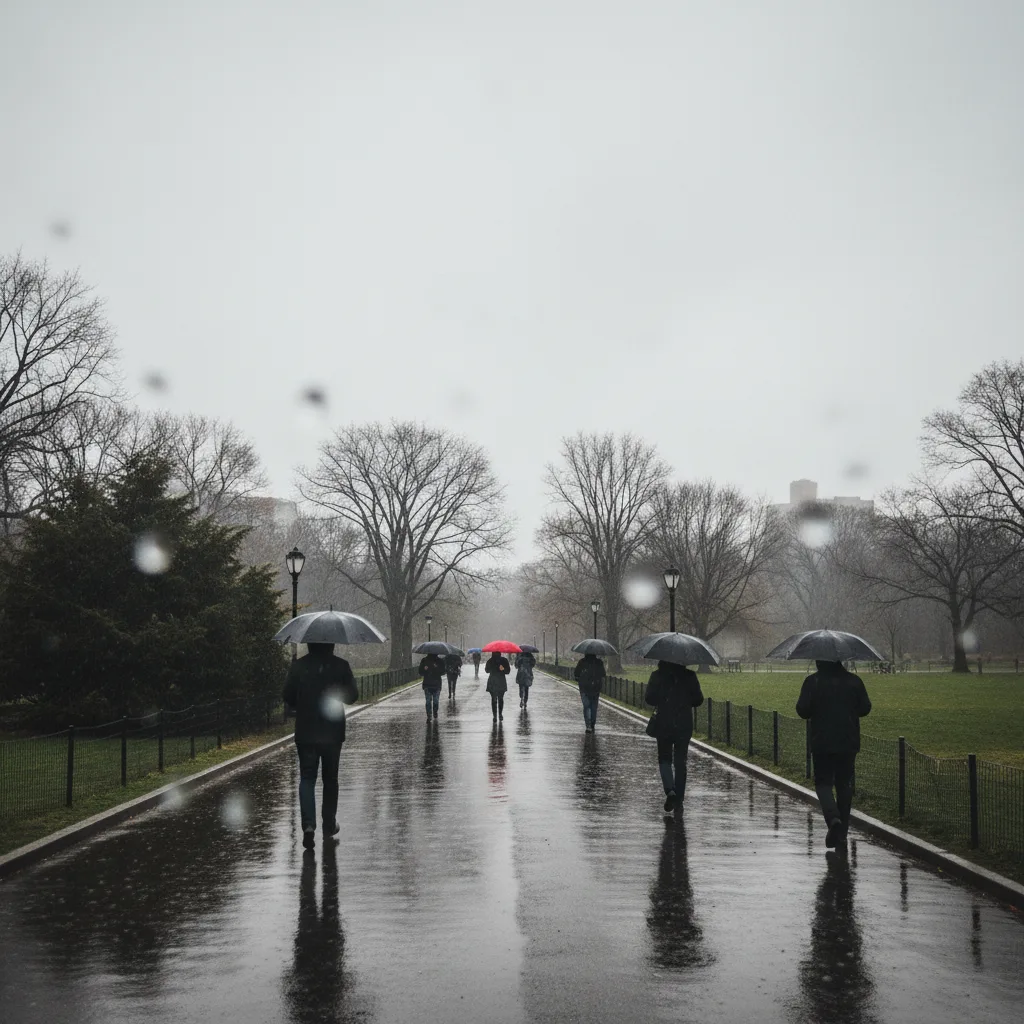
Central Park Radar Shows Current Rain Conditions and Near-Term Updates
Central Park visitors are seeing current rain conditions and near-term precipitation updates on AccuWeather radar, affecting outdoor activities and park operations.

September 2026 Central Park Weather Forecast Reveals Mild Conditions
Central Park's September 2026 weather forecast projects mild daily highs between 70-82°F and lows 57-66°F. Plan outdoor activities; comfortable conditions expected for park visitors.
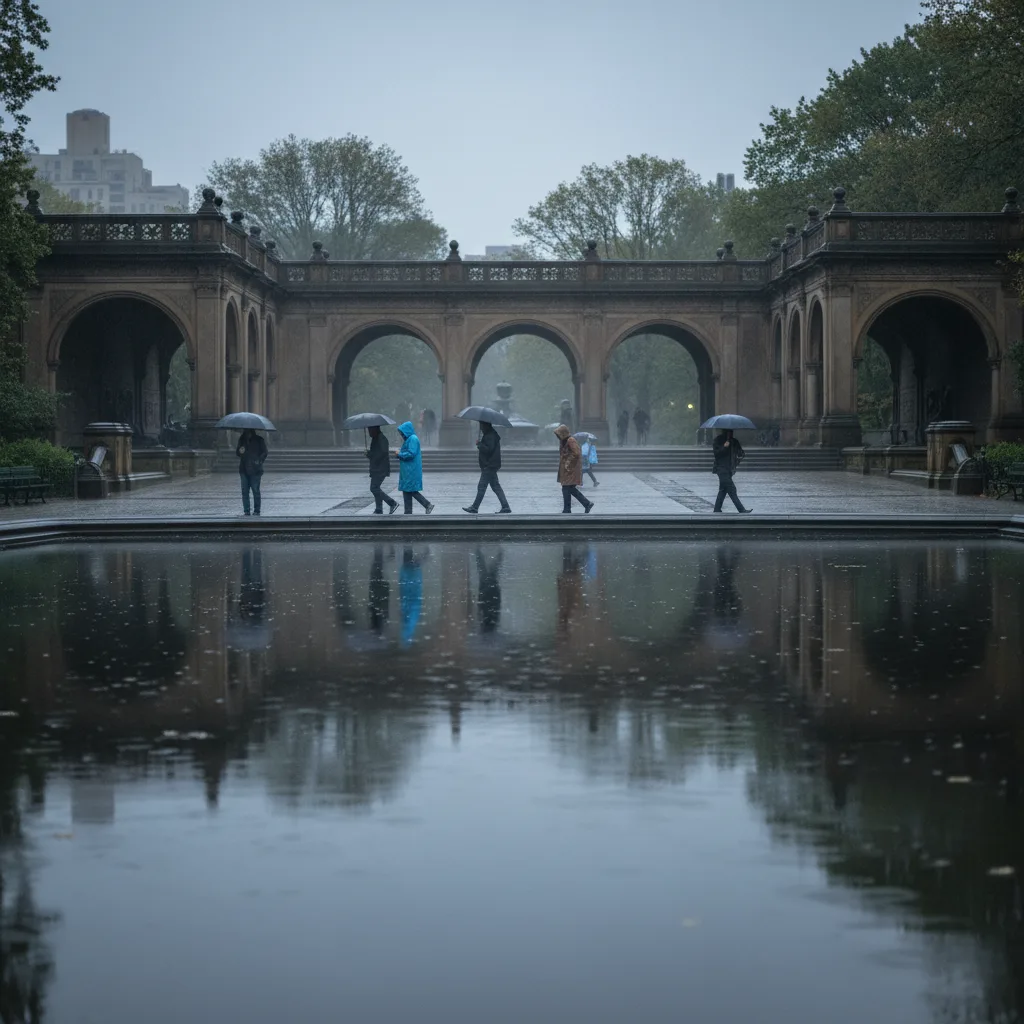
Central Park Visitors Face Intermittent Rain, Cooler Temps Sunday Night
Central Park experienced cool temperatures and intermittent rain on Sunday, September 27, 2026, with a temperature of 57.0°F recorded. Visitors should plan accordingly.
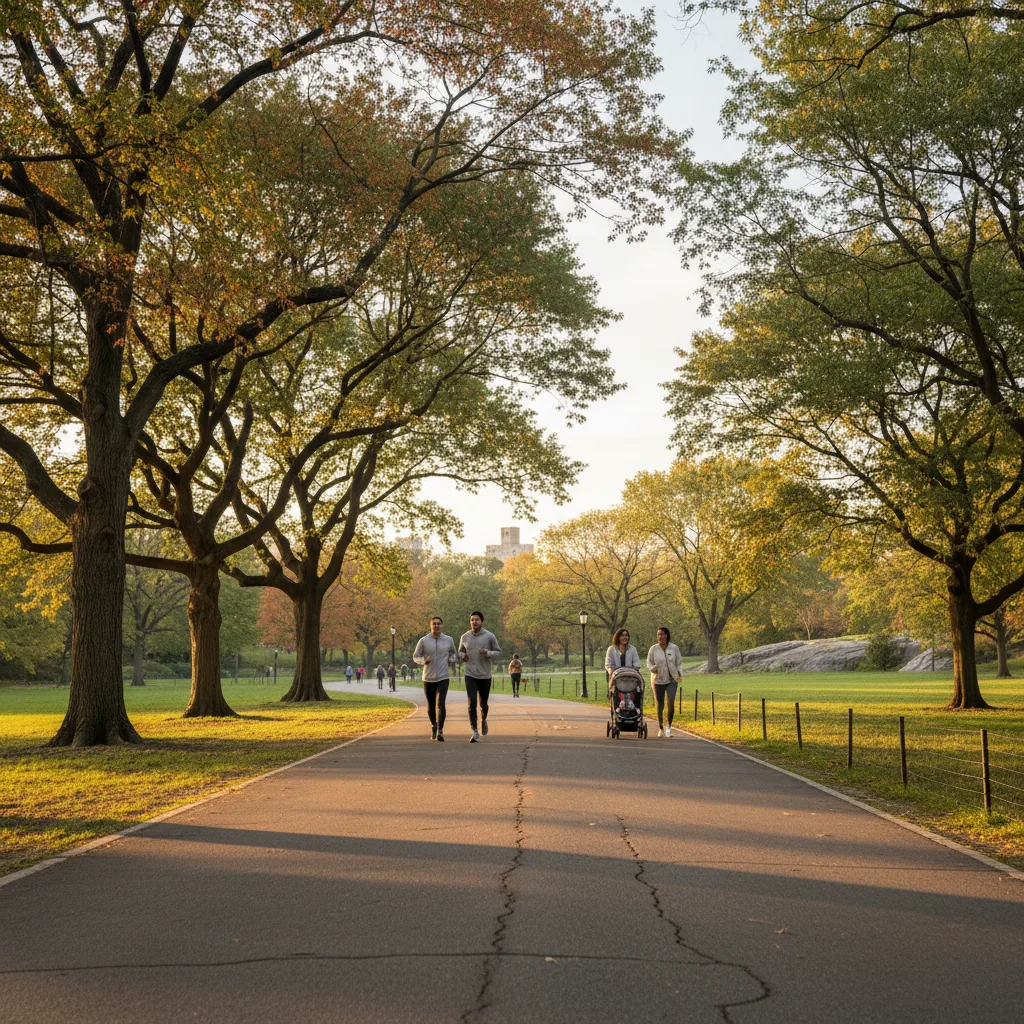
Central Park Records 72°F Max, 58°F Min Temperatures September 27
Central Park observed a maximum temperature of 72°F and minimum of 58°F on Sunday, September 27, 2026, according to the NWS climatological report.
AccuWeather Forecasts 64°F, 59°F for Central Park September 27
AccuWeather forecast a high of 64°F and low of 59°F for Central Park on September 27, 2026, slightly below monthly averages, indicating a cooler day.
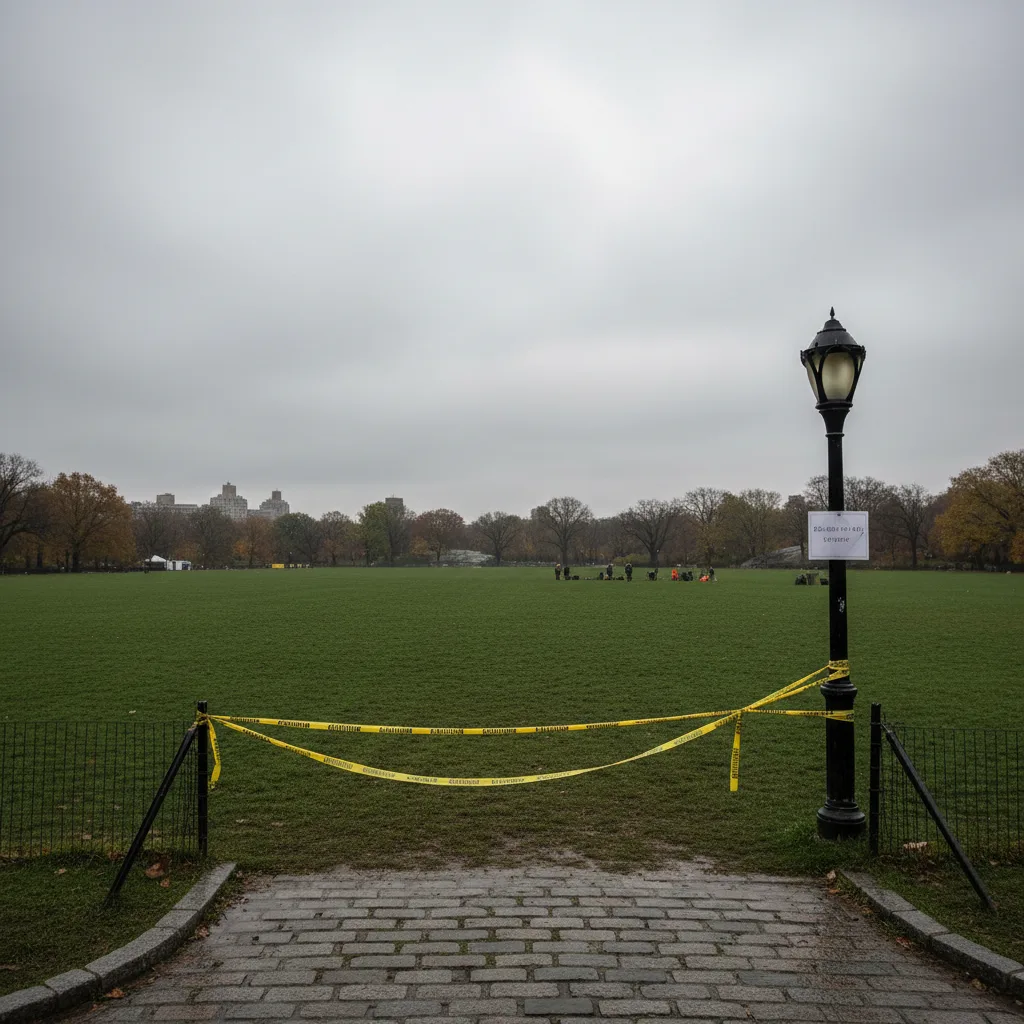
Global Citizen Festival in Central Park Canceled Due to Nor'easter Threat
Global Citizen Festival in Central Park was canceled Thursday due to an approaching nor'easter, affecting thousands and prompting safety concerns. New Yorkers should check for updated park alerts and traffic changes related to the storm.