


Mamdani Unveils 3-K Expansion Near Central Park, Boosts 2026 Enrollment

NEW YORK — Mayor Zohran Mamdani announced a significant expansion of New York City's 3-K for All program on March 10, 2026, specifically targeting families residing in and around the Central Park district. The initiative promises to add hundreds of new, free pre-kindergarten seats for three-year-olds for the upcoming 2026-2027 school year, addressing a critical need for early childhood education access.
The announcement was made during a press conference near the southern perimeter of Central Park, underscoring the administration's commitment to equitable educational opportunities across all boroughs. Schools Chancellor David Banks joined Mayor Mamdani, highlighting the program's vital role in preparing young New Yorkers for future academic success and reducing financial burdens on working families.
Expanding Access for Central Park Area Families
This latest expansion specifically focuses on neighborhoods bordering Central Park, including parts of the Upper West Side, Upper East Side, Harlem, and Midtown East. City officials project that the new seats will significantly shorten waitlists and improve accessibility for families who previously struggled to secure placements within their local communities.
According to data released by the Department of Education, demand for 3-K programs in these areas has consistently outpaced available supply. The new initiatives aim to close this gap, ensuring that more children can benefit from high-quality early learning environments close to home.
Several new 3-K sites are slated to open within community-based organizations and public schools conveniently located within a few blocks of Central Park. These facilities will offer a diverse range of educational models, all adhering to the city's rigorous standards for early childhood development and safety.
Local Council Member Gale Brewer praised the Mayor's commitment, noting the substantial positive impact this will have on parents and guardians. Brewer emphasized that the availability of free 3-K helps alleviate childcare costs, allowing more parents to participate fully in the city's workforce.
City Officials Outline Enrollment Procedures for 2026
Families interested in enrolling their children in the expanded 3-K for All program for the 2026-2027 school year are encouraged to begin their application process promptly. The online application portal is expected to open in early April 2026, with a priority deadline typically set for late May or early June.Central Park Playgrounds Earn USA Honors
Eligibility for 3-K for All is universal for all New York City residents whose children turn three years old by December 31, 2026. The Department of Education (DOE) advises parents to research programs in their desired areas, including those near Central Park, to understand offerings and application requirements.
Chancellor Banks, in his remarks, stressed the importance of timely applications to maximize placement options for families. He also highlighted new resources available on the DOE website, including a program directory and virtual information sessions, to guide parents through the enrollment journey.
Application support will be available at various community centers and schools throughout the Central Park adjacent neighborhoods. These support services are designed to assist families with navigating the online system and understanding the various program options available.
Community Reaction and Parental Support
The announcement has been met with widespread optimism from parents and community advocates across the Central Park vicinity. Many families have expressed relief at the prospect of securing free, quality early education for their three-year-olds without extensive waitlists or commuting challenges.
Sarah Chen, a parent residing on the Upper West Side, shared her excitement, stating, "Finding affordable and high-quality 3-K has been a huge stressor for our family. Knowing there will be more options near Central Park makes a real difference." Her sentiment reflects a common experience among local parents.
Local community groups, such as the Central Park Conservancy and various neighborhood associations, have also voiced their support for the expansion. They recognize that investing in early childhood education strengthens the fabric of communities and contributes to long-term civic engagement.
Organizations providing childcare services around Central Park anticipate collaborations with the DOE to integrate new 3-K sites. This partnership approach ensures that existing neighborhood resources are utilized effectively and expanded to meet the growing demand.
Historical Context: The Evolution of Early Childhood Education in NYC
New York City has a long-standing commitment to early childhood education, which has evolved significantly over the past two decades. The foundation for universal pre-kindergarten was laid with the introduction of Pre-K for All, providing free education for four-year-olds.
The expansion to include three-year-olds through 3-K for All represents a further deepening of this commitment, positioning New York City as a national leader in comprehensive early childhood programming. This progression underscores the city's belief in the foundational impact of early learning.
Mayor Mamdani's administration has consistently championed initiatives aimed at supporting families and investing in the city's youngest residents. This latest 3-K expansion near Central Park aligns with a broader vision for equitable access to resources across all demographic groups.
Previous administrations also contributed to building the framework for these programs, recognizing early education as a crucial component of urban development. The current efforts build upon these legacies, adapting to present-day needs and expanding reach into previously underserved areas within the city.
Economic and Social Benefits of Universal 3-K
Implementing universal 3-K programs yields substantial economic and social benefits for both individual families and the city as a whole. Economically, it allows more parents, particularly mothers, to re-enter or remain in the workforce, boosting household incomes and local economies.
Studies by organizations like the National Bureau of Economic Research consistently demonstrate that high-quality early childhood education leads to improved academic outcomes, higher earning potential, and reduced crime rates later in life. These long-term benefits contribute to a more stable and prosperous urban environment.
Socially, 3-K provides a crucial developmental foundation for young children, fostering cognitive, social, and emotional skills during critical formative years. Children from diverse backgrounds can interact and learn together, promoting inclusivity and understanding from an early age.
For communities like those surrounding Central Park, the availability of universal 3-K reinforces neighborhood stability by supporting families and attracting new residents. It underscores the city's dedication to creating environments where all children have the opportunity to thrive, regardless of their family's income level or background.
Frequently Asked Questions About 3-K Near Central Park
Many parents in the Central Park vicinity have questions about the newly expanded 3-K for All program. Understanding the nuances of enrollment and program specifics is crucial for securing a placement for their child.
Families often inquire about the exact locations of the new 3-K sites within the Central Park district. The Department of Education will release a detailed program directory online in April 2026, which will include addresses and contact information for all participating programs, allowing parents to identify options closest to their homes or workplaces.
Another common question concerns the daily schedule and curriculum offered by 3-K programs. All 3-K for All programs adhere to a comprehensive curriculum developed by the DOE, focusing on play-based learning and social-emotional development, with full-day options typically running for 6 hours and 20 minutes, similar to a standard school day.
Parents also frequently ask about after-school care availability for 3-K students. While 3-K for All covers the standard school day, many community-based organizations and schools offer extended day programs for an additional fee, and families should inquire directly with their chosen site about these options.
Regarding application assistance, the DOE ensures that support is widely accessible. Parents can visit their local public library, community centers, or specific DOE enrollment offices located throughout the city to receive one-on-one help with the application process, including language assistance if needed.
Finally, the question of whether 3-K is truly free for all New York City residents often arises. The 3-K for All program is entirely free for eligible three-year-olds, funded by the city, ensuring that financial barriers do not prevent access to vital early childhood education services for any family.
Related Articles
More in Community & Philanthropy →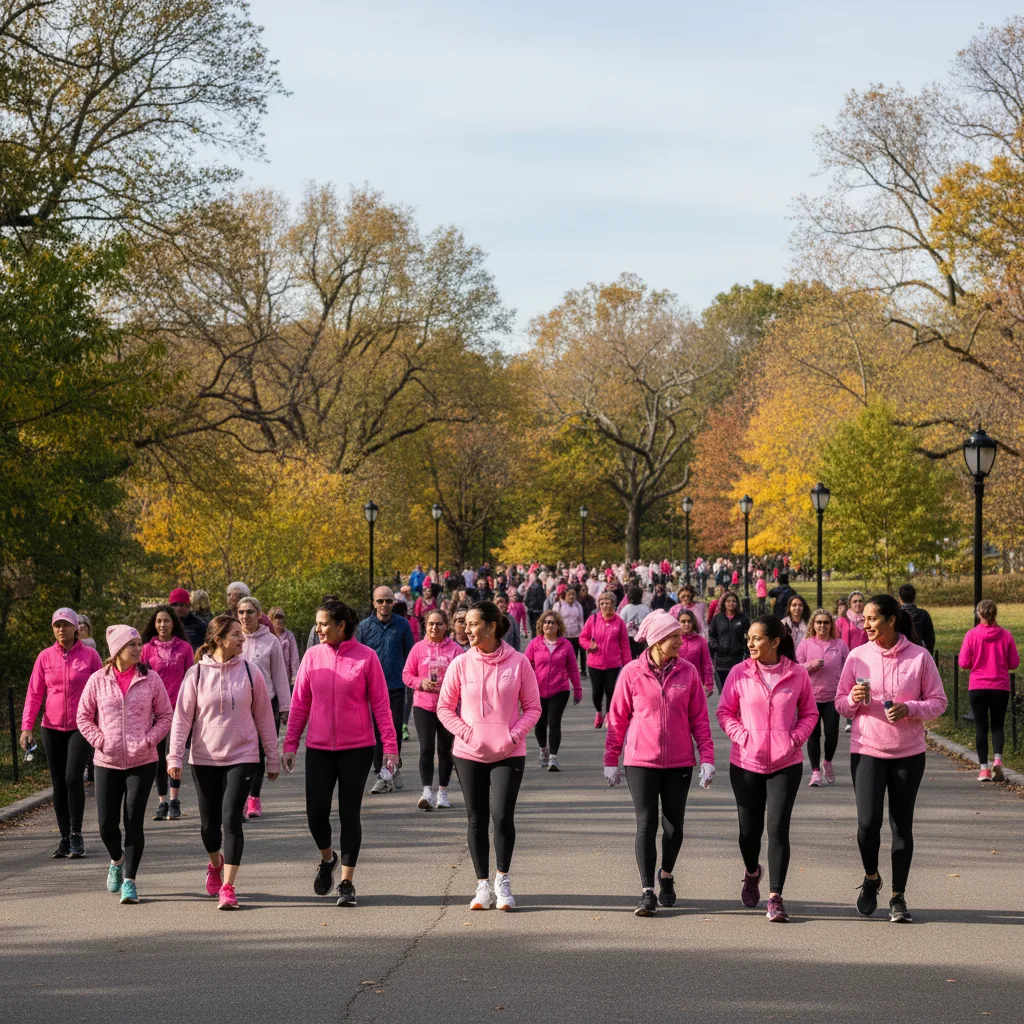
50,000 Expected to Rally in Central Park for Making Strides Walk
An estimated 50,000 participants are expected to rally in Central Park this month for the iconic Making Strides Against Breast Cancer walk. The event highlights community support for research and patient services.
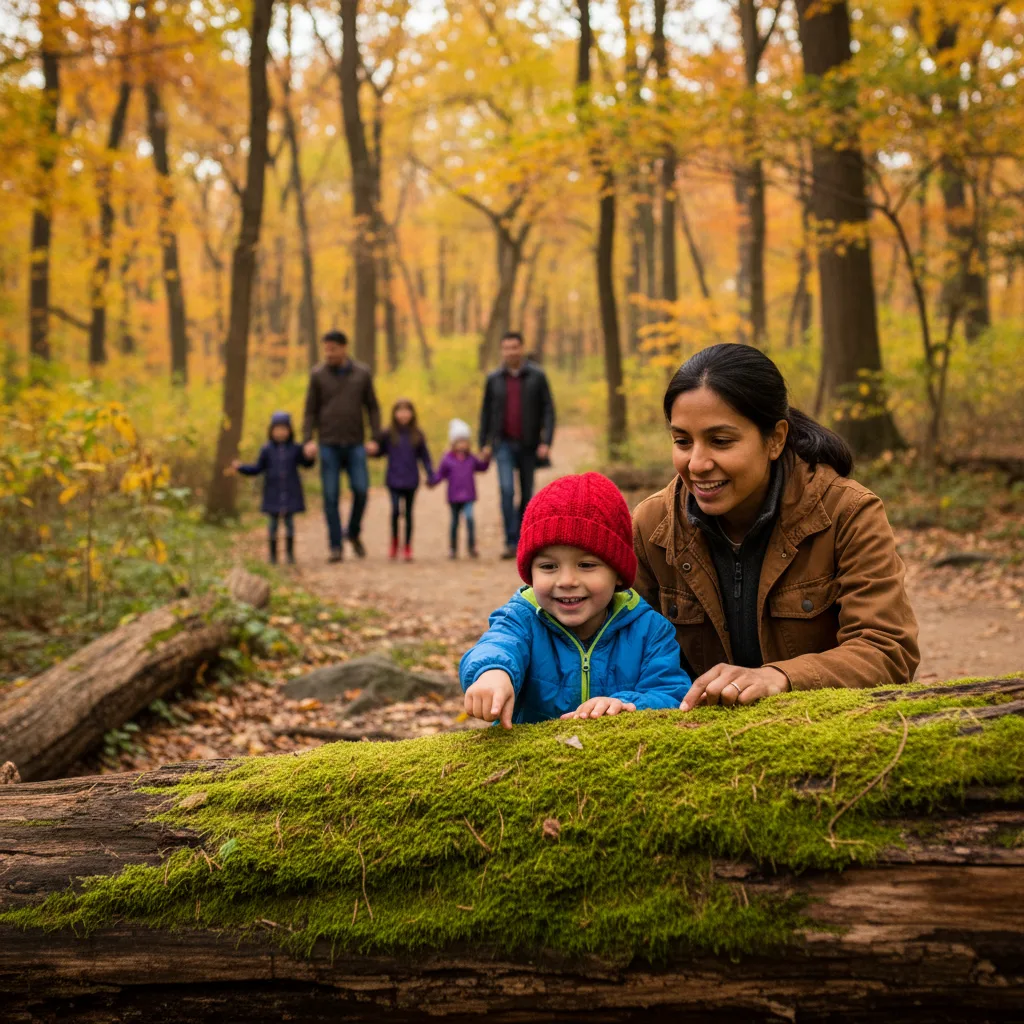
Central Park Kids Celebrate Forest Day with Wonder in the Woods
Central Park hosts "Wonder in the Woods" on October 3, 2026, a free family scavenger hunt in the North Woods. Children can celebrate City of Forest Day, offering an engaging outdoor activity.

Central Park Conservancy Launches Free Fall Scavenger Hunt
Central Park Conservancy launches a free fall scavenger hunt for families next month, encouraging outdoor exploration. This self-guided tour through wooded areas offers a chance to unplug and enjoy autumn beauty.
Central Park Friday Play Club Continues for Children in October 2026
Central Park's Friday Play Club, a free, parent-led initiative, continues through winter recess, offering children outdoor recreation on October 2, 2026, and subsequent Fridays.
Patch Calendar Highlights Central Park 'Party On Park 2026' September 27
The Upper East Side Patch calendar featured "Party On Park 2026" for Sunday, September 27, at 12:00 PM, opening Park Avenue Viaduct spaces for recreation near Central Park.
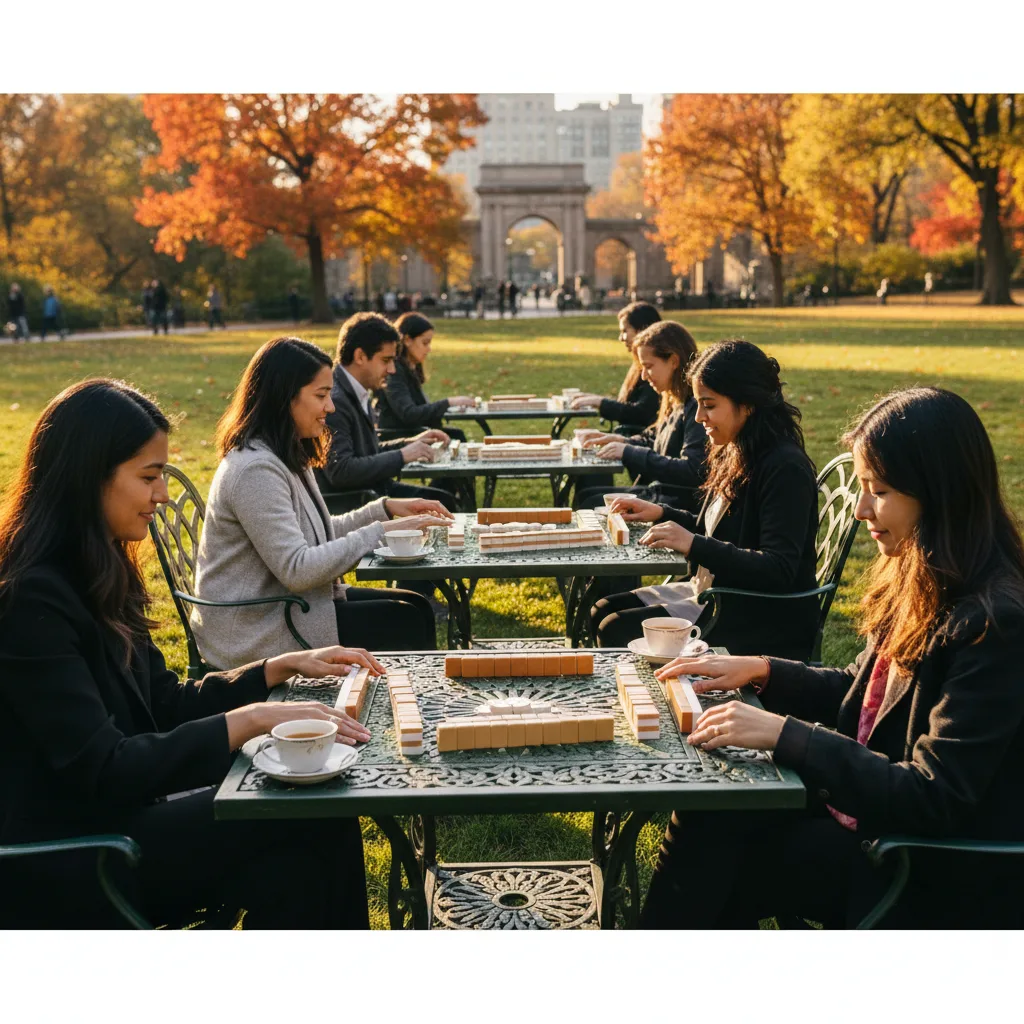
Central Park Conservancy Announces 2026 Fall Mahjong Social
The Central Park Conservancy announced its 2026 Fall Central Park Mahjong Social, hosted by the Women’s Committee and Playground Partners. This event supports park initiatives and follows the Play for the Park Tennis Tournament, inviting community involvement.