


Manhattan Congestion Pricing Plan: Central Park Impact Discussed for Summer 2026

NEW YORK — New York City's controversial congestion pricing plan, designed to alleviate traffic and fund mass transit, is likely to remain in effect through the summer of 2026, according to recent statements from Governor Kathy Hochul's office. This decision has significant implications for Central Park, impacting traffic flow around its perimeter and potentially altering visitor access. Local businesses and environmental groups continue to weigh in on the scheme.
Congestion Pricing Overview
The congestion pricing program imposes a toll on vehicles entering Manhattan's Central Business District, defined as south of 60th Street. This initiative aims to reduce traffic volume by at least 10% and generate approximately $1 billion annually for the Metropolitan Transportation Authority (MTA) capital projects. The latest news on Central Park issues frequently touches on this topic. The plan has been met with both support and opposition since its inception.
Governor Hochul and MTA officials argue that the program is crucial for modernizing the city's aging subway and bus systems. "This revenue is indispensable for improving service and infrastructure for millions of New Yorkers," stated MTA CEO Janno Lieber during a press conference on June 15, 2026. He highlighted specific projects that rely on the new funding stream.
Impact on Central Park Access
Central Park, which spans from 59th to 110th Street, largely sits outside the core congestion pricing zone, but its peripheral roads are heavily affected. Drivers accessing the park from points south of 60th Street will incur the charge, potentially discouraging some visitors from driving. This might lead to an increase in public transport usage or walking.
The Central Park Conservancy has expressed a need to monitor the plan's long-term effects on park visitation and accessibility, particularly for older visitors or those with disabilities. "Ensuring equitable access to Central Park for all New Yorkers is paramount," remarked Lane Tredway, Director of Public Programs for the Conservancy, in a recent interview. He emphasized the need for data-driven adjustments if necessary.
Business and Tourism Concerns
Many businesses located around Central Park, especially those catering to tourists, have voiced concerns about potential revenue losses. Taxi and ride-share services operating within the zone also face additional fees, which are often passed on to consumers. This could impact tourist spending within the city.
The Partnership for New York City, a prominent business group, has urged a thorough review of the plan's economic impacts before committing to its indefinite extension. "We must strike a balance between environmental goals and economic vitality for our city's recovery," noted Kathryn Wylde, President of the organization. She underscored the delicate nature of policy implementation.
Environmental Benefits and Critics
Proponents of congestion pricing cite significant environmental benefits, including reduced carbon emissions and improved air quality in Manhattan. A recent study by the Environmental Defense Fund projected a 15% reduction in vehicular emissions within the pricing zone. This aligns with New York City's broader climate goals.
However, critics argue that the plan disproportionately burdens outer-borough residents who may have fewer public transit options and are forced to drive into the city for work. Critics also point to potential 'traffic leakage' into areas just outside the zone, creating new congestion hotspots. These concerns have led to ongoing legal challenges from various groups.
Will congestion pricing be permanent?
While the plan is expected to remain in effect through at least summer 2026, its long-term permanence is subject to ongoing review, legal challenges, and legislative decisions. Officials have indicated that the program’s efficacy and economic impact will be continuously assessed. Public hearings and further debate are anticipated.
How does it affect Central Park visitors?
Visitors driving to Central Park from areas south of 60th Street will be subject to the congestion toll. This may encourage some to use public transportation, walk, or cycle to the park. The Central Park Conservancy is monitoring the plan's effects on overall park visitation and accessibility for all demographic groups.
What are the main arguments against congestion pricing?
Critics argue that congestion pricing imposes an unfair financial burden on commuters, particularly those from outer boroughs with limited transit options. There are also concerns about potential negative economic impacts on businesses and fears of traffic displacement to areas just outside the designated zone. Legal challenges are still active.
Related Articles
More in Urban Policy & Development →
NYC Mayor Mamdani Booed at Union Square October 7 Vigil
Mayor Mamdani faced boos and protests at a Union Square vigil Thursday marking the Oct. 7 attacks, highlighting deep community divisions in NYC.
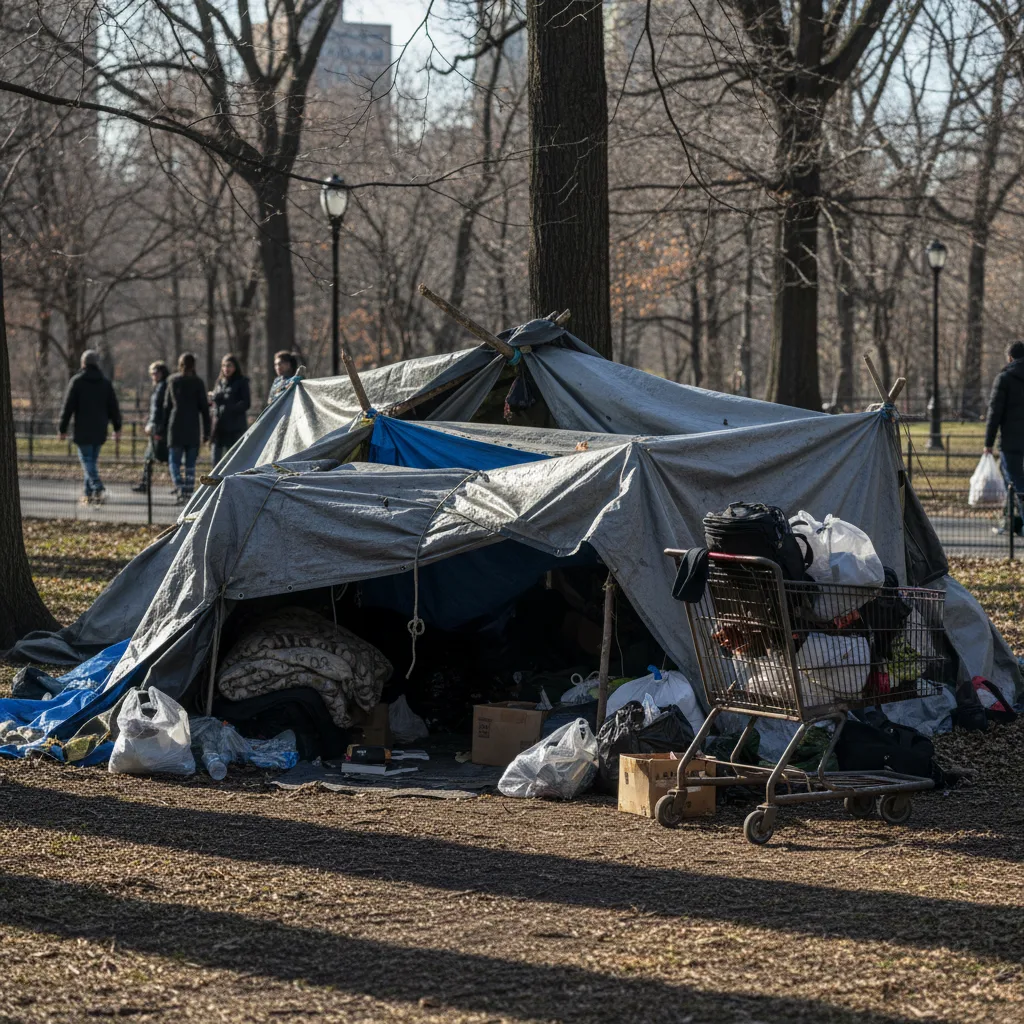
NYC Homeless Encampments Spotted Across Manhattan, Raising Concerns
Multiple homeless encampments have been spotted across Manhattan, raising significant concerns about urban policy and public safety. City officials are under pressure to address the growing homelessness crisis.
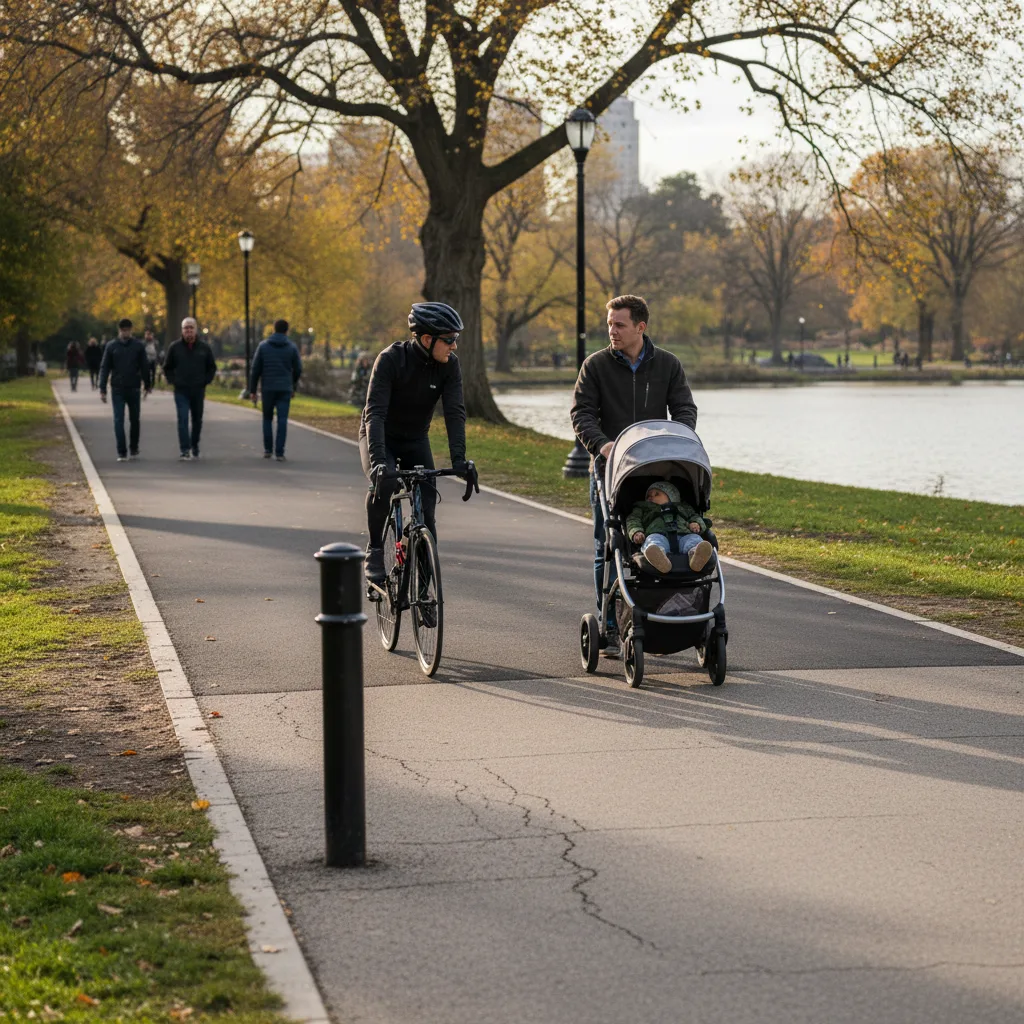
Safety Advocate Blames Park Redesign for Rising Central Park Cyclist Crashes
Safety advocates blame recent Central Park redesigns for a pedestrian's death and rising cyclist crashes, calling for urgent review of infrastructure.
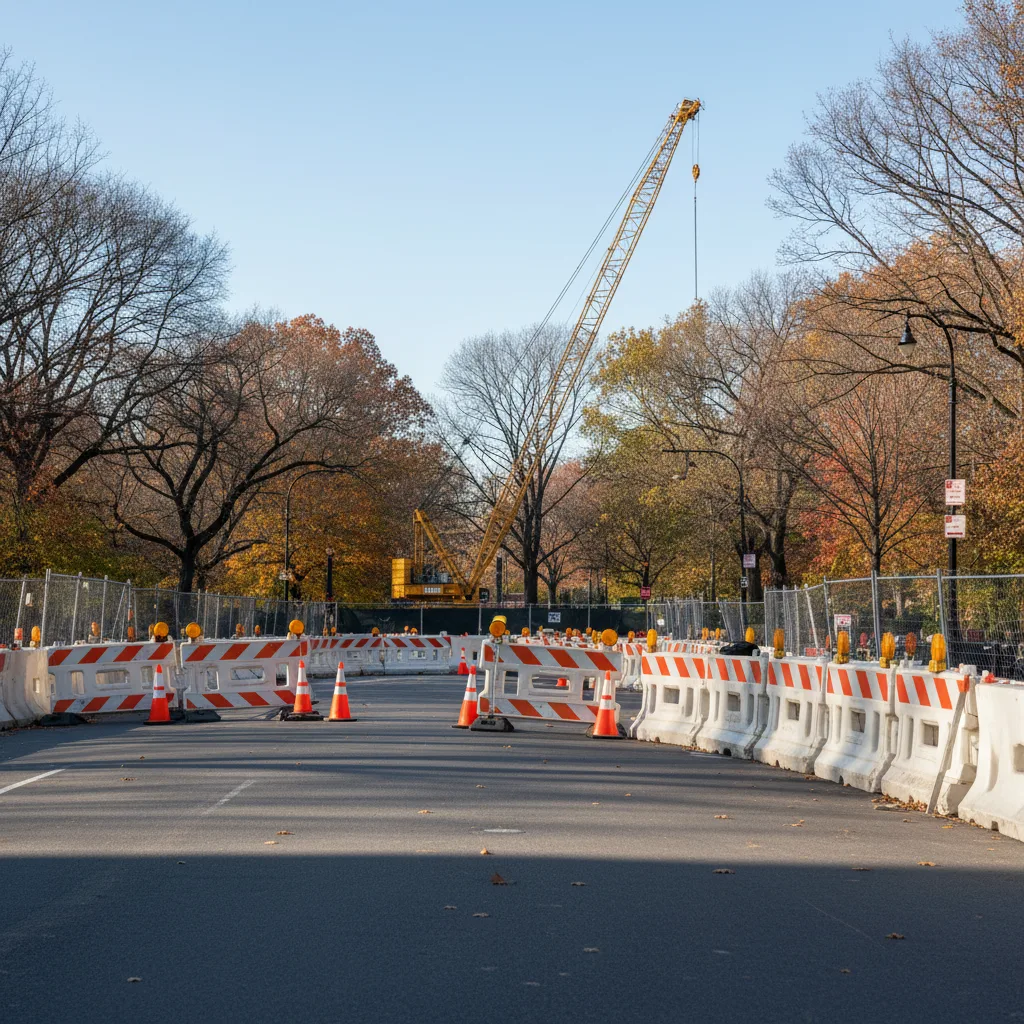
NYC DOT Advises Central Park Area Traffic Disruptions September 27
NYC DOT issued advisories for major traffic disruptions near Central Park on September 27, 2026, due to a parade and crane operations. Expect delays.

Davis Center at Harlem Meer Unveils State-of-the-Art Facilities
The new Davis Center at the Harlem Meer in Central Park's north end now features a state-of-the-art pool, ice rink, and multi-use turf field, enhancing community recreational options.
NYC City Record Confirms September 21, 2026, Publication Schedule
The NYC City Record confirmed its September 21, 2026, publication schedule, detailing administrative notices, procurement, and public hearings. This ensures transparency for municipal operations and public access to vital city information.