


Manhattan Gas Prices Soar 40% as US-Iran Ceasefire Talks Begin

Enjoying the coverage?
Central Park news, events and park updates in your inbox every Friday. Free; unsubscribe in one click.
Sent every Friday. By subscribing, you agree to our Terms of Use and Privacy Policy.
NEW YORK — Manhattan residents are facing a significant surge in transportation costs, with gas prices climbing an estimated 40% in recent weeks. This increase coincides with recent global developments involving the United States' proposed 15-point plan to de-escalate tensions with Iran. The ongoing conflict in the Middle East has directly impacted oil markets, leading to higher consumer expenses across New York City.
The global geopolitical situation, particularly disruptions to the Strait of Hormuz, is being closely monitored by local residents. Joggers and dog walkers near Central Park's Bethesda Fountain have voiced frustration over these economic ripple effects. Many report that cab fares have approximately doubled overnight, directly attributing the hikes to the distant Iran conflict.
Global Tensions Echo in Local Economy
The US proposal, which includes a one-month ceasefire, aims to halt escalating conflict that has disrupted critical shipping lanes. While Asian stocks have reportedly risen on hopes of peace, global markets remain highly reactive to any developments. Iran has publicly dismissed claims of a US ceasefire, intensifying concerns about continued instability, according to recent news reports on the negotiations.
The Central Park News Friday Briefing
Central Park news, events and park updates in your inbox every Friday. Free; unsubscribe in one click.
Sent every Friday. By subscribing, you agree to our Terms of Use and Privacy Policy.
Attacks on regional infrastructure, such as desalination plants in the UAE and Saudi Arabia, further underscore the fragility of the energy supply chain. Airlines are now facing potential jet fuel shortages, which could lead to further disruptions. This complex international scenario is translating into tangible financial pressures for Central Park communities and beyond.
Central Park Residents Adjust to Rising Costs
Local delis and coffee shops near Central Park report a noticeable trend of customers stocking up on snacks and non-perishable goods. This behavior suggests an underlying anxiety among residents, who fear potential shortages stemming from the broader energy crisis. The feeling of uncertainty extends to daily routines and household budgeting.
Community board meetings in Upper East Side apartments have begun to debate emergency fuel rationing talks, highlighting the severity of residents' concerns. This proactive discussion reflects a growing apprehension about the long-term economic stability. The proposals aim to mitigate the local impact should global conditions worsen.
Tourism and Travel Plans Disrupted
Street vendors operating within Central Park note that tourists are increasingly asking about the safety and viability of international flights. This public concern mixes genuine worry with frustration over what many perceive as disrupted spring travel plans for 2026. The uncertainty around global aviation mirrors the volatility in the energy sector.
The prospect of higher airfares and potential flight cancellations looms large for many New Yorkers contemplating springtime getaways. The ripple effects of the Strait of Hormuz disruptions are felt keenly by individuals planning both domestic and international trips. Travel industry experts suggest preparing for continued price fluctuations throughout the season.
Impact on Daily Commutes and Local Businesses
The doubling of cab fares has significantly impacted daily commutes for many Manhattan workers and residents. Public transportation remains a key alternative, but the increased demand is also putting pressure on existing services. Business owners, particularly those reliant on delivery services, are grappling with higher operational costs.
Small businesses, from local dry cleaners to boutique shops, are exploring ways to absorb or pass on these increased expenses. The Central Park Conservancy, for example, is evaluating its fleet operations to maintain essential park services efficiently. These challenges are prompting a wider discussion on urban resilience and supply chain stability.
Future Outlook for Energy and Consumer Prices
Global markets continue to react nervously to fears of the energy crisis spreading from the Middle East to Asia and Europe. While the US-Iran talks offer a glimmer of hope, volatility is expected to persist. Energy analysts suggest that consumer prices, especially for fuel, could remain elevated for the foreseeable future.
Local authorities and community leaders are urging residents to stay informed about developments and to consider energy-efficient practices. The 2026 outlook suggests a period of adjustment for Manhattan's economy and its residents. Continuous monitoring of international relations and their local economic consequences remains paramount for all stakeholders.
Understanding the Economic Impact on NYC Residents
Manhattan residents are grappling with the direct economic consequences of geopolitical events unfolding thousands of miles away. The rising cost of gasoline, which has seen an approximately 40% increase, directly affects vehicle owners and those who rely on taxis for transportation. These elevated fuel prices contribute to a higher cost of living across the borough. Discussions within Upper East Side community boards regarding potential fuel rationing underscore the serious nature of these concerns. Furthermore, the broader energy crisis influences the operational costs for local businesses, from delis experiencing increased demand for stored goods to street vendors observing tourist anxiety about travel. The uncertainty surrounding airline operations and potential jet fuel shortages also impacts spring travel plans, with many considering alternatives to international trips. Monitoring these global developments is crucial for residents to understand and plan for ongoing economic shifts in New York City.
The Central Park News Friday Briefing
Central Park news, events and park updates in your inbox every Friday. Free; unsubscribe in one click.
Sent every Friday. By subscribing, you agree to our Terms of Use and Privacy Policy.
Related Articles
More in Community & Philanthropy →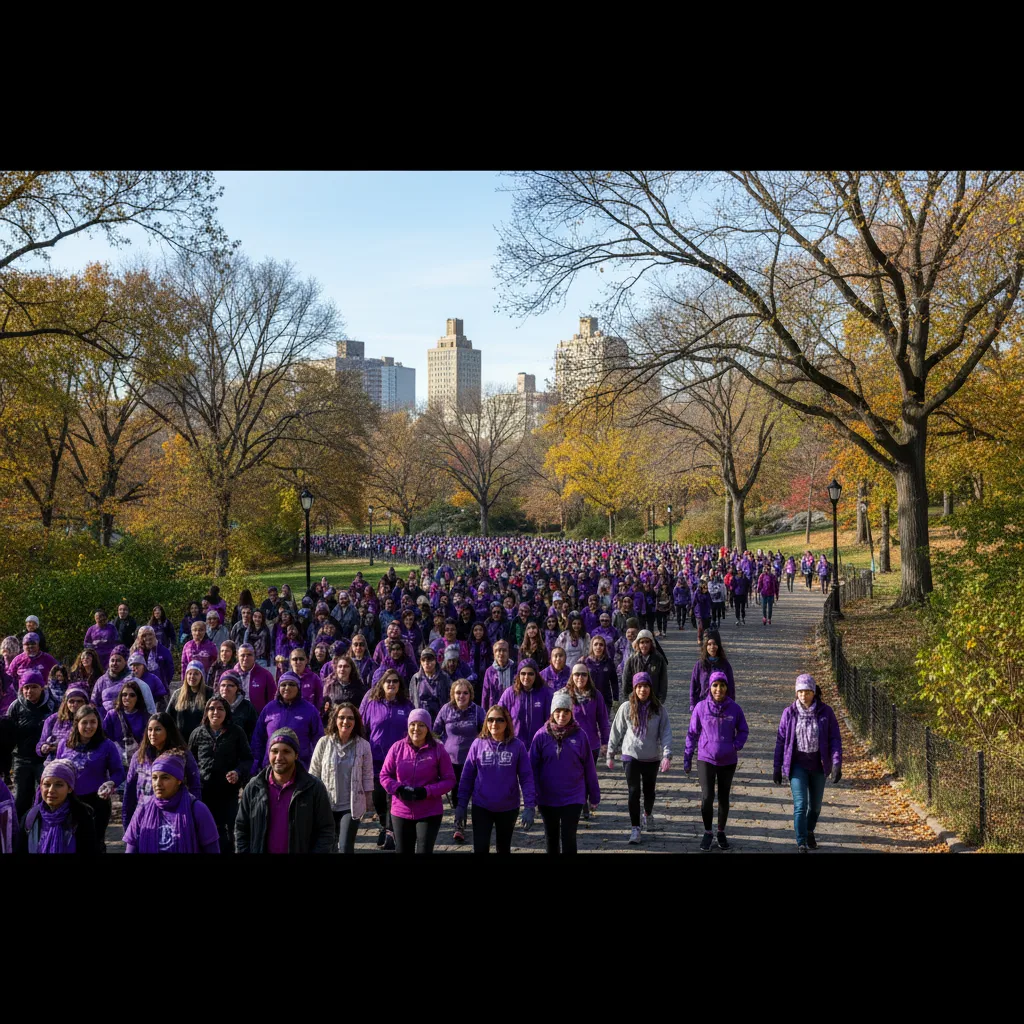
Thousands Join Walk to End Alzheimer's in Central Park
Thousands participated in the Walk to End Alzheimer's in Central Park on Saturday, with ABC7 anchors Bill Ritter and Ryan Field emceeing the event.

ABC7 Anchors Emcee Central Park Walk to End Alzheimer's Event
ABC7 New York anchors Bill Ritter and Ryan Field recently emceed the Walk to End Alzheimer's in Central Park, bringing together a large crowd of participants and supporters.

Community Members Invited to Green's Volunteer Appreciation Breakfast
The City of Green Parks & Recreation will host its annual Volunteer Appreciation Breakfast at Central Park Community Hall on November 14, 2026.

Louisville Metro Police Department Youth Creativity Program Set for November 10
Louisville Metro Police Department announced a Youth Creativity Program for November 10, 2026, at Algonquin Park. The event engages young people, fostering community connections.

Society of St. Vincent de Paul Hosts Blood Drive November 8
The Society of St. Vincent de Paul hosts a vital Blood Drive on November 8 at 48 E 84th St, urging community donations to replenish local supply. Your participation saves lives.

NYC Officials Host Postponed Macy's Parade with 100 Inflatables
New York City officials hosted the 100th Macy's Thanksgiving Day Parade on Saturday, November 28, 2026, after a postponement, featuring 100 inflatables.