


Manhattan "No Kings" March: Aerial Views Show Tens of Thousands

NEW YORK — Tens of thousands of demonstrators participated in the "No Kings" march across Manhattan on Saturday, March 28, 2026, with aerial footage revealing the immense scale of the protest. The demonstration, originating in part near Central Park, became a formidable river of people flowing through the city's avenues, capturing attention both on the ground and from above.
Video evidence, including footage widely circulated on platforms like YouTube, showcased the sheer volume of participants who joined the coordinated effort. This bird's-eye perspective highlighted the extensive reach and organizational capacity of the movement, emphasizing the unified front presented by diverse groups marching together. The visual impact underscored the significant public engagement.
Unprecedented Scale Visualized from Above
The aerial views provided a dramatic illustration of the march’s magnitude, showing unbroken lines of people extending for blocks through Manhattan. These images contrasted sharply with typical weekend scenes, transforming the city's grid into a canvas for collective expression. Experts in crowd dynamics noted the impressive logistical coordination required for such a large-scale event.
The widespread dissemination of this aerial footage amplified the message of the "No Kings" protest, reaching audiences far beyond the physical boundaries of New York City. It served as compelling evidence of the movement’s strength and the depth of public sentiment driving it. The visuals left an undeniable impression on observers worldwide, cementing the march's place in recent protest history.
Central Park Vicinity: A Staging Ground
While the march traversed many parts of Manhattan, the vicinity of Central Park played a crucial role as a staging ground and a point of convergence for early participants. Activists gathered near iconic landmarks adjacent to the park, using these spaces to organize and prepare for the day's long march. The park's open spaces indirectly facilitated the initial assembly of large groups.
Law enforcement established perimeters and managed crowd flow from these initial points, ensuring a safe departure for the marchers. The strategic choice of starting points allowed for efficient organization before the human tide moved into denser urban arteries. This meticulous planning contributed significantly to the overall orderliness observed throughout the demonstration.
Logistics of a Mass Demonstration
Organizing a march involving tens of thousands of individuals presents significant logistical challenges, from securing permits to coordinating marshals and ensuring public safety. The "No Kings" organizers worked closely with city officials and law enforcement to navigate these complexities. Their efforts focused on maintaining a peaceful environment and clear communication channels.
Volunteer marshals, identifiable by distinct vests, were deployed along the route to guide participants, distribute water, and address any immediate concerns. Public address systems were used at key points to relay instructions and inspirational messages. These concerted efforts ensured that the march proceeded smoothly, despite its vast scale and the diverse composition of its participants.
Public Reaction and Media Coverage
The aerial footage, initially shared on social media, quickly became a focal point of news coverage, appearing across national and international outlets. Commentators debated the implications of such a massive turnout, with many highlighting the ongoing political polarization and public desire for change. The visuals resonated deeply with those sympathetic to the protest's objectives.
Local residents, accustomed to large city events, still expressed awe at the sheer numbers. Discussions on community forums and local news channels often centered on the power of collective action and the visible impact of the protest. The event served as a significant moment in the city's public discourse, generating conversations about civic responsibility and political engagement.
Looking Ahead: The Movement's Trajectory
The successful "No Kings" march of March 28, 2026, is widely seen by organizers as a powerful statement and a catalyst for further action. While no immediate next steps were announced on the day of the protest, the momentum generated by such a large turnout is expected to fuel ongoing advocacy efforts. The movement aims to sustain public interest and maintain pressure on policymakers.
Future events are likely to be planned, drawing upon the lessons learned from this large-scale demonstration. The visible strength of the movement, captured so vividly from above, serves as a rallying cry for continued engagement. Organizers reiterated their commitment to peaceful advocacy, emphasizing sustained pressure as the path to achieving their objectives.
Frequently Asked Questions About the Manhattan "No Kings" March
Many people are curious about the scale and significance of the "No Kings" march in Manhattan. This massive demonstration, held on March 28, 2026, saw tens of thousands of participants marching through the city, with aerial views confirming its vastness. The protest originated in areas around Central Park and proceeded through major avenues, advocating against various governmental policies.
The event was organized by a coalition of activist groups committed to non-violent action, working with city authorities to ensure a safe and orderly procession. Participants expressed a wide range of grievances but united under the banner of demanding greater accountability and democratic principles. For a visual representation of the scale of the march, see the aerial footage on YouTube: Tend of Thousands March through MANHATTAN For No Kings 03/28/2026.
Related Articles
More in Urban Policy & Development →
NYC Mayor Mamdani Booed at Union Square October 7 Vigil
Mayor Mamdani faced boos and protests at a Union Square vigil Thursday marking the Oct. 7 attacks, highlighting deep community divisions in NYC.
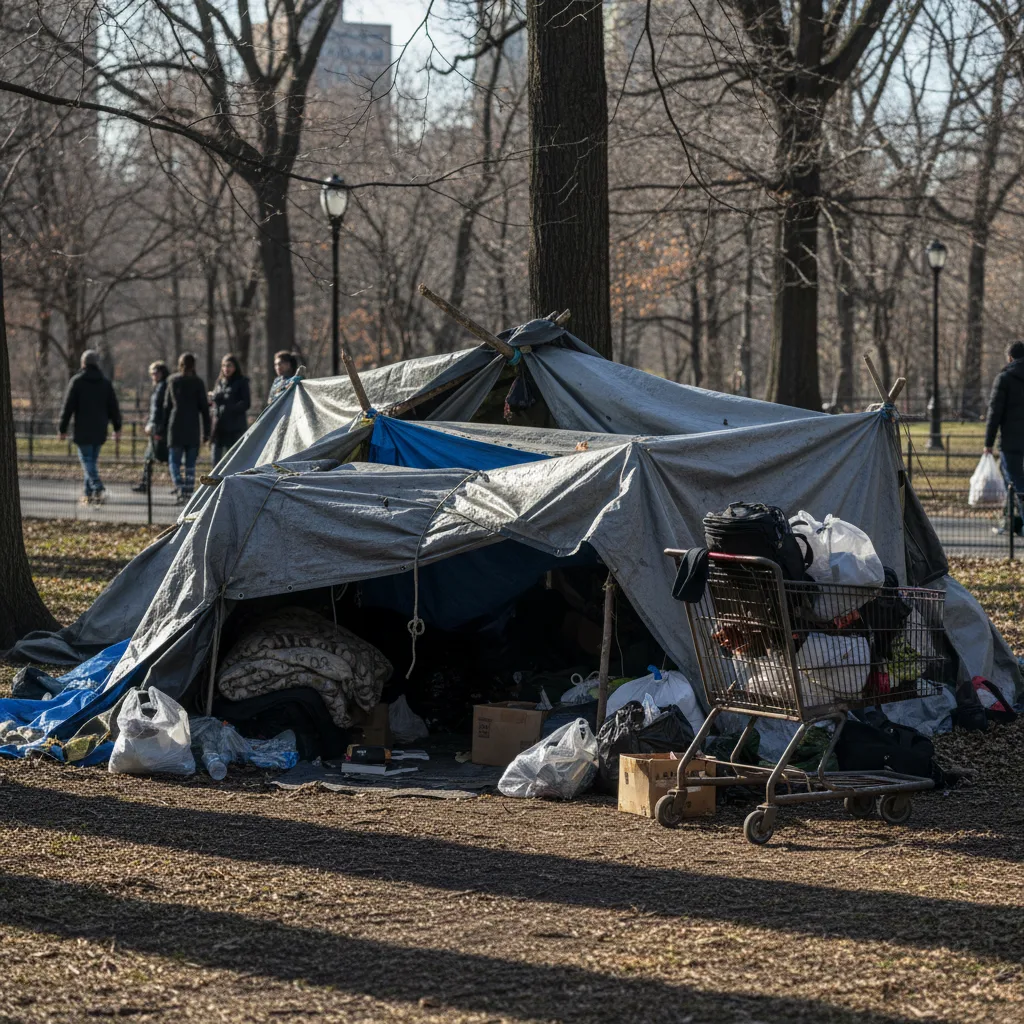
NYC Homeless Encampments Spotted Across Manhattan, Raising Concerns
Multiple homeless encampments have been spotted across Manhattan, raising significant concerns about urban policy and public safety. City officials are under pressure to address the growing homelessness crisis.
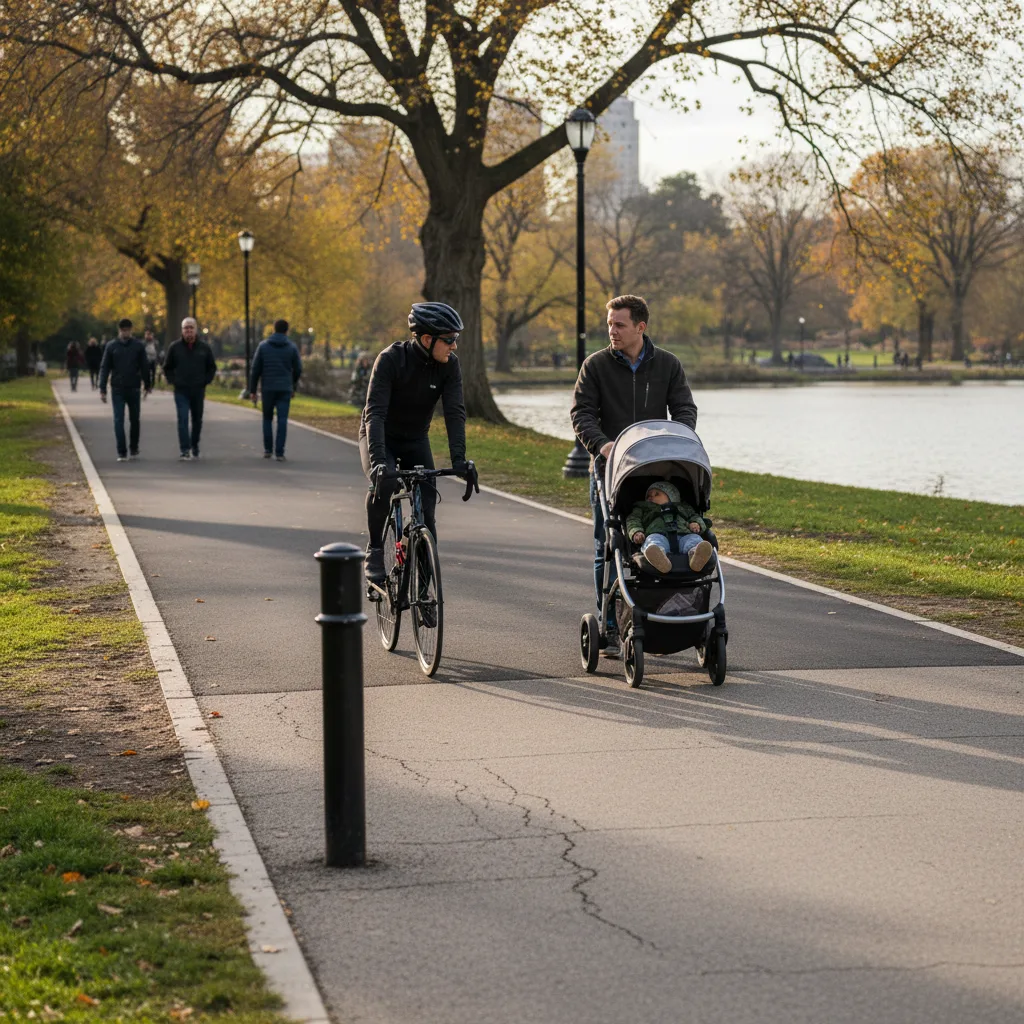
Safety Advocate Blames Park Redesign for Rising Central Park Cyclist Crashes
Safety advocates blame recent Central Park redesigns for a pedestrian's death and rising cyclist crashes, calling for urgent review of infrastructure.
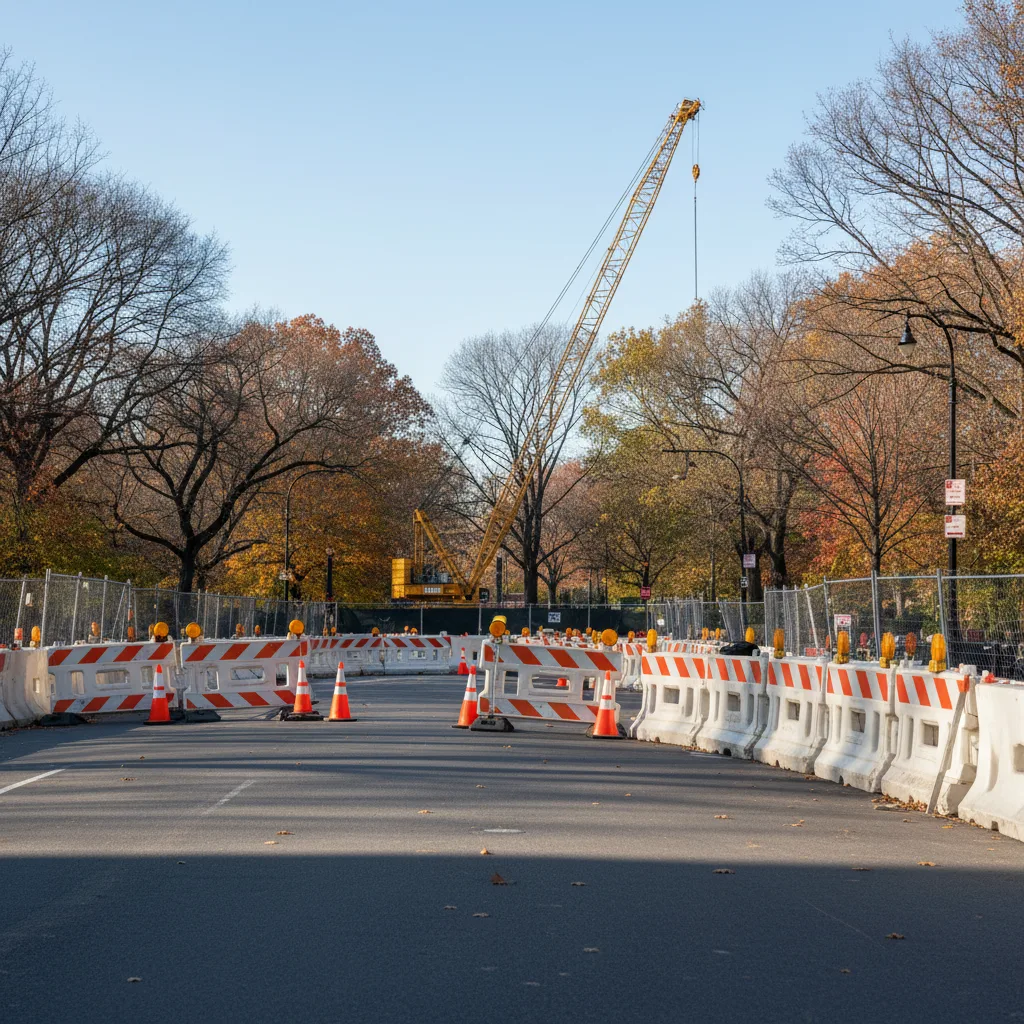
NYC DOT Advises Central Park Area Traffic Disruptions September 27
NYC DOT issued advisories for major traffic disruptions near Central Park on September 27, 2026, due to a parade and crane operations. Expect delays.
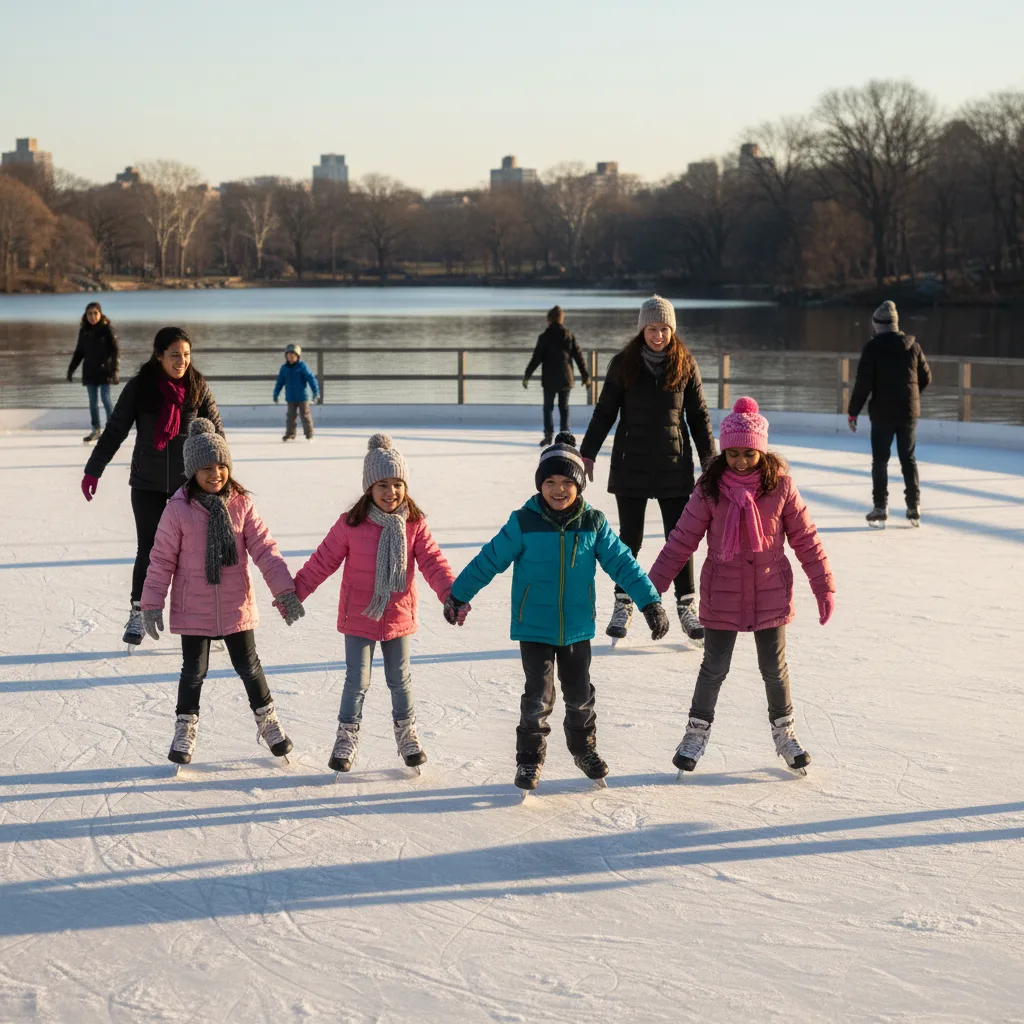
Davis Center at Harlem Meer Unveils State-of-the-Art Facilities
The new Davis Center at the Harlem Meer in Central Park's north end now features a state-of-the-art pool, ice rink, and multi-use turf field, enhancing community recreational options.

NYC City Record Confirms September 21, 2026, Publication Schedule
The NYC City Record confirmed its September 21, 2026, publication schedule, detailing administrative notices, procurement, and public hearings. This ensures transparency for municipal operations and public access to vital city information.