


"Mega Bridge" Proposal Could Reshape NYC Transport, Central Park Access
NEW YORK — “Any major infrastructure project of this scale would fundamentally alter the flow of traffic and people in and around New York City, and we must meticulously evaluate its long-term impacts on everything from local communities to our cherished green spaces like Central Park.” This sentiment, expressed by Dr. Evelyn Reed, an urban planning expert at Columbia University, highlights the intense scrutiny surrounding a conceptual “mega bridge” designed to bypass New York City.
This ambitious proposal, currently a subject of speculative discussion among infrastructure futurists and transportation planners, envisions a massive new crossing that would divert significant interstate traffic away from the crowded arteries of Manhattan. While still largely hypothetical, the potential implications for New York City’s environment, including its iconic Central Park, are already sparking debate.
Unpacking the "Mega Bridge" Concept
The conceptual “mega bridge” is designed to provide an alternative route for commuter and commercial traffic currently traversing the congested bridges and tunnels leading into and out of New York City. The idea posits a structure that would span a significant waterway, likely the lower Hudson River or Long Island Sound, significantly south or north of the city’s core.
Proponents argue that such a bypass could dramatically reduce traffic volume in Manhattan, alleviating pressure on the Lincoln and Holland Tunnels, as well as the George Washington Bridge. This reduction could, in turn, lessen air pollution and traffic noise within the city, including areas adjacent to Central Park.
However, the engineering and logistical challenges, alongside an estimated cost potentially exceeding $50 billion, are staggering. The proposal remains in early conceptual stages, circulated primarily through academic papers and specialized infrastructure forums, rather than concrete legislative initiatives. The concept gained traction through a popular online video exploring grand engineering ideas.
Potential Environmental and Urban Impact
While a reduction in urban traffic could offer environmental benefits, the construction itself would present immense challenges. Environmental impact assessments would need to consider everything from marine ecosystems to migratory bird patterns, which are particularly relevant to the biodiverse habitats within and around Central Park.
Professor David Miller, an environmental policy specialist at NYU, noted, “Building a structure of this magnitude would involve years of intense construction activity, significant land acquisition, and a colossal carbon footprint. The benefits of reduced city traffic would need to be weighed against these immediate, profound disruptions.” His analysis suggests complex trade-offs.
Conversely, a cleaner, less congested city could enhance the visitor experience in Central Park, making it more accessible and pleasant for both residents and tourists. Less through-traffic might encourage more pedestrian and cycling access points, potentially improving the park's eastern and western entrances.
Reshaping Central Park Access and Tourism
Central Park, already a major tourist magnet, could see shifts in visitor demographics and access patterns if a mega bridge materialized. Reduced vehicular traffic could make traditional park entry points, such as those along Fifth Avenue and Central Park West, more pedestrian-friendly and less impacted by vehicle emissions.
Currently, Central Park draws over 42 million visitors annually, contributing significantly to the city's tourism economy. Any project that simplifies or complicates access to this landmark would have far-reaching economic consequences. Public transportation infrastructure would also need to adapt to new traffic flows.
Urban planning consultant, Lena Schmidt, suggested, “If less traffic bottlenecks occur downtown, commuters might find it easier to use public transit that takes them to the park’s vicinity. This could effectively 'decentralize' some traffic, indirectly benefiting areas like the Grand Army Plaza entrance.” This kind of project creates a cascade of effects throughout the urban system, potentially impacting even Central Park’s playground nominations by making them more accessible.
Challenges and Future Considerations
The primary hurdles for any mega bridge project bypassing NYC are political will, funding, and public acceptance. Securing consensus across multiple states—New York, New Jersey, and potentially Connecticut—would be a monumental task, given the regional complexities of infrastructure development.
New York State Department of Transportation (NYSDOT) officials, while not directly addressing this specific hypothetical bridge, frequently discuss the need for improved regional connectivity. Commissioner Marie Davis noted last month that “we are always exploring innovative solutions to alleviate congestion, but any project must demonstrate overwhelming public benefit and fiscal prudence.” She underscored the scale of such endeavors.
The long-term planning horizon for such a project would span decades, requiring sustained commitment across multiple administrations. As of 2026, the discussion remains primarily conceptual, offering a glimpse into ambitious, future-oriented thinking about urban infrastructure. The conversation highlights the dynamic relationship between monumental human creations and natural urban oases.
Frequently Asked Questions About the NYC Mega Bridge Proposal
What is the "mega bridge" proposal? It is a conceptual infrastructure project envisioning a massive new bridge designed to bypass New York City, diverting interstate and commercial traffic away from congested Manhattan routes. It aims to reduce city traffic and pollution.
How could it impact Central Park? If implemented, the bridge could indirectly benefit Central Park by reducing vehicular traffic and associated pollution near its borders, potentially making park access more pleasant for pedestrians and cyclists. It could also affect visitor flow and local air quality.
What are the main challenges for this project? Significant challenges include the enormous cost (potentially over $50 billion), complex engineering, environmental impact concerns, and the immense political and logistical hurdles of securing consensus and funding across multiple states like New York and New Jersey.
Is this bridge currently being planned or built? No, the "mega bridge" is currently a conceptual proposal, primarily discussed in academic and infrastructure circles. It is not under active planning or construction by any government agency as of 2026.
Who is discussing this proposal? Urban planners, transportation experts, environmental specialists, and infrastructure futurists are discussing the concept. It gained broader attention through online content exploring large-scale engineering ideas for urban centers.
Related Articles
More in Park Operations & Maintenance →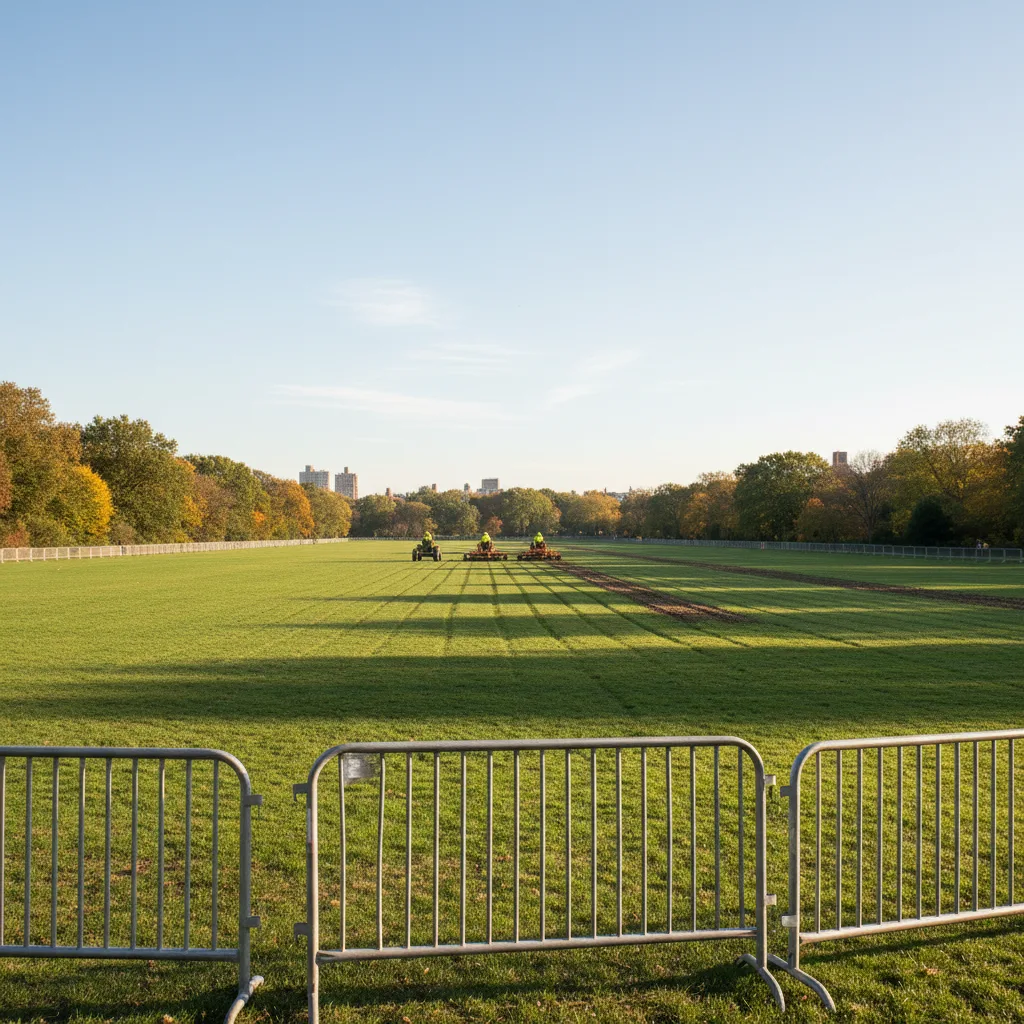
Central Park Conservancy Closes Great Lawn for Scheduled Maintenance
The Central Park Conservancy closed the Great Lawn through October 2, 2026, for scheduled maintenance, impacting weekend activities. Essential upkeep ensures the iconic green space remains vibrant for visitors.
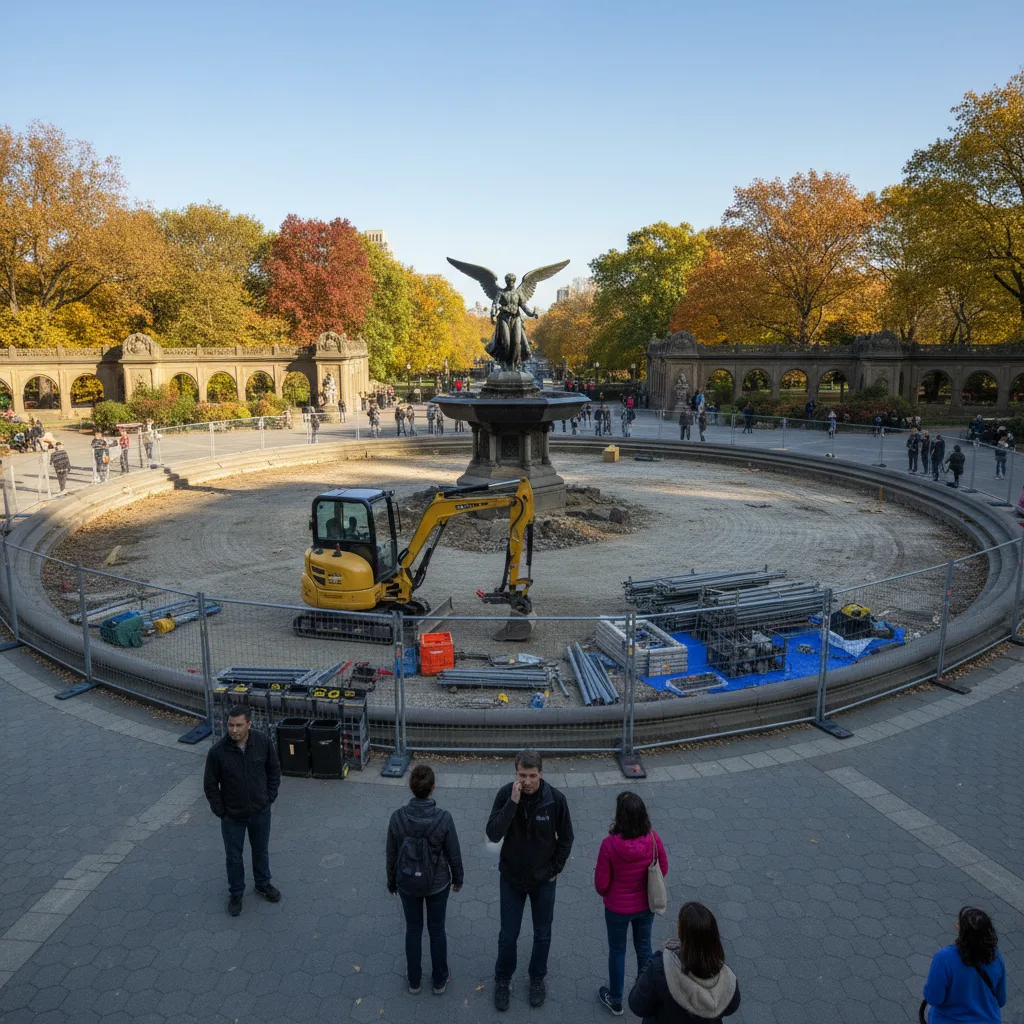
Central Park Conservancy Announces Bethesda Fountain, Great Lawn Closures
Central Park Conservancy announced Bethesda Fountain is off for restoration and the Great Lawn closed through October 2, 2026 for maintenance, affecting visitor access.
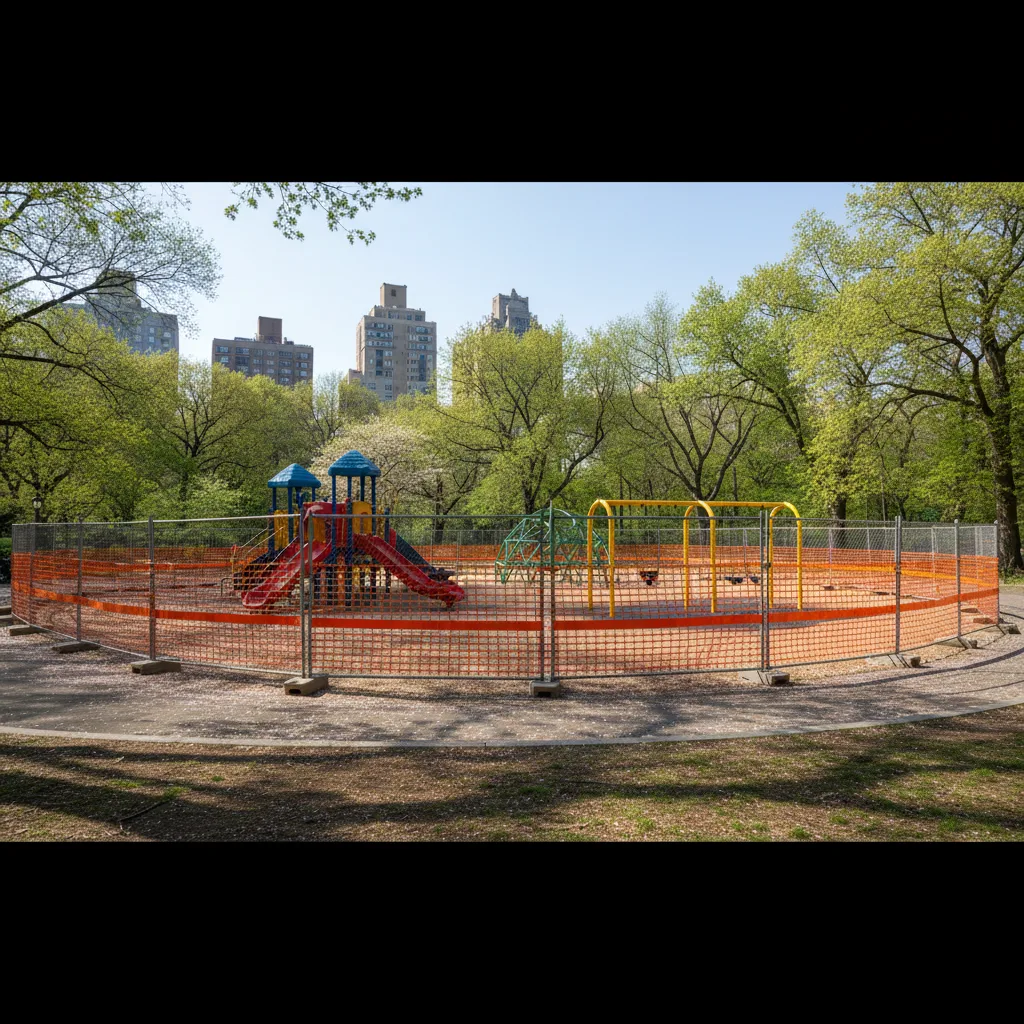
Central Park Conservancy Closes East 110th Street Playground for Restoration
Central Park Conservancy closed the East 110th Street Playground for restoration, while North Meadow and Heckscher ballfields shut due to weather. Plan your visit; check alerts for closures impacting recreation in Central Park.
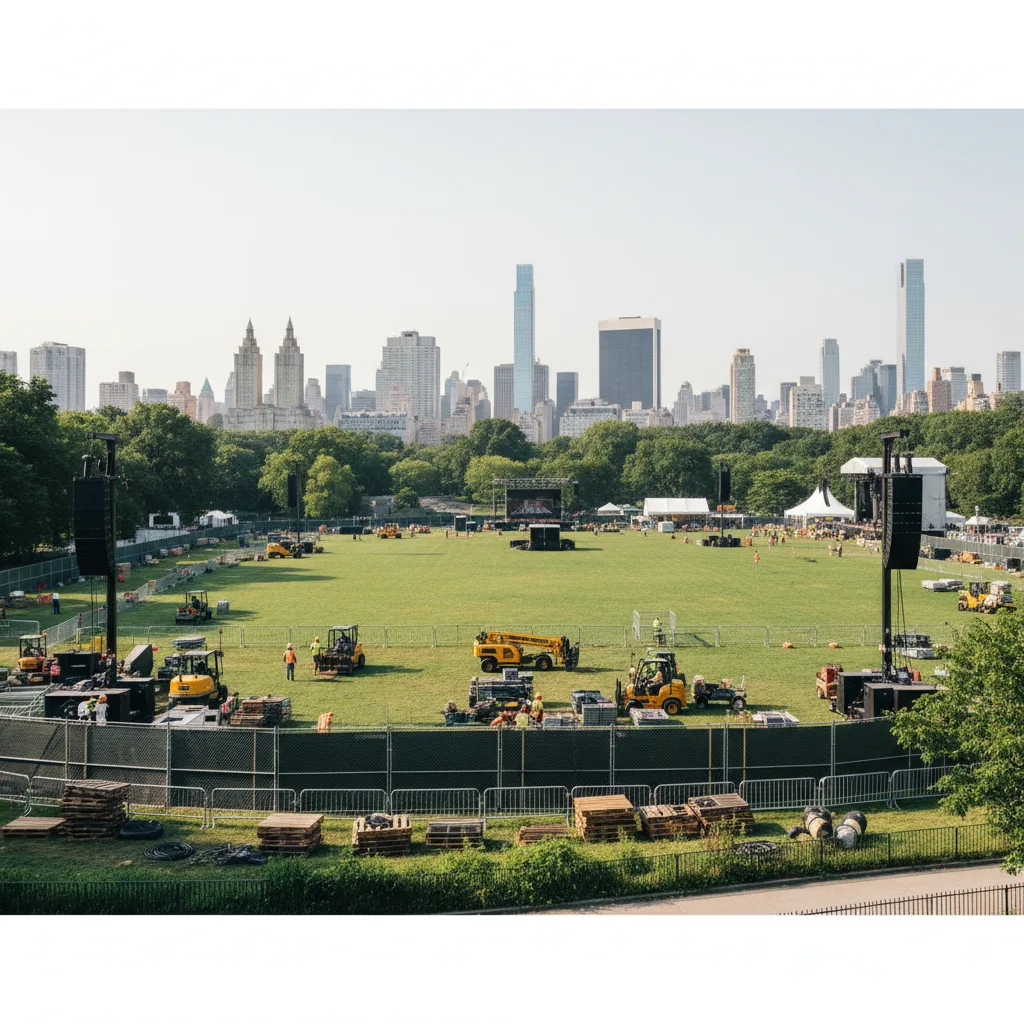
Central Park Conservancy Closes Great Lawn for Global Citizen Festival
Central Park Conservancy confirmed the Great Lawn is closed through September 26, 2026, for the Global Citizen Festival, affecting access to Belvedere Castle and Turtle Pond. Local residents and visitors should plan alternate routes and expect traffic delays around the park's perimeter.
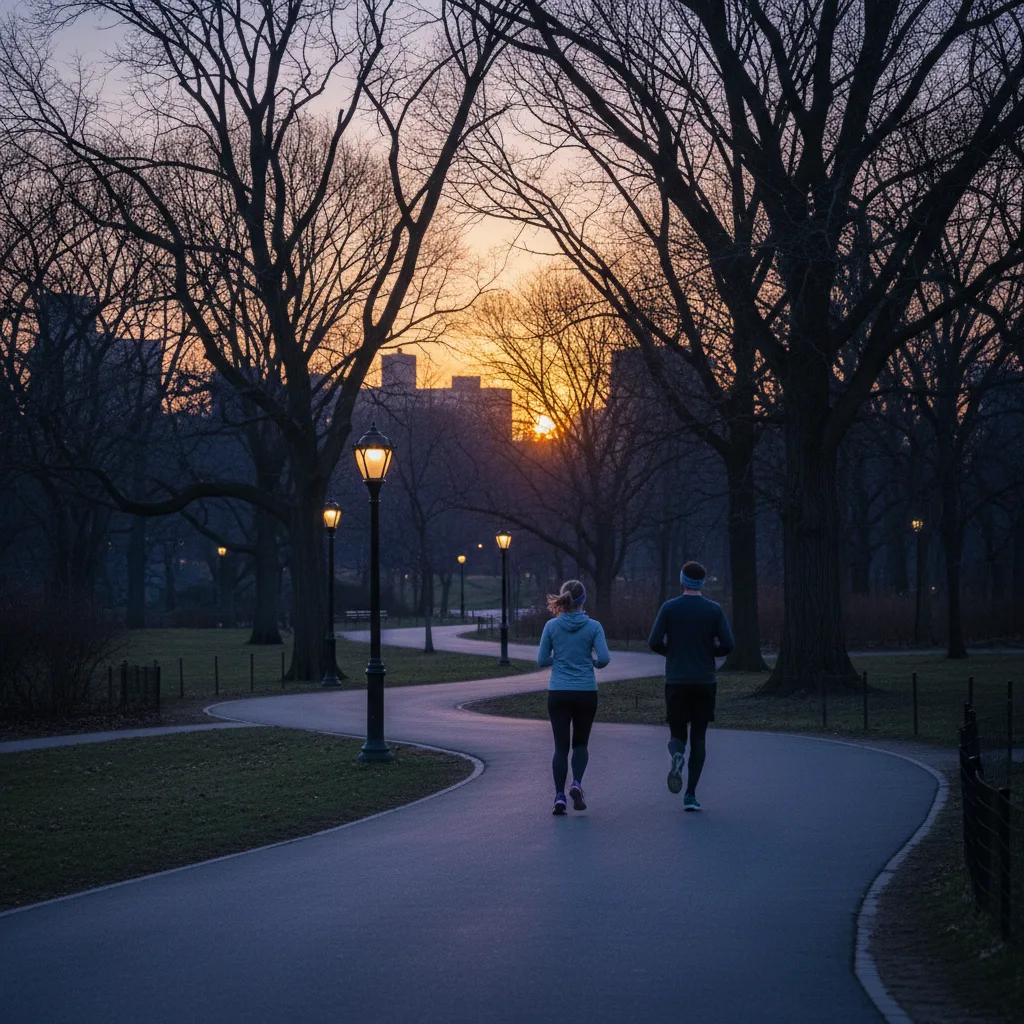
Central Park Conservancy Confirms 2026 Daily Operating Hours
Central Park Conservancy confirms 2026 daily hours: 6:00 a.m. to 1:00 a.m. This notice is for visitor planning, not a change.
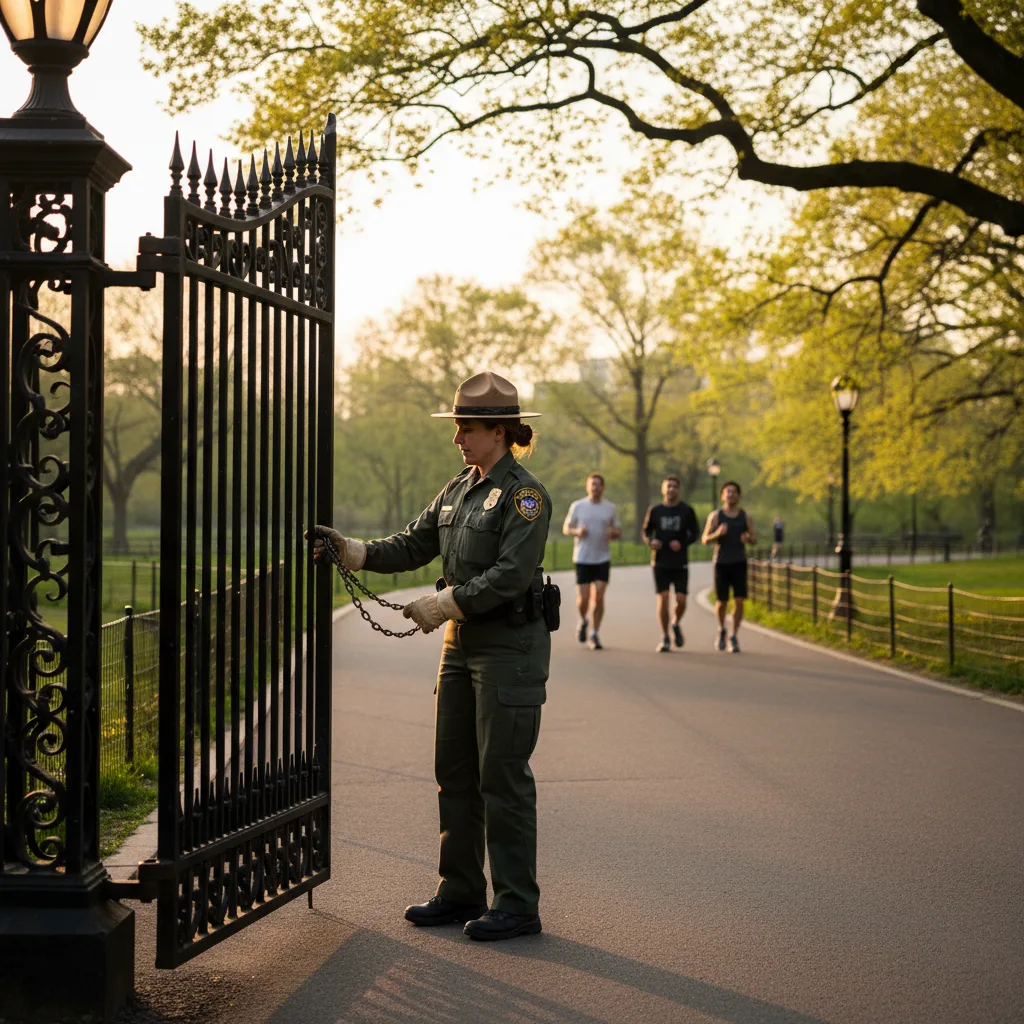
Central Park Conservancy Announces Park Hours Update for 2026
Central Park Conservancy announced updated 2026 park hours, maintaining 6:00 a.m. to 1:00 a.m. access daily. This schedule balances public enjoyment with critical maintenance and security operations.