


New York City's Abandoned Snow Routes Impact Winter Operations, February 6, 2026

New York City's decision to abandon its car-free "snow routes" in 2013 continues to draw scrutiny, particularly in the context of recent winter conditions and their impact on urban mobility. A February 6, 2026, article highlighted how the absence of these dedicated routes complicates snow removal efforts across the five boroughs, with significant implications for Central Park’s extensive network of pedestrian and cyclist pathways. The policy shift, nearly a decade and a half ago, remains a point of contention among transportation experts and urban planners, who argue it has degraded the city's ability to efficiently clear essential arteries for multi-modal transit.
The 2013 Policy Shift and Its Criticisms
The "snow routes" system, established prior to 2013, designated specific street lanes and bike paths to remain clear of parked cars during snow emergencies. This allowed sanitation crews to more effectively and rapidly clear snow, ensuring safer passage for buses, emergency vehicles, cyclists, and pedestrians. However, the administration in power at the time opted to eliminate these designated car-free zones, citing various operational and logistical concerns. Critics, including renowned transportation expert 'Gridlock' Sam Schwartz, have consistently voiced strong opposition to this change. Schwartz, often quoted on urban planning matters, contends that the abandonment of these routes was a detrimental decision, directly hindering the city's snow removal efficiency. He argues that the policy change created unnecessary obstacles for the Department of Transportation (DOT) and the Department of Sanitation (DSNY) in their crucial efforts to maintain accessible and safe thoroughfares during inclement weather, impacting everything from public transit schedules to emergency services.
Implications for Central Park's Winter Accessibility
While the primary focus of the abandoned snow routes was city streets, the policy's ripple effects are keenly felt within Central Park. The park's numerous pedestrian walkways, jogging paths, and bike lanes are heavily used year-round, and their rapid clearing after snowfall is paramount for visitor safety and accessibility. Without a city-wide framework that prioritizes specific routes for efficient snow removal, the park's internal infrastructure can become challenging to navigate, forcing closures or creating hazardous conditions. The absence of a coordinated 'car-free' approach at the city level can indirectly strain the Central Park Conservancy's resources, as they must dedicate significant efforts to clearing pathways that might otherwise benefit from a more streamlined, city-supported strategy. Maintaining clear access points and pathways within the park is vital for both recreational users and those relying on it for daily commutes, underscoring the broader impact of city-level policy decisions on local green spaces.
Key Points:
- NYC abandoned car-free "snow routes" in 2013, impacting winter operations.
- A February 6, 2026, article highlights ongoing issues with snow removal efficiency.
- Experts like 'Gridlock' Sam Schwartz criticize the 2013 policy change.
- The abandonment hinders clearing for bikes, buses, and cars.
- Central Park's internal pathways and accessibility are significantly affected by this policy.
Related Articles
More in Park Operations & Maintenance →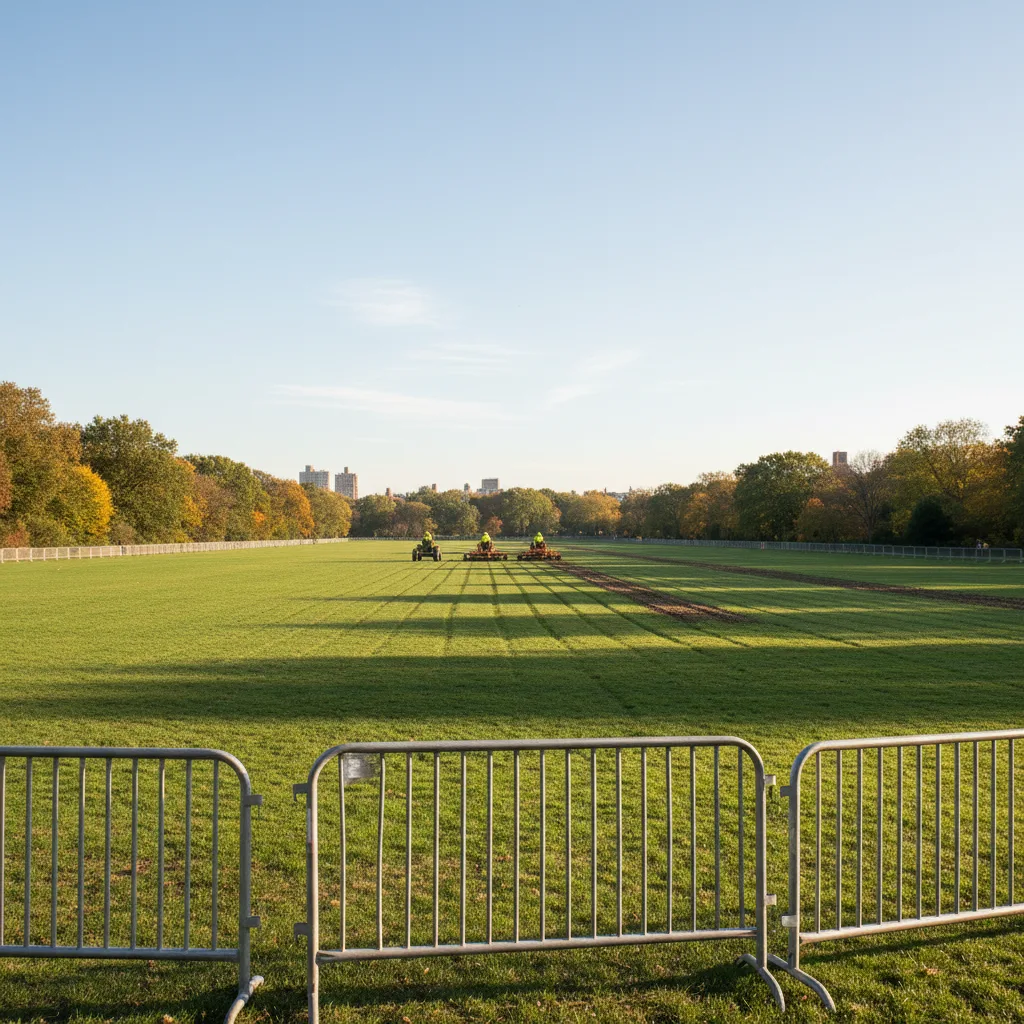
Central Park Conservancy Closes Great Lawn for Scheduled Maintenance
The Central Park Conservancy closed the Great Lawn through October 2, 2026, for scheduled maintenance, impacting weekend activities. Essential upkeep ensures the iconic green space remains vibrant for visitors.
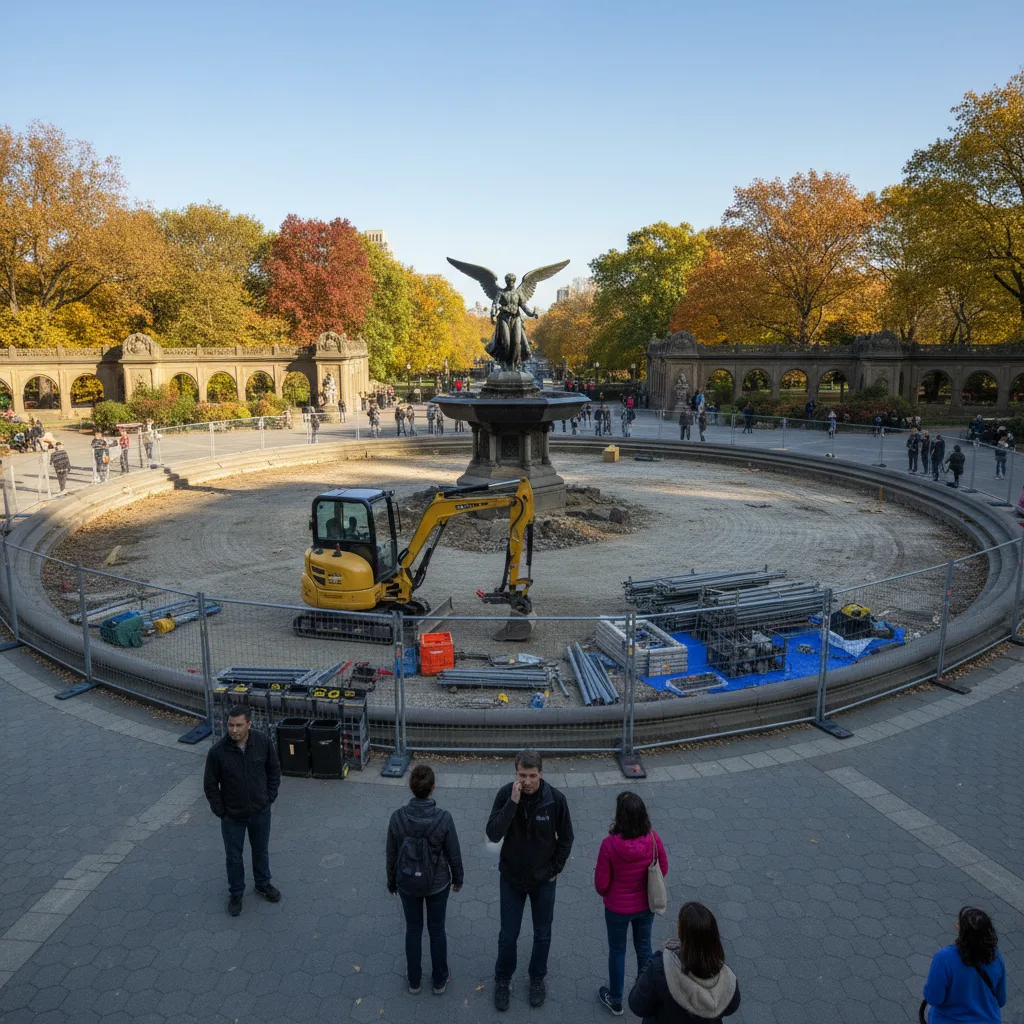
Central Park Conservancy Announces Bethesda Fountain, Great Lawn Closures
Central Park Conservancy announced Bethesda Fountain is off for restoration and the Great Lawn closed through October 2, 2026 for maintenance, affecting visitor access.
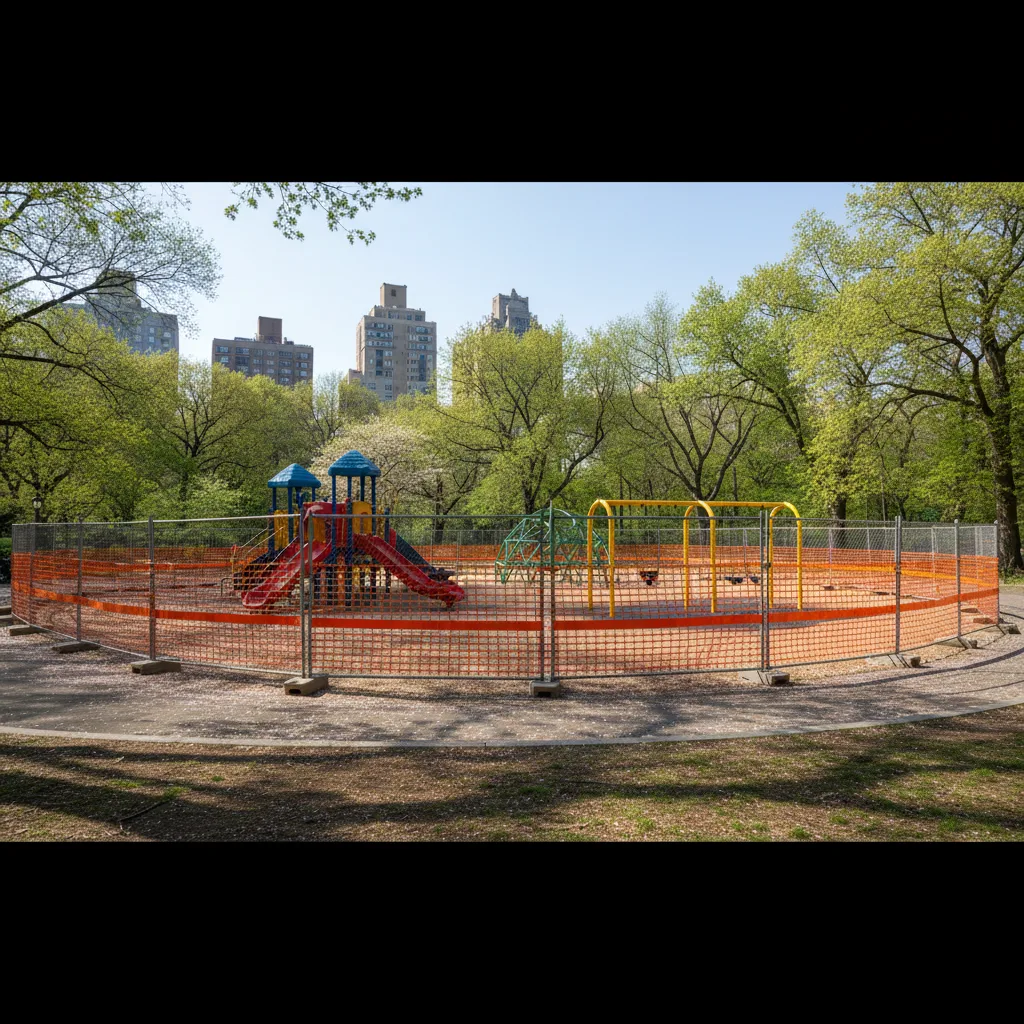
Central Park Conservancy Closes East 110th Street Playground for Restoration
Central Park Conservancy closed the East 110th Street Playground for restoration, while North Meadow and Heckscher ballfields shut due to weather. Plan your visit; check alerts for closures impacting recreation in Central Park.
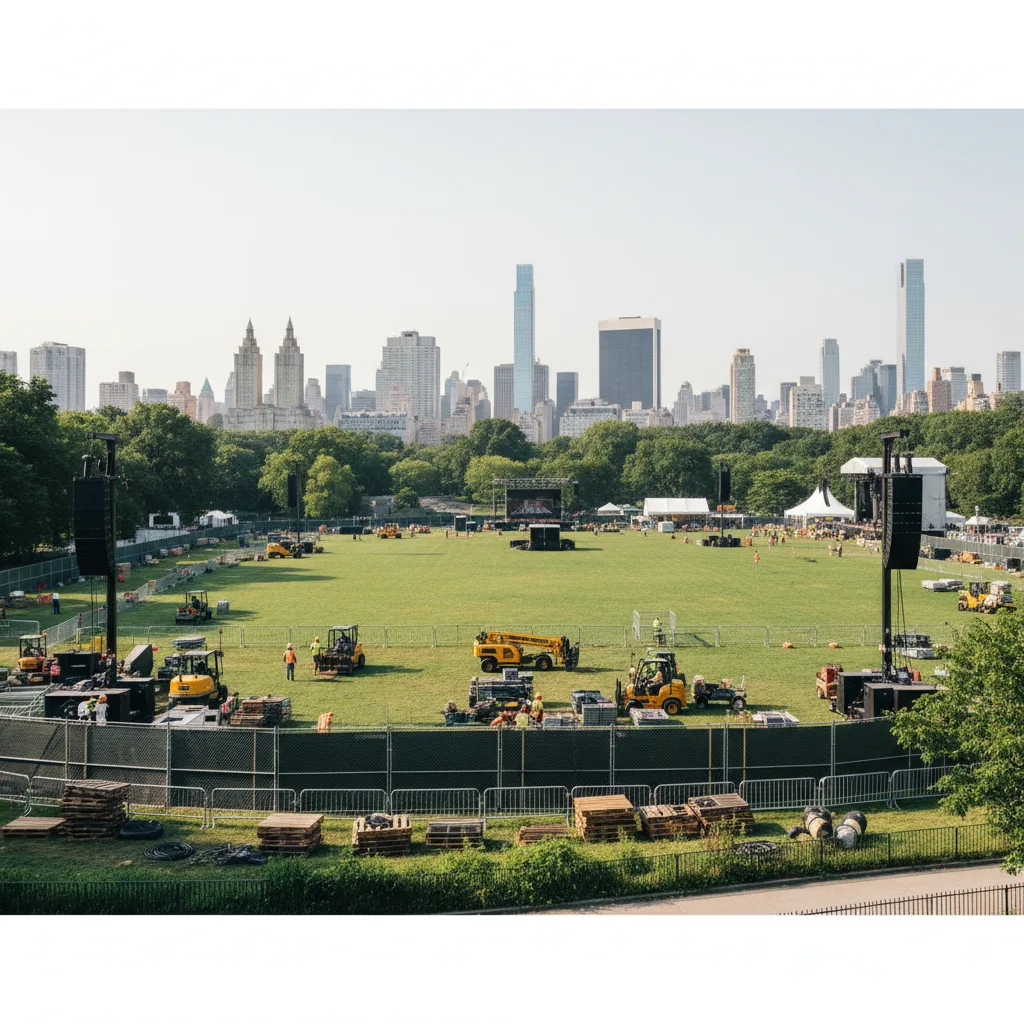
Central Park Conservancy Closes Great Lawn for Global Citizen Festival
Central Park Conservancy confirmed the Great Lawn is closed through September 26, 2026, for the Global Citizen Festival, affecting access to Belvedere Castle and Turtle Pond. Local residents and visitors should plan alternate routes and expect traffic delays around the park's perimeter.
Central Park Conservancy Confirms 2026 Daily Operating Hours
Central Park Conservancy confirms 2026 daily hours: 6:00 a.m. to 1:00 a.m. This notice is for visitor planning, not a change.
Central Park Conservancy Announces Park Hours Update for 2026
Central Park Conservancy announced updated 2026 park hours, maintaining 6:00 a.m. to 1:00 a.m. access daily. This schedule balances public enjoyment with critical maintenance and security operations.