


February 23, 2026 Blizzard Transforms Manhattan Landscape, Affecting Central Park Accessibility

NEW YORK, NY – A significant blizzard that swept through New York City on February 23, 2026, dramatically altered the Manhattan landscape, enveloping the borough in heavy snow and presenting considerable challenges for residents and city services. The severe weather event, which brought an accumulation of several inches of snow, created treacherous conditions across streets and sidewalks, impacting travel and daily routines.
The extensive snowfall notably affected Central Park, a major green space in Manhattan. While the park became a popular destination for those seeking its transformed beauty, accessibility to and within the park was a major concern. Main pathways required continuous clearing by park maintenance crews, and side trails remained impassable for much of the day due to deep snow drifts. The blizzard underscored the formidable power of winter weather on the urban environment.
Impact on Manhattan Infrastructure and Travel
Throughout Manhattan, the blizzard caused widespread disruptions to transportation networks. Public transit systems, including buses and the subway, experienced delays, reroutes, and service suspensions, making commuting difficult and unsafe for many. Major roadways and avenues were blanketed in snow, leading to reduced visibility and hazardous driving conditions, prompting authorities to advise against non-essential travel. Emergency services faced increased call volumes related to accidents and weather-induced issues, stretching resources across the borough.
City Sanitation Department crews were deployed en masse, working tirelessly to clear primary arteries and essential public spaces. The sheer volume of snow, however, meant that secondary streets and sidewalks remained largely uncleared for hours, forcing pedestrians to navigate difficult terrain. Local businesses, particularly those reliant on foot traffic, experienced a significant downturn in activity, highlighting the economic ripple effects of such a severe weather event.
Central Park Conditions Amidst the Snowstorm
Within Central Park, the blizzard created a stark yet beautiful dichotomy. While the park's natural areas, such as the Ramble and various wooded sections, became quiet and isolated under a thick layer of snow, popular open spaces like the Great Lawn and Sheep Meadow became impromptu sites for winter recreation. Despite the challenges, the park remained a focal point for New Yorkers seeking a momentary escape from the city's usual hustle and bustle.
Park management issued advisories urging visitors to exercise caution, stay on cleared paths, and be aware of falling branches or slippery surfaces. The heavy snowfall also posed risks to the park's arboreal collection, with some trees suffering damage from the weight of the snow. The conditions provided a unique visual spectacle, documented by many through photography and video, showcasing the resilience of both the city and its inhabitants in the face of a significant natural event. The comprehensive impact of the blizzard on Manhattan's infrastructure and the subsequent transformation of Central Park served as a powerful reminder of nature's influence on urban life.
Key Points:
- A blizzard on February 23, 2026, heavily impacted Manhattan, covering the borough in snow.
- Central Park's accessibility was significantly affected, with many areas challenging to navigate.
- Public transportation and roadways experienced widespread disruptions and hazardous conditions.
- City cleanup crews worked extensively to clear streets, but secondary areas remained challenging.
- Central Park offered unique visual beauty and recreational opportunities, albeit with safety advisories.
Related Articles
More in Weather & Health →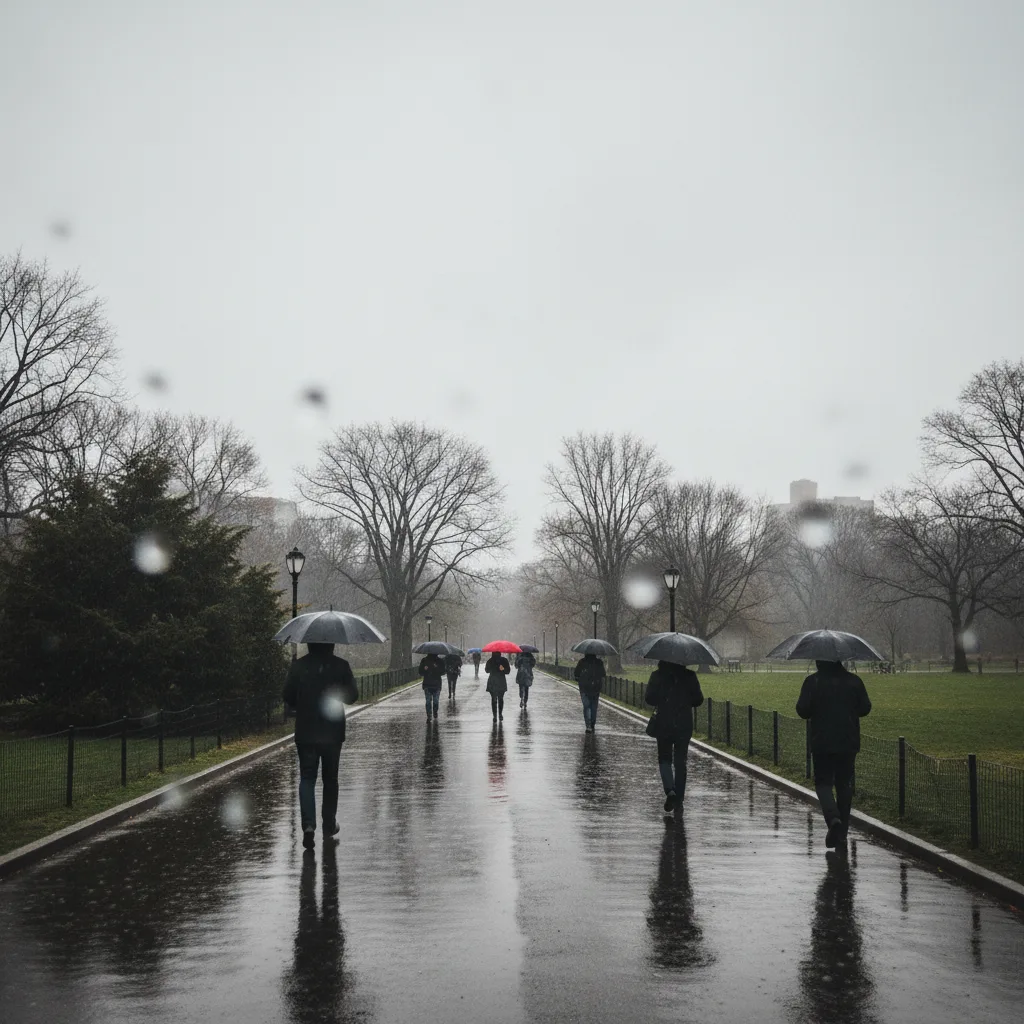
Central Park Radar Shows Current Rain Conditions and Near-Term Updates
Central Park visitors are seeing current rain conditions and near-term precipitation updates on AccuWeather radar, affecting outdoor activities and park operations.

September 2026 Central Park Weather Forecast Reveals Mild Conditions
Central Park's September 2026 weather forecast projects mild daily highs between 70-82°F and lows 57-66°F. Plan outdoor activities; comfortable conditions expected for park visitors.

Central Park Visitors Face Intermittent Rain, Cooler Temps Sunday Night
Central Park experienced cool temperatures and intermittent rain on Sunday, September 27, 2026, with a temperature of 57.0°F recorded. Visitors should plan accordingly.
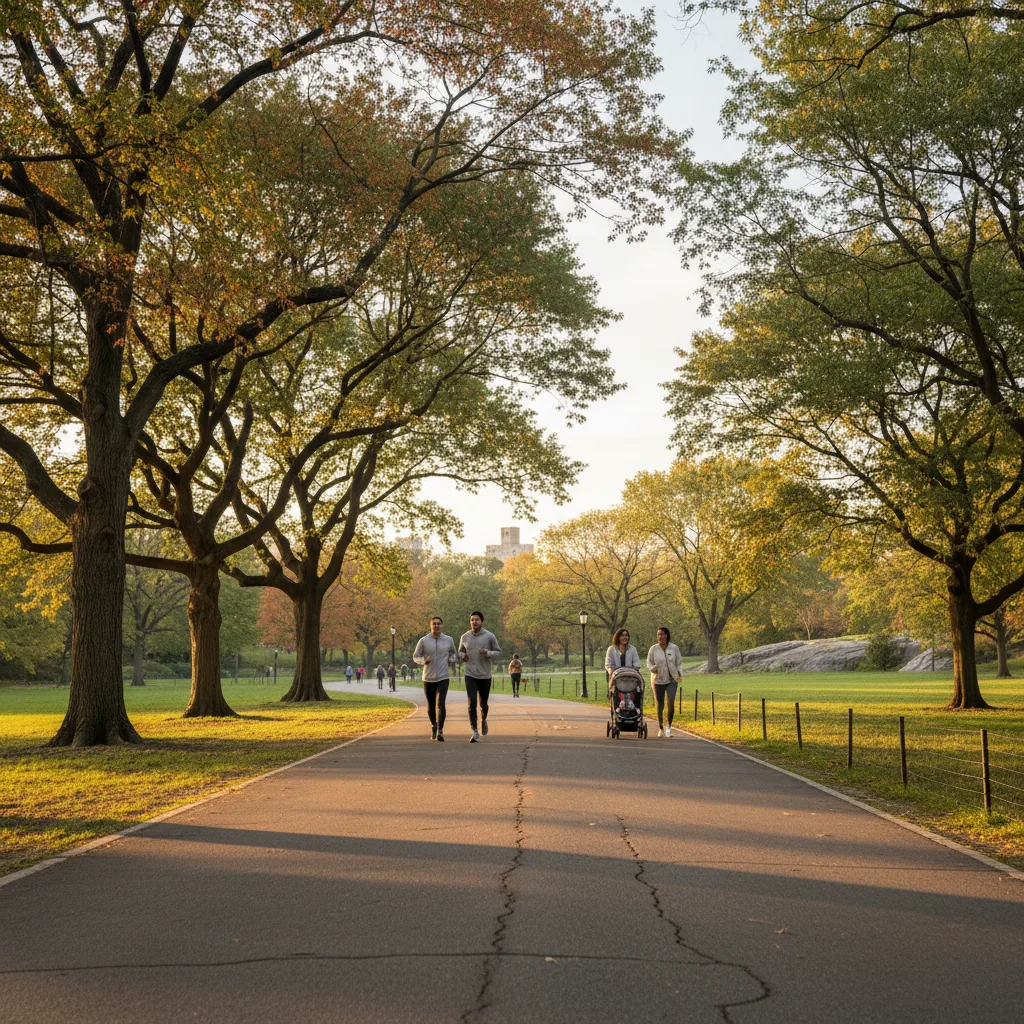
Central Park Records 72°F Max, 58°F Min Temperatures September 27
Central Park observed a maximum temperature of 72°F and minimum of 58°F on Sunday, September 27, 2026, according to the NWS climatological report.
AccuWeather Forecasts 64°F, 59°F for Central Park September 27
AccuWeather forecast a high of 64°F and low of 59°F for Central Park on September 27, 2026, slightly below monthly averages, indicating a cooler day.
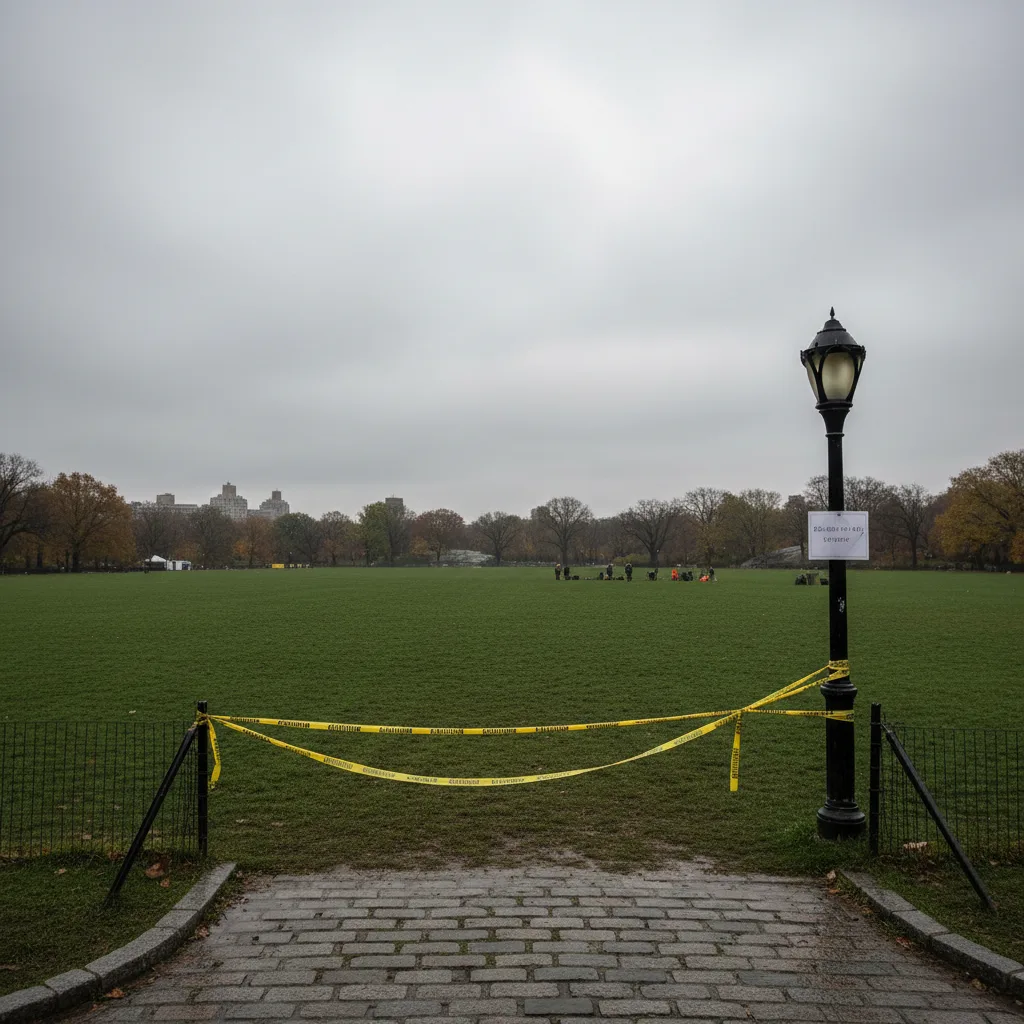
Global Citizen Festival in Central Park Canceled Due to Nor'easter Threat
Global Citizen Festival in Central Park was canceled Thursday due to an approaching nor'easter, affecting thousands and prompting safety concerns. New Yorkers should check for updated park alerts and traffic changes related to the storm.