


New York Cycle Club Files Lawsuit Against City Over Central Park 15 MPH Bike Speed Limit

The New York Cycle Club (NYCC) has initiated legal action against New York City, challenging the recently implemented 15 mile per hour (mph) bike speed limit within Central Park. The lawsuit, filed on February 18, 2026, asserts that the new regulation poses a "real threat to active transportation" and severely undermines the ability of competitive cyclists to train effectively in the city's iconic green space.
According to the NYCC, Central Park's loop roads represent the only suitable infrastructure in Manhattan for high-level cycling training. The club argues that the 15 mph limit makes it impossible for athletes to conduct necessary workouts, particularly those preparing for sanctioned races, including Olympic competitions. This legal challenge highlights a growing tension between park safety regulations and the needs of specific user groups.
Cycle Club Details Impact on Competitive Training and Infrastructure
The core of the New York Cycle Club's argument centers on the unique role Central Park plays in the training regimens of serious cyclists. The club’s filing emphasizes that the park's relatively uninterrupted paved pathways and varied terrain offer an unparalleled environment for structured, high-intensity workouts that are crucial for competitive preparation. Unlike other city streets, Central Park provides longer stretches for sustained effort, elevation changes, and minimal traffic interruptions, making it an essential training ground. The NYCC contends that limiting speeds to 15 mph effectively renders the park unusable for the specific physiological demands of competitive cycling, forcing athletes to seek training opportunities outside the city or, more likely, to abandon crucial aspects of their regimen.
The lawsuit suggests that while safety is a legitimate concern, the blanket 15 mph restriction fails to differentiate between recreational riders and trained athletes who require higher speeds for specific intervals and conditioning. The club argues that this generalized approach overlooks the significant investment cyclists make in specialized equipment and professional coaching, all predicated on access to appropriate training environments. Without Central Park, Manhattan lacks any viable alternative for such rigorous preparation, placing New York City's competitive cycling community at a distinct disadvantage.
Broader Implications for Active Transportation and Park Accessibility
Beyond competitive training, the New York Cycle Club's lawsuit also raises questions about the broader implications of the speed limit for "active transportation" within Central Park. Active transportation generally refers to non-motorized forms of travel, such as cycling and walking, that contribute to physical activity and environmental sustainability. The NYCC's stance implies that overly restrictive speed limits could disincentivize cycling as a mode of transportation or exercise for a significant segment of the population, thereby hindering broader public health and environmental goals.
While the city has often cited pedestrian safety as a primary driver for implementing speed restrictions in parks, the lawsuit forces a re-evaluation of how such regulations balance the diverse needs of park users. Proponents of higher speed limits for cyclists often point to the health benefits of vigorous exercise and the role of cycling in reducing traffic congestion and pollution. The legal challenge could prompt a wider debate on defining appropriate usage standards for shared public spaces like Central Park, aiming to accommodate both safety and the varied activities that contribute to the park's vibrant ecosystem. The outcome of this lawsuit could set a precedent for how similar regulations are approached in urban parks nationwide.
Key Points:
- The New York Cycle Club (NYCC) has filed a lawsuit against New York City over the 15 mph bike speed limit in Central Park.
- The NYCC claims the limit undermines high-level training for competitive cyclists, including those preparing for sanctioned and Olympic races.
- The club argues Central Park is the only suitable infrastructure in Manhattan for such specific training needs.
- The lawsuit highlights concerns about the limit's impact on "active transportation" and the broader accessibility of the park for varied cycling activities.
- This legal challenge could influence future park usage regulations and the balance between safety and athletic pursuits in urban green spaces.
Related Articles
More in Sports & Recreation →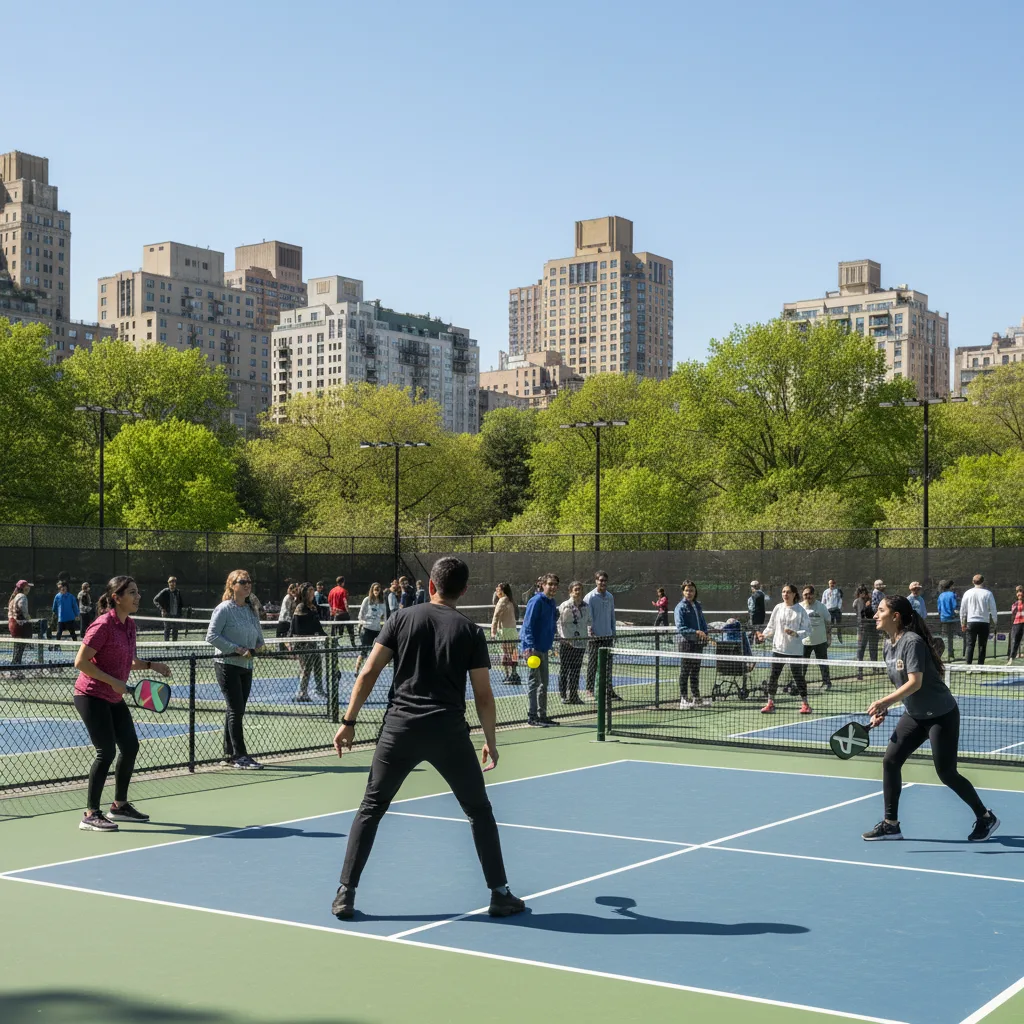
Central Park Welcomes Pickleball Courts at Wollman Rink for 2026 Season
Wollman Rink in Central Park now hosts 14 permanent pickleball courts for the 2026 season, offering new recreational opportunities for all ages. This transformation embraces the sport's growing popularity and expands park activities.
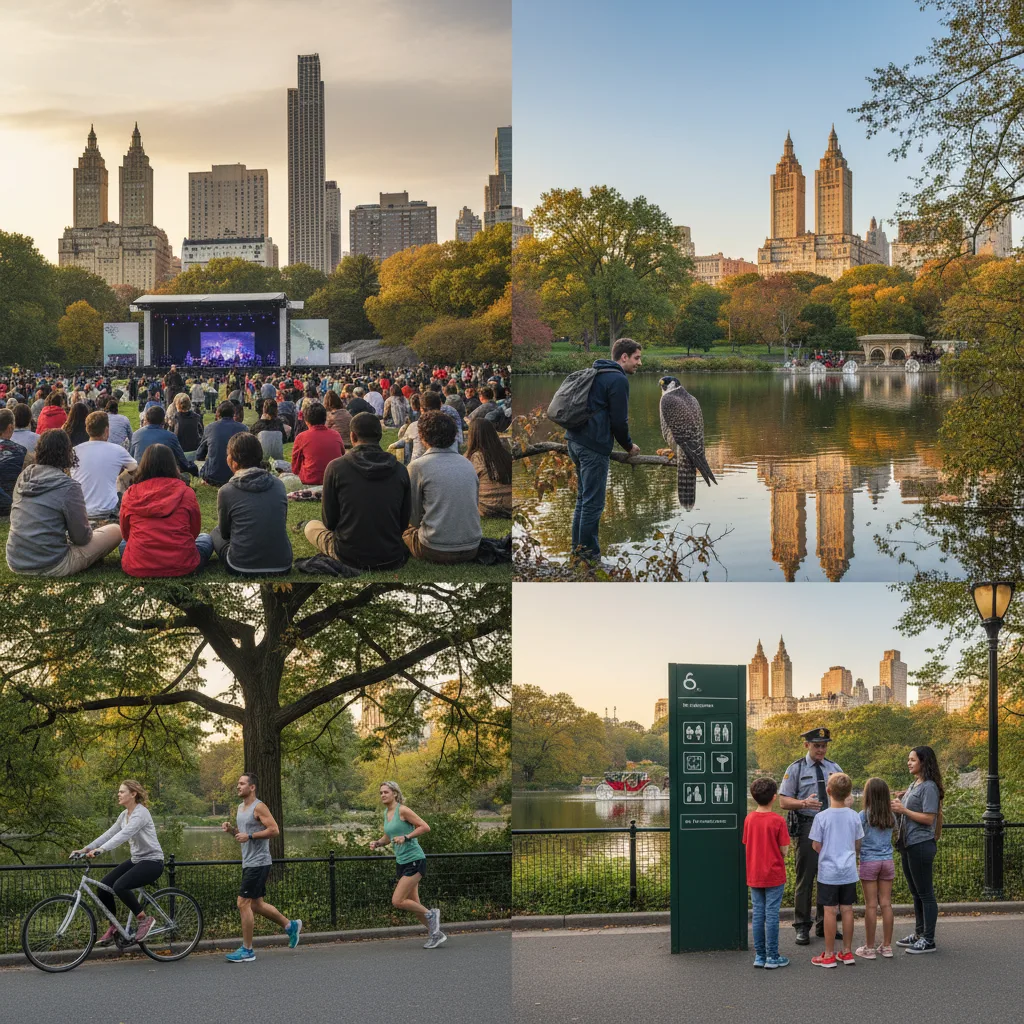
A Guide to Central Park's Top Activities and Best Things to Do in 2026
Discover the best things to do in Central Park, NYC, with our comprehensive 2026 guide to iconic landmarks, activities, and hidden gems for visitors.
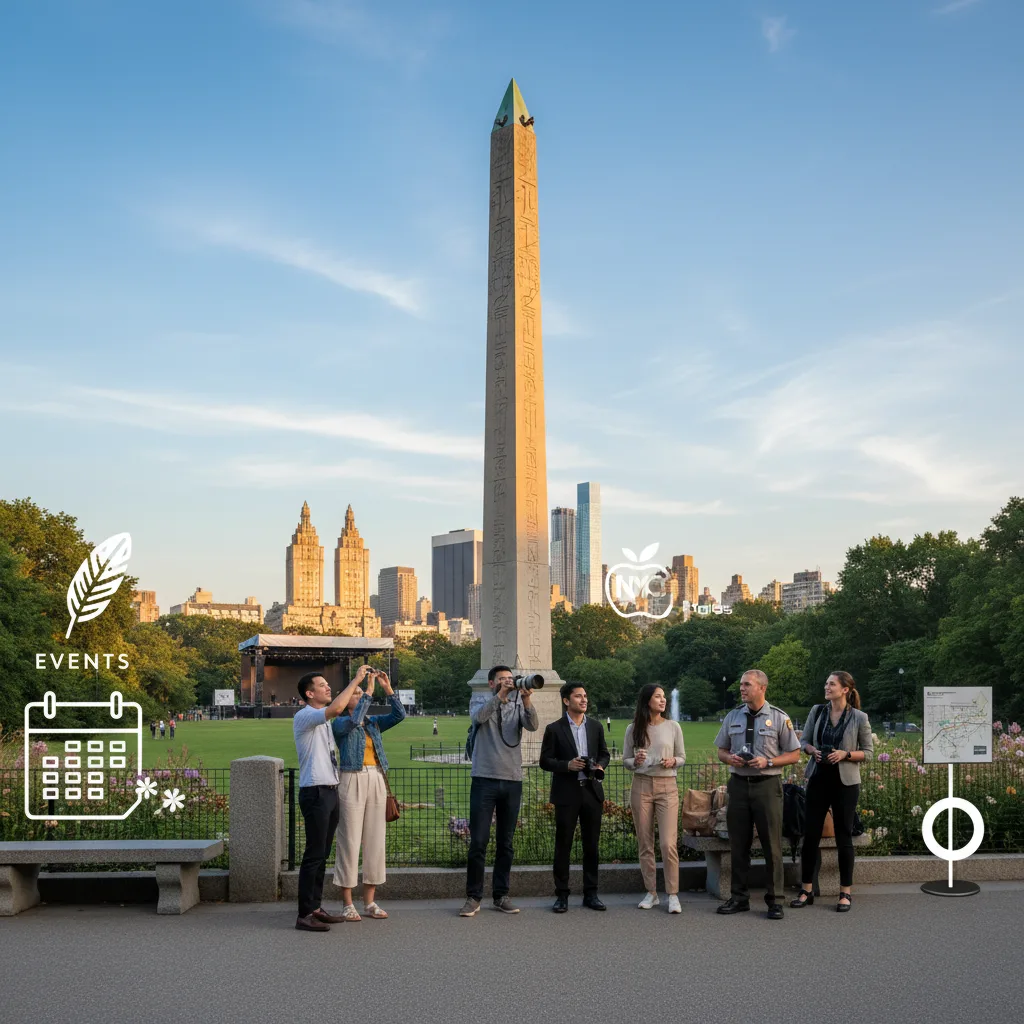
A Guide to What to Know About the Vatican Obelisk in Central Park 2026
Discover what to know about the Vatican Obelisk (Cleopatra's Needle) in Central Park, its history, journey to NYC, and where to find it in 2026.
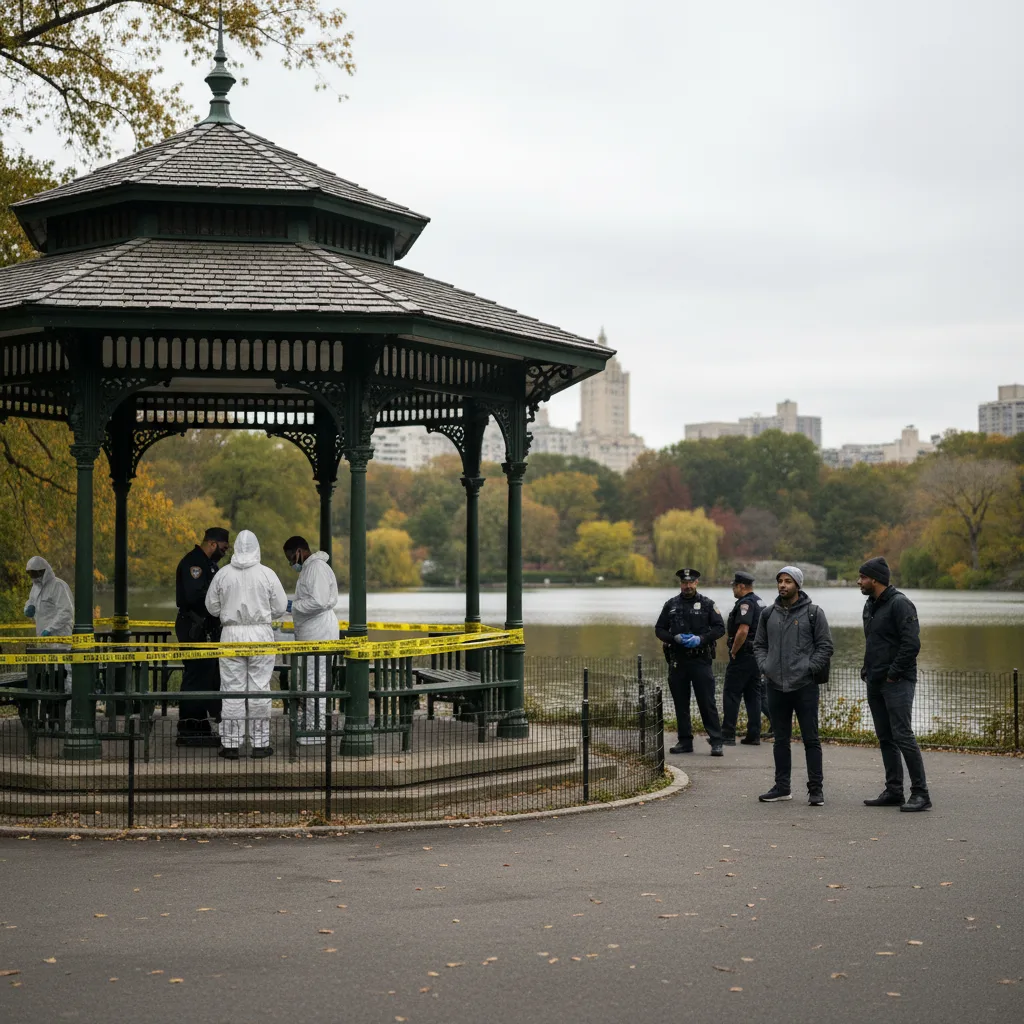
Central Park Woman Found Dead Near Boathouse Gazebo
A woman was found stabbed to death in a Central Park gazebo near the Boathouse on Sunday, prompting an active NYPD homicide investigation.
Queens Student Arrested for Bringing Gun to High School
A Queens student was arrested for bringing a gun to high school, prompting immediate law enforcement action and raising school safety concerns.

NYC Mayor Mamdani Booed at Union Square October 7 Vigil
Mayor Mamdani faced boos and protests at a Union Square vigil Thursday marking the Oct. 7 attacks, highlighting deep community divisions in NYC.