


New York Marathon: Tola, Obiri Aim for Repeat Victories in Central Park

NEW YORK — The streets of New York City, culminating in the iconic pathways of Central Park, are set to host the annual New York City Marathon, where defending champions Tamirat Tola and Hellen Obiri are poised to defend their titles. The elite athletes will once again test their endurance over 26.2 miles, concluding their challenging race near the historic Tavern on the Green.
The global spotlight will shine on Central Park as millions watch the world's best distance runners. This year's marathon, scheduled for November 3, 2026, marks another chapter in the event’s storied history, drawing runners and spectators from over 100 countries. The park's diverse terrain, from gentle inclines to the notorious Cat Hill, provides a fitting final test for competitors.
Elite Field Readies for Central Park Finish
Ethiopia’s Tamirat Tola, the reigning men's champion, and Kenya’s Hellen Obiri, the women's champion, headline a formidable elite field. Both athletes have expressed confidence in their preparations, aiming for consecutive wins on the challenging course. Their training regimens have focused heavily on hill work to prepare for Central Park’s demanding finish.
“Winning here last year was an incredible feeling, and I’ve been training specifically for this course,” Tola told The Independent in a pre-race interview. “The atmosphere in Central Park, especially nearing the finish line, gives you an extra push.” Obiri echoed his sentiments, emphasizing the mental fortitude required to conquer the final miles through the park.
The Marathon Route: A Tour of New York's Boroughs
The New York City Marathon course is renowned for its journey through all five boroughs, beginning on the Verrazzano-Narrows Bridge in Staten Island and traversing Brooklyn, Queens, and the Bronx before entering Manhattan. Each borough offers its own distinct crowd support and challenging stretches. The course provides runners with a genuine cross-section of the city's vibrant neighborhoods.
As runners enter Manhattan via the Willis Avenue Bridge around mile 20, they face the final, grueling miles up Fifth Avenue before turning into Central Park. This segment is often where races are won or lost, as fatigue sets in and the park's undulations begin. The strategic turns and elevation changes within Central Park demand both physical strength and tactical precision from the athletes.
Central Park's Legacy: More Than Just a Finish Line
Central Park is not merely the finish line for the marathon; it's a living canvas of New York City's history and diverse experiences. The park's role in major sporting events, public gatherings, and daily life is immense. Its broad pathways and open spaces accommodate hundreds of thousands of spectators on race day, creating an electrifying atmosphere.
Yet, the park also carries deeper historical narratives. The infamous 1989 Central Park Five case, for instance, serves as a poignant reminder of the park's past struggles with crime and social justice issues. While vastly different from the celebratory nature of the marathon, these historical events contribute to the park's complex identity, grounding its present-day splendor in a rich and sometimes challenging past. For historical context and commentary on such topics, readers can explore The Independent's coverage of Central Park.
Economic Impact and Global Visibility
The New York City Marathon is more than just a race; it's a massive economic engine for the city. Estimates suggest the event generates over $400 million in economic activity annually, drawing tens of thousands of participants and their supporters. Hotels, restaurants, and local businesses across all five boroughs experience a significant boost during race week.
Furthermore, the marathon provides unparalleled global visibility for New York City and Central Park. Broadcasts reach millions worldwide, showcasing the park's beauty and the city's iconic skyline. This international exposure solidifies Central Park's reputation as a world-class destination for both recreation and major events, reinforcing its status as a vital part of the city’s identity.
Future of Central Park Events in 2026 and Beyond
Looking beyond the marathon, Central Park is slated to host a variety of major events throughout 2026, ranging from free summer concerts on the Great Lawn to smaller, community-focused art installations. The Central Park Conservancy works closely with event organizers to ensure minimal impact on the park's delicate ecosystems and infrastructure, while maximizing public enjoyment.
City officials are continually evaluating proposals for new events, balancing public access with preservation efforts. The success of the marathon and other large-scale gatherings demonstrates the park's capacity to host world-class events while remaining a serene escape for everyday New Yorkers. This balance is crucial for maintaining the park’s appeal as a truly universal destination. For more detailed insights into city politics affecting park events, other news outlets such as The Independent often provide extensive reporting.
Frequently Asked Questions About the New York City Marathon in Central Park
What part of Central Park is used for the marathon? The New York City Marathon utilizes a significant portion of Central Park for its final miles. Runners enter the park around East 90th Street and traverse various paths, including Cat Hill, before culminating their journey at the finish line near Tavern on the Green on West 67th Street. Spectator access points are available at multiple locations throughout the park.
How can I watch the marathon in Central Park? Spectators can line many parts of the marathon course within Central Park, especially along the East and West Drives. Popular viewing spots include the final stretch near Columbus Circle and the areas around Tavern on the Green. Arriving early is recommended to secure a good vantage point, as millions flock to cheer on the runners, creating a festive atmosphere.
What historical significance does Central Park hold for the marathon? Central Park has been the traditional finish line for the New York City Marathon since its inception in 1970, giving the race its iconic conclusion. The park’s historical landscape provides a dramatic backdrop for the athletes’ final push and the celebratory atmosphere, cementing its place in marathon history as the site of countless triumphs and emotional finishes.
Related Articles
More in Park Events →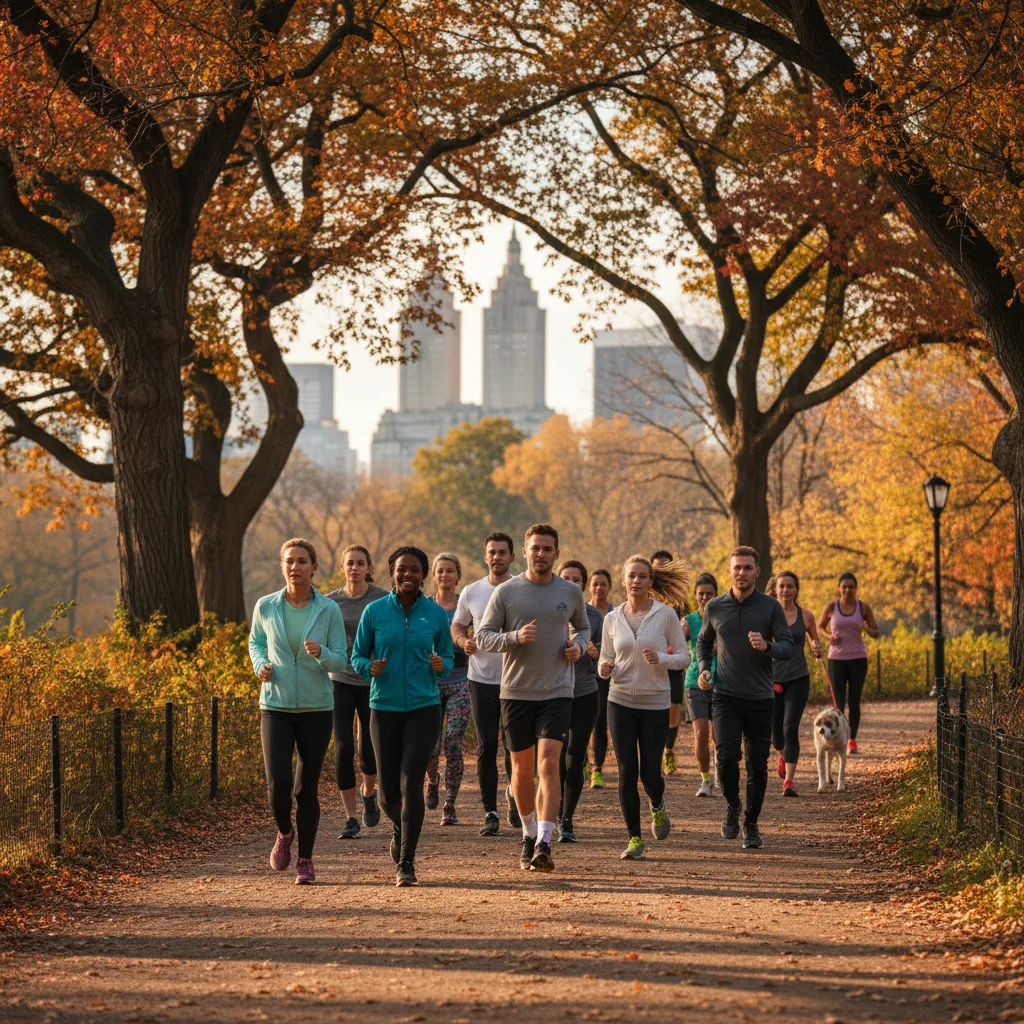
Central Park Lists José Julián Martí Run, Judith Wolfe Program October 7, 2026
Central Park highlights two key events for October 7, 2026: a José Julián Martí fitness run and a Judith Wolfe Kids & Family program, enriching park activities.
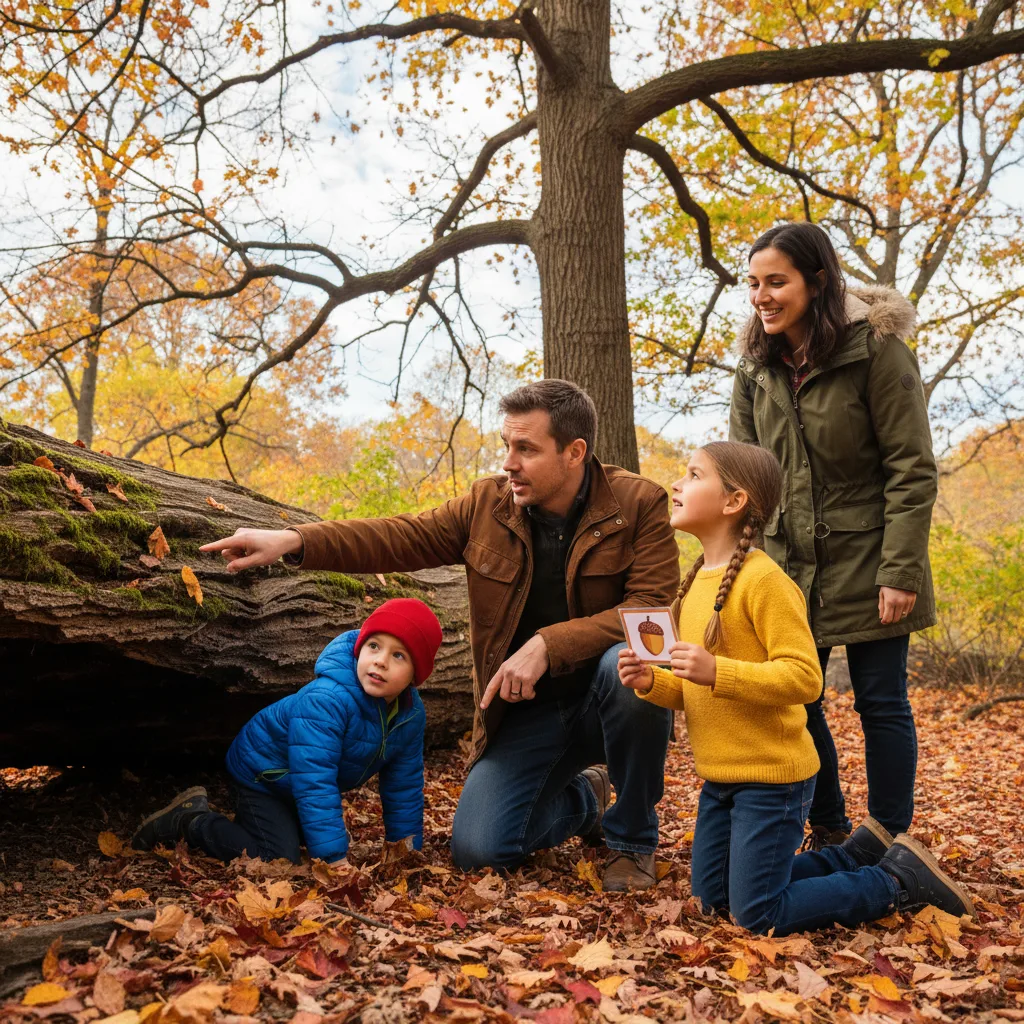
Central Park Celebrates October 2026 with Fall Foliage and Family Fun
Central Park offers a robust October 2026 calendar, featuring the new "Wonder in the Woods" family scavenger hunt on Oct 3 and the Film Festival Oct 6-9. Discover fall foliage and diverse events.
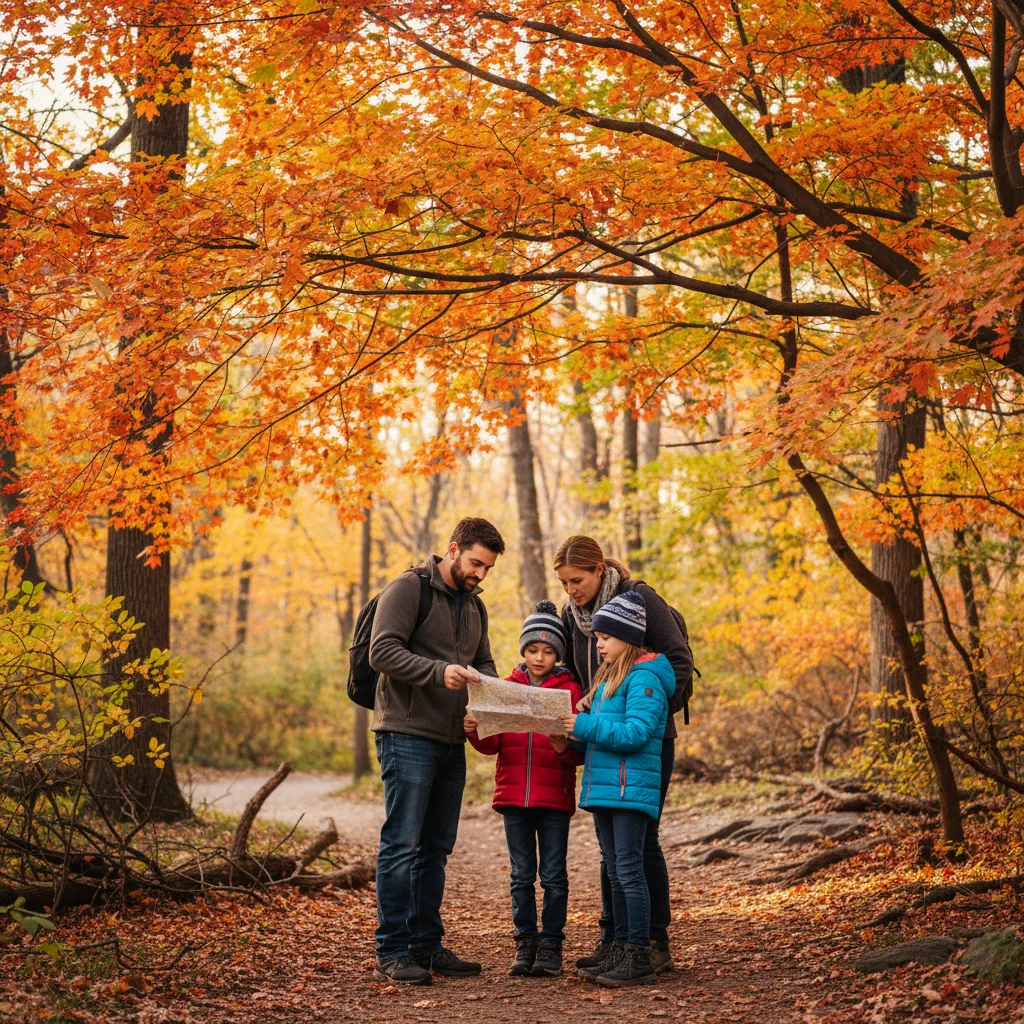
Central Park Conservancy Announces Wonder in the Woods Family Event
Central Park Conservancy announced "Wonder in the Woods," a free family scavenger hunt in the North Woods on October 3, 2026. This event connects locals with nature, offering a unique fall park experience for all ages.
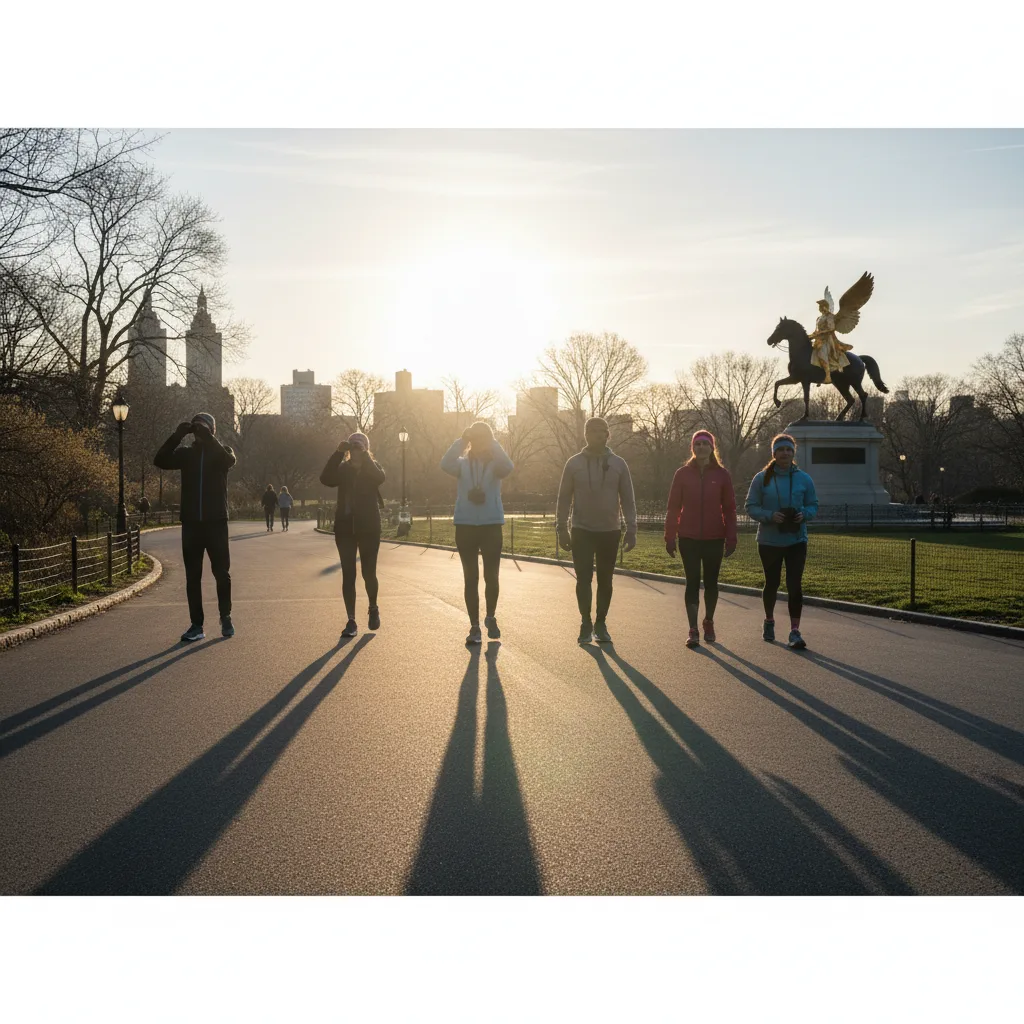
Central Park Boathouse Offers Sunrise Wellness Walk October 3, 2026
CentralPark.com highlights a Sunrise Wellness Walk and bird watching tour at the Boathouse on October 3, 2026. This offers locals a unique way to start their day, connecting with nature and fitness in the park.
Patch Calendar Confirms Central Park Events for October 2, 2026
Patch's Central Park calendar confirms a diverse schedule of Central Park events for October 2, 2026. This resource helps locals plan their day in the park.
Central Park Visitors Experience Diverse Activities October 2, 2026
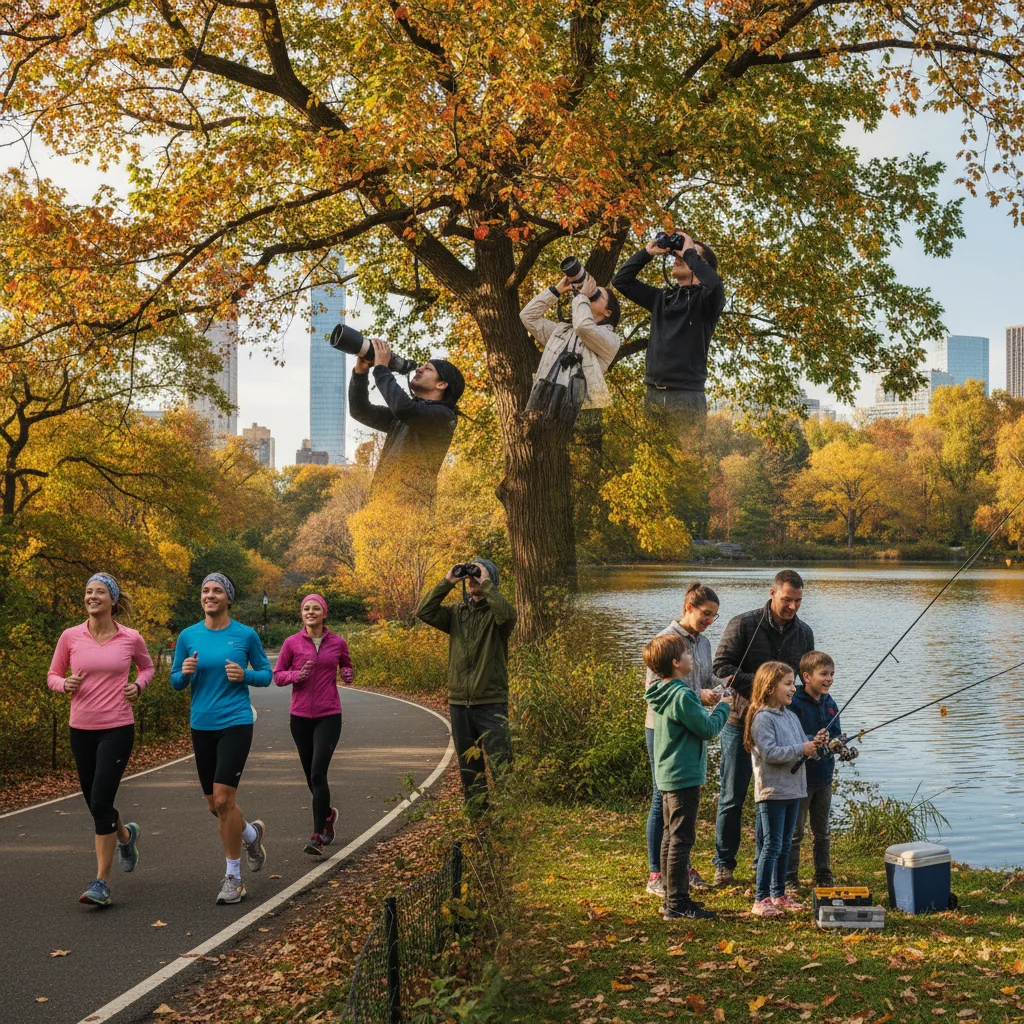
Central Park visitors can choose from diverse activities on October 2, 2026, including bird watching, running tours, and zoo events. A festival is also happening.