


New York Salty Reservoirs: Central Park Conservancy Addresses Water Quality in 2026

NEW YORK — A recent increase in salinity levels in certain New York City reservoirs has prompted the Central Park Conservancy to address concerns about the long-term health of the park's iconic water bodies. While the city's drinking water remains safe, the phenomenon of 'salty reservoirs' in 2026 could have ecological implications for Central Park's lakes and ponds. Scientists are now studying potential causes and mitigation strategies.
Understanding Salinity Spikes
New York City's water supply system, one of the largest unfiltered systems in the world, relies on a vast network of upstate reservoirs. Recent data from the Department of Environmental Protection (DEP) indicates a marginal but measurable increase in chloride levels in some sources, particularly during winter months. This can be attributed to various factors, including road salt runoff and, in some coastal areas, saltwater intrusion.
"While the current salinity levels pose no immediate threat to human consumption, we are closely monitoring the situation," stated Dr. Evelyn Reed, a hydrologist with the NYC DEP, in a technical briefing on April 10, 2026. She explained that higher chloride concentrations can impact freshwater ecosystems. The Independent's Central Park reporting has highlighted the broader issue of water quality.
Impact on Central Park Ecosystems
Central Park's numerous lakes, ponds, and streams, including The Lake and Conservatory Water, are fed by both the city's municipal water supply and natural rainwater runoff. An increase in background salinity could gradually alter the delicate balance of these freshwater habitats. This could affect aquatic plant life, fish populations, and the diverse bird species that rely on these water sources.
The Central Park Conservancy's Institute for Urban Parks is conducting studies to assess any potential changes. "Our goal is to ensure the vitality of Central Park's aquatic ecosystems, which are critical to the park's biodiversity," noted Robert Sterling, Chief Conservation Officer for the Central Park Conservancy. He expressed a commitment to proactive ecological management.
Mitigation and Monitoring Efforts
To address the issue, the DEP has intensified its monitoring of reservoir inputs and is exploring strategies to reduce road salt usage in surrounding watershed areas. This includes promoting alternative de-icing agents and optimizing application techniques. The city uses millions of pounds of salt annually on its roads.
Within Central Park, the Conservancy already employs advanced water management techniques, including regular testing and aeration of larger water bodies. These practices help maintain water quality and prevent algal blooms. Collaborations with academic institutions are also underway to research long-term solutions for urban freshwater systems. These partnerships often yield innovative approaches.
Long-Term Environmental Outlook
Experts suggest that sustained higher salinity could lead to shifts in Central Park's aquatic flora and fauna over decades if left unaddressed. For instance, some freshwater fish species might struggle, while more salt-tolerant species could become dominant. The potential for such ecological shifts underscores the importance of early intervention.
Community involvement is also encouraged, with calls for responsible winter salting practices on private properties near the park's drainage areas. The Conservancy regularly hosts public education programs on environmental stewardship. These programs aim to empower residents to contribute to the park's ecological health.
What are 'salty reservoirs'?
'Salty reservoirs' refers to an increase in chloride levels, often from road salt runoff or saltwater intrusion, in New York City's upstate reservoirs. While current levels in 2026 are not a health concern for drinking water, they can impact freshwater ecosystems. This phenomenon is being closely monitored by environmental agencies.
How does this affect Central Park's water bodies?
Central Park's lakes and ponds are fed partly by the city's water supply, meaning increased reservoir salinity could gradually alter their freshwater balance. This might affect aquatic plants, fish, and birds within the park. The Central Park Conservancy is studying these potential ecological changes.
What is being done to address this issue?
The NYC Department of Environmental Protection is increasing monitoring and exploring ways to reduce road salt usage in watershed areas. The Central Park Conservancy is conducting studies within the park and implementing water management techniques like testing and aeration. Efforts also include public education on responsible environmental practices.
Related Articles
More in Wildlife & Nature →
Central Park Boathouse Bird Watching Tour Offers Educational Experience
Central Park Boathouse offers an educational bird watching tour, providing visitors an opportunity to observe avian species. This experience connects locals with nature, enhancing appreciation for park wildlife.
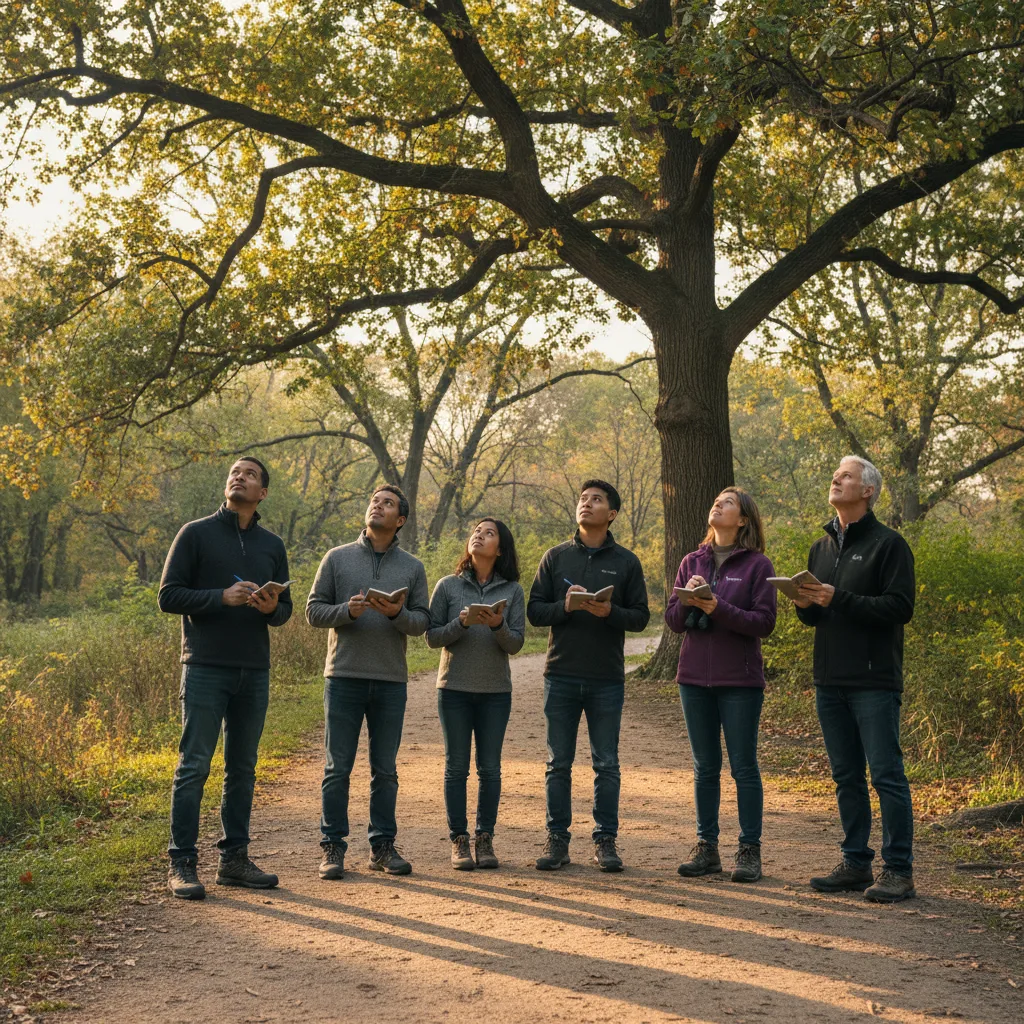
Central Park Event Calendar Features Climate Week Activities September 27
Central Park's event calendar for September 27, 2026, included a Climate Week-aligned "Journal, Meditation, + Bird Walk," promoting environmental awareness.
Wildlife Conservation Society Awards Lovejoy Prize at Central Park Zoo
Wildlife Conservation Society awards 2026 Thomas E. Lovejoy Prize today at Central Park Zoo during Climate Week in New York City.
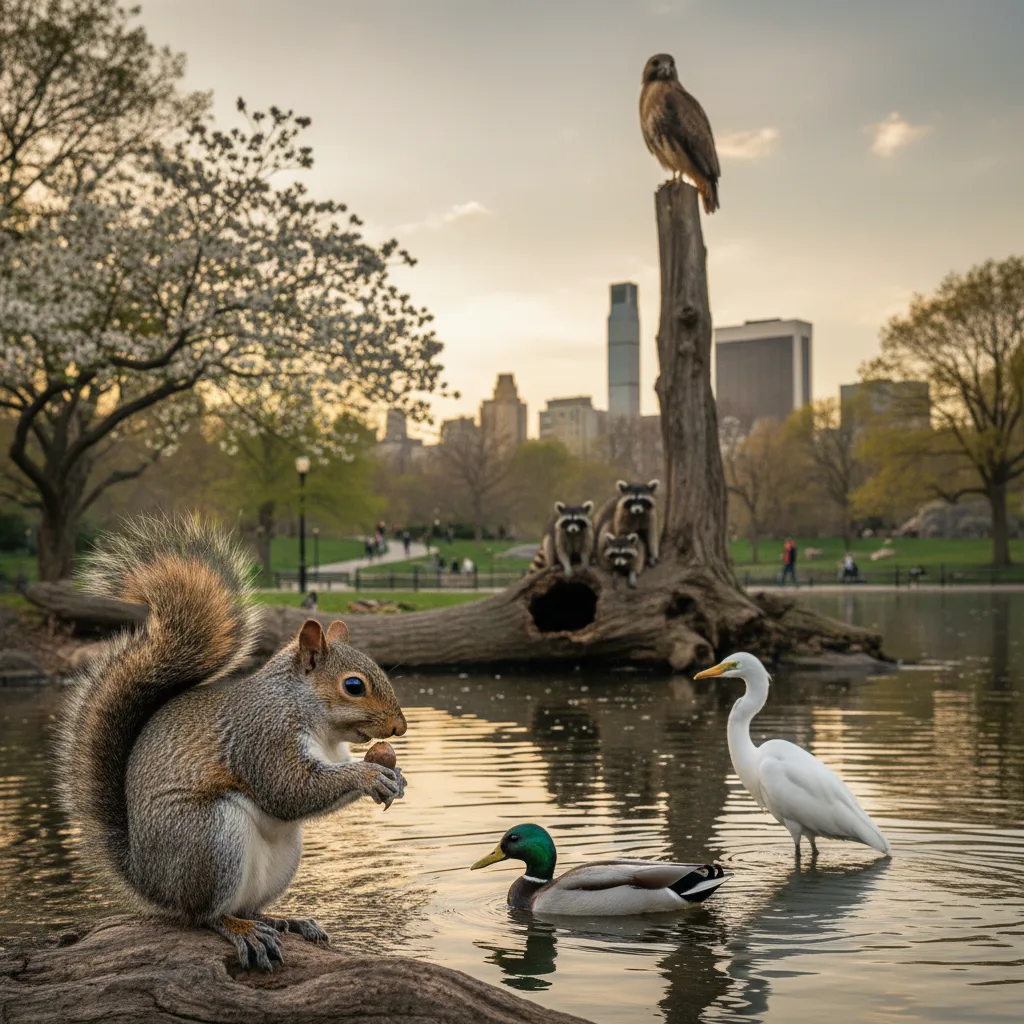
A Guide to Central Park's Wildlife: What to Know About the Park's Animals and Ecosystem
Discover the diverse Central Park wildlife, from birds and mammals to aquatic life. Learn responsible observation tips and conservation efforts for 2026.
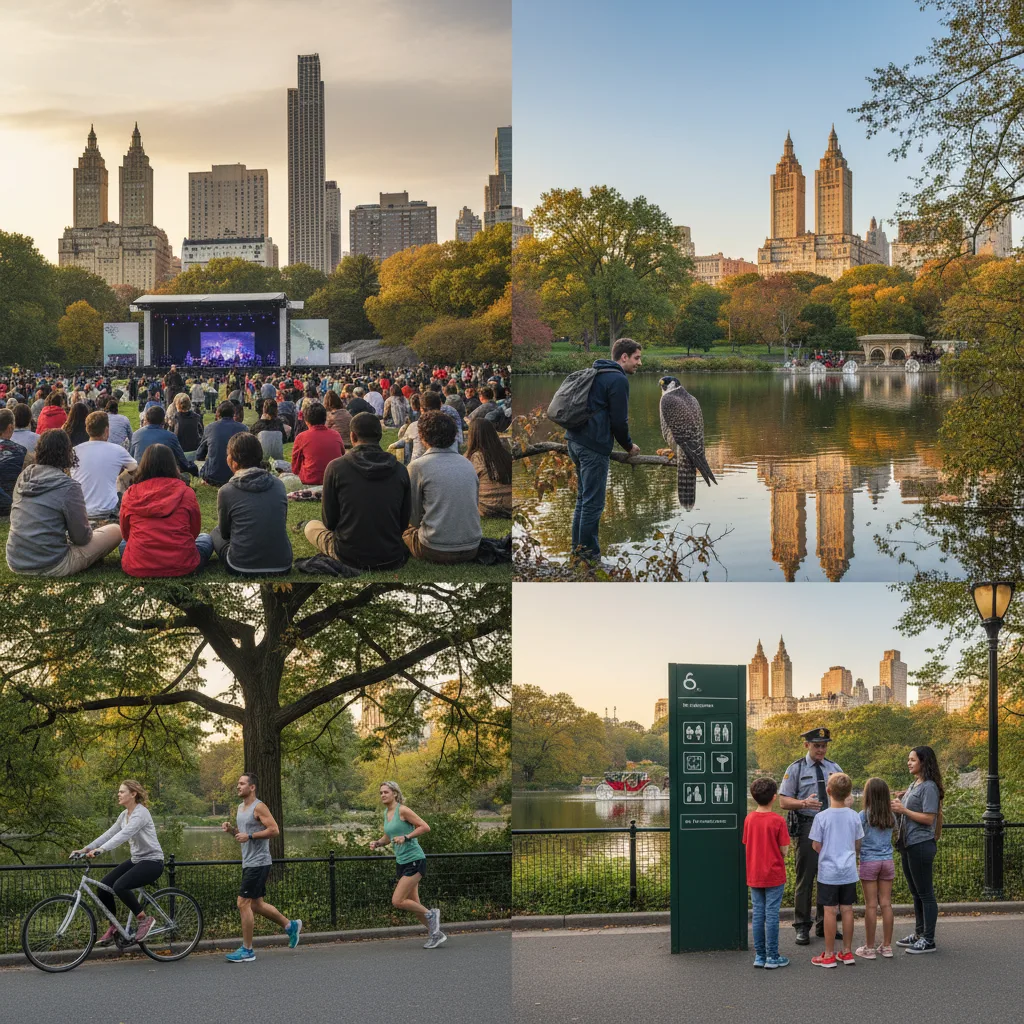
A Guide to Central Park's Top Activities and Best Things to Do in 2026
Discover the best things to do in Central Park, NYC, with our comprehensive 2026 guide to iconic landmarks, activities, and hidden gems for visitors.
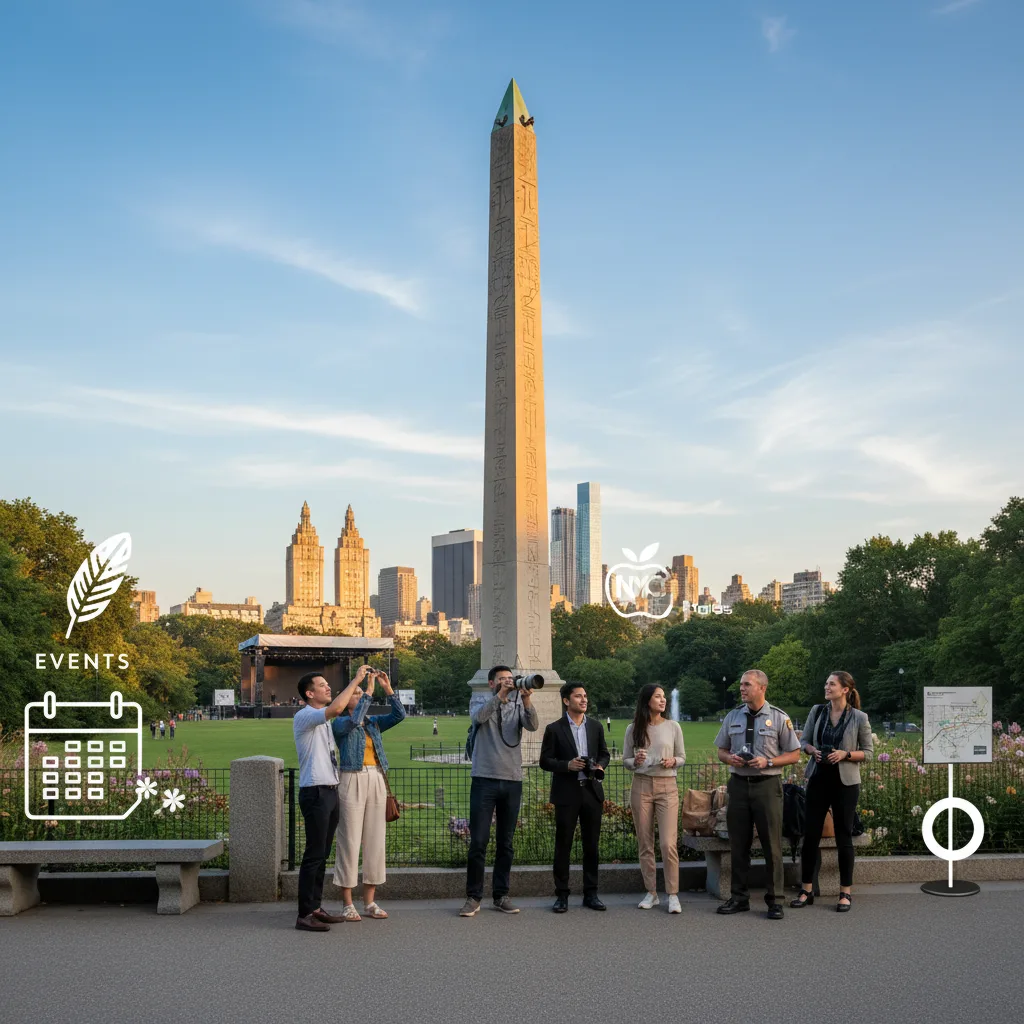
A Guide to What to Know About the Vatican Obelisk in Central Park 2026
Discover what to know about the Vatican Obelisk (Cleopatra's Needle) in Central Park, its history, journey to NYC, and where to find it in 2026.