


"No Kings" March Impact: Times Square Erupts, Central Park Prep
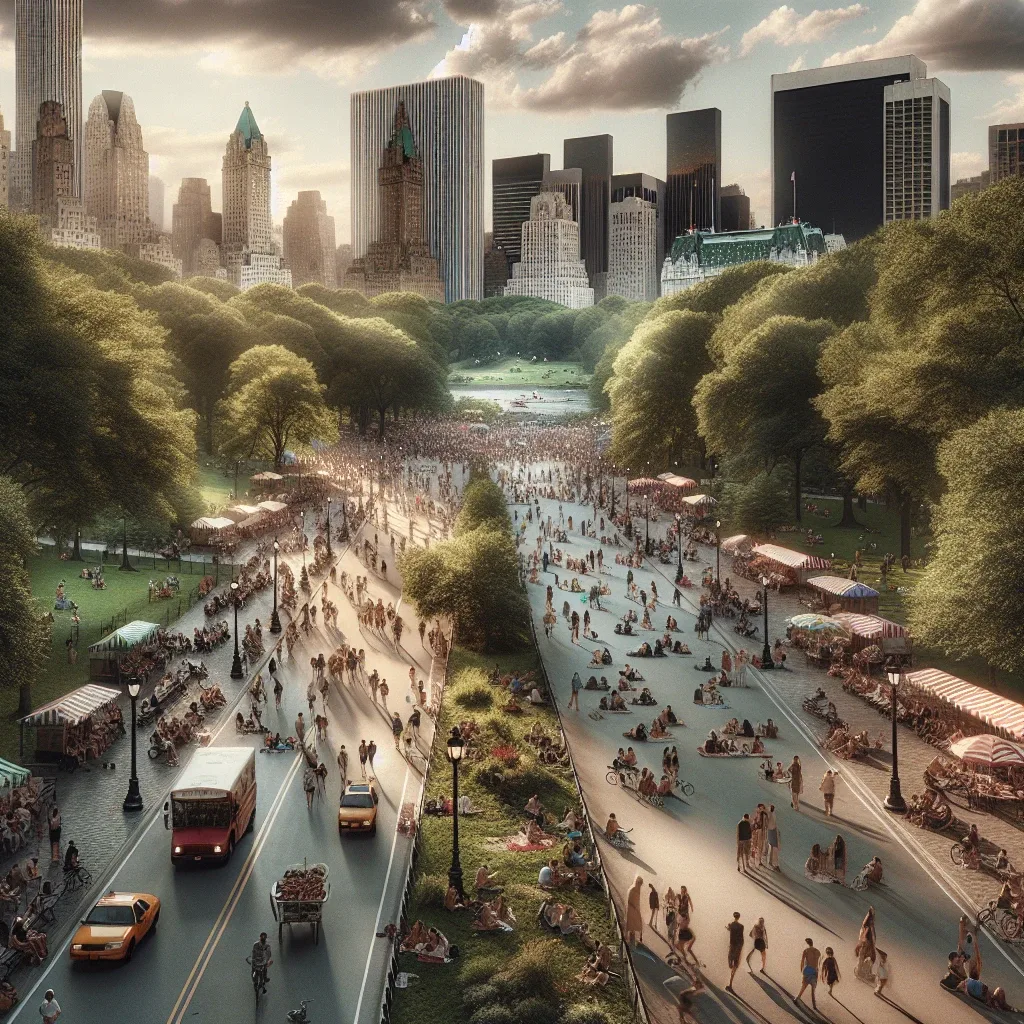
NEW YORK — A massive "No Kings" march, originating near Central Park, culminated in energetic demonstrations in Times Square on Saturday, March 28, 2026. The procession, which began in the vicinity of Central Park South, drew significant public attention and a noticeable police presence across Midtown Manhattan. While Central Park prepared for its initial gathering, the march's progression eastward led to heightened activity in one of the city's busiest areas, as chronicled in a widely circulated YouTube video.
The demonstration served as a powerful visual display of public sentiment, with participants moving through key commercial and tourist districts. The march's journey from the relative calm of Central Park to the bustling intensity of Times Square created a dynamic and often boisterous atmosphere. This transition highlighted the organizers' strategic choice of route to maximize visibility and impact, garnering over 50,000 views within hours on one YouTube channel, "New York Street." View the footage of the march here.
Route Dynamics: From Park Green to City Lights
The "No Kings" march began its formal procession from a staging area adjacent to Central Park, a traditional starting point for many large-scale New York City demonstrations. This initial phase allowed for participants to gather and organize before moving into more densely populated urban corridors. The presence of park rangers and NYPD officers facilitated a smooth departure from the park's boundaries.
As the marchers exited the park vicinity, they moved south and then east, traversing several blocks before reaching the iconic Times Square. This route was chosen to ensure maximum public exposure, passing by major commercial establishments and tourist attractions. The transition from the natural landscape of Central Park to the concrete canyons of Midtown was a striking visual narrative for the day's events, showcasing the dual nature of public space in New York.
Public Reaction and Media Engagement
Public reaction to the "No Kings" march, particularly as it approached and entered Times Square, was varied. Tourists and local residents alike stopped to observe, with many capturing footage on their mobile devices. Some onlookers cheered in support, while others expressed mild frustration over temporary disruptions to pedestrian flow and traffic.
Social media platforms, including X (formerly Twitter) and Instagram, buzzed with live updates and shared images and videos from the event. The aforementioned YouTube channel captured the essence of the Times Square demonstration, quickly accumulating views and comments. This rapid digital dissemination amplified the march's message far beyond its physical footprint, illustrating the modern convergence of street protest and online virality.
Law Enforcement and Crowd Management
Law enforcement agencies, led by the NYPD, implemented extensive crowd management strategies along the entire march route. Officers on foot, bicycle, and in vehicles maintained a visible presence, ensuring the safety of participants and the general public. Their primary objective was to facilitate the peaceful exercise of free speech while mitigating potential risks and maintaining public order.
Temporary street closures and rerouting of traffic were implemented in a coordinated effort to accommodate the moving demonstration. While some congestion was unavoidable, police efforts aimed to minimize major disruptions to the city's intricate network of transportation. The overall police strategy focused on de-escalation and communication, which proved effective in preventing major incidents throughout the event.
Messages and Demands of the Movement
The "No Kings" march articulated a broad range of grievances, with signs and chants reflecting diverse political and social concerns. Key themes included calls for greater accountability from elected officials, demands for economic equity, and critiques of perceived governmental overreach. Organizers emphasized that the movement sought to empower marginalized voices and demand systemic reforms, ensuring that the march from Central Park to Times Square was not merely symbolic but a clear articulation of public will.
Speakers at designated points along the route reiterated these messages, using bullhorns and portable sound systems to address the assembled crowds. The energy in Times Square, in particular, conveyed a sense of urgency and collective determination. The march concluded without major arrests or confrontations, underscoring the organizers' commitment to peaceful protest.
Frequently Asked Questions About NYC Marches
What permits are required for a march of this size? Large-scale marches in New York City typically require permits from the NYPD and often involve coordination with the Department of Transportation for street closures and traffic management. Organizers must submit detailed plans well in advance, outlining the route, expected attendance, and security measures. How does the NYPD manage traffic during a major march? The NYPD employs a comprehensive traffic management plan during major marches, utilizing officers on the ground to reroute vehicles, manage intersections, and ensure pedestrian safety. They often use temporary barricades and electronic signage to inform drivers of disruptions. Are businesses in Times Square impacted by these events? Businesses in Times Square can experience varied impacts, with some reporting increased foot traffic from observers and others facing temporary decreases due to street closures and crowd density. Many establishments are accustomed to the city's dynamic event calendar and adapt accordingly. What historical significance does Times Square hold for protests? Times Square has served as a prominent site for public demonstrations throughout its history, from wartime rallies to New Year's Eve celebrations turned into protests. Its global recognition and heavy foot traffic make it an ideal location for movements seeking widespread visibility and media attention. How do organizers ensure the safety of participants in a long march? Organizers work closely with city agencies, including the NYPD and emergency services, to plan for participant safety. This includes establishing medical stations, providing water, and designating marshals to guide marchers and liaise with law enforcement, ensuring a safe and orderly progression from Central Park through the city.
Related Articles
More in Urban Policy & Development →
NYC Mayor Mamdani Booed at Union Square October 7 Vigil
Mayor Mamdani faced boos and protests at a Union Square vigil Thursday marking the Oct. 7 attacks, highlighting deep community divisions in NYC.
NYC Homeless Encampments Spotted Across Manhattan, Raising Concerns
Multiple homeless encampments have been spotted across Manhattan, raising significant concerns about urban policy and public safety. City officials are under pressure to address the growing homelessness crisis.
Safety Advocate Blames Park Redesign for Rising Central Park Cyclist Crashes
Safety advocates blame recent Central Park redesigns for a pedestrian's death and rising cyclist crashes, calling for urgent review of infrastructure.
NYC DOT Advises Central Park Area Traffic Disruptions September 27
NYC DOT issued advisories for major traffic disruptions near Central Park on September 27, 2026, due to a parade and crane operations. Expect delays.
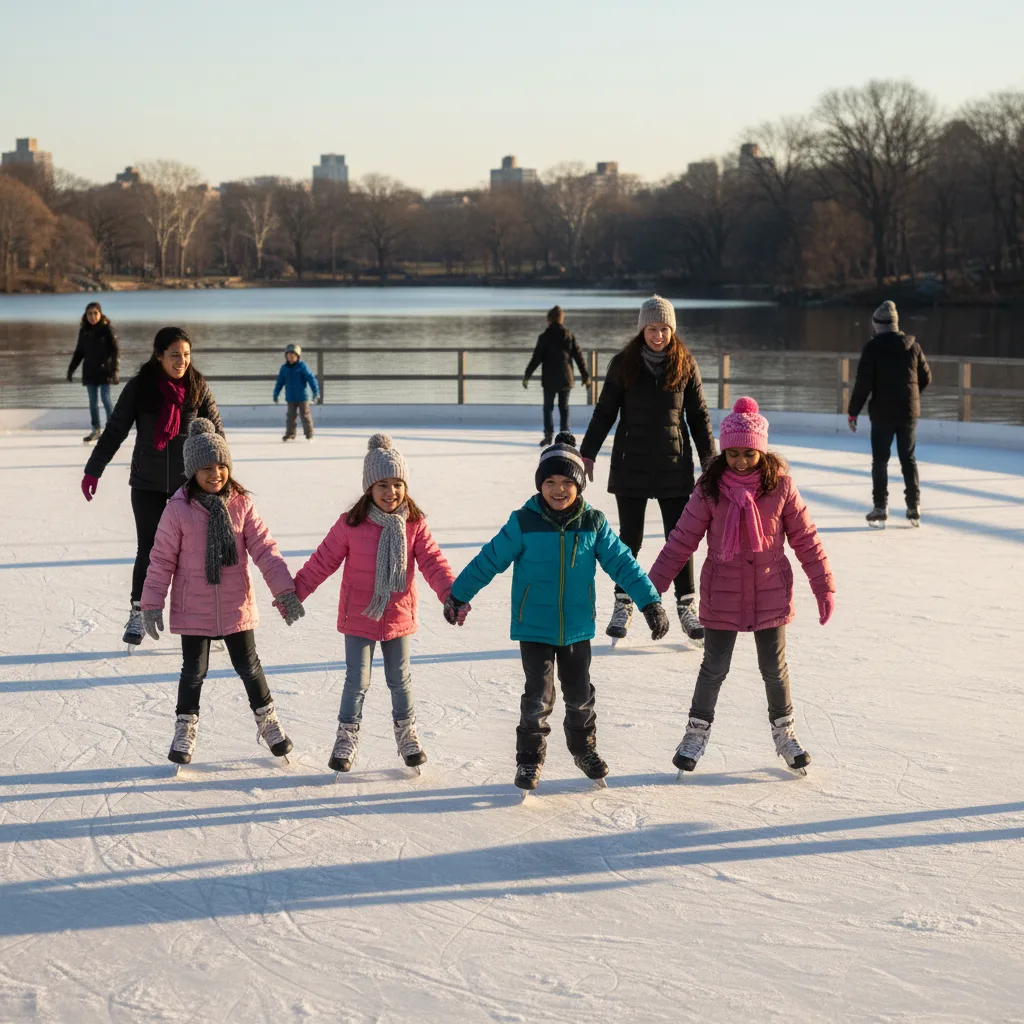
Davis Center at Harlem Meer Unveils State-of-the-Art Facilities
The new Davis Center at the Harlem Meer in Central Park's north end now features a state-of-the-art pool, ice rink, and multi-use turf field, enhancing community recreational options.
NYC City Record Confirms September 21, 2026, Publication Schedule
The NYC City Record confirmed its September 21, 2026, publication schedule, detailing administrative notices, procurement, and public hearings. This ensures transparency for municipal operations and public access to vital city information.