


NYC Council Rejects Central Park Horse Carriage Ban Proposal, Citing Economic Impact

NEW YORK — The New York City Council has overwhelmingly voted down a controversial proposal to ban horse-drawn carriages in Central Park, preserving an iconic yet often debated tradition. The legislative defeat occurred on February 28, 2026, following a contentious debate spanning several months and drawing significant public attention.
The final vote count was 33-16 against Intro. 1234, the bill that would have phased out the carriage industry within six months. This decision effectively ends, for now, the decades-long struggle between animal welfare advocates and those who champion the historic and economic contributions of the horse carriage industry.
Official Stance: Economic and Cultural Preservation
Council Speaker Melinda Diaz, a prominent opponent of the ban, emphasized the importance of safeguarding livelihoods and New York City's unique cultural fabric. "This was not merely a vote on animal welfare, but on the economic stability of over 200 hardworking New Yorkers and a piece of our city's heritage," Speaker Diaz stated in a post-vote press conference at City Hall.
She highlighted that the industry supports approximately 130 drivers and stable workers directly, in addition to contributing to local tourism. The Speaker also referenced a recent independent economic study that projected a loss of nearly $30 million annually in tourism revenue if the ban were enacted.
Industry Response and Driver Relief
The horse carriage industry, represented by the NYC Horse & Carriage Association, expressed profound relief and gratitude following the vote. "This decision is a testament to common sense and an understanding of our industry's integral role in Central Park," said Christina Ramirez, spokesperson for the Association, noting the relief felt by many of the 68 licensed carriage drivers.
Ramirez further detailed the significant investments made by carriage operators in horse welfare, including stringent veterinary care, regularly inspected stables on West 38th Street, and adherence to specific temperature regulations for operation. She affirmed their commitment to continuing to work with the city to ensure the highest standards for their animals.
Animal Welfare Advocates Express Disappointment
Conversely, animal welfare organizations, who have long campaigned for the ban, expressed deep disappointment in the Council's decision. "Today, the City Council chose tradition over compassion," declared Elizabeth Green, executive director of New Yorkers for Animal Rights, in a statement released immediately after the vote.
Advocates argue that urban environments are inherently unsuitable for large working animals, citing concerns over air quality, traffic hazards, and the stressful conditions horses face daily. They pointed to public opinion polls suggesting a majority of New Yorkers support phasing out the carriages, though these polls often vary widely in methodology and results. Green vowed that the fight for a ban would continue, potentially through alternative legislative avenues or public awareness campaigns.
Historical Context of the Debate
The debate over Central Park horse carriages dates back several decades, with significant legislative attempts in 2007, 2014, and 2016. Each effort faced strong opposition from the industry and varying degrees of support from city administrations. The current fleet of 68 carriages, managed by 4 stable operators, has remained largely consistent for years. The discussion often focuses on the balance between preserving historical charm and evolving ethical standards for animal treatment.
The sight of horse-drawn carriages is almost synonymous with Central Park itself, a visual legacy stretching back to the park’s inception in the mid-19th century. Yet, as societal views on animal welfare evolve, so too does the scrutiny placed upon such practices. This ongoing tension underscores the city’s complex relationship with its history and its future. For historical context on park events, you might be interested in details on the Central Park Marionette Theater renovation project 2026.
What were the main arguments against the ban?
Opponents of the ban primarily cited economic displacement for drivers and stable owners, the loss of an iconic tourist attraction, and the argument that horses are well-cared for under existing regulations. They also argued that the industry represents a vital part of Central Park's cultural identity, drawing millions of visitors annually to experience a unique piece of New York's history. The proposed bill offered no clear transition plan for the displaced workers, which was a significant concern for many council members.
What were the main arguments for the ban?
Proponents of the ban argued that horses do not belong in a modern urban environment, citing concerns about their welfare, exposure to traffic, and the potential for accidents. Animal rights groups presented evidence of horse injuries and inadequate living conditions, calling for a more humane approach to tourism. They suggested replacing the carriages with electric vintage cars as a compromise that would retain a nostalgic feel without animal involvement. For more general news on Central Park, see the Central Park News website.
Could the ban be reconsidered in the future?
While the current legislative effort has been defeated, it is highly probable that the issue will resurface in future City Council sessions. Animal welfare advocates have consistently shown resilience and commitment to their cause. The political landscape of New York City can shift, and new council members or mayoral administrations might choose to re-engage with the debate, potentially bringing forward new proposals or amendments to existing legislation. The long-standing nature of this debate suggests it is unlikely to disappear permanently.
Related Articles
More in Urban Policy & Development →
NYC Mayor Mamdani Booed at Union Square October 7 Vigil
Mayor Mamdani faced boos and protests at a Union Square vigil Thursday marking the Oct. 7 attacks, highlighting deep community divisions in NYC.
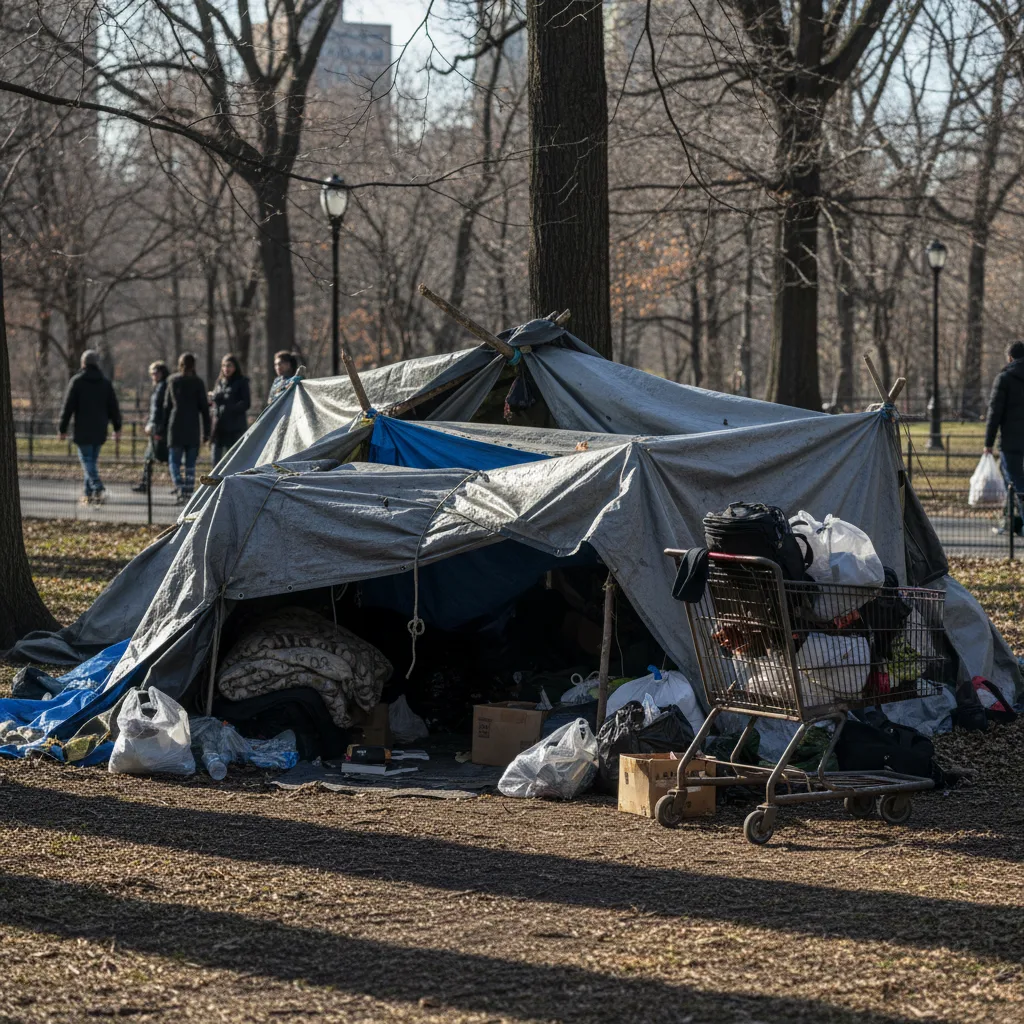
NYC Homeless Encampments Spotted Across Manhattan, Raising Concerns
Multiple homeless encampments have been spotted across Manhattan, raising significant concerns about urban policy and public safety. City officials are under pressure to address the growing homelessness crisis.
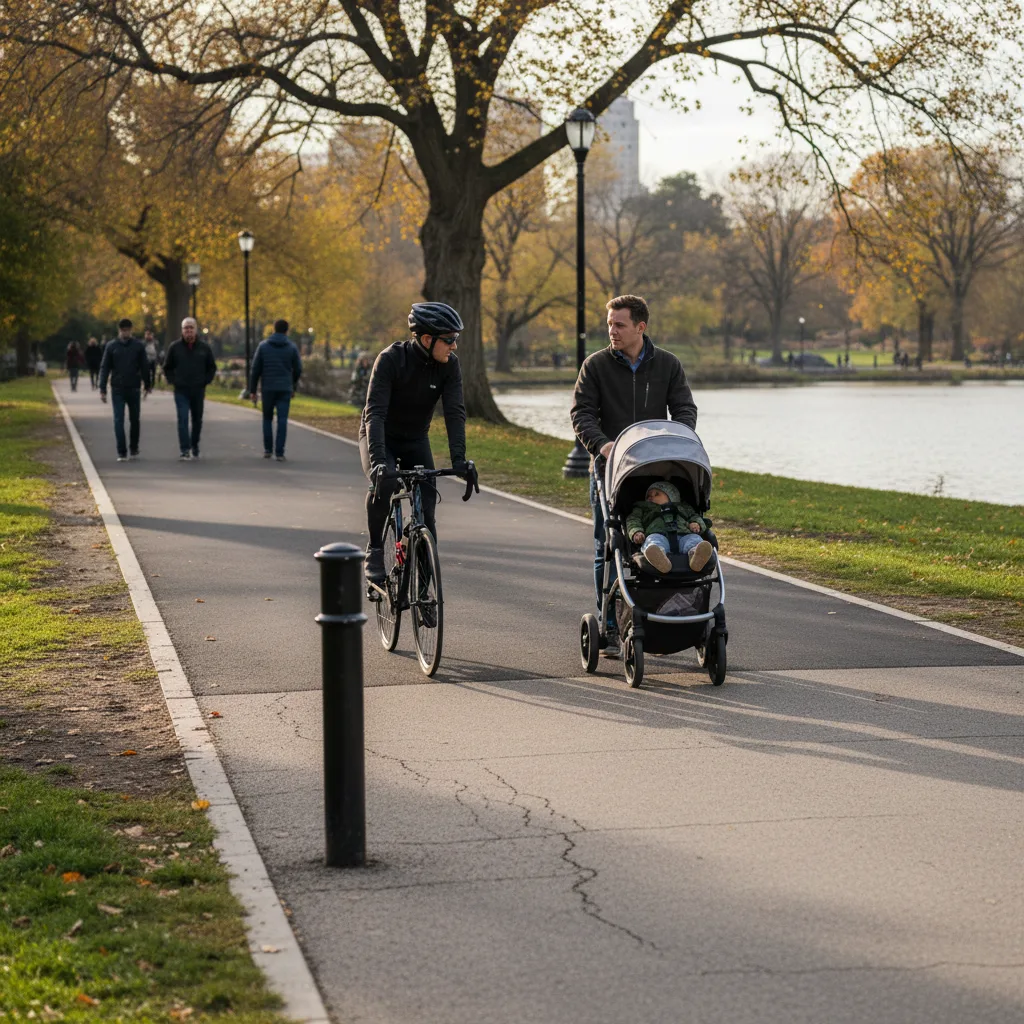
Safety Advocate Blames Park Redesign for Rising Central Park Cyclist Crashes
Safety advocates blame recent Central Park redesigns for a pedestrian's death and rising cyclist crashes, calling for urgent review of infrastructure.
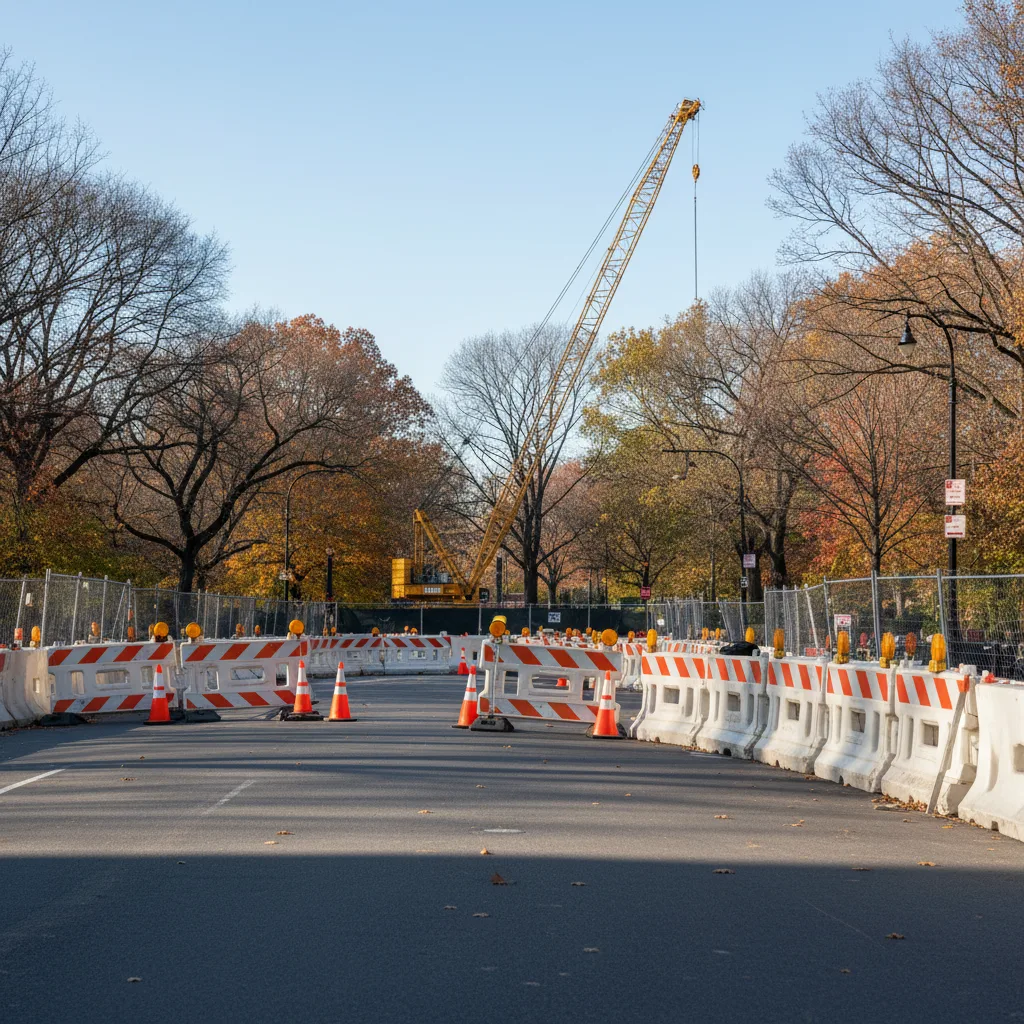
NYC DOT Advises Central Park Area Traffic Disruptions September 27
NYC DOT issued advisories for major traffic disruptions near Central Park on September 27, 2026, due to a parade and crane operations. Expect delays.

Davis Center at Harlem Meer Unveils State-of-the-Art Facilities
The new Davis Center at the Harlem Meer in Central Park's north end now features a state-of-the-art pool, ice rink, and multi-use turf field, enhancing community recreational options.

NYC City Record Confirms September 21, 2026, Publication Schedule
The NYC City Record confirmed its September 21, 2026, publication schedule, detailing administrative notices, procurement, and public hearings. This ensures transparency for municipal operations and public access to vital city information.