


NYC Congestion Pricing Confirmed Through Summer 2026, Impacting Central Park Access

NEW YORK — New York City's controversial congestion pricing program has been officially confirmed to continue through the summer of 2026, a decision that will directly affect travel patterns and visitor access to Central Park. This announcement, made by the Metropolitan Transportation Authority (MTA) Board, underscores the city’s commitment to reducing traffic and funding public transit, even amid ongoing public debate.
Officials indicated that the revenue generated from the tolls is crucial for significant upgrades to the city's aging subway and bus infrastructure. Drivers entering Manhattan’s Central Business District, defined as south of 60th Street, will continue to face daily charges, impacting many who historically drove directly into the park or its surrounding attractions. The MTA projects the program will generate approximately $15 billion for capital improvements over the next five years.
Congestion Zone Details and Central Park Access
The designated congestion zone encompasses a significant portion of Manhattan, directly impacting several key entry points to Central Park. While the park itself is not within the explicitly tolled area for those driving through it, vehicles approaching the park from south of 60th Street will incur charges. This includes popular routes along Fifth Avenue and Central Park South.
Samantha Rodriguez, a spokesperson for the Central Park Conservancy, highlighted the potential shift in visitor behavior. "We anticipate some visitors may opt for public transportation or alternative modes of travel to reach the park, especially those coming from outside the immediate area," Rodriguez said in a statement Tuesday morning. "Our priority remains ensuring accessible and enjoyable experiences for everyone, regardless of how they arrive."
Official Perspectives and Public Debate
Governor Kathy Hochul’s office has consistently supported the congestion pricing initiative, framing it as an essential step toward a greener, more efficient transit system for the entire region. The Governor’s office released a statement last week emphasizing the long-term environmental benefits and the necessity of stable funding for the MTA’s ambitious modernization plans. The program aims to reduce traffic by up to 10% in the core business district.
But the decision has not been without its critics, including some local businesses and elected officials who worry about the economic impact on Manhattan. Businesses north of the 60th Street boundary fear a decrease in customer traffic from drivers reluctant to pay the fee, while those within the zone face increased operational costs for deliveries and staff commutes. A coalition of small business owners has filed a lawsuit alleging the program disproportionately burdens commuters and local enterprises.
Preparing for a Tolled Summer
Central Park visitors planning to drive into or near the congestion zone this summer are advised to familiarize themselves with the tolling structure and consider alternative parking options. The pricing structure includes varying rates based on vehicle type and time of day, with peak hours typically incurring higher fees. Passenger vehicles face a standard daily charge of $15 during daytime hours.
The Central Park Conservancy has updated its central-park-visitor-guide with information on public transit options, including subway and bus lines that stop directly at park entrances. Many visitors already rely on these services, utilizing the A, B, C, D lines to Columbus Circle or the 4, 5, 6 lines to various East Side stops. For more information regarding the broader congestion pricing implications for Manhattan, refer to the Independent's ongoing coverage on latest New York news.
Looking Ahead: Impact on Tourism and Events
The continuation of congestion pricing through 2026 could have a measurable impact on tourism, particularly for out-of-state visitors accustomed to driving in New York City. Tourism bureaus are actively working to promote public transport incentives and express bus services from outlying areas to mitigate potential negative effects. Several major central-park-events-2026, including summer concerts and cultural festivals, are expected to draw large crowds, necessitating efficient transport planning.
"The success of Central Park's events often relies on ease of access for attendees from all boroughs and beyond," noted Michael Chen, Director of NYC Tourism and Conventions. "We are collaborating with the MTA and the Conservancy to ensure robust public transit options are clearly communicated for all major gatherings. Our goal is to make Central Park as accessible as ever." This proactive approach seeks to integrate the new transit reality with the park’s enduring appeal as a premier urban green space.
Frequently Asked Questions About Congestion Pricing and Central Park
How does congestion pricing affect driving to Central Park? Congestion pricing applies to vehicles entering Manhattan south of 60th Street, which includes most southern and eastern approaches to Central Park. While the park itself is not directly tolled, driving to its nearby perimeter from downtown areas will incur the charge. This means drivers coming from Lower Manhattan or crossing bridges/tunnels into the central business district will pay a fee.
Are there exemptions for certain vehicles or times? Yes, there are some exemptions, such as emergency vehicles and certain commuter buses. Additionally, tolls may be lower during off-peak hours or overnight. Drivers should consult the official MTA website for the most current and detailed information on exemptions and pricing schedules before planning their trip to Central Park.
What are the recommended alternatives to driving? Public transportation, including subway and bus services, offers extensive access to Central Park from all parts of the city. Numerous subway lines, such as the A, B, C, D at Columbus Circle (59th Street) and the N, Q, R, W at 57th Street, bring visitors directly to the park’s perimeter. Citi Bike docking stations are also prevalent around the park, providing another convenient option for local travel.
Related Articles
More in Urban Policy & Development →
NYC Mayor Mamdani Booed at Union Square October 7 Vigil
Mayor Mamdani faced boos and protests at a Union Square vigil Thursday marking the Oct. 7 attacks, highlighting deep community divisions in NYC.
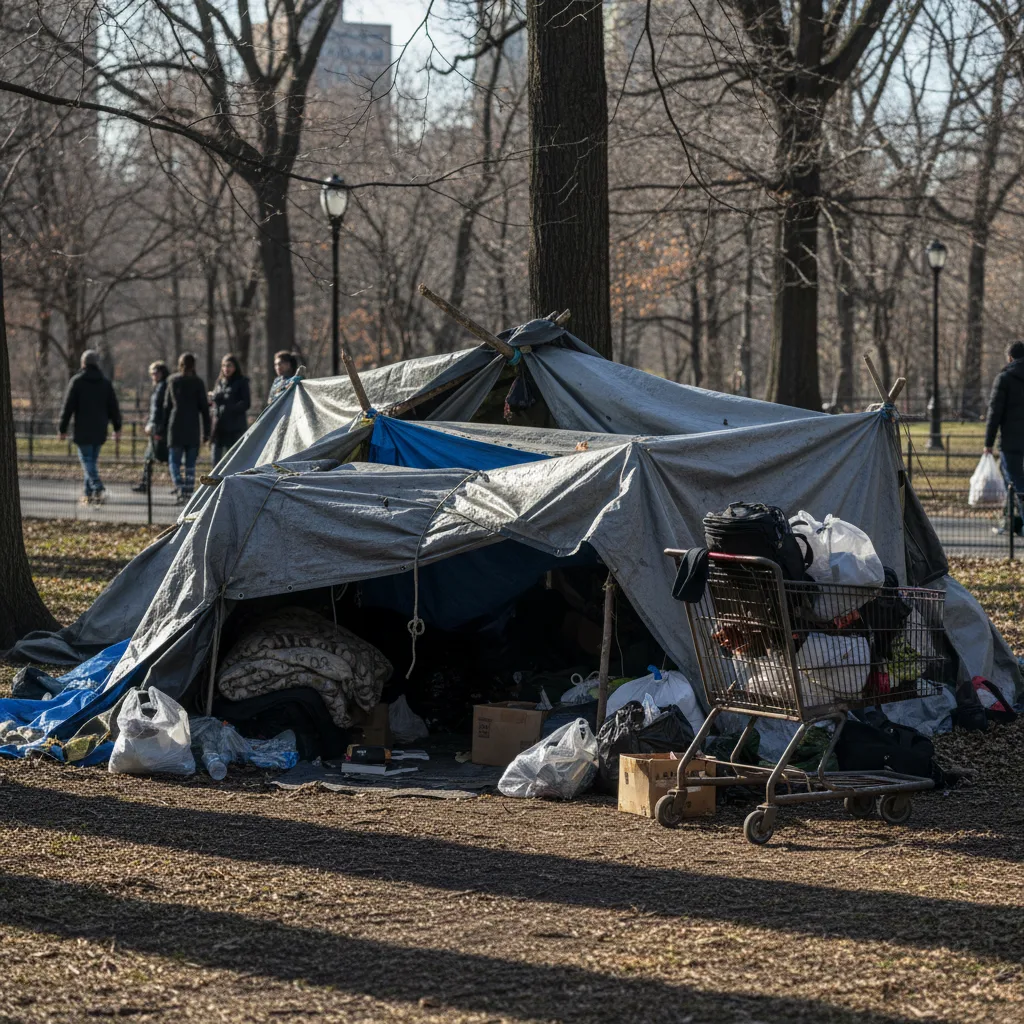
NYC Homeless Encampments Spotted Across Manhattan, Raising Concerns
Multiple homeless encampments have been spotted across Manhattan, raising significant concerns about urban policy and public safety. City officials are under pressure to address the growing homelessness crisis.
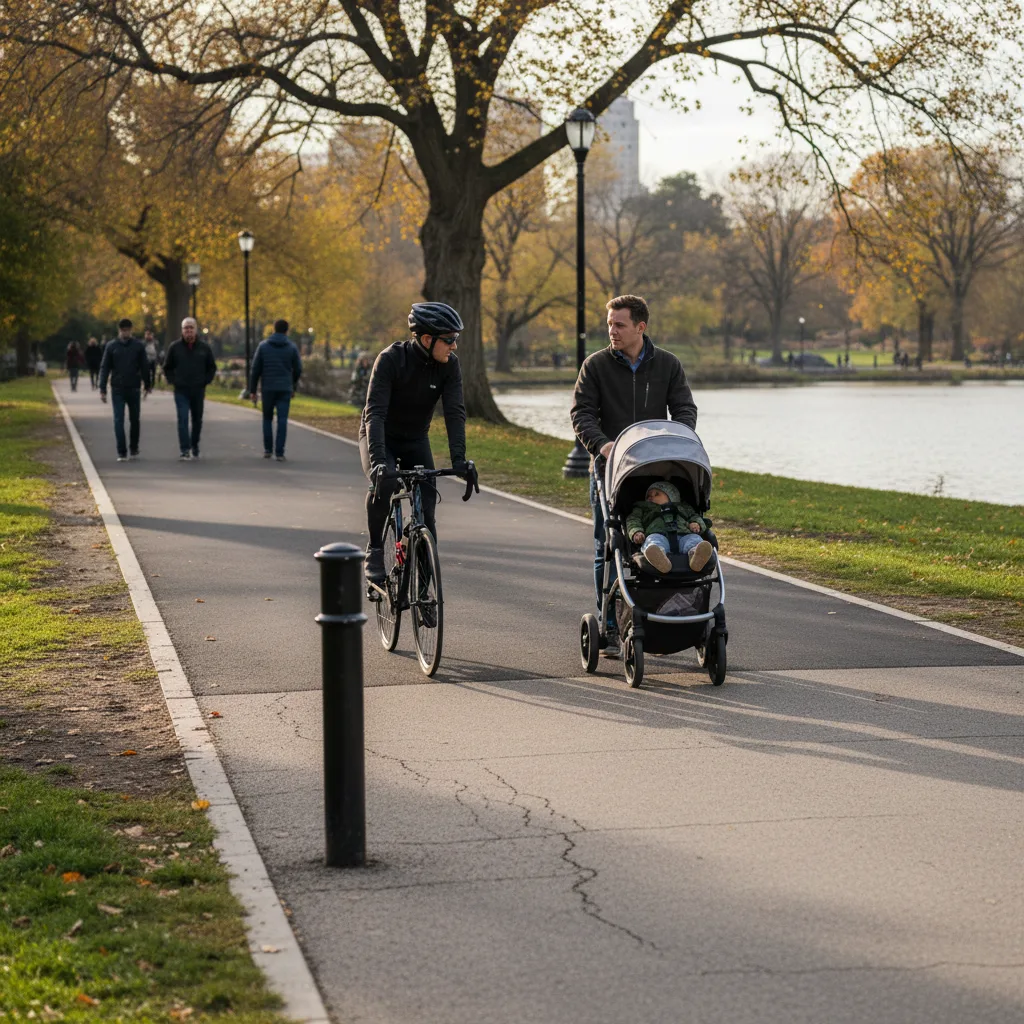
Safety Advocate Blames Park Redesign for Rising Central Park Cyclist Crashes
Safety advocates blame recent Central Park redesigns for a pedestrian's death and rising cyclist crashes, calling for urgent review of infrastructure.
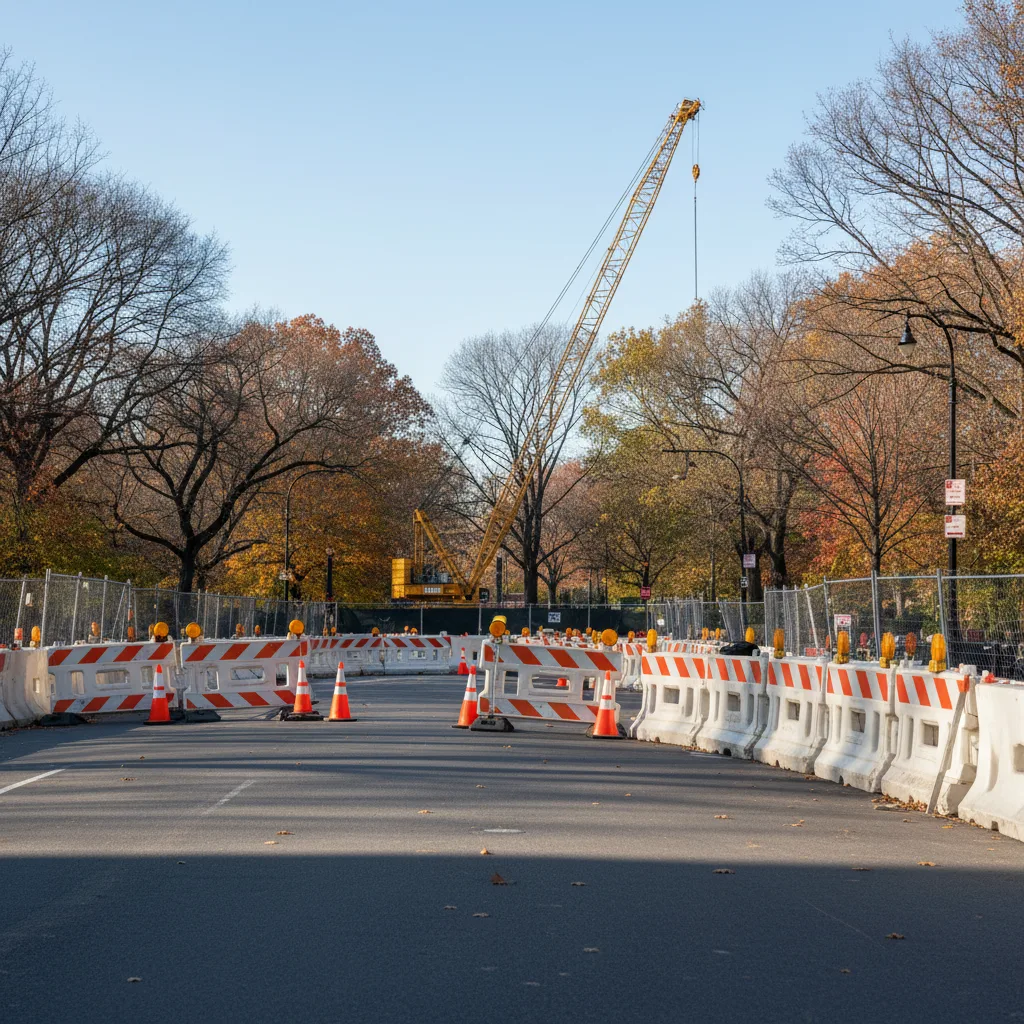
NYC DOT Advises Central Park Area Traffic Disruptions September 27
NYC DOT issued advisories for major traffic disruptions near Central Park on September 27, 2026, due to a parade and crane operations. Expect delays.

Davis Center at Harlem Meer Unveils State-of-the-Art Facilities
The new Davis Center at the Harlem Meer in Central Park's north end now features a state-of-the-art pool, ice rink, and multi-use turf field, enhancing community recreational options.
NYC City Record Confirms September 21, 2026, Publication Schedule
The NYC City Record confirmed its September 21, 2026, publication schedule, detailing administrative notices, procurement, and public hearings. This ensures transparency for municipal operations and public access to vital city information.