


NYC Congestion Pricing Likely to Continue Through Summer 2026

NEW YORK — Manhattan commuters face the sustained reality of congestion pricing as officials indicate the program is likely to remain in effect through the summer of 2026. This ongoing implementation, aimed at reducing traffic and funding public transit, continues to spark debate among residents and businesses across the five boroughs.
The Metropolitan Transportation Authority (MTA) has been at the forefront of this initiative, navigating legal challenges and public feedback since its inception. While specific timelines can shift, current projections from Albany signal no immediate pause or reversal of the daily tolls for vehicles entering Manhattan's Central Business District.
Impact on Daily Commuters and Local Businesses
The extended congestion pricing will profoundly affect thousands of New Yorkers who commute into Manhattan for work or leisure. Drivers entering the zone south of 60th Street, excluding the West Side Highway and FDR Drive, continue to pay a daily toll, adding significant costs to their travel budgets.
“This isn’t just about a few dollars; it’s about a fundamental shift in how people access our city’s core,” stated Jessica Ramirez, a spokesperson for the New York Automobile Association, on July 10, 2026. “For many, especially those without reliable public transit alternatives, this becomes a regressive tax on their daily lives.” Small businesses within the zone also express concerns about potential reduced foot traffic and increased delivery costs, which could be passed on to consumers. And this comes at a time when many are still recovering from economic fluctuations.
Funding Public Transit Initiatives
Proponents of congestion pricing emphasize its critical role in generating revenue for the city’s aging transit infrastructure. The MTA projects billions of dollars in new funding, earmarked for essential upgrades to subways, buses, and commuter rails.
This funding is crucial for modernizing signals, purchasing new accessible train cars, and expanding service, particularly for lines serving outer boroughs. Pat Foye, former MTA Chairman, consistently highlighted the system's dire need for capital investment, echoing sentiments from transit advocates for years. The projected revenue stream is designed to specifically address these long-standing deficits.
Political Landscape and Public Opposition
The decision to maintain congestion pricing reflects a complex political landscape involving Governor Kathy Hochul, New York City Mayor Eric Adams, and various state and local lawmakers. While some political figures champion the environmental and transit benefits, others vocalize strong opposition, particularly from suburban constituencies.
Donald Trump, a notable voice against the plan, has frequently criticized the tolls, arguing they unfairly burden working-class families and small businesses. Such high-profile opposition underscores the divisive nature of the policy, which has seen several legal challenges from groups in New Jersey and Staten Island. These lawsuits have, thus far, not succeeded in halting the program.
Environmental Benefits and Urban Planning Goals
Beyond revenue generation, a primary objective of congestion pricing is to significantly reduce traffic congestion and vehicular emissions in Manhattan. Studies by the New York City Department of Transportation (DOT) indicated a potential 10% to 20% reduction in vehicle miles traveled within the zone.
Lower traffic volumes contribute to cleaner air, fewer traffic-related accidents, and improved quality of life for Manhattan residents and park visitors near Central Park's perimeter. The DOT’s 2025 analysis projected measurable decreases in nitrogen dioxide and particulate matter, especially around heavily trafficked corridors like Fifth Avenue. And these environmental improvements align with the city's broader climate action goals for 2030.
Future Outlook and Adaptation Strategies
With congestion pricing poised to continue through the summer of 2026, residents and businesses are actively adapting their routines and operations. This includes an increased reliance on public transportation, carpooling, and alternative delivery methods.
City agencies are also exploring expanded park-and-ride options and enhanced bus services to accommodate commuters transitioning away from private vehicle use. The independent.co.uk has followed the story closely, reporting on the various economic and social adjustments. Businesses are actively reviewing their supply chains to mitigate the additional transportation costs imposed by the new toll.
Frequently Asked Questions About Congestion Pricing
What areas are affected by NYC congestion pricing? The congestion pricing zone applies to vehicles entering Manhattan south of 60th Street, excluding the West Side Highway and the FDR Drive. This means vehicles driving into or within this core area will incur a daily toll, regardless of their final destination inside the zone.
How much is the congestion pricing toll? The standard toll for passenger vehicles is set at $15 during peak hours, with commercial vehicles paying more based on size and type. Specific discounts and exemptions exist for certain low-income drivers, emergency vehicles, and authorized taxis, though these are subject to regular review.
When did congestion pricing officially begin in NYC? After years of legislative debate and planning, congestion pricing officially commenced on June 30, 2024. The program has since been continuously monitored for its effectiveness and impacts on traffic, public transit ridership, and air quality across the city.
Will congestion pricing be permanent? While the current implementation is slated to continue through summer 2026, the legislative framework allows for its indefinite continuation. Its long-term future largely depends on its perceived success in achieving financial and environmental goals, as well as ongoing public and political support.
Related Articles
More in Urban Policy & Development →
NYC Mayor Mamdani Booed at Union Square October 7 Vigil
Mayor Mamdani faced boos and protests at a Union Square vigil Thursday marking the Oct. 7 attacks, highlighting deep community divisions in NYC.
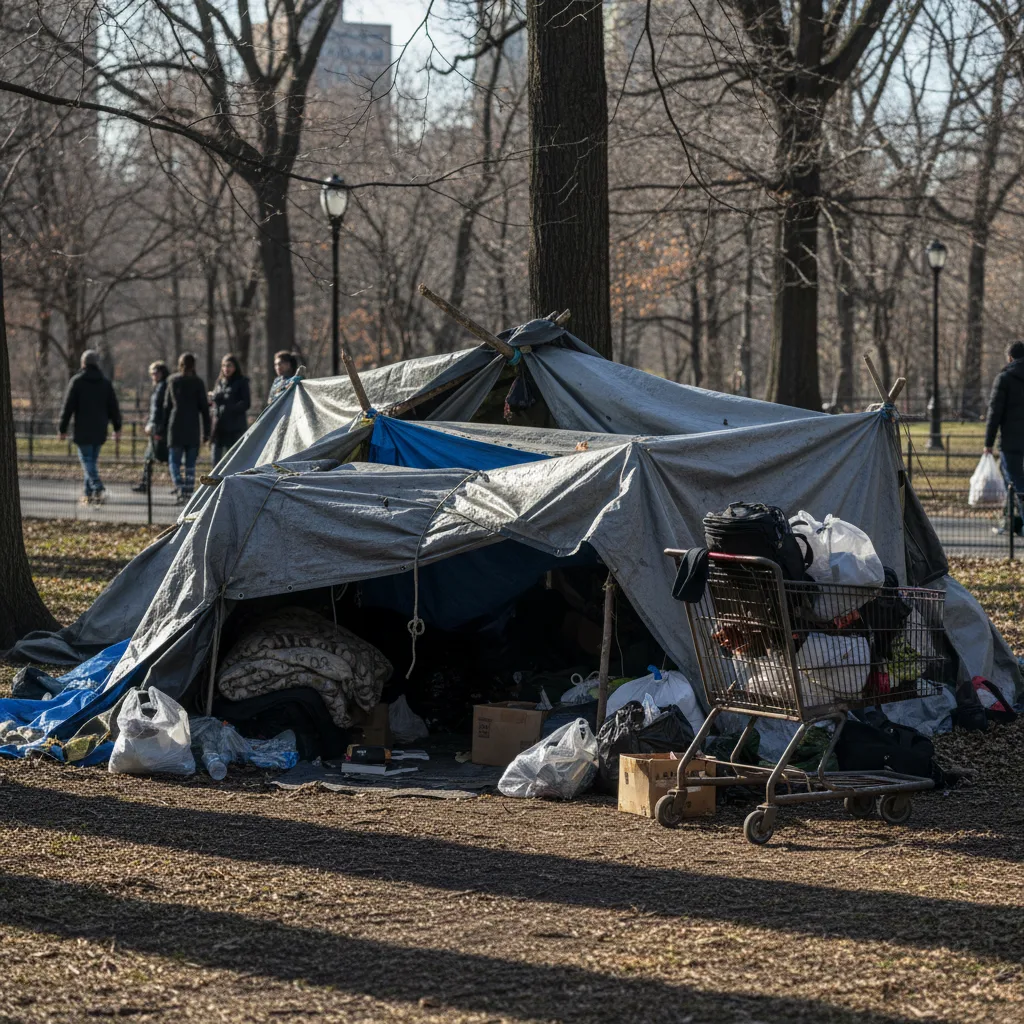
NYC Homeless Encampments Spotted Across Manhattan, Raising Concerns
Multiple homeless encampments have been spotted across Manhattan, raising significant concerns about urban policy and public safety. City officials are under pressure to address the growing homelessness crisis.
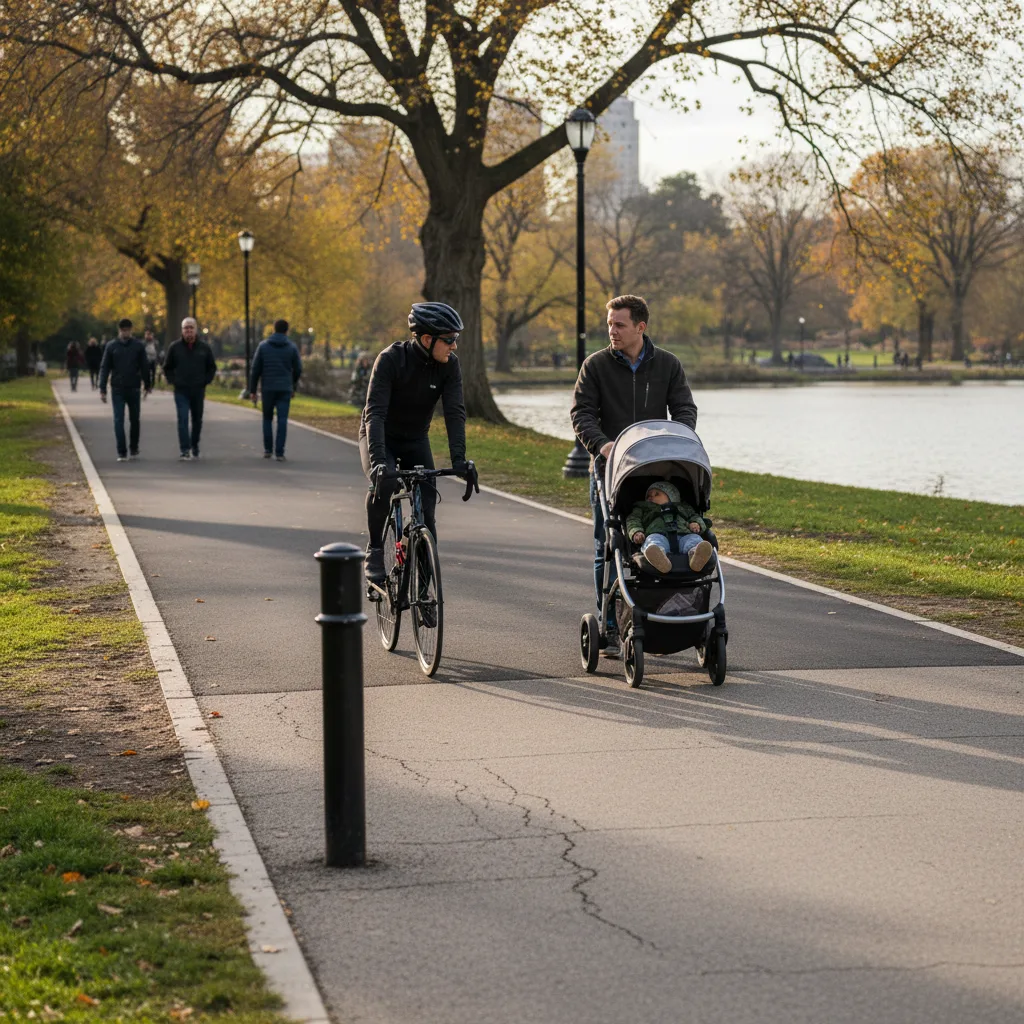
Safety Advocate Blames Park Redesign for Rising Central Park Cyclist Crashes
Safety advocates blame recent Central Park redesigns for a pedestrian's death and rising cyclist crashes, calling for urgent review of infrastructure.
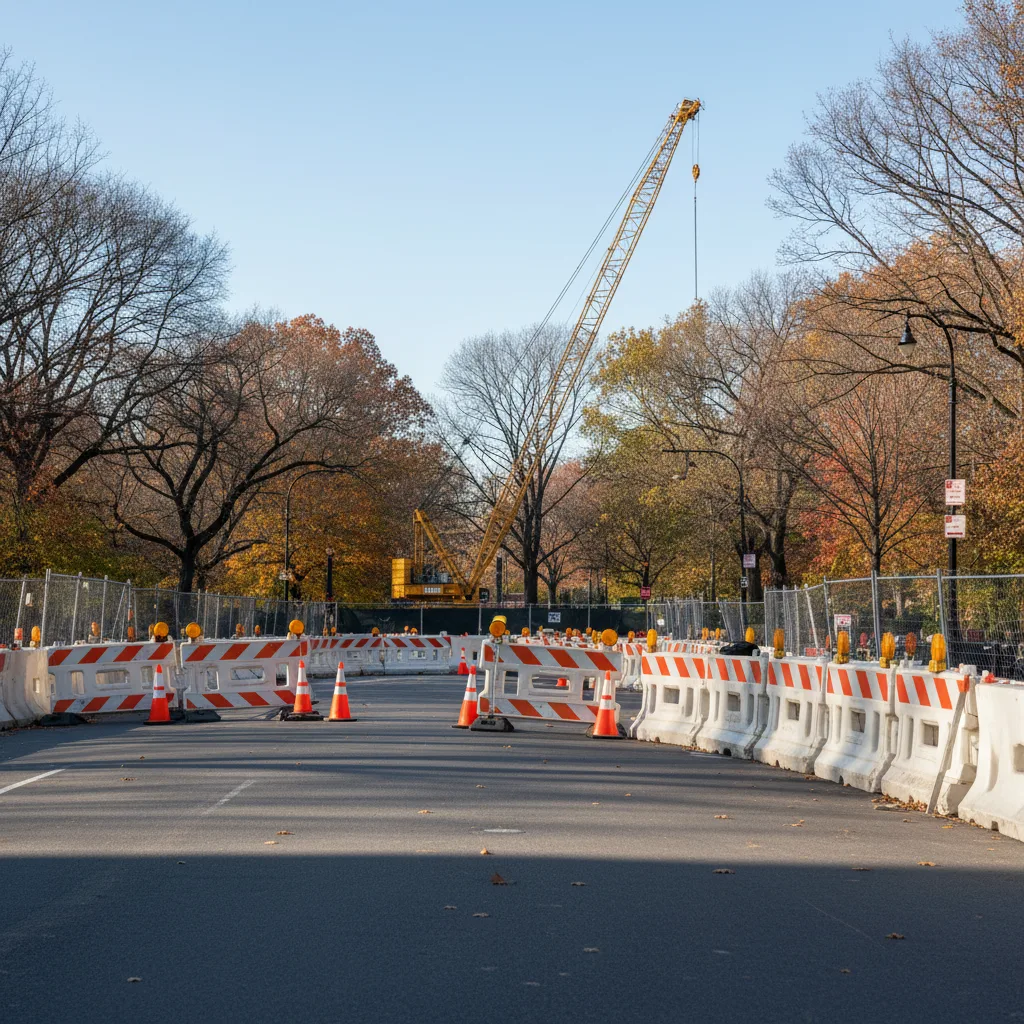
NYC DOT Advises Central Park Area Traffic Disruptions September 27
NYC DOT issued advisories for major traffic disruptions near Central Park on September 27, 2026, due to a parade and crane operations. Expect delays.

Davis Center at Harlem Meer Unveils State-of-the-Art Facilities
The new Davis Center at the Harlem Meer in Central Park's north end now features a state-of-the-art pool, ice rink, and multi-use turf field, enhancing community recreational options.
NYC City Record Confirms September 21, 2026, Publication Schedule
The NYC City Record confirmed its September 21, 2026, publication schedule, detailing administrative notices, procurement, and public hearings. This ensures transparency for municipal operations and public access to vital city information.