


NYC Congestion Toll 2026: Central Park Access Debates Intensify

NEW YORK — The impending implementation of New York City's congestion pricing program in 2026 is sparking vigorous debate among Central Park users, local businesses, and city officials regarding its potential impact on accessibility and visitor patterns. With the aim of reducing traffic and funding public transit, the new toll system, expected to affect vehicles entering Manhattan's central business district, raises questions about how it will reshape the experience of visiting one of the world's most iconic urban parks.
City transportation authorities project significant reductions in vehicle miles traveled within the congestion zone, alongside billions in new revenue for the MTA. However, critics argue the toll could disproportionately burden suburban commuters and tourists who rely on personal vehicles to access Central Park, potentially deterring visits and affecting surrounding businesses. The financial implications for families traveling into the city for park events or leisure activities are a central point of contention, particularly for those without immediate subway access.
Rethinking Central Park Accessibility for Visitors
The Metropolitan Transportation Authority (MTA) has outlined a framework for the congestion pricing, which will levy a charge on vehicles entering Manhattan south of 60th Street. This zone encompasses the entirety of Central Park, meaning many drivers will face a new cost to reach its entrances or to drive around its perimeter roads. Local advocacy groups like the Central Park Conservancy, while generally supportive of sustainable transportation, have expressed interest in understanding the nuances of the plan's effect on park visitation numbers.
For many years, the park has served as a critical green escape for millions, drawing visitors from across the five boroughs, the wider metropolitan area, and international tourists. The concern is that an additional financial barrier could shift visitation patterns, potentially reducing attendance at free public events or making spontaneous trips less feasible for some demographics. Business owners along Central Park South and Central Park West are also carefully evaluating how the new pricing structure might influence customer foot traffic and delivery logistics, according to local community board discussions.
Economic Concerns for Businesses Near the Park
Businesses flanking Central Park, from upscale restaurants to small souvenir shops, are closely monitoring the congestion pricing rollout. Many rely on a steady flow of both local patrons and out-of-town visitors, a significant portion of whom currently arrive by car or ride-share services. The added cost of the toll could translate to fewer customers or increased operational expenses for deliveries, impacting their bottom lines.
A survey conducted by the Central Park Business Alliance in late 2025 indicated that nearly 40% of their members anticipated a negative effect on customer volume during the initial year of the toll's implementation. While some businesses plan to adapt by offering incentives for public transport users, others fear a measurable dip in revenue during crucial tourist seasons. These anxieties are compounded by broader economic uncertainties and evolving consumer behaviors in the post-pandemic landscape, according to NBC New York Morning News discussions.
Environmental Benefits Versus Social Equity Debate
Proponents of congestion pricing emphasize its environmental benefits, predicting improved air quality and reduced carbon emissions in the city. Fewer cars circling Central Park’s loops and streets would contribute to a healthier urban environment, aligning with the park's mission as a natural oasis. This perspective is strongly supported by environmental groups and urban planning experts who view the toll as a crucial step towards a more sustainable New York.
However, the debate also extends to social equity. Critics argue that while the environmental gains are laudable, the cost might disproportionately affect lower-income individuals and families from outer boroughs or suburban areas who have limited public transit options. Finding a balance between environmental objectives and ensuring equitable access to public spaces like Central Park remains a key challenge for city policymakers, as highlighted in recent municipal hearings.
Public Transit Enhancements and Alternative Solutions
To mitigate the potential negative impacts on Central Park accessibility, city and transit officials are working on enhancing public transportation options. The revenue generated from the congestion toll is earmarked for improvements to the MTA subway and bus systems, which could ultimately make public transit a more attractive and efficient way to reach the park. These improvements include service expansions, modernized infrastructure, and increased frequency on key routes.
Additionally, discussions are underway regarding potential discounts or exemptions for certain vehicles, such as those used by low-income residents or essential services, although the specifics are still being finalized. The goal is to ensure that while traffic in the core of Manhattan is reduced, Central Park remains a readily accessible and welcoming destination for everyone, regardless of their preferred mode of transportation, according to statements from the MTA.
Community Engagement and Future Outlook
Local community boards surrounding Central Park have been active in gathering feedback from residents and businesses, relaying concerns and suggestions to the city. Public forums and town halls have become important venues for residents to voice their opinions, with many expressing a desire for clarity on how the new system will affect their daily lives and their cherished park. These discussions reflect a complex urban challenge that touches upon economic vitality, environmental health, and social fairness.
The ongoing dialogue underscores the importance of a phased approach and continuous evaluation as congestion pricing rolls out in 2026. The city plans to monitor traffic patterns, air quality, and economic indicators closely to adjust the program as needed, ensuring that Central Park remains a vibrant and accessible centerpiece of New York life. The outcome will be closely watched by other major cities considering similar urban policy reforms.
Frequently Asked Questions About NYC Congestion Pricing and Central Park
Many residents and potential visitors have questions about how the new congestion toll will affect their access to Central Park. The congestion pricing zone covers Manhattan below 60th Street, meaning vehicles entering this area, including the park, will incur a fee, though specific toll rates and hours of operation are still undergoing final approval. Public transportation remains a primary recommended method for park access, with planned MTA improvements funded by the toll revenues. Some exemptions or discounts for specific vehicle types or income levels may be introduced, but details are pending, so visitors should check official city transportation websites closer to the 2026 launch for the most current information. The goal is to balance traffic reduction and environmental benefits with maintaining equitable access to cultural and recreational assets like Central Park.
Related Articles
More in Visitor Guide →
A Guide to Central Park's Top Activities and Best Things to Do in 2026
Discover the best things to do in Central Park, NYC, with our comprehensive 2026 guide to iconic landmarks, activities, and hidden gems for visitors.
A Guide to What to Know About the Vatican Obelisk in Central Park 2026
Discover what to know about the Vatican Obelisk (Cleopatra's Needle) in Central Park, its history, journey to NYC, and where to find it in 2026.
A Complete Guide to the Central Park Reservoir: What to Know Before You Visit
Discover everything you need to know about the Central Park Reservoir: its history, running track, wildlife, best views, and visitor tips for 2026.
A Guide to Central Park's Top 5 Pizzerias: The Best Slices Near You in NYC
Discover the top 5 pizzerias near Central Park, NYC. This guide helps you find the best slices, from historic institutions to modern favorites.
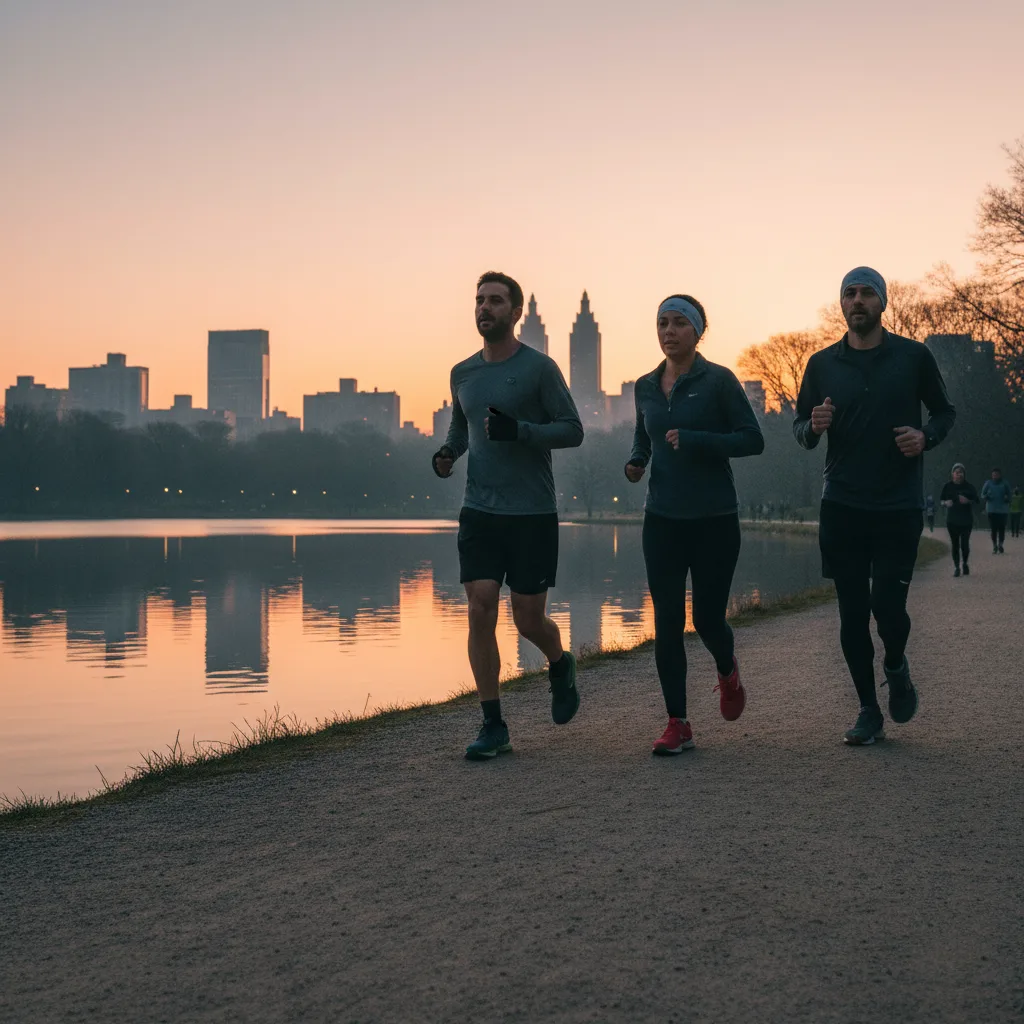
Central Park Offers Daily Public Access From 6 AM to 1 AM
Central Park maintains extensive daily public access from 6:00 am to 1:00 am, offering a continuous urban sanctuary for millions of visitors.
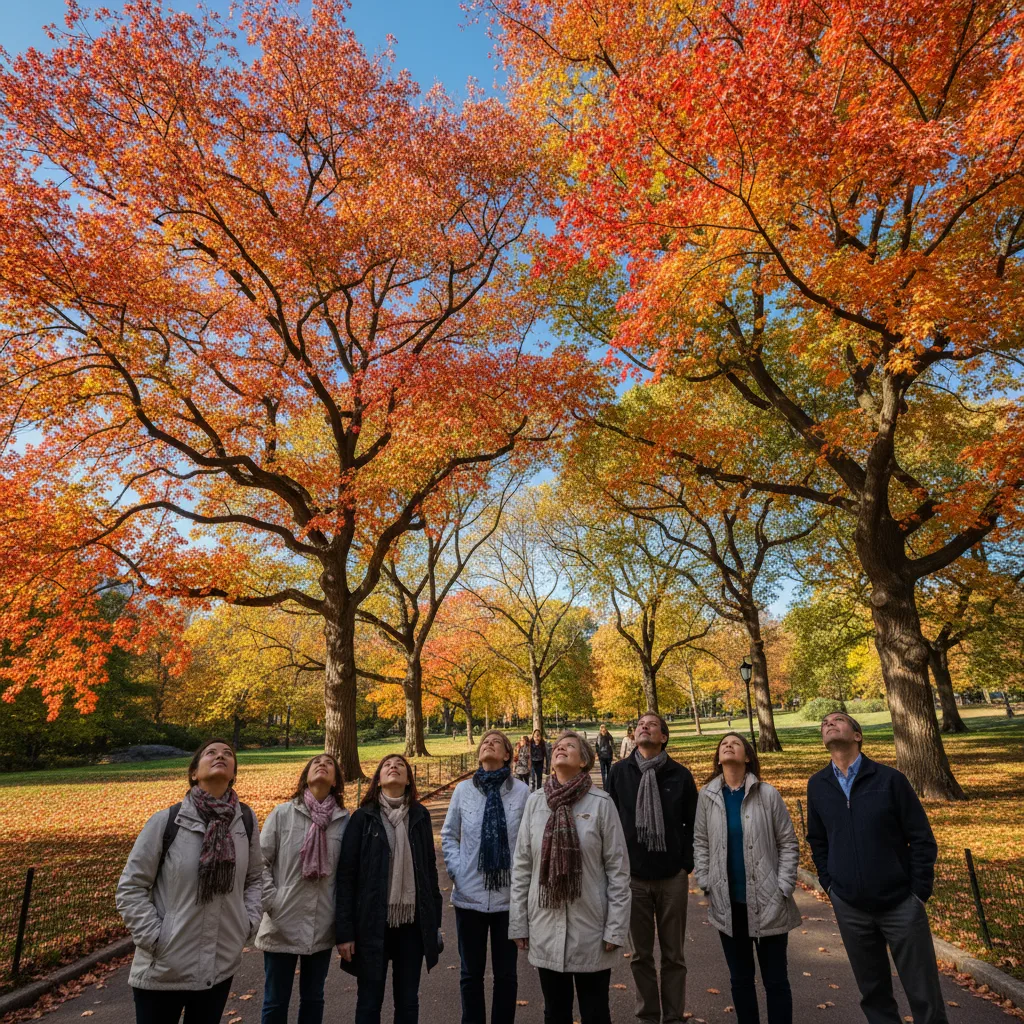
Central Park Conservancy Updates Calendar with Fall Foliage Trackers
The Central Park Conservancy has updated its calendar with fall foliage trackers and seasonal activities, guiding visitors to experience the park's autumn beauty and diverse offerings. The new resources aim to enhance planning for iconic views and events.