


NYC Considers E-Bike, Scooter Ban in Central Park by Summer 2026

NEW YORK — New York City officials are actively considering a comprehensive ban on electric bicycles and scooters within Central Park, with a potential implementation targeting summer 2026. The proposed legislation stems from a growing number of safety concerns and conflicts between faster-moving electric vehicles and traditional park users.
Data collected by the NYC Parks Department shows a 35% increase in reported incidents involving e-bikes or scooters and pedestrians or cyclists over the past year. This statistic has prompted city council members to push for stricter regulations, prioritizing pedestrian safety in the iconic 843-acre park.
Rising Safety Concerns Drive Proposed Ban
The initiative to ban e-bikes and scooters from Central Park's extensive network of drives and pathways gained momentum after a series of high-profile collisions and near-misses. Advocates for the ban cite the inherent speed differential between these motorized devices, which can reach speeds of 20-30 miles per hour, and the typical pace of pedestrians and traditional cyclists.
Council Member Jessica Chen, chair of the Parks and Recreation Committee, outlined the concerns during a recent public hearing. "Our parks are meant to be serene, safe spaces for everyone," Chen stated. "The increasing speed and volume of e-bikes and scooters are creating a hazardous environment, especially for children and older adults enjoying the park." The issue has been a frequent topic in Central Park news articles for months.
Roughly 60 incidents resulting in minor to moderate injuries were reported in Central Park in 2025 alone, specifically involving e-bikes or e-scooters. This figure represents a significant jump from 40 incidents in 2024, prompting the urgent policy review.
Enforcement Challenges and Public Reaction
Enforcing existing speed limits of 25 mph on the park's drives and 10 mph on shared paths for all bicycles has proven challenging for the NYC Parks Enforcement Patrol (PEP). The sheer volume of users and the difficulty in distinguishing between traditional and electric bikes contribute to these enforcement hurdles.
A public survey conducted by the Parks Department in January 2026 indicated that 72% of Central Park users support stricter regulations, with 55% explicitly favoring an outright ban on e-bikes and scooters. This public sentiment reflects widespread frustration among pedestrians and traditional cyclists who feel marginalized on shared paths.
However, cycling advocacy groups argue that a complete ban is overly restrictive and punishes responsible riders who rely on e-bikes for commuting or health reasons. "E-bikes offer an accessible mode of transportation for many, including seniors and individuals with physical limitations," commented David Lee, spokesperson for the NYC Bicycle Coalition. "Instead of a blanket ban, we should focus on better infrastructure and targeted enforcement." More local reporting on these debates can be found on ABC7 coverage of park issues.
Potential Legislative Pathways and Alternatives
The proposed legislation could take several forms, ranging from a complete prohibition, similar to policies in some European cities, to a more nuanced approach involving designated lanes or stricter licensing and registration for electric vehicles within park boundaries. A draft bill is expected to be introduced in the City Council by late spring 2026.
Should the ban pass, enforcement would likely involve a combination of PEP officers and potentially NYPD presence, with fines for violations starting at $100 for a first offense. City officials are also exploring educational campaigns to inform the public about new regulations and promote safer shared-space practices.
For cyclists zooming past Grand Army Plaza on the East Drive, the potential ban looms large, threatening to alter their daily commutes and leisurely rides. The sight of electric scooters weaving quickly through pedestrians near Columbus Circle highlights the friction that has fueled this debate.
The Davis Center at Harlem Meer: A Different Park Development
While the e-bike debate continues, Central Park has also seen other significant developments, such as the opening of the new Davis Center at Harlem Meer. This facility, located at the northern end of the park, provides a year-round hub for recreation, education, and community programming, a stark contrast to the regulatory discussions surrounding other park amenities.
The Davis Center, which officially opened in late 2025, features an ice-skating rink in winter, a swimming pool in summer, and various educational programs throughout the year. It represents a major investment in the park's community resources, offering structured activities distinct from the open-access concerns around electric mobility devices.
Frequently Asked Questions About Central Park E-Bike Ban
Why is an e-bike and scooter ban being considered in Central Park? The ban is primarily driven by a 35% increase in safety incidents involving e-bikes/scooters and pedestrians or traditional cyclists within the park over the past year. City officials cite concerns about speed differentials and creating a hazardous environment for park users.
What is the public's opinion on the proposed ban? A January 2026 public survey by the Parks Department indicated that 72% of Central Park users support stricter regulations, with 55% specifically favoring an outright ban on e-bikes and scooters. However, cycling advocacy groups argue against a blanket prohibition.
When could the ban take effect? City officials are targeting a potential implementation of the ban by summer 2026. A draft bill is expected to be introduced in the City Council by late spring, followed by further legislative processes.
Related Articles
More in Park Operations & Maintenance →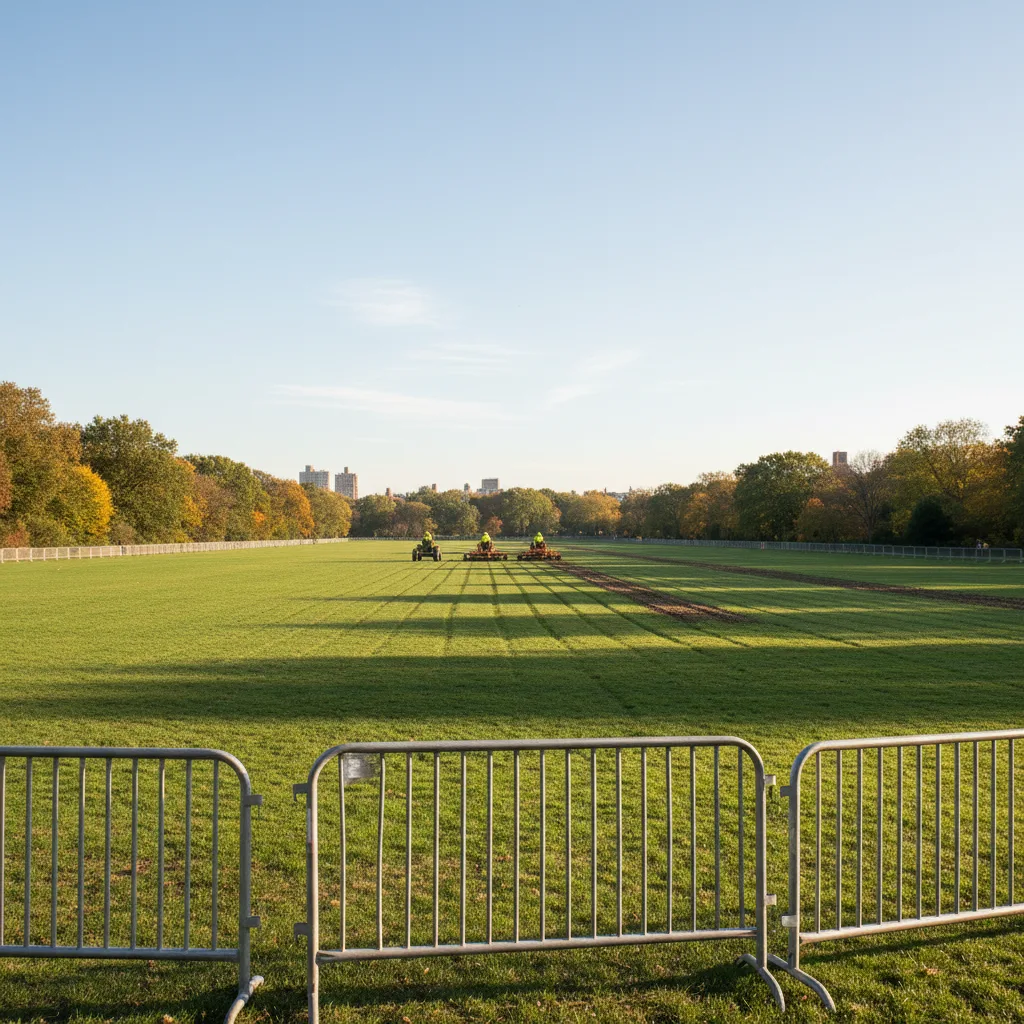
Central Park Conservancy Closes Great Lawn for Scheduled Maintenance
The Central Park Conservancy closed the Great Lawn through October 2, 2026, for scheduled maintenance, impacting weekend activities. Essential upkeep ensures the iconic green space remains vibrant for visitors.
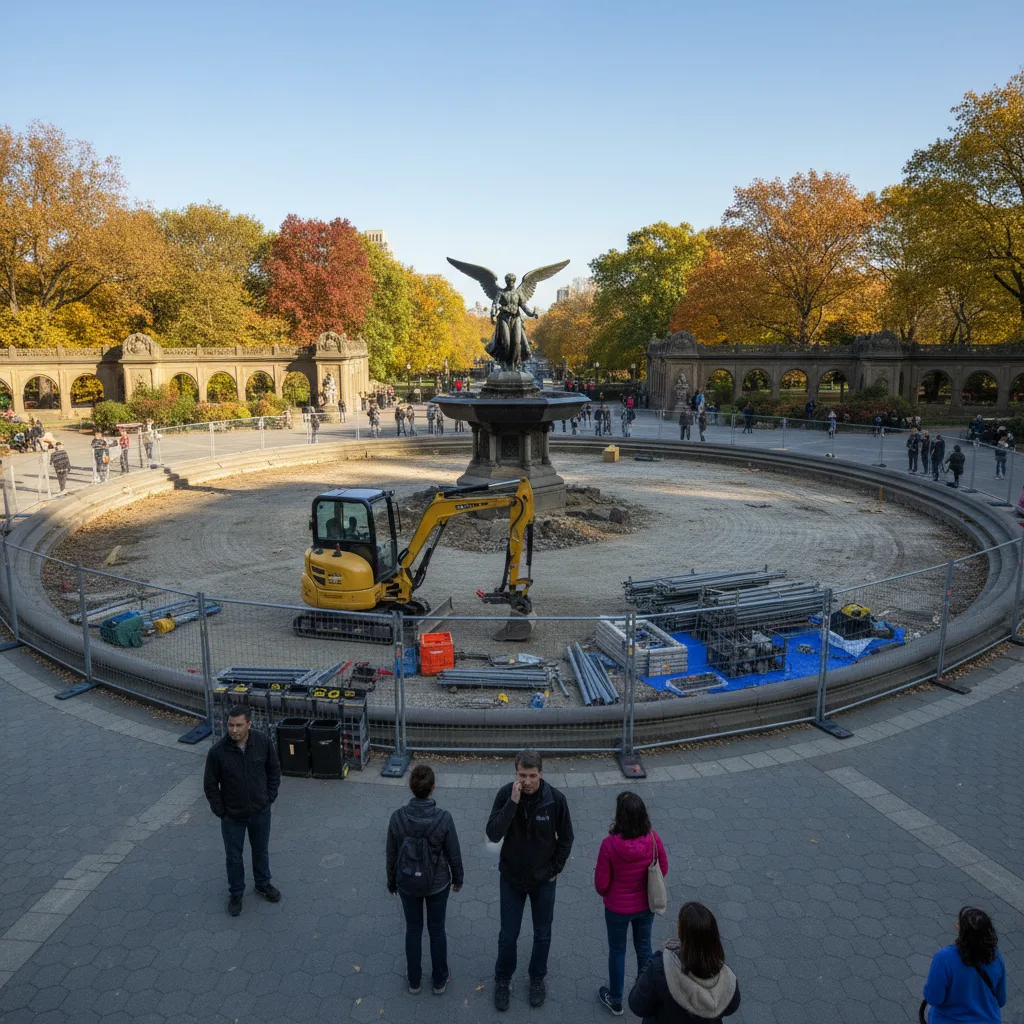
Central Park Conservancy Announces Bethesda Fountain, Great Lawn Closures
Central Park Conservancy announced Bethesda Fountain is off for restoration and the Great Lawn closed through October 2, 2026 for maintenance, affecting visitor access.
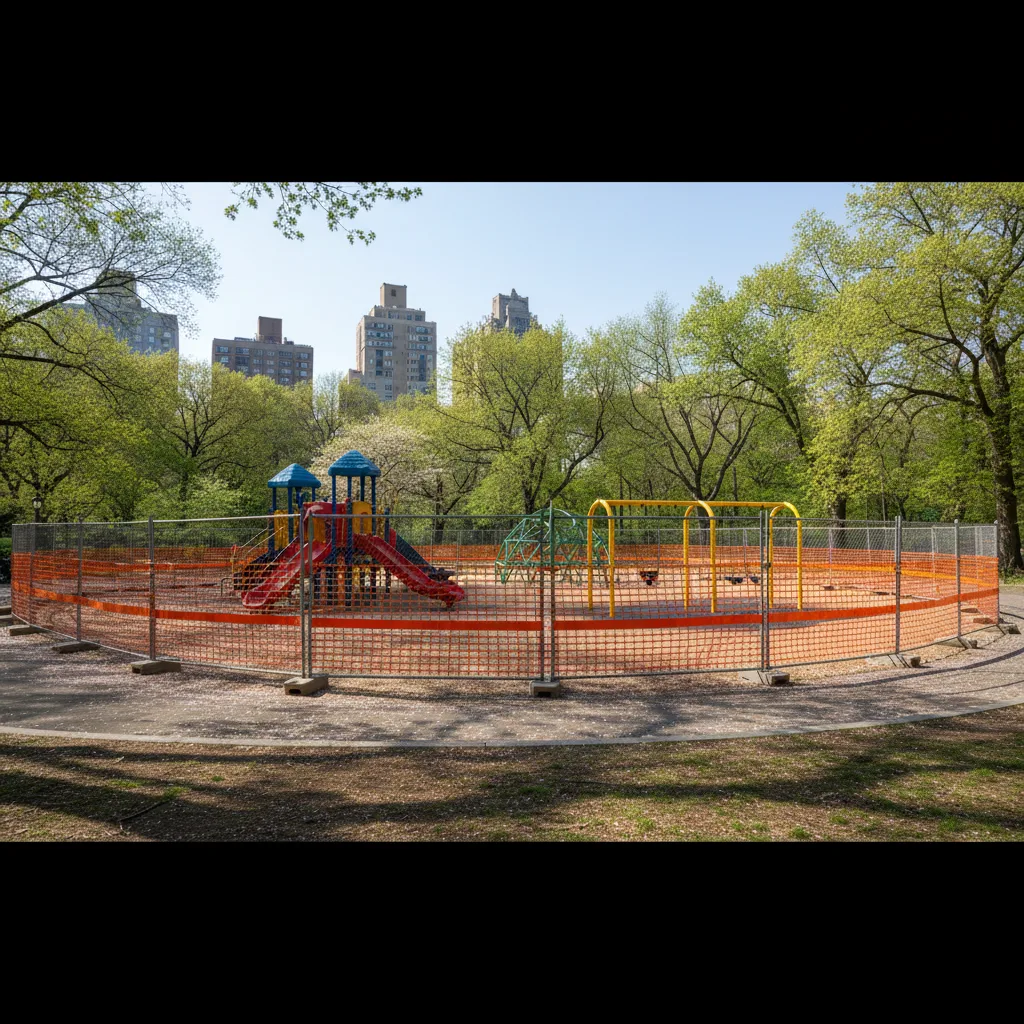
Central Park Conservancy Closes East 110th Street Playground for Restoration
Central Park Conservancy closed the East 110th Street Playground for restoration, while North Meadow and Heckscher ballfields shut due to weather. Plan your visit; check alerts for closures impacting recreation in Central Park.
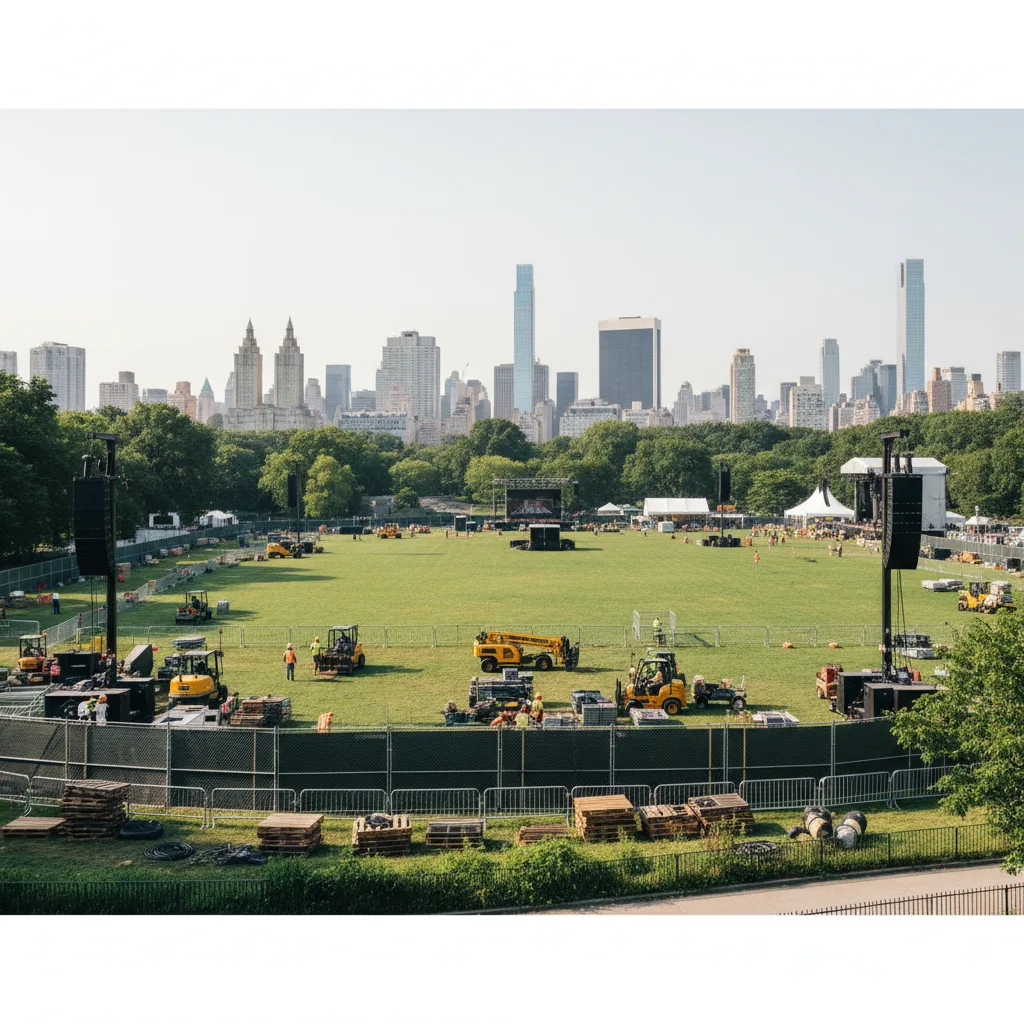
Central Park Conservancy Closes Great Lawn for Global Citizen Festival
Central Park Conservancy confirmed the Great Lawn is closed through September 26, 2026, for the Global Citizen Festival, affecting access to Belvedere Castle and Turtle Pond. Local residents and visitors should plan alternate routes and expect traffic delays around the park's perimeter.
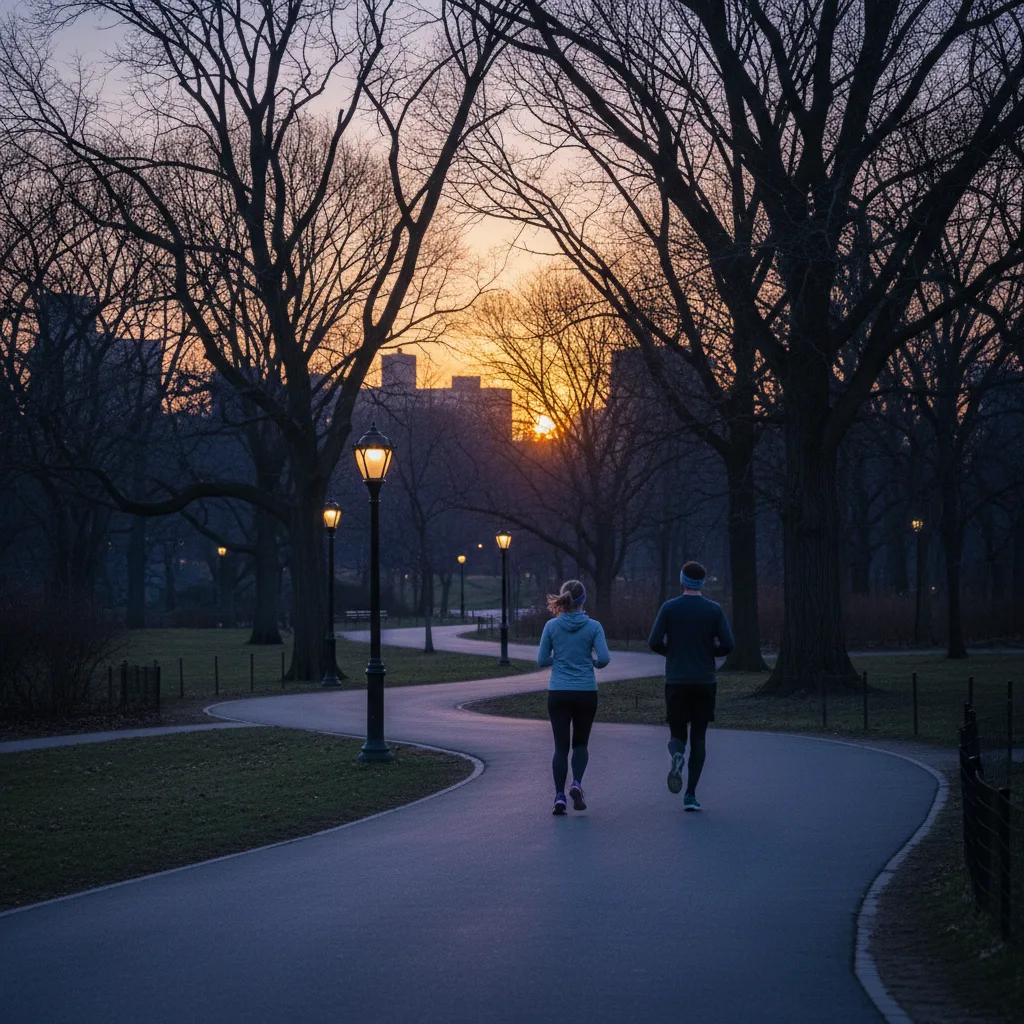
Central Park Conservancy Confirms 2026 Daily Operating Hours
Central Park Conservancy confirms 2026 daily hours: 6:00 a.m. to 1:00 a.m. This notice is for visitor planning, not a change.
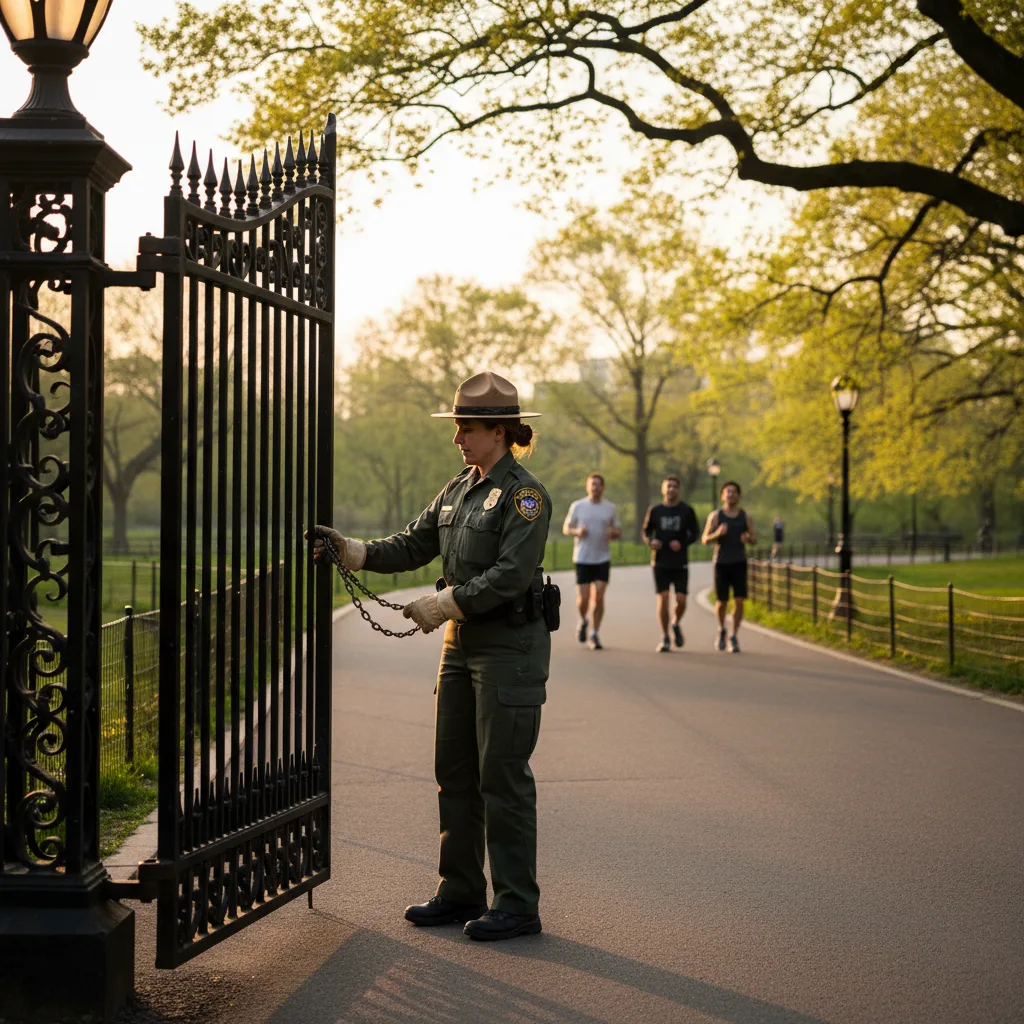
Central Park Conservancy Announces Park Hours Update for 2026
Central Park Conservancy announced updated 2026 park hours, maintaining 6:00 a.m. to 1:00 a.m. access daily. This schedule balances public enjoyment with critical maintenance and security operations.