


NYC Considers E-Bike, Scooter Ban in Parks, Central Park Impact

NEW YORK — New York City officials are considering a comprehensive ban on electric bikes and scooters within all city parks, a policy under active review by the Department of Parks and Recreation and the City Council. This potential regulation aims to address growing safety concerns, minimize pedestrian-vehicle conflicts, and preserve the tranquil nature of green spaces like Central Park. The proposal has ignited spirited debate among residents, environmental advocates, and micromobility users across the five boroughs.
The impetus for the ban stems from an increasing number of reported incidents involving e-bikes and scooters, including collisions and near-misses with pedestrians, particularly children and seniors. While these devices offer convenient transportation, their speed and silent operation pose significant challenges in shared park environments. Central Park, with its winding paths and high pedestrian traffic, stands as a focal point in this policy discussion.
Safety Concerns Driving the Proposed Ban
Advocates for the ban cite public safety as their primary concern. Many e-bikes and scooters can reach speeds that are incompatible with pedestrian-heavy areas, creating hazardous conditions on pathways not designed for such speeds. "We've seen too many close calls, and it's only a matter of time before a serious accident occurs," stated Maria Gomez, a representative from Families for Safer Parks.
The Central Park Conservancy has also voiced concerns, noting the delicate balance required to manage shared spaces effectively. The park's historic design and current infrastructure are largely geared towards walking, running, and traditional cycling. Introducing faster, motorized devices complicates this established usage pattern, increasing the risk for all park visitors. This safety imperative is central to the proposed policy shift.
Impact on Micromobility Users and Commuters
Conversely, micromobility users argue that a blanket ban would unfairly penalize those who rely on e-bikes and scooters for commuting or recreation. They highlight the environmental benefits of these devices as alternatives to cars, contributing to reduced carbon emissions and traffic congestion. Many utilize park pathways as safe routes, avoiding busy city streets.
"E-bikes offer a sustainable way for me to get to work through the park without driving," commented David Chen, a daily e-bike commuter through Central Park. "A ban would force me onto dangerous avenues or add significant time to my commute." Groups representing e-bike and scooter riders are advocating for alternative solutions, such as designated lanes or stricter speed limits, rather than an outright prohibition. More details on city park topics are available through Central Park's news articles.
Enforcement Challenges and Existing Regulations
Enforcing a ban across all city parks, including the sprawling Central Park, presents significant logistical challenges for the NYPD and Parks Enforcement Patrol. Current regulations already prohibit gas-powered vehicles and certain motorized devices on park paths, but the proliferation of new electric models has complicated enforcement. Defining and identifying prohibited devices accurately will be crucial for any new policy.
Discussions are underway regarding the scope of the ban – whether it would include all electric-assist bicycles or only those exceeding a certain speed threshold. Clear signage and public awareness campaigns would be essential for successful implementation. The city would also need to allocate resources for effective patrolling and issuance of summonses to ensure compliance, as stated by a Parks Department spokesperson.
Community Feedback and Next Steps
The City Council is expected to hold a series of public hearings in the coming months to gather further community feedback on the proposed ban. Residents, advocacy groups, and business owners are encouraged to voice their opinions. The aim is to craft a policy that addresses safety concerns while considering the diverse needs of New Yorkers.
This dialogue reflects a broader urban challenge: integrating new transportation technologies into existing public spaces safely and equitably. The outcome for Central Park will set a precedent for other parks citywide. The City Council's Parks Committee is expected to present a draft resolution by late 2026 for a final vote. For further context on New York City park news, consult the Central Park website's news section.
FAQs on NYC E-Bike and Scooter Regulations
Why is NYC considering a ban on e-bikes and scooters in parks? New York City is considering a ban primarily due to increasing safety concerns arising from conflicts between these motorized devices and pedestrians. The speed and quiet operation of e-bikes and scooters are seen as incompatible with the shared, often crowded, pathways of city parks, leading to accidents and near-misses. The goal is to enhance pedestrian safety and maintain the intended recreational use of park spaces. Public input is a significant factor in this ongoing debate.
Are all types of e-bikes and scooters currently banned in Central Park? Currently, Central Park has regulations regarding motorized vehicles on paths, which includes certain types of e-bikes and scooters, particularly those that can achieve higher speeds or are gas-powered. However, the proposed ban aims for a more comprehensive prohibition across all city parks to clarify and strengthen these rules. Enforcement can vary depending on the specific device and its classification under existing laws. This has led to some confusion among users.
How would a ban impact park access for people with disabilities? Concerns have been raised regarding the impact of a blanket ban on individuals with disabilities who use electric-assist devices for mobility. Advocates are pushing for exemptions or alternative solutions to ensure equitable access. City officials are reviewing these considerations, aiming to balance public safety with the needs of all park visitors. Any final policy would likely include provisions for medical mobility aids to ensure compliance with accessibility laws.
What are the alternatives to an outright ban being discussed? Alternatives under consideration include implementing strict speed limits for e-bikes and scooters within parks, designating specific lanes or routes, and launching public education campaigns on safe sharing practices. Some proposals also suggest stricter licensing or registration requirements for devices used in public spaces. The City Council is weighing these options to find a balanced approach that addresses safety without eliminating micromobility benefits.
Related Articles
More in Park Operations & Maintenance →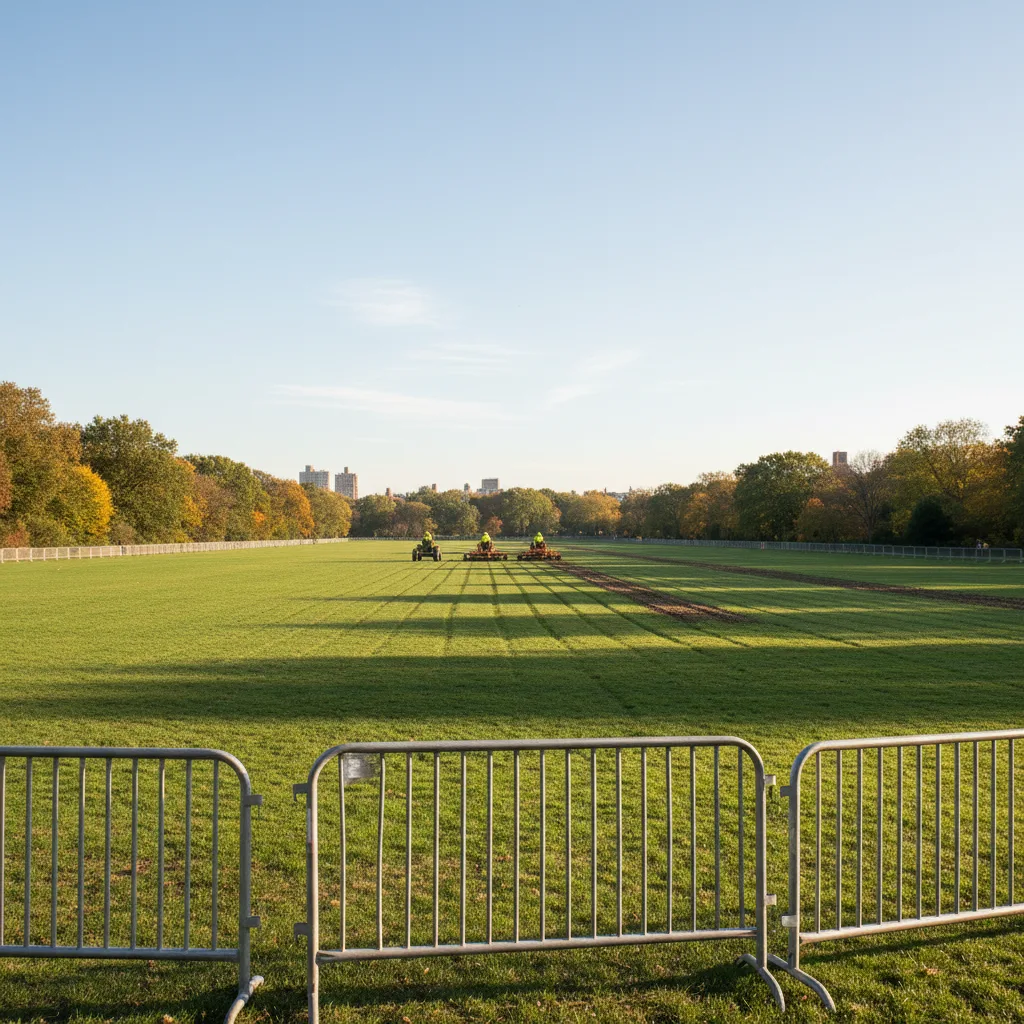
Central Park Conservancy Closes Great Lawn for Scheduled Maintenance
The Central Park Conservancy closed the Great Lawn through October 2, 2026, for scheduled maintenance, impacting weekend activities. Essential upkeep ensures the iconic green space remains vibrant for visitors.
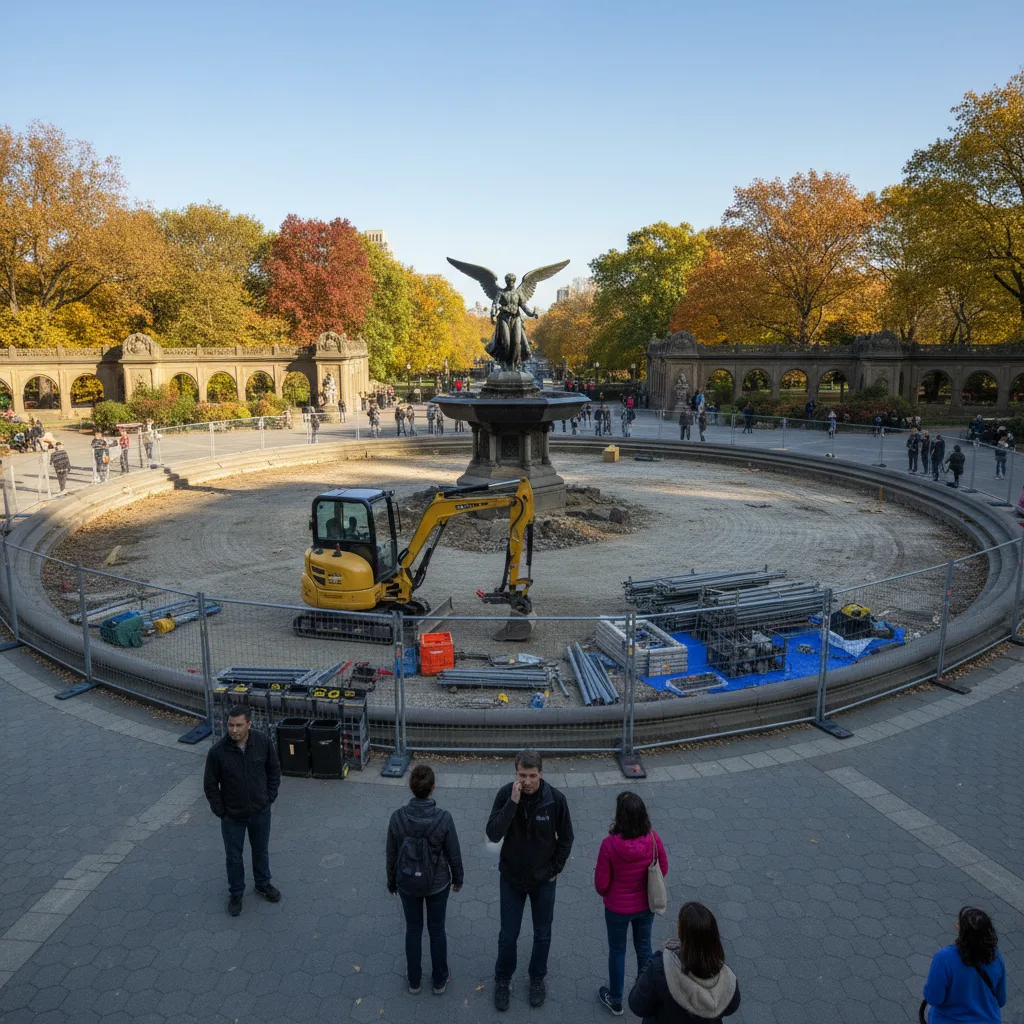
Central Park Conservancy Announces Bethesda Fountain, Great Lawn Closures
Central Park Conservancy announced Bethesda Fountain is off for restoration and the Great Lawn closed through October 2, 2026 for maintenance, affecting visitor access.
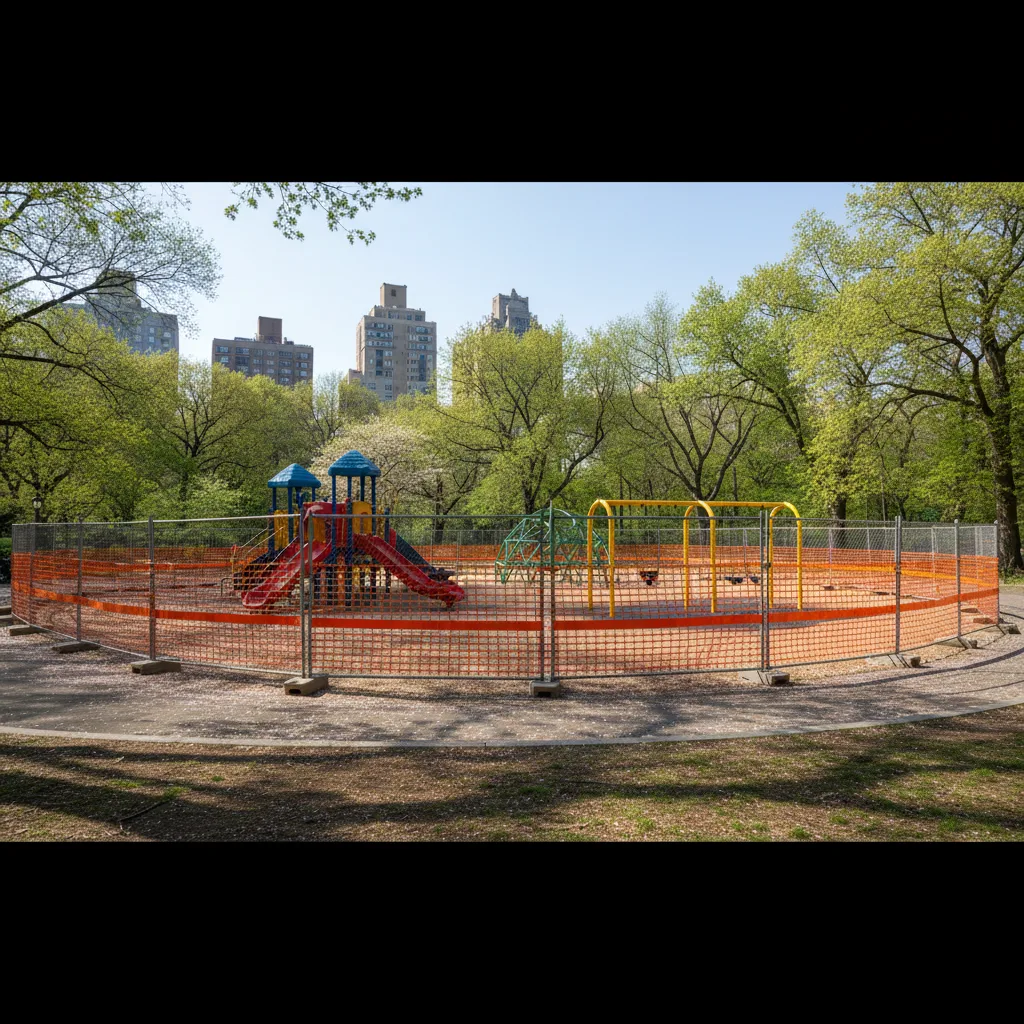
Central Park Conservancy Closes East 110th Street Playground for Restoration
Central Park Conservancy closed the East 110th Street Playground for restoration, while North Meadow and Heckscher ballfields shut due to weather. Plan your visit; check alerts for closures impacting recreation in Central Park.
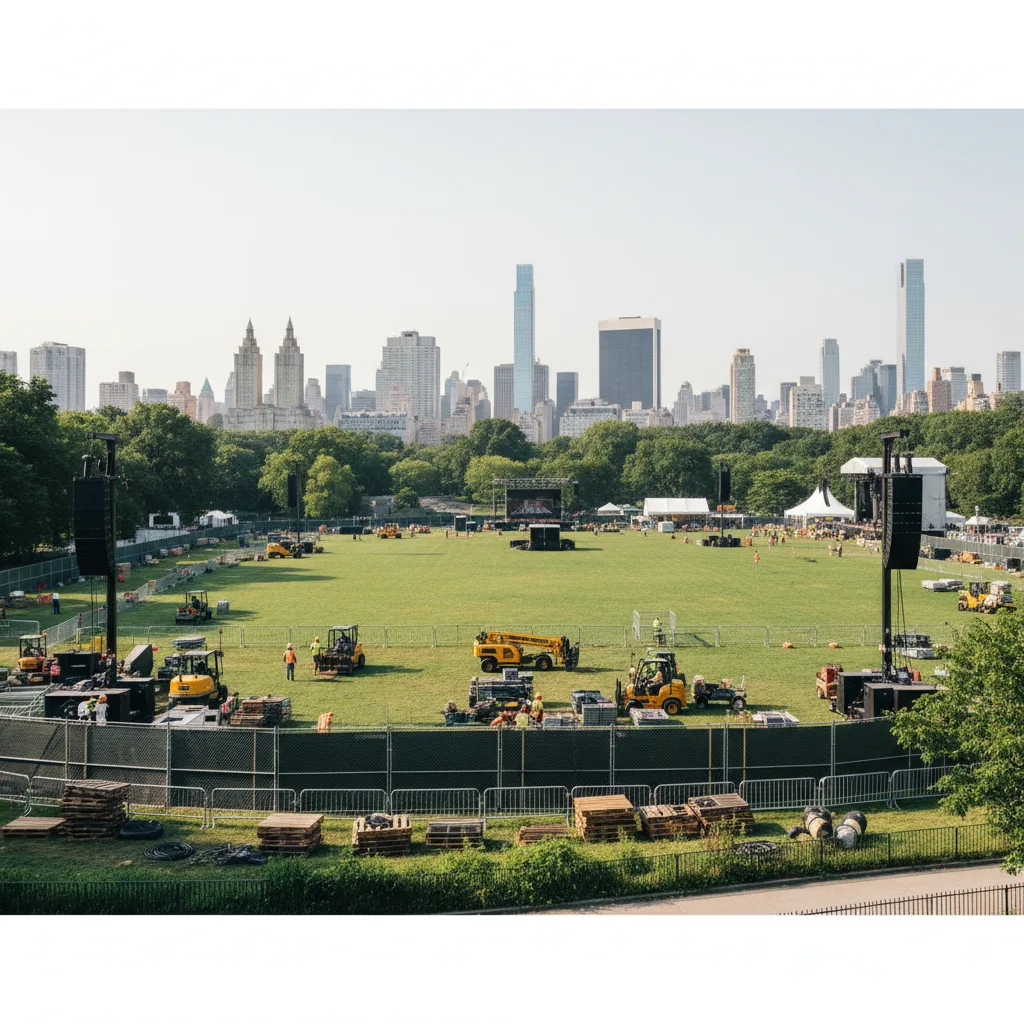
Central Park Conservancy Closes Great Lawn for Global Citizen Festival
Central Park Conservancy confirmed the Great Lawn is closed through September 26, 2026, for the Global Citizen Festival, affecting access to Belvedere Castle and Turtle Pond. Local residents and visitors should plan alternate routes and expect traffic delays around the park's perimeter.
Central Park Conservancy Confirms 2026 Daily Operating Hours
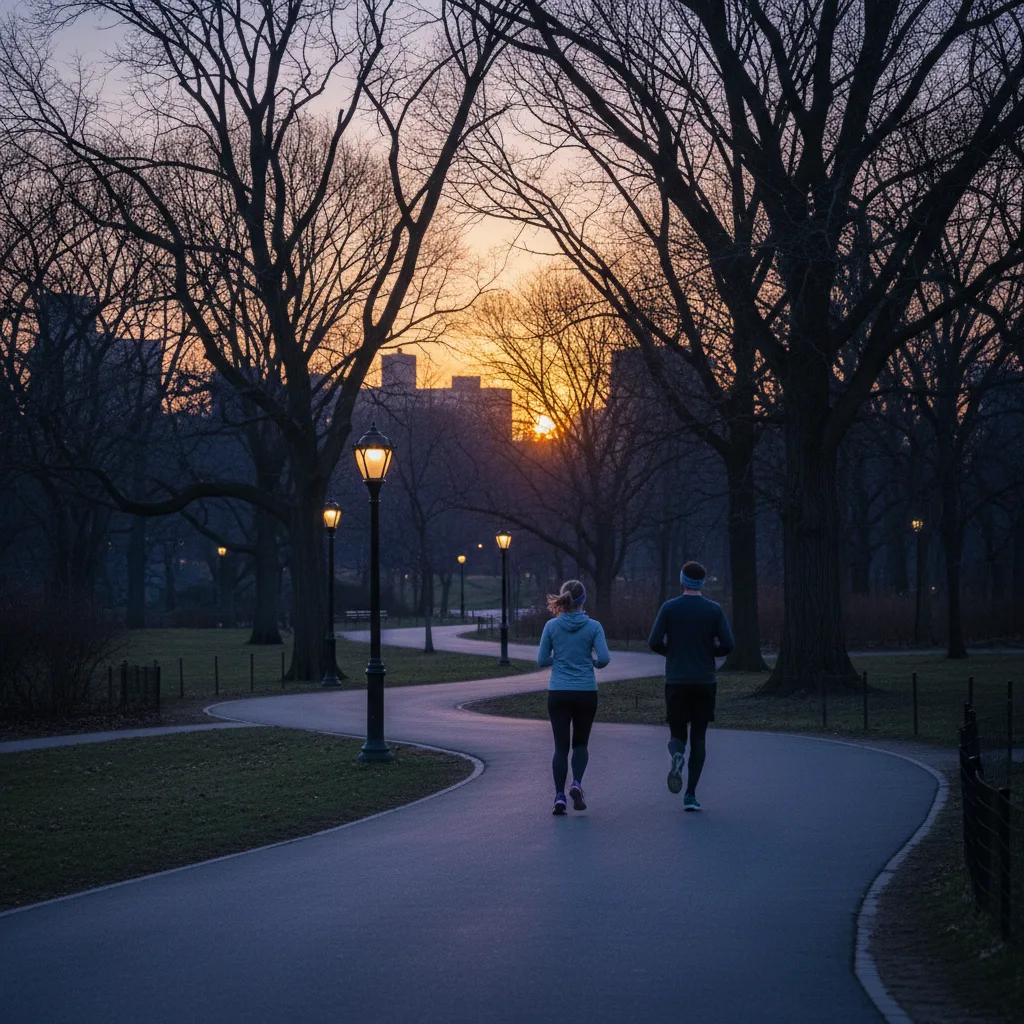
Central Park Conservancy confirms 2026 daily hours: 6:00 a.m. to 1:00 a.m. This notice is for visitor planning, not a change.
Central Park Conservancy Announces Park Hours Update for 2026
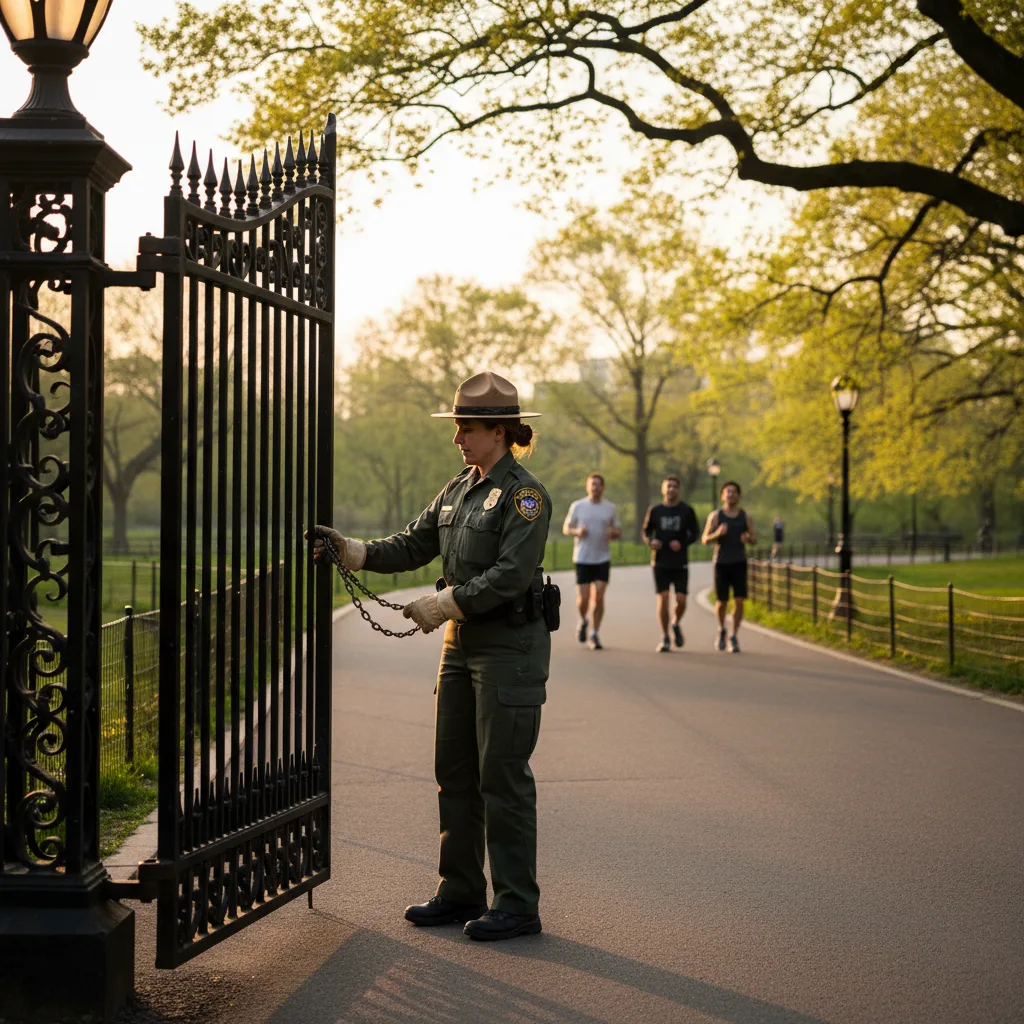
Central Park Conservancy announced updated 2026 park hours, maintaining 6:00 a.m. to 1:00 a.m. access daily. This schedule balances public enjoyment with critical maintenance and security operations.