


NYC Cycling Enforcement: Mamdani Administration's Summons Strategy Sparks Central Park Safety Debates

Under the Mamdani administration, New York City police continue to issue criminal summonses to cyclists, a policy that is drawing increasing scrutiny and frustration from the cycling community. Recent observations by Streetsblog at the Williamsburg Bridge foot revealed officers ticketing cyclists for allegedly running red lights, even at intersections reportedly designated for bikes only and where motor vehicle traffic is no longer present. This ongoing crackdown raises critical questions about enforcement priorities and their broader implications for urban cycling, including in popular recreational areas like Central Park.
Williamsburg Bridge Incident Highlights Broader Enforcement Trends
The incident at the Williamsburg Bridge foot underscores a perceived disparity in enforcement. Cyclists describe feeling 'entrapped' at a particular intersection where the signal timing and lack of conflicting car traffic create a scenario where stopping at a red light appears arbitrary, and in some cases, less safe. Critics argue that issuing criminal summonses in such contexts is overly punitive and does little to enhance actual safety, instead fostering an adversarial relationship between law enforcement and the cycling public. This approach is seen by many as a misallocation of police resources that could be better deployed addressing more serious traffic violations or crimes.
This trend is not isolated to the Williamsburg Bridge. Cyclists across the five boroughs, including those traversing Central Park's extensive loop, frequently report similar experiences of what they deem as selective or disproportionate enforcement. While the rules of the road are paramount, the application of these rules in a complex urban environment, especially in areas with unique cycling infrastructure, is a point of contention.
Cyclist Community Voices Entrapment Concerns and City-wide Impact
The cycling community emphasizes that consistent, fair, and safety-focused enforcement is essential, but they question the effectiveness and equity of the current strategy. Many cyclists perceive Mayor Mamdani's stance on these issues as indecisive or 'waffling,' leading to a lack of clear policy direction that exacerbates tensions. The concern is that if cyclists are criminalized for minor infractions in relatively safe spaces, it discourages cycling as a sustainable and healthy mode of transport.
For Central Park users, this city-wide enforcement climate translates into heightened anxiety. While Central Park aims to be a safe haven for cyclists, similar strict interpretations of traffic laws, such as observing specific pedestrian crosswalks or minor yield signs along the loop, could lead to increased summonses. Advocates argue that a balanced approach is needed—one that educates and encourages safe practices without resorting to punitive measures that alienate a vital segment of the city's commuters and recreational users. The debate ultimately centers on whether current enforcement strategies genuinely promote safety or merely serve as a revenue-generating mechanism.
Key Points:
- NYC police, under the Mamdani administration, continue issuing criminal summonses to cyclists.
- Incidents at the Williamsburg Bridge involved cyclists allegedly running red lights at bike-only intersections.
- Cyclists report feeling 'entrapped' and criticize the fairness and effectiveness of current enforcement tactics.
- Mayor Mamdani's perceived 'waffling' on cycling policy draws criticism from the community.
- Concerns are raised about the broader implications of these enforcement strategies for cyclists across NYC, including in Central Park.
Related Articles
More in Safety & Crime →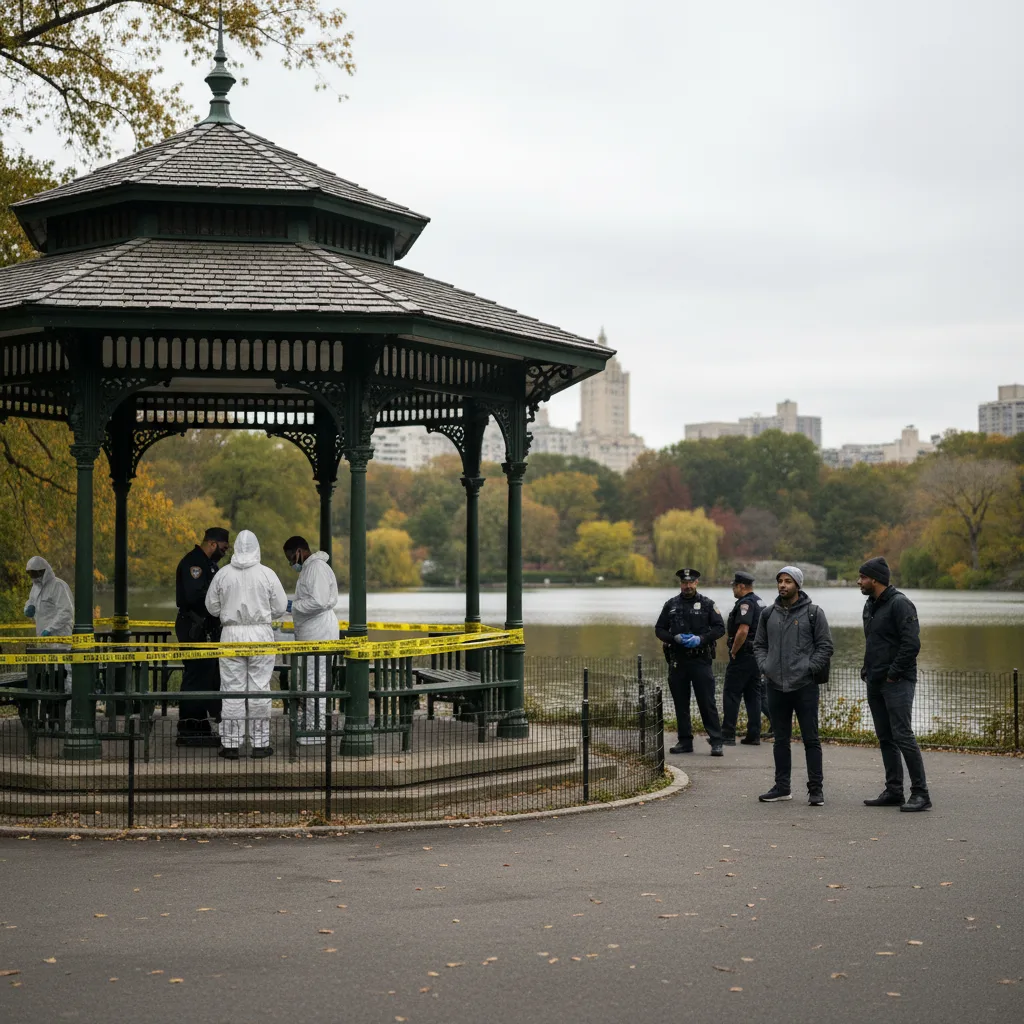
Central Park Woman Found Dead Near Boathouse Gazebo
A woman was found stabbed to death in a Central Park gazebo near the Boathouse on Sunday, prompting an active NYPD homicide investigation.
Queens Student Arrested for Bringing Gun to High School
A Queens student was arrested for bringing a gun to high school, prompting immediate law enforcement action and raising school safety concerns.
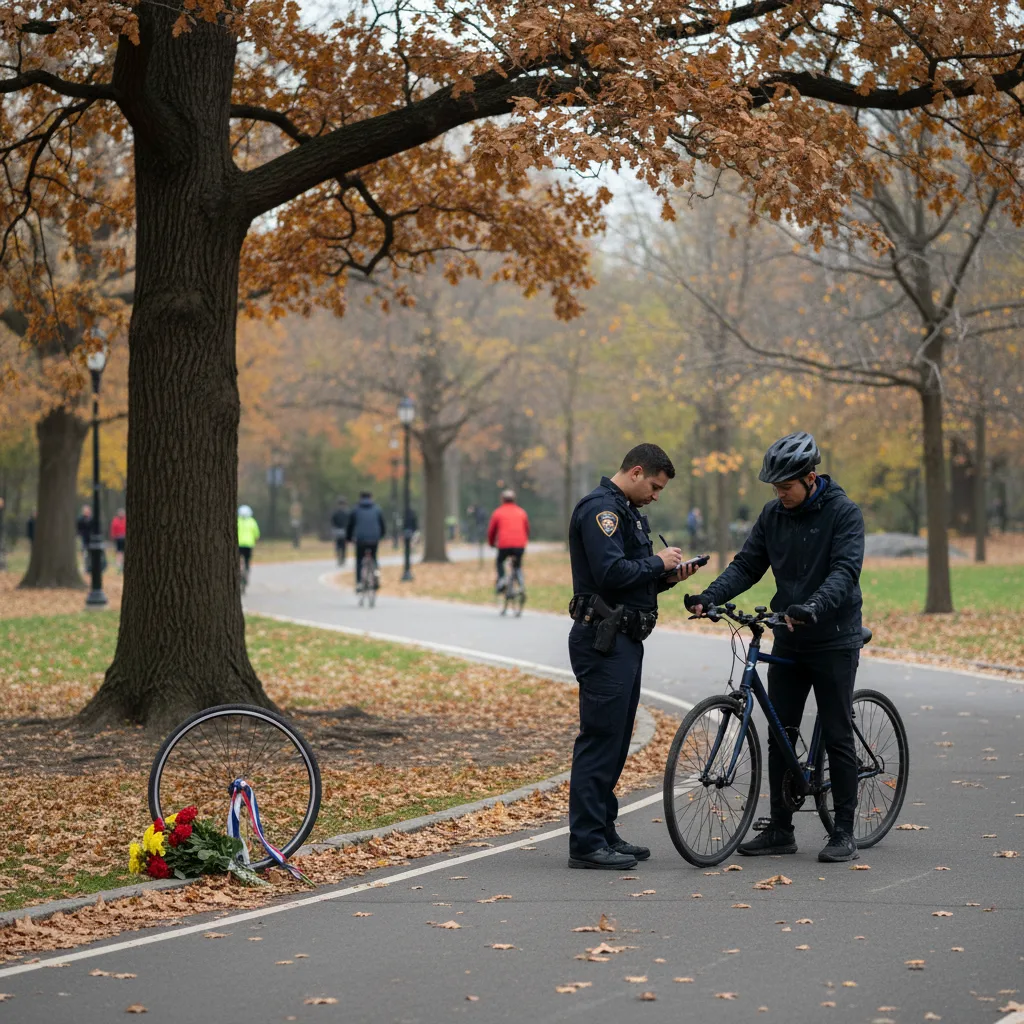
NYC Cyclist Death Prompts NYPD Ticketing Near Fatal Crash Site
NYPD stepped up cyclist ticketing near a recent fatal crash site in Central Park after a cyclist died Monday morning. Local groups demand safety reforms.
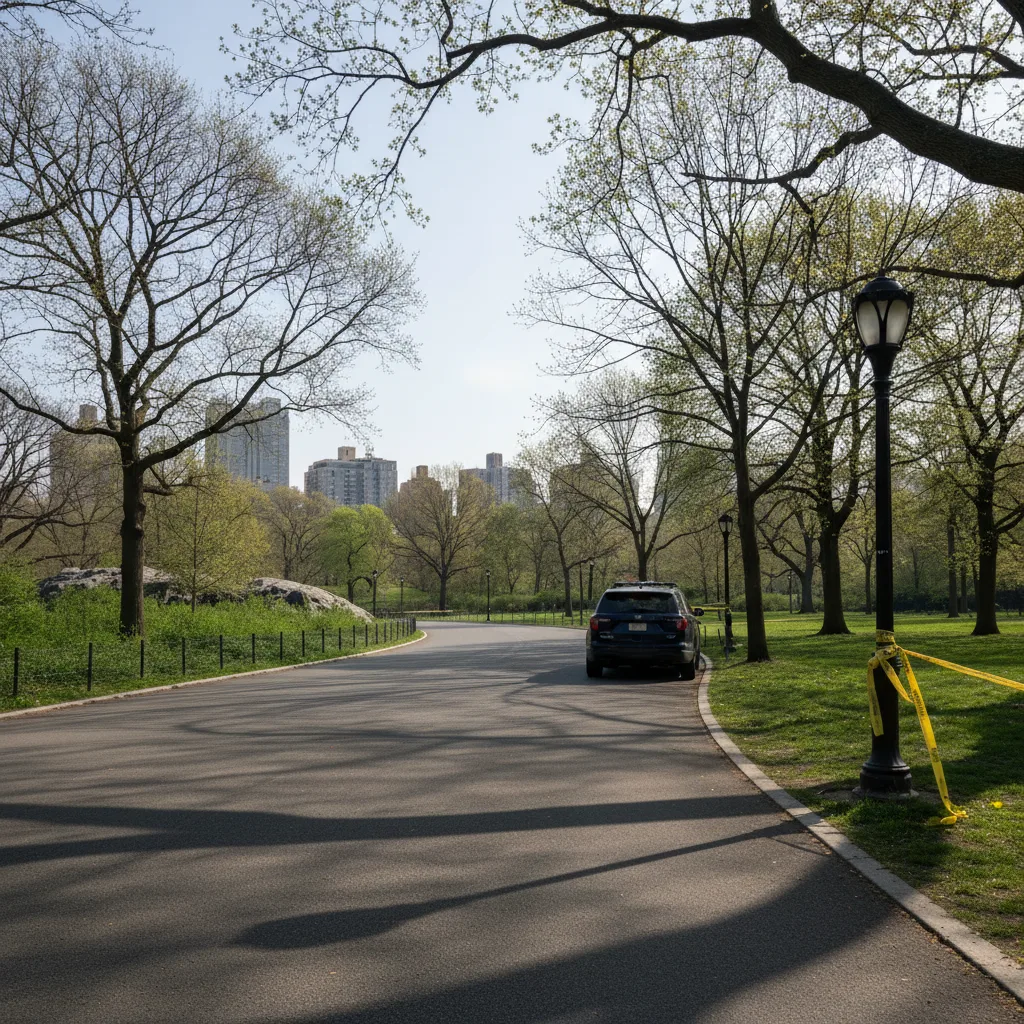
NYPD Confirms 71-Year-Old Cyclist Dies After Dog Collision in Central Park
NYPD confirms a 71-year-old cyclist died after colliding with a dog on Central Park's East Drive, near East 84th Street. The investigation is ongoing.
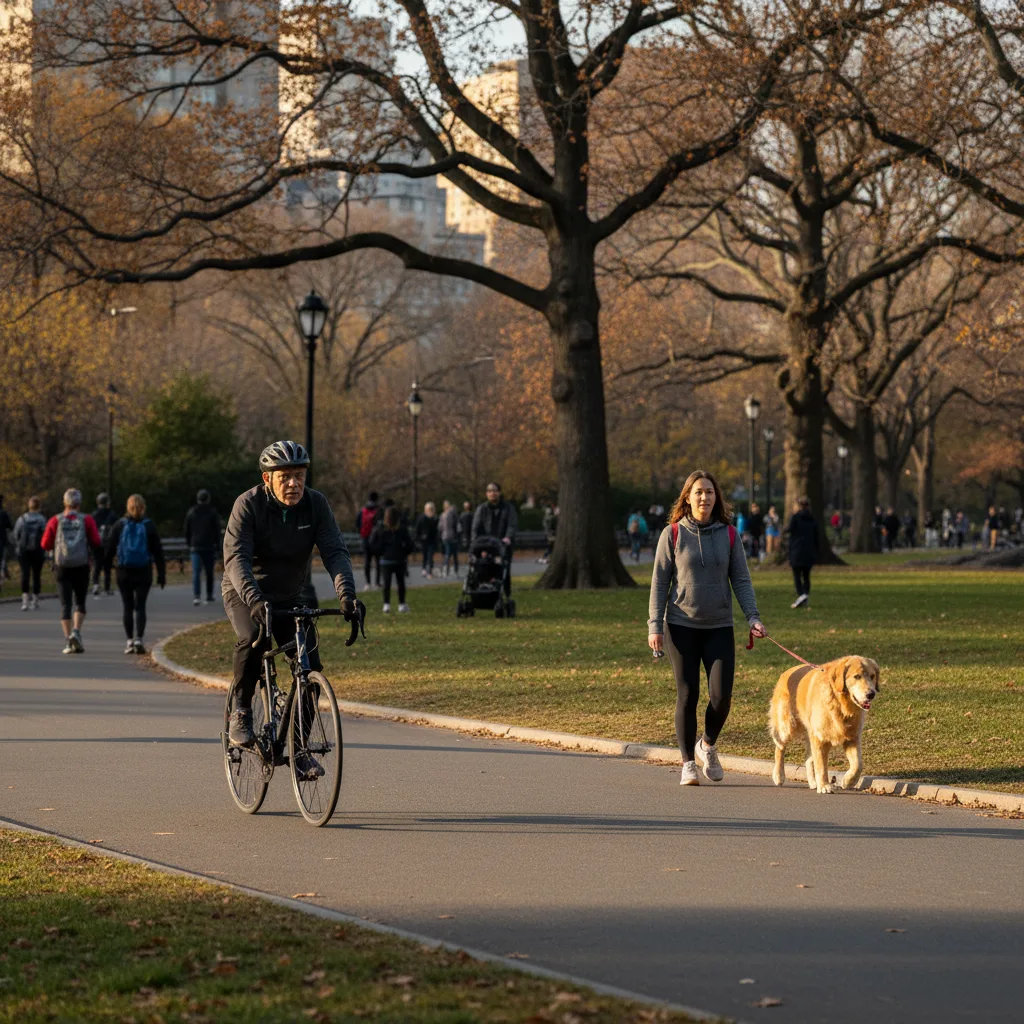
NYPD Investigates Central Park Cyclist Death After Dog Collision
NYPD confirms a 71-year-old cyclist died after colliding with a dog on Central Park's East Drive, near 84th Street. Investigation ongoing.
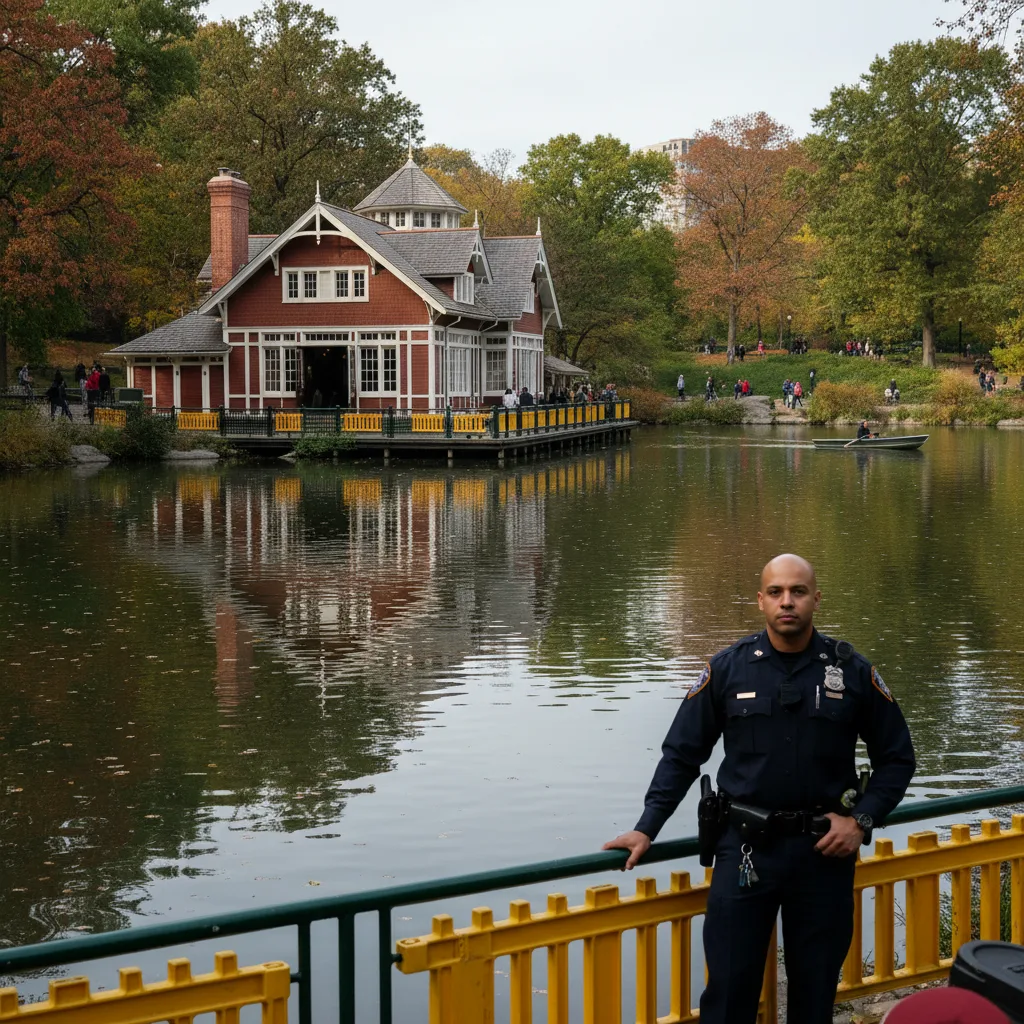
Man Charged in Central Park Beating Death of 63-Year-Old Woman
A 36-year-old man was charged with murder after a 63-year-old woman was found dead with head trauma in Central Park, NYPD confirmed.