


NYC Economy: Gas Price Woes Affect Central Park Vendors

Enjoying the coverage?
Central Park news, events and park updates in your inbox every Friday. Free; unsubscribe in one click.
Sent every Friday. By subscribing, you agree to our Terms of Use and Privacy Policy.
NEW YORK — President Trump’s decision to temporarily ease sanctions on Russian oil for 30 days has ignited a fierce international debate and sent ripples through local economies, including New York City. The move, intended to combat escalating oil prices fueled by the ongoing Iran conflict, has drawn sharp criticism from European Union leaders and Ukrainian President Volodymyr Zelenskyy.
Critics argue that lifting sanctions on Russian oil could inadvertently provide up to $10 billion in funding for Russia’s war efforts in Ukraine, complicating an already volatile geopolitical situation. This policy shift follows previous attempts to stabilize oil markets through record releases from strategic petroleum reserves, which ultimately failed to significantly lower prices amidst persistent Iranian attacks disrupting the Strait of Hormuz. The sanctions debate is intensifying globally.
Central Park Runners Express Frustration Over Pump Prices in 2026
Central Park’s dedicated community of runners, a vibrant cross-section of Manhattan residents, are increasingly vocal about the financial strain caused by surging gasoline prices. During their regular group chats and post-run discussions, the topic of "pump pain" frequently dominates conversations.
The Central Park News Friday Briefing
Central Park news, events and park updates in your inbox every Friday. Free; unsubscribe in one click.
Sent every Friday. By subscribing, you agree to our Terms of Use and Privacy Policy.
Many attribute their rising transportation costs directly to the new oil policy, expressing frustration over the potential for $5-per-gallon gas prices for taxis and personal vehicles. This economic pressure is causing many to reconsider their commuting habits and personal spending, impacting daily life in significant ways. The runners represent a segment of the local population feeling the immediate pinch of global energy market shifts.
Sheep Meadow Picnics Ignite Heated Debates on Sanctions Policy
Sheep Meadow, a sprawling and popular area within Central Park, has become an unlikely venue for impassioned political discussions among Manhattan locals. Picnickers and sunbathers are engaging in heated arguments over the President’s decision to lift Russian oil sanctions.
Some park visitors vehemently label the move as “a betrayal of Ukraine,” organizing social media campaigns and advocating for residents to contact their congressional representatives. Conversely, finance professionals often found near the park’s southern edges express approval, viewing the policy as a necessary step to stabilize global energy markets and prevent economic recession. These contrasting viewpoints highlight the complex ethical and economic considerations at play.
Street Vendors Report Decline in Customers Due to Budget Squeezes
Beyond individual consumers, Central Park’s numerous street vendors, who rely heavily on pedestrian traffic and discretionary spending, are also feeling the economic squeeze. Many report a noticeable decline in customer numbers, attributing it to budget cuts spurred by rising oil and gas prices.
As Manhattanites face higher essential costs, their disposable income for non-essential purchases, like those offered by park vendors, diminishes. This downturn poses a significant challenge for small businesses operating within and around the park, underscoring the broad local economic impact of international energy policies. Vendors are closely monitoring economic indicators and hoping for a reversal in current trends to support their livelihoods, given the fragile nature of their business models.
Broader Economic Implications for New York City Residents
The ripple effects of global oil market volatility extend far beyond gas pumps and park vendors, touching various sectors of New York City’s economy. Businesses reliant on transportation and logistics face increased operational costs, potentially leading to higher prices for consumers across a range of goods and services.
Apartment buildings and commercial properties could also see increased heating and cooling expenses, which may be passed on to tenants. Economists are closely monitoring inflation rates and consumer confidence, noting that prolonged periods of high energy costs can significantly dampen local economic growth. The interconnectedness of global energy markets means that New York City, despite its distance, is highly susceptible to international shifts.
Frequently Asked Questions About Energy Policy and Local Economy
How do global oil sanctions impact New York City’s economy? Global oil sanctions or their easing can directly influence the price of crude oil on international markets. For New York City, which is heavily reliant on imported energy, this translates to fluctuations in gas prices at the pump, heating oil costs, and electricity rates. These changes affect household budgets, business operational costs, and overall consumer spending, creating a ripple effect across the local economy. The complexities are often discussed in financial news outlets.
What can New Yorkers do to mitigate the impact of rising energy costs? Residents can explore various strategies to mitigate the impact of rising energy costs, such as utilizing public transportation more frequently, carpooling, or switching to more fuel-efficient vehicles. At home, improving energy efficiency through weatherization, using energy-saving appliances, and managing thermostat settings can help reduce heating and cooling expenses. Advocating for renewable energy policies and engaging in community energy initiatives can also contribute to long-term stability.
Are there local assistance programs for those struggling with energy bills in NYC? Yes, New York City and New York State offer several programs designed to assist low-income residents with energy costs. These include the Home Energy Assistance Program (HEAP), which helps with heating bills, and various utility company-specific programs that provide discounts or payment assistance plans. Residents can typically find information and apply for these programs through local social services agencies or directly with their utility providers. These programs are vital safety nets during periods of economic strain.
The Central Park News Friday Briefing
Central Park news, events and park updates in your inbox every Friday. Free; unsubscribe in one click.
Sent every Friday. By subscribing, you agree to our Terms of Use and Privacy Policy.
Related Articles
More in Local Economy Energy →
NYC Officials Host Postponed Macy's Parade with 100 Inflatables
New York City officials hosted the 100th Macy's Thanksgiving Day Parade on Saturday, November 28, 2026, after a postponement, featuring 100 inflatables.
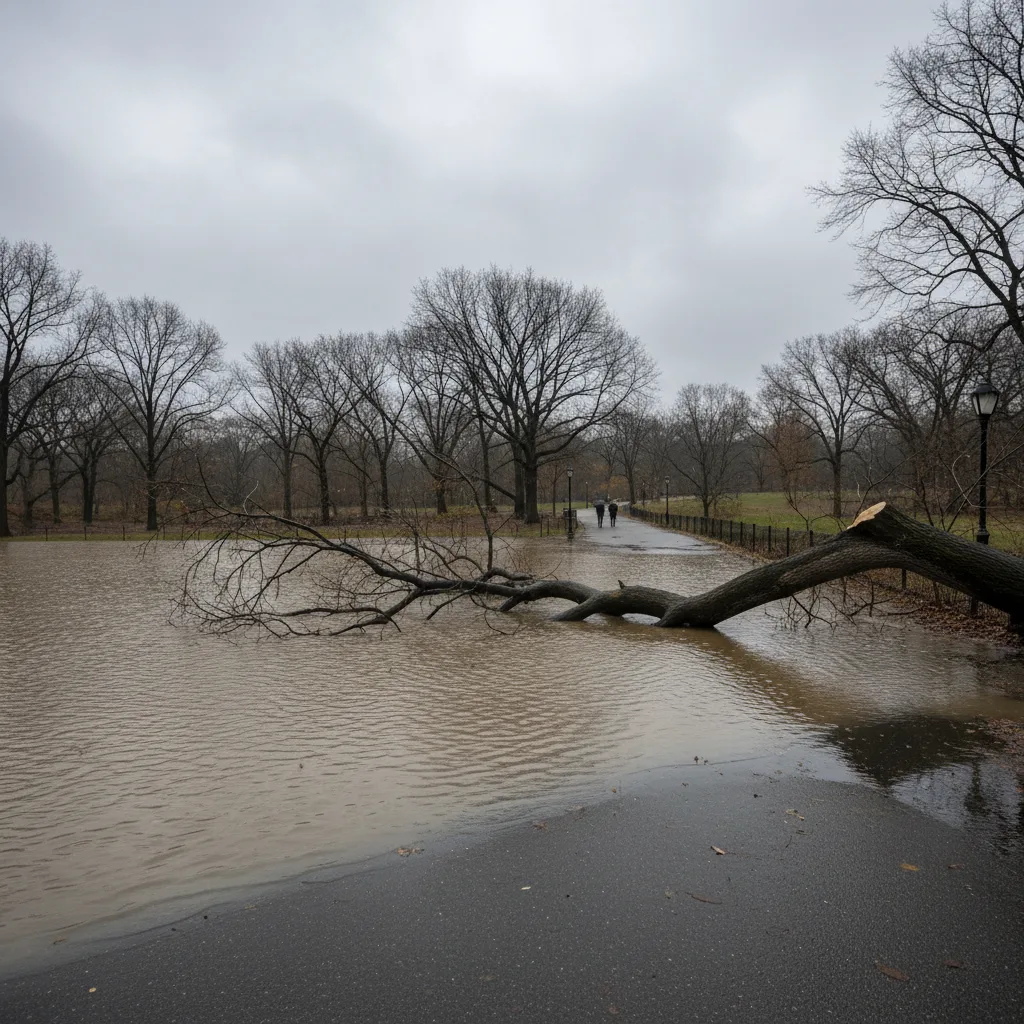
Central Park Records 2.18 Inches Rain, Storm Causes Outages
NEW YORK: NYC News Center reported Saturday, November 28, 2026, that Central Park received a record 2.18 inches of rain on Thanksgiving Day, November 26, 2026,…
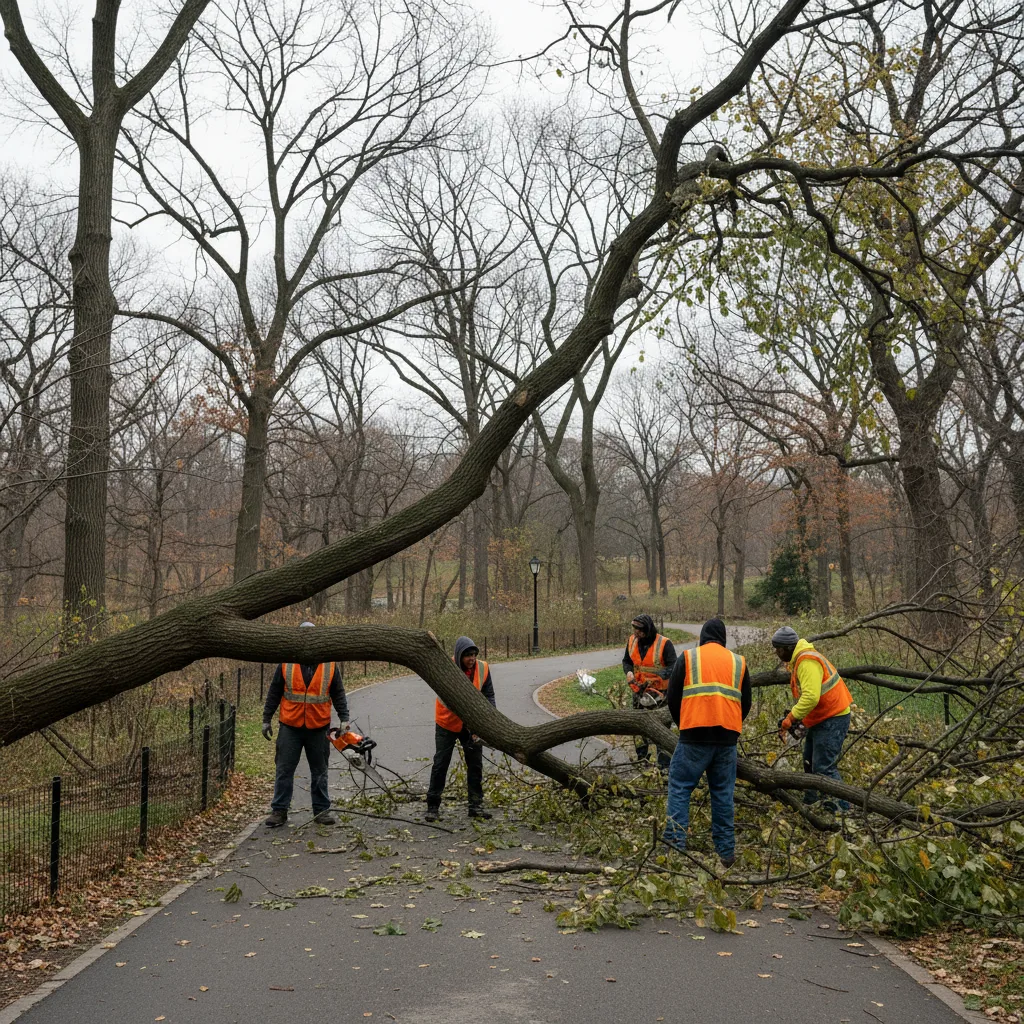
NYC Officials Confirm Central Park Thanksgiving Storm Clean-Up Efforts
NEW YORK: Crews across New York City, Long Island, and New Jersey responded Friday, November 27, 2026, to downed trees, flooding, and power outages after a…
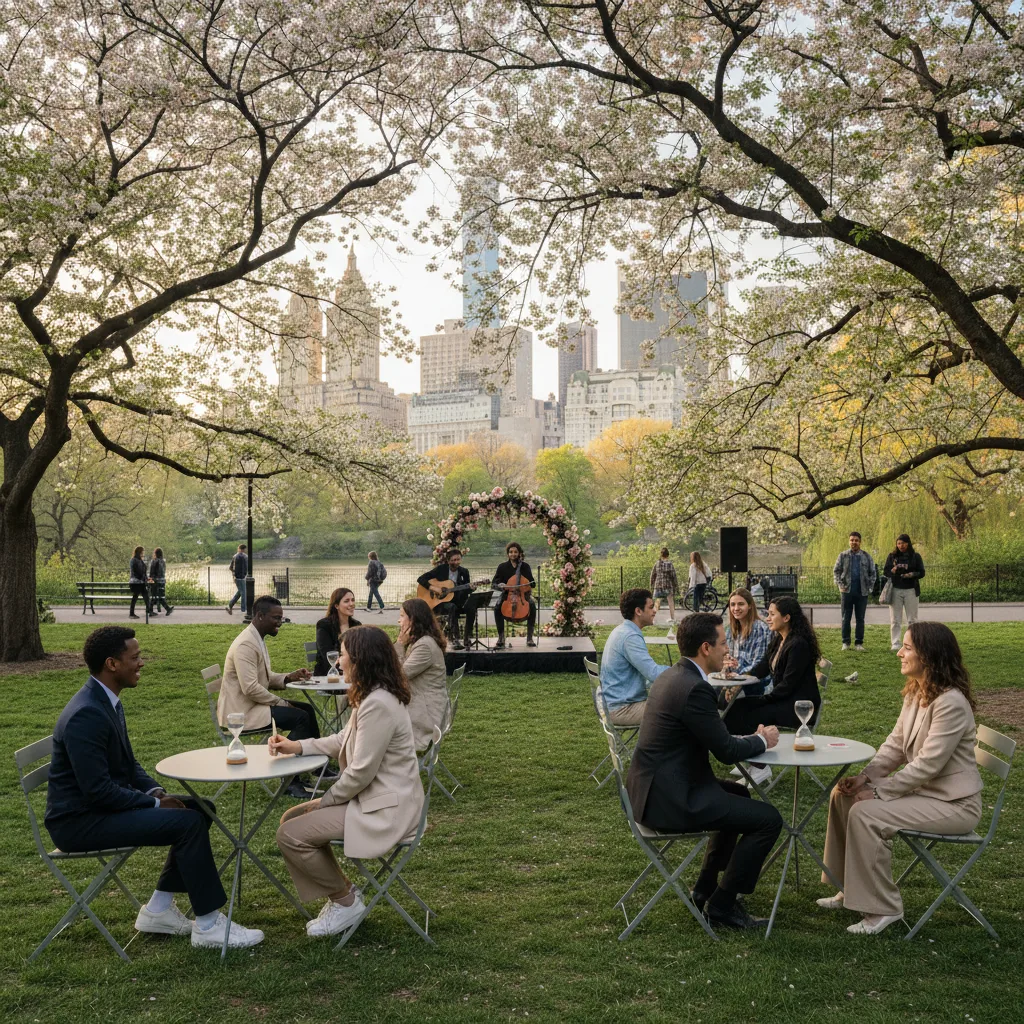
A Guide to Central Park's Speed Dating Events in New York 2026
Discover how to find and navigate speed dating events in New York near Central Park. This guide covers what to expect, tips for success, and safety.

Greyhound Races Scheduled at Central Park on Thanksgiving Day 2026
Greyhound races are scheduled at Central Park on Thursday, November 26, 2026, with a Grade D1 event at 17:31 over 277 meters.
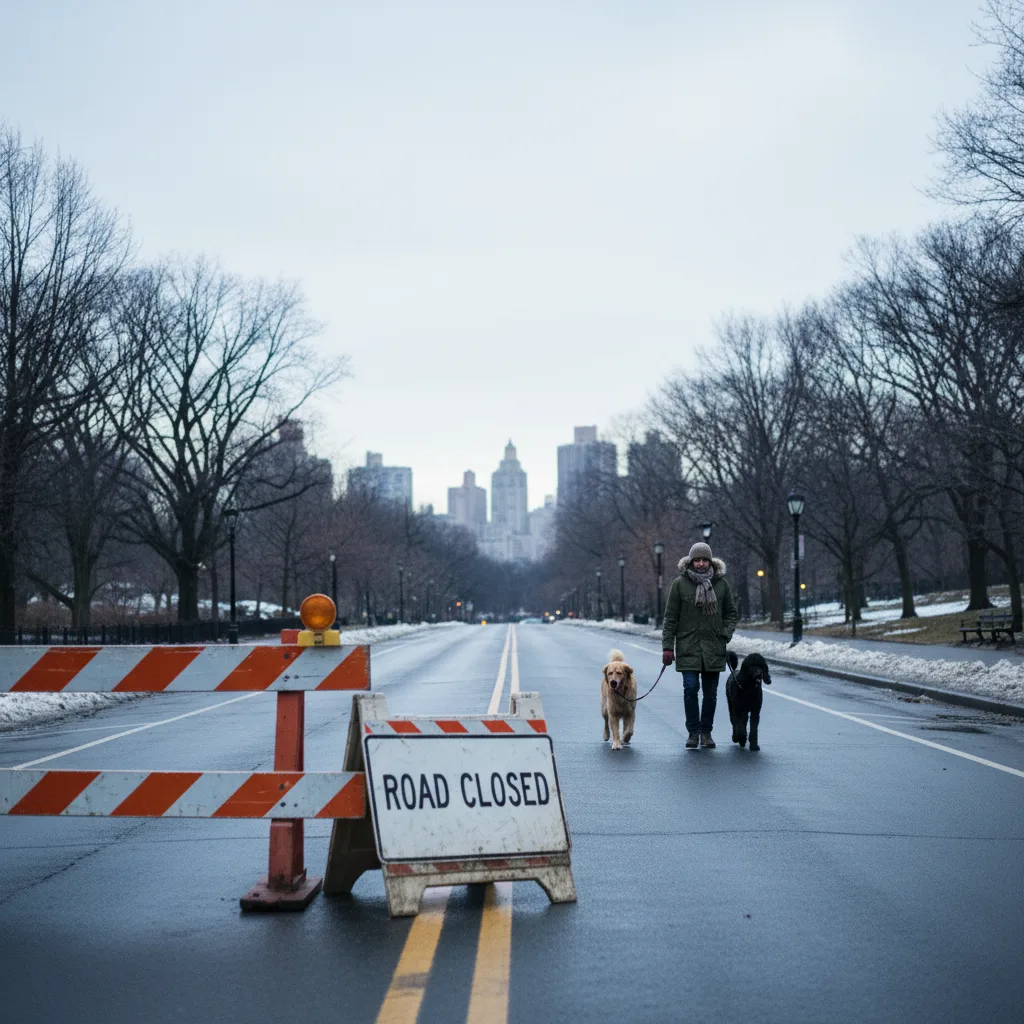
Dog Walker Navigates Closed Central Park Streets on Thanksgiving Day
A dog walker was observed on a closed street near Central Park on Thursday, November 26, 2026, Thanksgiving Day.