


NYC Gas Prices, Park Debates Mount Amid Kharg Island Strikes
NEW YORK — The geopolitical landscape shifted dramatically this week as US forces executed strikes on military facilities located on Iran's Kharg Island, triggering immediate global repercussions. This action, confirmed by Iranian state media reports of explosions and plumes of smoke, marks a significant escalation in the ongoing conflict.
President Trump, in response to the escalating tensions and threats to maritime commerce, reiterated his vow to provide US Navy escorts through the strategic Strait of Hormuz. The conflict, now entering its third week, has seen a distressing rise in US casualties, including 13 deaths, a plane crash in Iraq, and the loss of a French soldier to a drone attack.
Central Park Reflects Manhattan's Global Anxiety Over Conflict
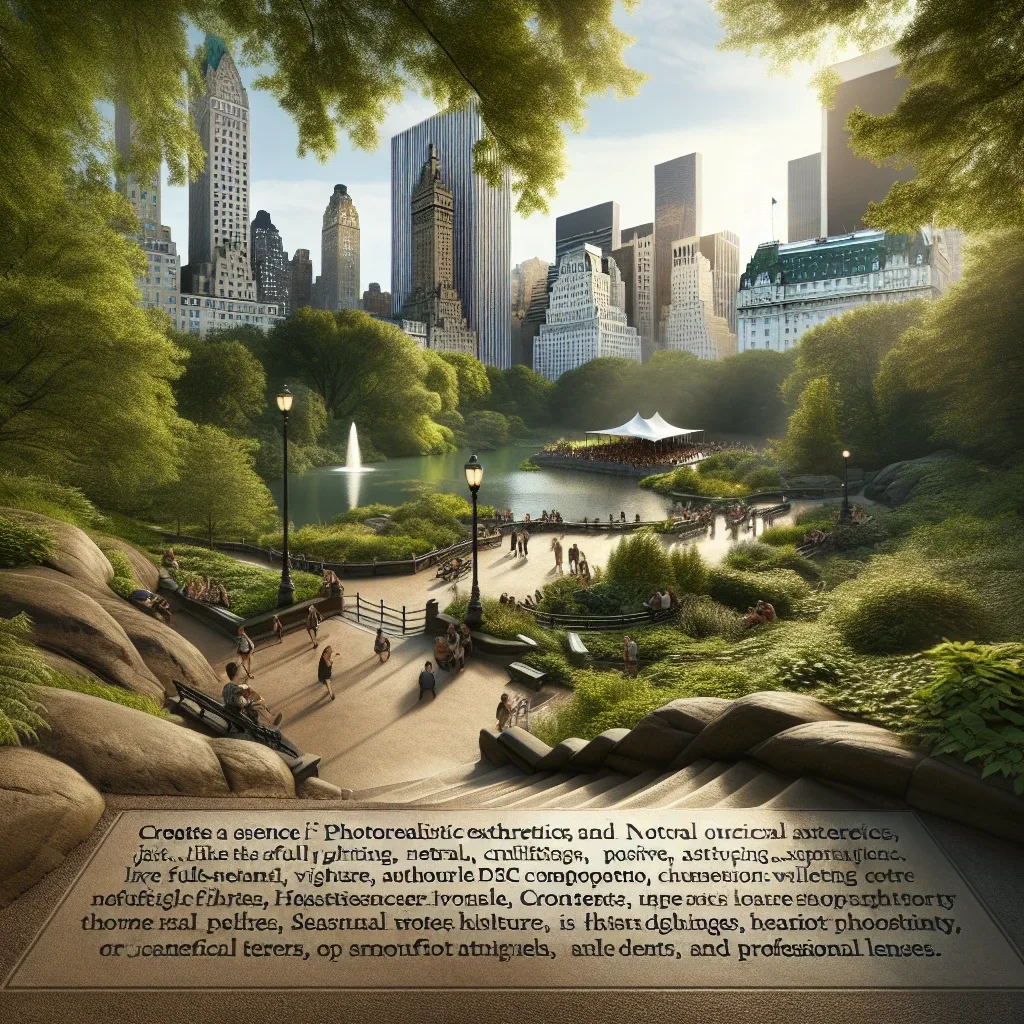
The reverberations of the Kharg Island strikes are keenly felt even within the tranquil confines of Central Park, where daily routines are now tinged with global anxiety. Joggers and dog walkers traversing the park’s pathways are often seen engrossed in their mobile devices, sharing real-time clips of the blasts and discussing the rapidly evolving situation.
A prevalent concern among these Manhattan residents is the potential for significant gas price spikes, directly impacting their daily commutes and household budgets. This immediate economic worry underscores how global events translate directly into local financial strain for New Yorkers. The Kharg Island strikes have become a frequent topic of conversation, displacing usual park chitchat.
Bethesda Fountain Becomes Hub for Geopolitical Debate
Bethesda Fountain, a historic and often bustling gathering point in Central Park, has transformed into an impromptu forum for heated political debate. Manhattan residents are openly divided on the appropriate US response to the Middle East conflict, reflecting a broader national schism.
Some parkgoers voice strong support for President Trump’s assertive stance, arguing it is “time to end Iran’s threats” and advocating for decisive military action. Conversely, others express profound worry about the potential for deeper US entanglement in a protracted conflict, fearing uncontrolled escalation. These discussions highlight the varied perspectives within New York’s diverse populace regarding international intervention.
Local Peace Vigils and Community Response in 2026
Amidst the tension and debate, a different form of community action has begun to emerge near Central Park’s edges. Concerned citizens and peace activists have initiated local peace vigils, symbolizing a collective yearning for de-escalation and diplomatic solutions.
These gatherings, often small but deeply heartfelt, serve as focal points for those advocating for an end to hostilities and the prevention of further civilian casualties. The vigils represent a visible manifestation of New Yorkers’ commitment to peace, providing a space for shared reflection and solidarity. Organized informally, they are drawing increasing attention from concerned residents seeking avenues for expression.
Upper East Side Families Brace for Economic Ripple Effects
Upper East Side families, known for their pragmatic approach to economic shifts, are preparing for the potential financial fallout from disruptions in the Strait of Hormuz. Conversations among these families often revolve around stocking up on essentials, anticipating higher costs for goods and services.
There is a palpable concern that interruptions in global shipping lanes could significantly impact NYC’s energy costs, affecting everything from heating bills to transportation expenses. This proactive stockpiling demonstrates a heightened awareness of how international crises can directly influence local economic stability. The global impact of the strait disruptions is a key discussion point.
Frequently Asked Questions About Local Impact of Global Events
How does the conflict in the Middle East directly affect New Yorkers? The primary direct impacts on New Yorkers from the Middle East conflict, particularly involving disruptions in key shipping routes like the Strait of Hormuz, are economic. These disruptions can lead to significant increases in global oil prices, which then translate to higher gas prices at the pump and increased energy costs for heating and electricity within New York City. Supply chain interruptions could also cause price hikes for various goods.
Are there official channels for NYC residents to voice concerns about international conflicts? New York City residents can express their concerns about international conflicts through their elected representatives at various levels of government, including local city council members, state assembly members, and federal senators and representatives. Many advocacy groups and non-governmental organizations also provide platforms for public engagement on foreign policy issues. Public forums and community meetings, often held in local venues or online, also serve as spaces for collective expression and organizing. For ongoing developments, monitor trusted news sources on international affairs.
What role do peace vigils in Central Park play in local activism? Peace vigils in Central Park, or any public space, serve as visible, non-violent demonstrations of public sentiment regarding significant global issues. They provide a space for individuals to collectively mourn, express solidarity, and advocate for diplomatic resolutions. These gatherings can raise public awareness, foster community engagement, and put pressure on political leaders to consider alternative approaches to conflict, reflecting a shared desire for peace within the community.
Related Articles
More in Urban Policy & Development →
NYC Mayor Mamdani Booed at Union Square October 7 Vigil
Mayor Mamdani faced boos and protests at a Union Square vigil Thursday marking the Oct. 7 attacks, highlighting deep community divisions in NYC.
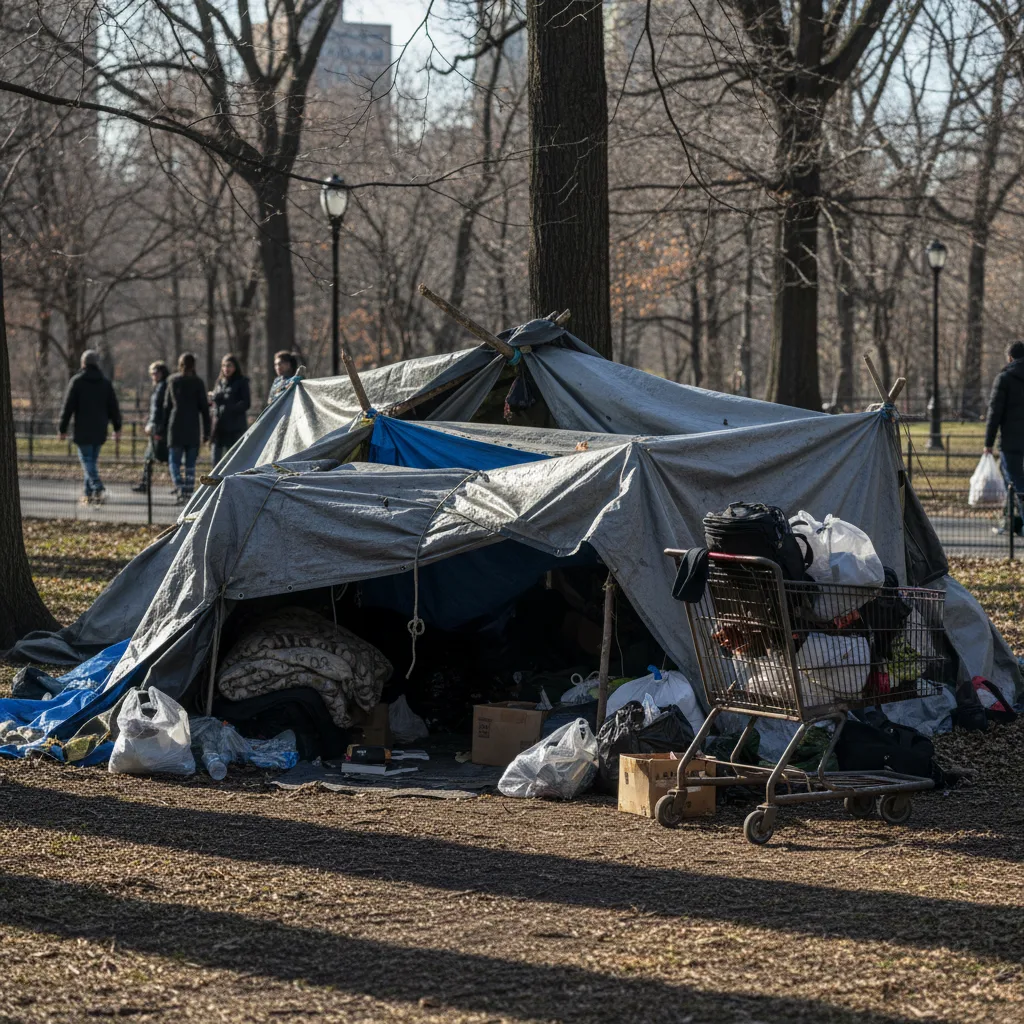
NYC Homeless Encampments Spotted Across Manhattan, Raising Concerns
Multiple homeless encampments have been spotted across Manhattan, raising significant concerns about urban policy and public safety. City officials are under pressure to address the growing homelessness crisis.
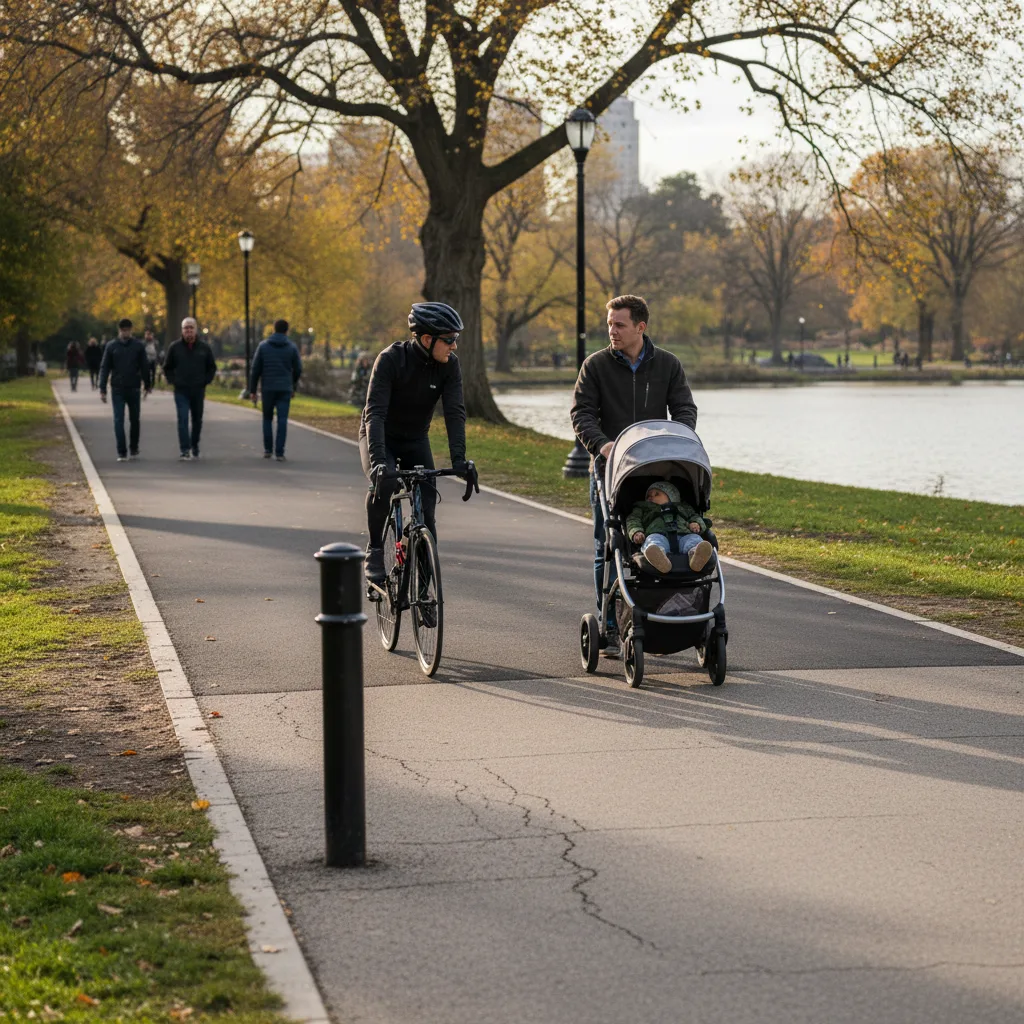
Safety Advocate Blames Park Redesign for Rising Central Park Cyclist Crashes
Safety advocates blame recent Central Park redesigns for a pedestrian's death and rising cyclist crashes, calling for urgent review of infrastructure.
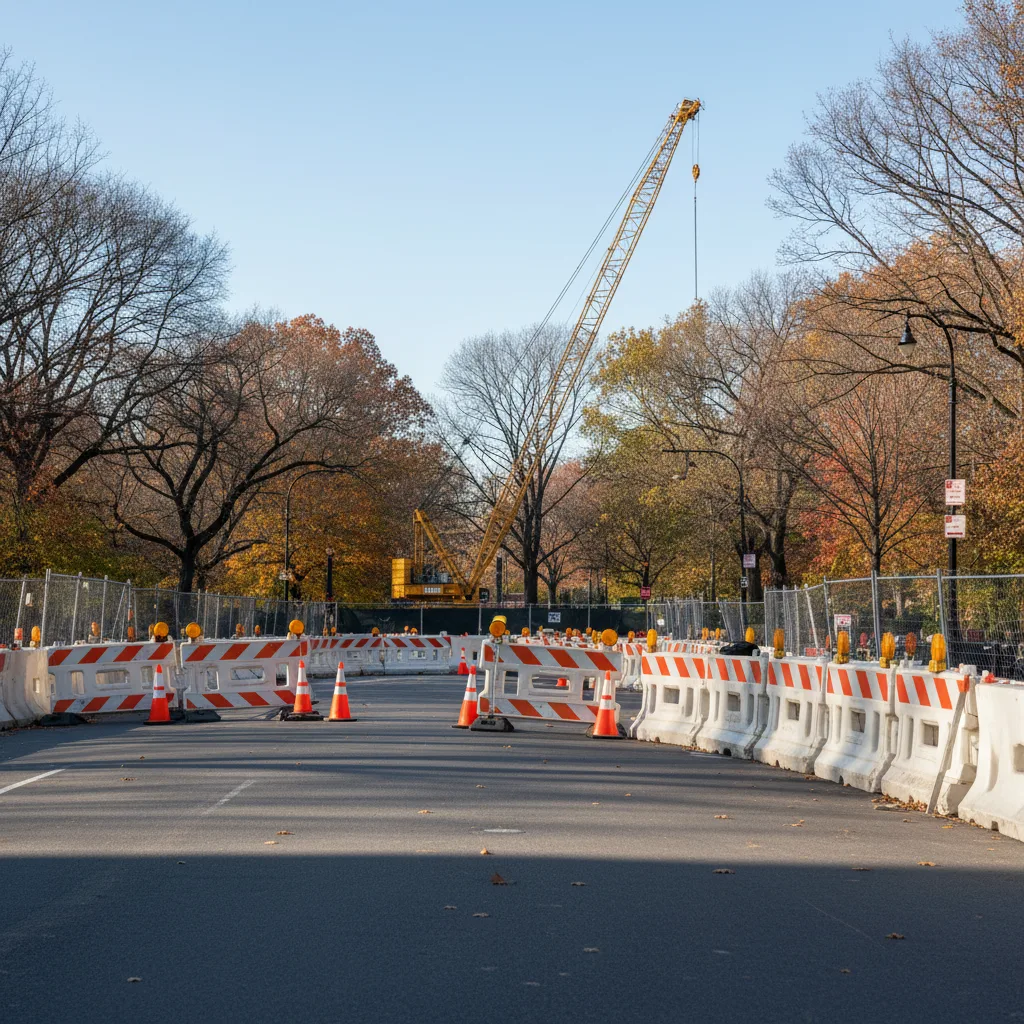
NYC DOT Advises Central Park Area Traffic Disruptions September 27
NYC DOT issued advisories for major traffic disruptions near Central Park on September 27, 2026, due to a parade and crane operations. Expect delays.
Davis Center at Harlem Meer Unveils State-of-the-Art Facilities
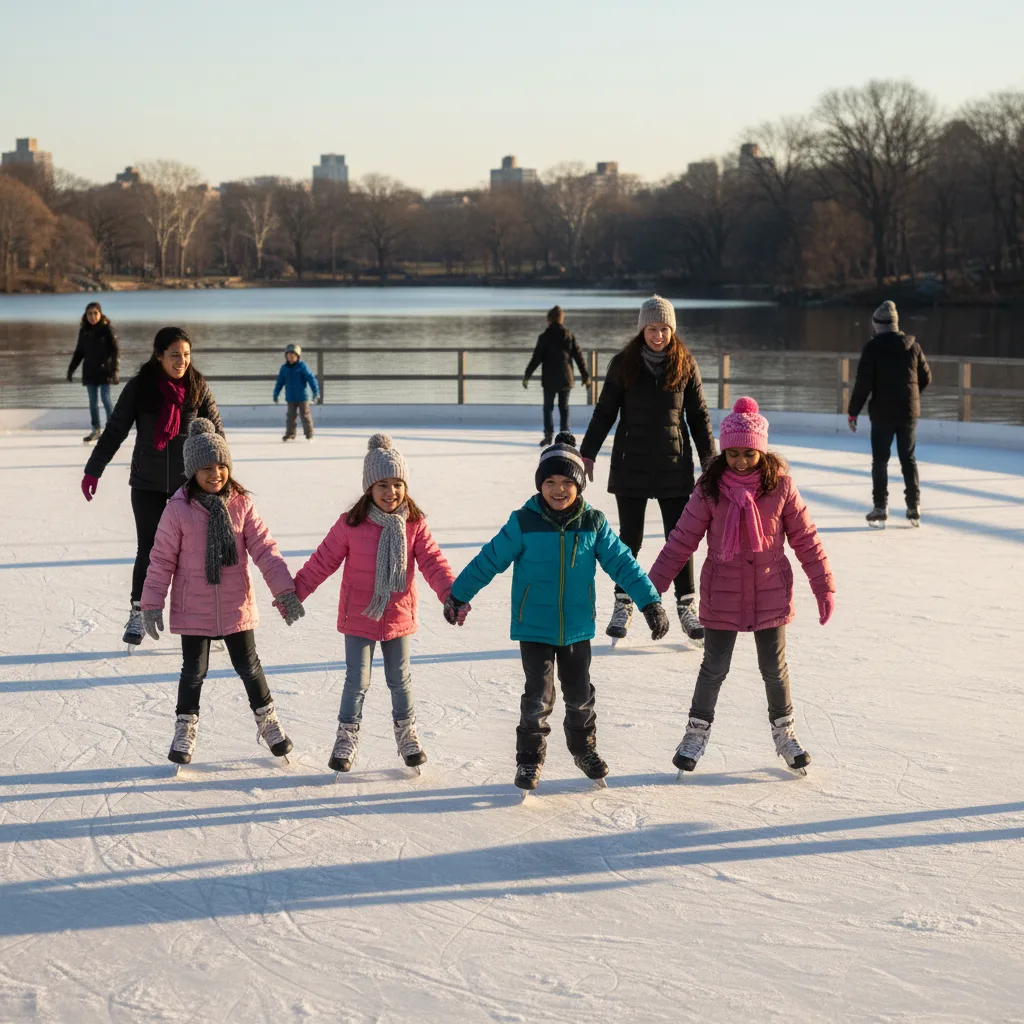
The new Davis Center at the Harlem Meer in Central Park's north end now features a state-of-the-art pool, ice rink, and multi-use turf field, enhancing community recreational options.
NYC City Record Confirms September 21, 2026, Publication Schedule
The NYC City Record confirmed its September 21, 2026, publication schedule, detailing administrative notices, procurement, and public hearings. This ensures transparency for municipal operations and public access to vital city information.