


NYC Gas Prices Soar: Central Park Residents Discuss Energy Crisis

NEW YORK — Global oil prices have spiked to an alarming $180 per barrel following massive drone and missile strikes by Iran on Gulf allies, directly impacting gas prices in New York City. Pumps across Manhattan are now approaching $4 per gallon, sparking immediate anxiety among residents. Conversations among joggers and commuters in Central Park reflect widespread concern over rising commuting and heating costs.
Iran launched a major offensive on March 20, 2026, targeting critical energy infrastructure, including Qatar's Ras Laffan LNG facility and oil refineries across Saudi Arabia, UAE, Kuwait, and Bahrain. These attacks threaten 20% of the world's LNG supply and have triggered an international energy crisis, now in its third week. The global events are resonating deeply with local New Yorkers, as confirmed by community feedback.
Immediate Economic Strain on Manhattan Households
The surge in gas prices is placing a significant financial burden on Manhattan households and businesses. Residents who rely on private vehicles for commuting or work are facing substantially higher costs for daily travel. This sudden increase is forcing many to re-evaluate their budgets and daily routines, as reported by local consumer advocacy groups.
Beyond the pump, the energy crisis threatens to inflate heating bills as spring approaches, adding another layer of financial stress for New Yorkers. The ripple effect extends to the cost of goods and services, as transportation expenses for businesses inevitably rise. This economic pressure is palpable throughout the city, from the Upper West Side to the Financial District.
Central Park Becomes a Hub for Energy Crisis Discussions
In Central Park, the city's green heart, the conversations among its diverse visitors have shifted notably towards the escalating energy crisis. Joggers, dog walkers, and families on park benches are openly discussing the impact of $4-a-gallon gas and the broader implications for the cost of living in New York. The park serves as an informal forum for public sentiment.
Commuters passing through Central Park are sharing concerns about whether to switch to public transit or explore carpooling strategies. This public discourse highlights a collective adaptation to the new economic realities imposed by the global conflict. The widespread discussion indicates a unified public awareness of the crisis.
Local Businesses Brace for Impact Near Central Park
Small business owners on the Upper West Side, particularly those in hospitality and retail, are already feeling the pinch. Many report customers inquiring about potential energy surcharges at restaurants and service establishments. The uncertainty surrounding future energy costs makes long-term financial planning challenging for these local enterprises.
Some businesses are exploring ways to reduce their own energy consumption or adjust pricing to absorb rising operational costs. This delicate balancing act aims to retain customers while navigating an unpredictable economic landscape. The local chamber of commerce has scheduled meetings to discuss strategies for supporting affected businesses, as reported by local news outlets.
Shifts in Commuting Habits and Public Transit Use
The rising cost of gasoline is prompting a noticeable shift in commuting habits across the city. More New Yorkers are considering or actively transitioning to public transportation, such as subways and buses, to mitigate fuel expenses. This trend could lead to increased ridership on city transit systems, potentially alleviating some traffic congestion.
Additionally, discussions about carpooling and ride-sharing have gained traction among local residents. These collective actions reflect a community-wide effort to adapt to the economic challenges posed by the global energy crisis. The Metropolitan Transportation Authority (MTA) is monitoring ridership changes and preparing for potential increases.
Understanding the Global Context and Local Repercussions
The immediate cause of New York City's surging gas prices is rooted in the Iran-Gulf allies conflict, which has severely disrupted global oil and LNG supplies. This geopolitical event highlights the interconnectedness of global affairs and local economies. The U.S.-Israel war with Iran, now in its third week, continues to exacerbate market volatility.
While the conflict unfolds thousands of miles away, its economic reverberations are felt directly by Manhattan residents in their daily expenses and financial planning. The situation underscores the vulnerability of local economies to international instability. For a comprehensive overview of the global situation, refer to this YouTube analysis of the conflict.
Frequently Asked Questions About NYC Energy Costs
- Why are gas prices rising so dramatically in NYC? Gas prices are spiking due to a global energy crisis triggered by drone and missile strikes by Iran on key oil and liquefied natural gas (LNG) facilities in the Persian Gulf, drastically reducing global supply.
- How long are these high gas prices expected to last? The duration of high gas prices is uncertain and depends on the resolution of the geopolitical conflict and the recovery of global energy supplies. Experts predict volatility for the foreseeable future.
- What measures can Manhattan residents take to reduce their energy costs? Residents can consider shifting to public transportation, carpooling, reducing unnecessary driving, and optimizing home energy consumption through insulation and efficient appliance use. Local programs might offer energy-saving incentives.
- How are local businesses near Central Park coping with rising energy costs? Businesses are exploring options such as adjusting operational hours, increasing efficiency, or passing on some costs through surcharges, while carefully monitoring customer feedback and economic conditions.
Related Articles
More in Economic Impact →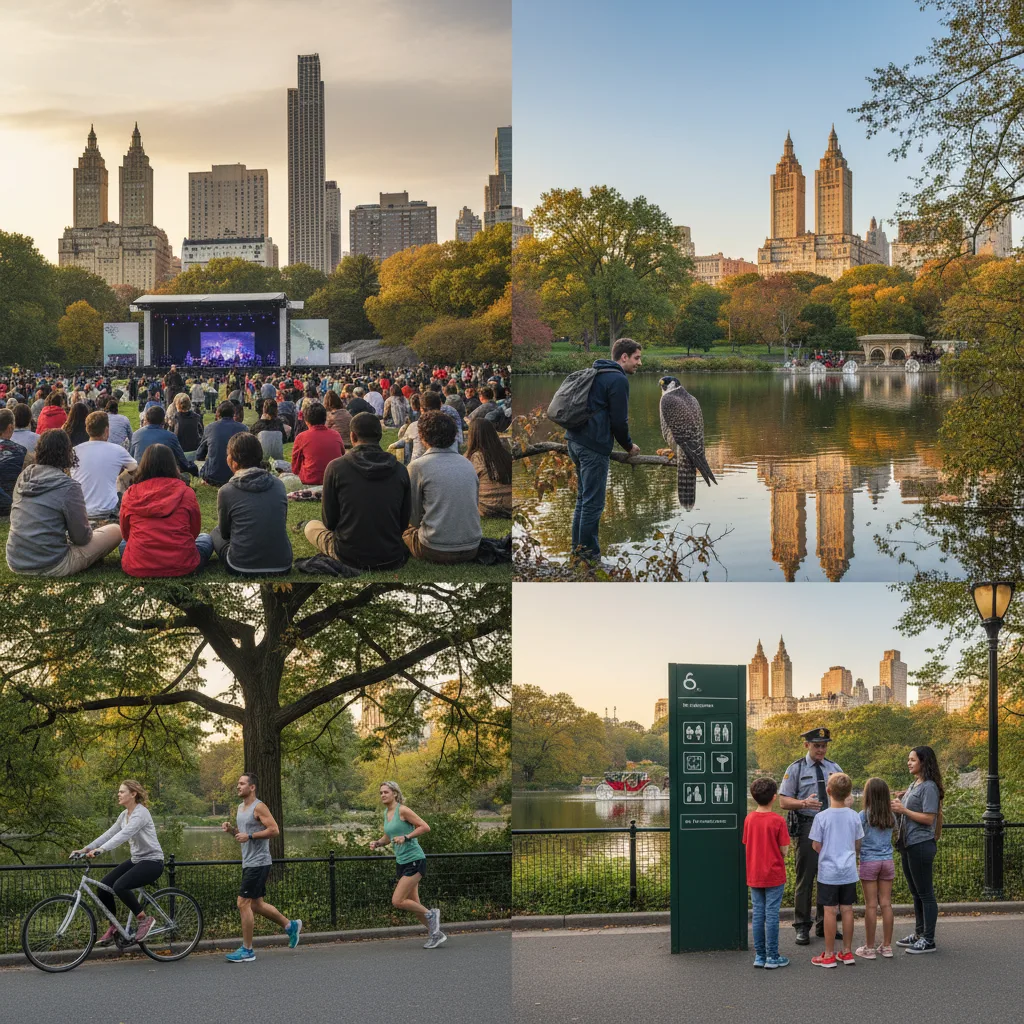
A Guide to Central Park's Top Activities and Best Things to Do in 2026
Discover the best things to do in Central Park, NYC, with our comprehensive 2026 guide to iconic landmarks, activities, and hidden gems for visitors.
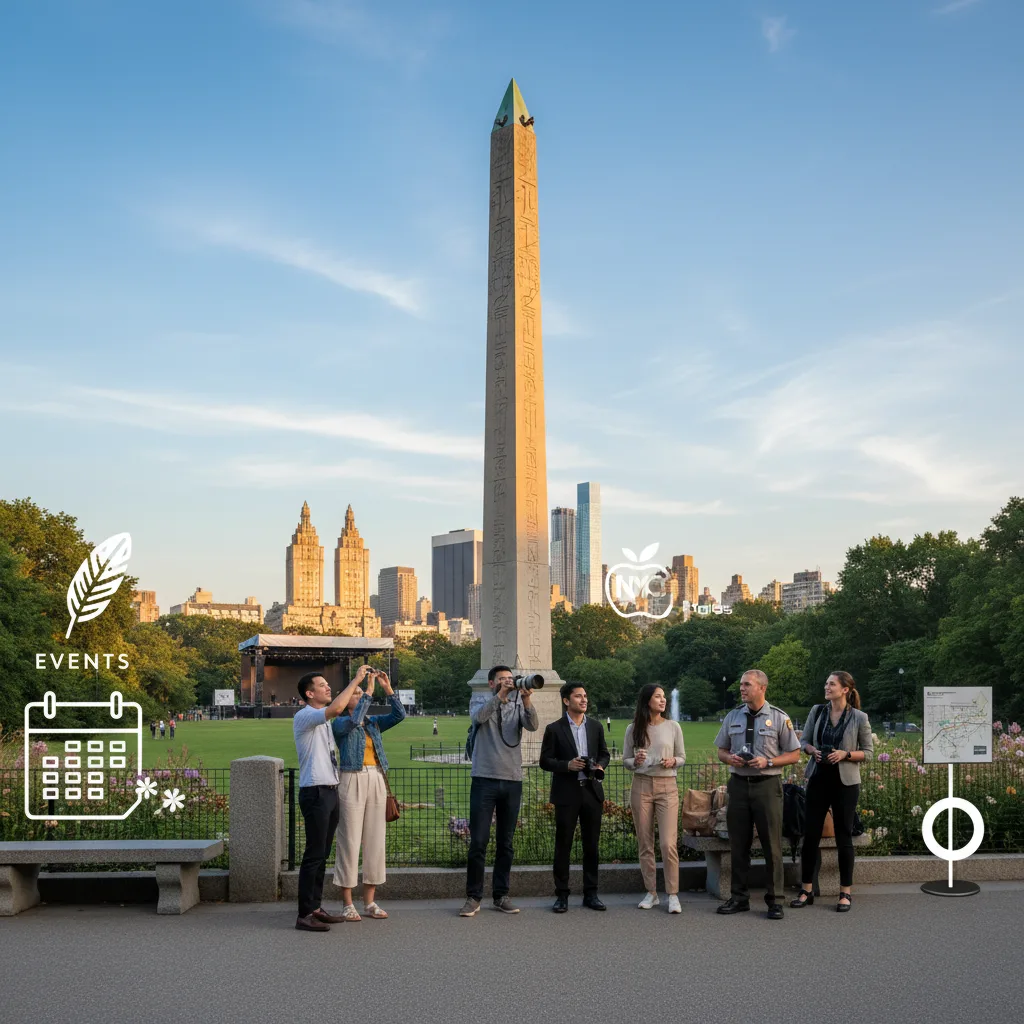
A Guide to What to Know About the Vatican Obelisk in Central Park 2026
Discover what to know about the Vatican Obelisk (Cleopatra's Needle) in Central Park, its history, journey to NYC, and where to find it in 2026.
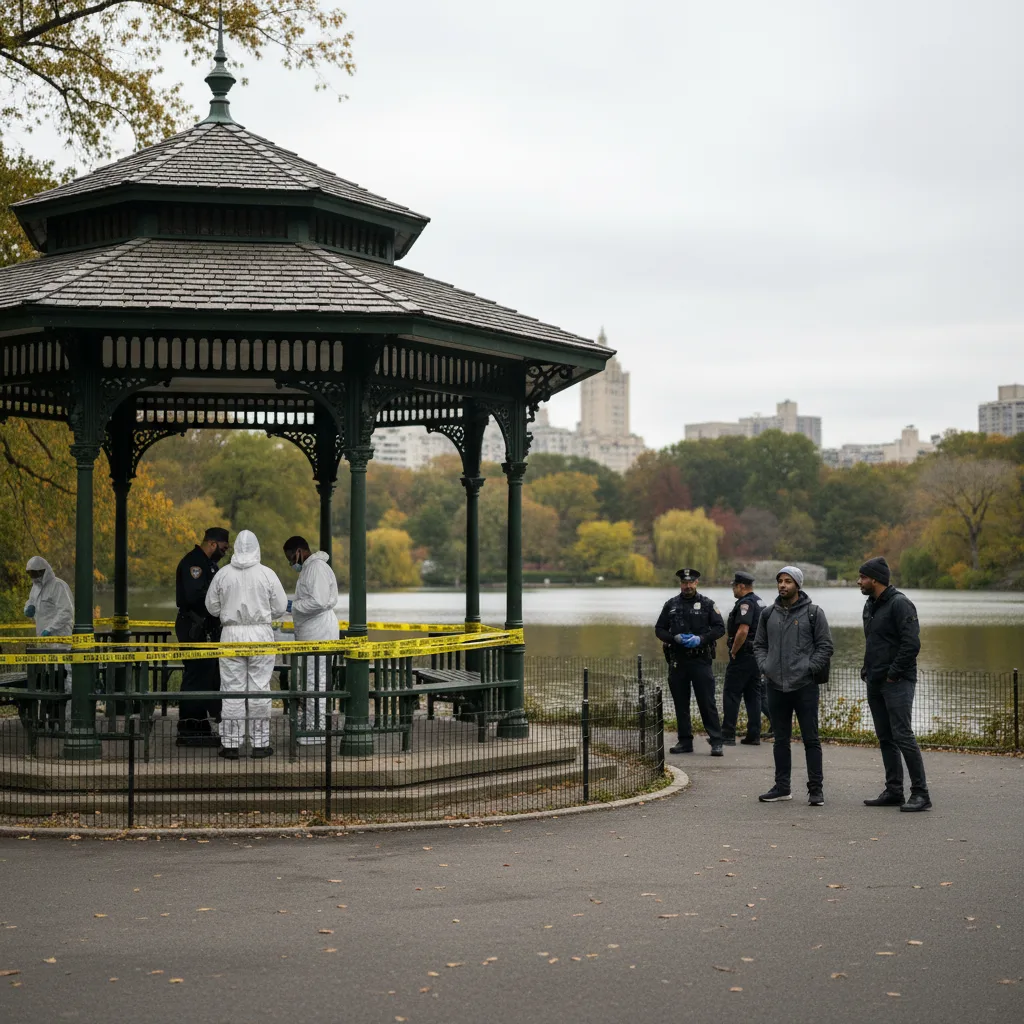
Central Park Woman Found Dead Near Boathouse Gazebo
A woman was found stabbed to death in a Central Park gazebo near the Boathouse on Sunday, prompting an active NYPD homicide investigation.
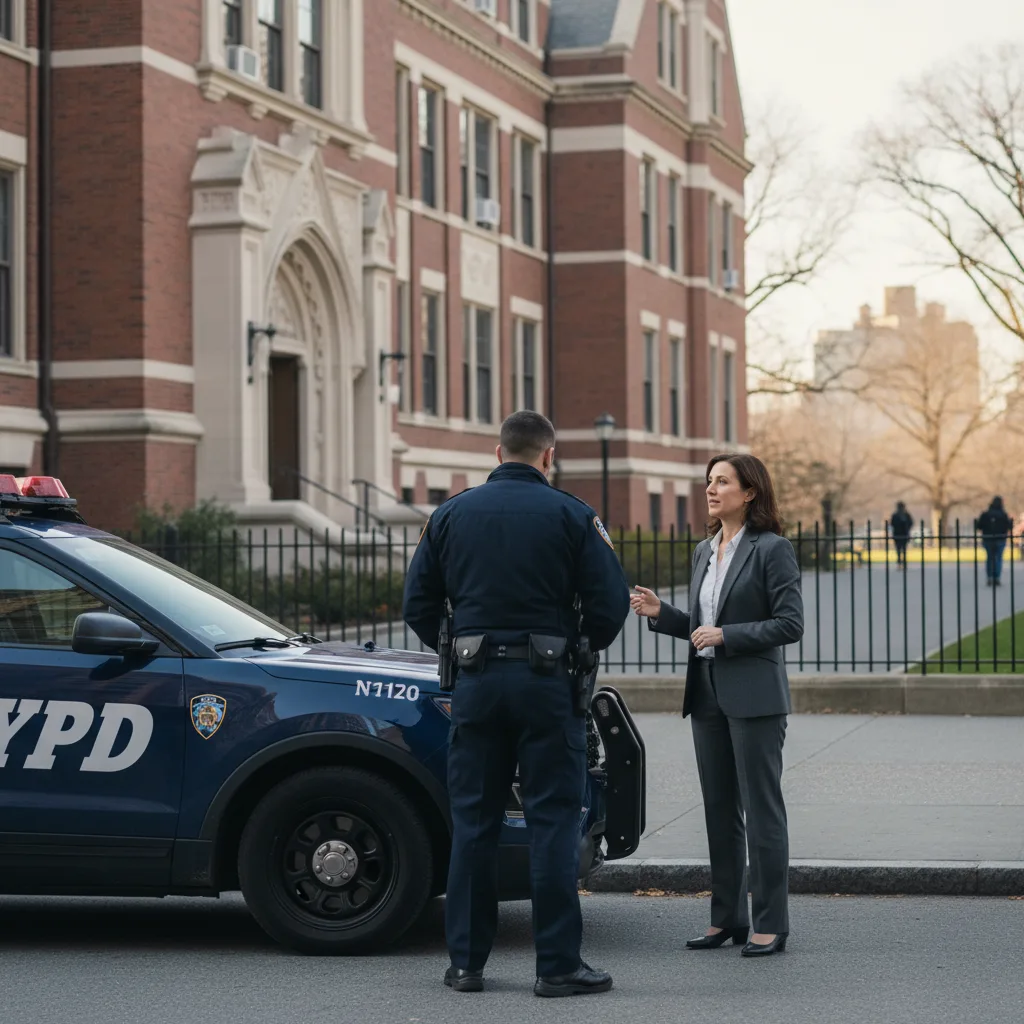
Queens Student Arrested for Bringing Gun to High School
A Queens student was arrested for bringing a gun to high school, prompting immediate law enforcement action and raising school safety concerns.

NYC Mayor Mamdani Booed at Union Square October 7 Vigil
Mayor Mamdani faced boos and protests at a Union Square vigil Thursday marking the Oct. 7 attacks, highlighting deep community divisions in NYC.
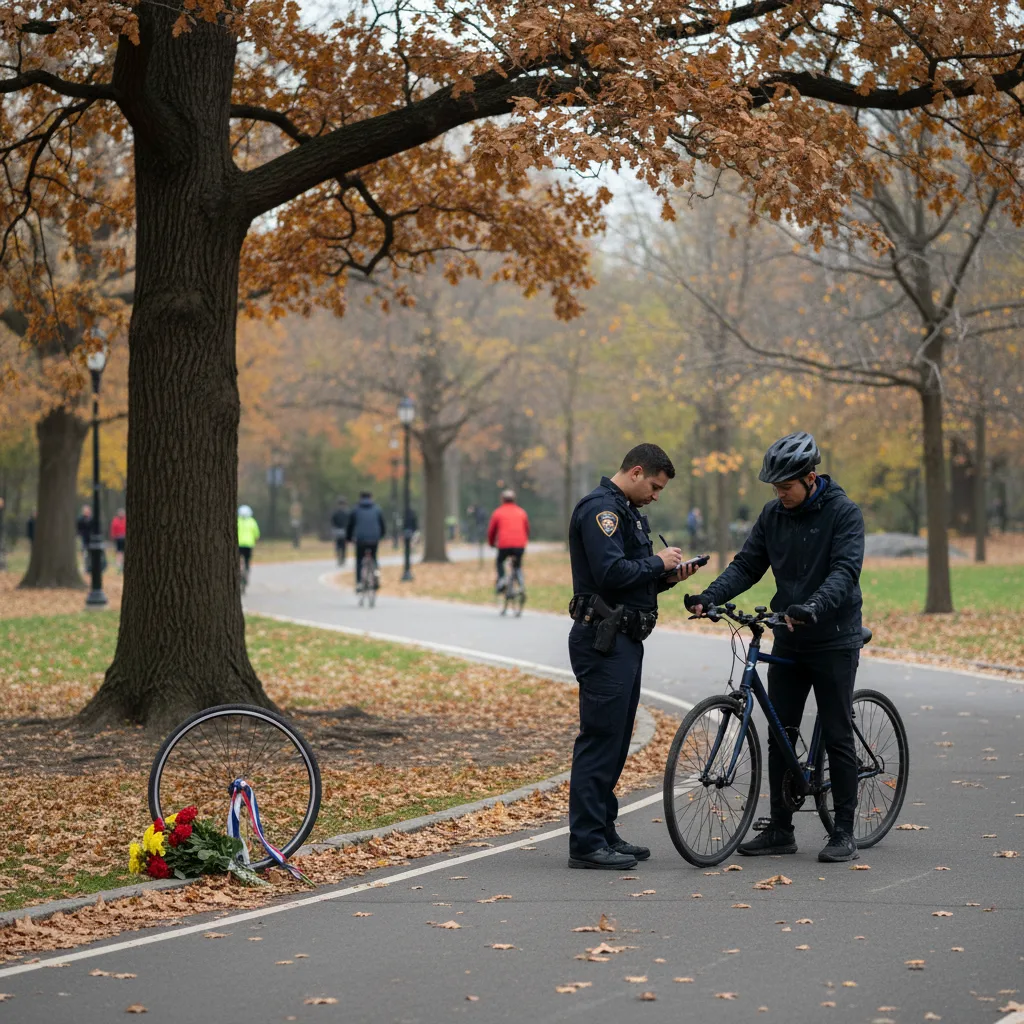
NYC Cyclist Death Prompts NYPD Ticketing Near Fatal Crash Site
NYPD stepped up cyclist ticketing near a recent fatal crash site in Central Park after a cyclist died Monday morning. Local groups demand safety reforms.