


NYC Health Department Hosts World TB Day Conference March 27

NEW YORK — The New York City Health Department will co-host a significant conference on March 27, 2026, in recognition of World Tuberculosis (TB) Day. This event will bring together experts to provide local, national, and global updates on the ongoing fight against tuberculosis. The conference aims to highlight current research, treatment advancements, and public health strategies to combat the disease.
The initiative underscores the city's commitment to public health and its role in global health initiatives. Discussions will include challenges faced by vulnerable populations and innovative approaches to disease prevention. The Health Department emphasizes the importance of continued vigilance and collaboration in eradicating TB.
Global Efforts, Local Impact
World TB Day, observed annually on March 24, commemorates the day in 1882 when Dr. Robert Koch announced his discovery of the bacterium that causes TB. The NYC Health Department's conference, scheduled shortly after, extends the recognition and educational efforts surrounding this critical global health issue. The event is designed to educate healthcare professionals and the public alike on the disease's current status.
According to the NYC.gov press release, the conference will feature presentations from leading researchers and public health officials. These sessions will cover epidemiological trends, diagnostic improvements, and the challenges of multi-drug resistant TB strains. The emphasis will be on translating global insights into actionable local strategies, directly impacting New York City's diverse communities.
Addressing TB in New York City
New York City, with its high population density and global connections, faces unique challenges in controlling tuberculosis. The Health Department's extensive public health infrastructure plays a critical role in surveillance, testing, and treatment programs. These efforts are crucial in preventing outbreaks and ensuring timely intervention for affected individuals.
Speakers will delve into the specific context of TB within the five boroughs, discussing how community health centers and hospitals collaborate to identify and manage cases. The city's comprehensive approach includes aggressive contact tracing and providing free treatment for all residents diagnosed with TB. This proactive stance helps protect public health on a broader scale.
Advancements in Treatment and Prevention
The conference will also showcase the latest advancements in TB diagnosis and treatment, offering a glimpse into the future of public health. New rapid diagnostic tests and shorter treatment regimens are revolutionizing how healthcare providers manage the disease. These innovations are vital in reducing transmission rates and improving patient outcomes.
Prevention strategies, including vaccination programs and public awareness campaigns, will also be a key focus. The Health Department continually updates its guidelines based on global best practices and research findings. Educating the public on symptoms and the importance of early detection remains a cornerstone of their preventive efforts.
Collaborating for a TB-Free Future
The co-hosting of this conference highlights the collaborative spirit essential for addressing public health challenges. Partnerships between local health agencies, national organizations like the Centers for Disease Control and Prevention (CDC), and international bodies are crucial. These collaborations facilitate knowledge sharing and resource mobilization, ensuring a coordinated global response.
Experts will also discuss the socio-economic factors that contribute to TB incidence, such as poverty, homelessness, and access to healthcare. Addressing these underlying determinants is integral to achieving sustainable control and eventual eradication of the disease. The Health Department believes a holistic approach is necessary for long-term success.
The Role of Public Awareness Campaigns
Raising public awareness about TB symptoms, transmission, and the importance of completing treatment is paramount. The Health Department frequently launches campaigns aimed at educating communities, particularly those at higher risk. These initiatives utilize various platforms to reach diverse populations, ensuring critical information is widely accessible.
Early detection is key to preventing the spread of TB, and public understanding of symptoms like persistent cough, fever, and weight loss is crucial. The conference aims to amplify these messages, empowering individuals to seek testing and treatment promptly. Informed communities are healthier communities, better equipped to manage infectious diseases.
Frequently Asked Questions About Tuberculosis
What is tuberculosis (TB)? Tuberculosis is a serious infectious disease primarily affecting the lungs, caused by the bacterium Mycobacterium tuberculosis. It can also affect other parts of the body, such as the kidney, spine, and brain.
How is TB spread? TB is spread through the air when an infected person coughs, sneezes, or speaks, releasing bacteria into the environment. It is not spread by shaking hands, sharing food or drink, or touching surfaces.
What are the symptoms of active TB disease? Common symptoms include a persistent cough lasting three weeks or more, chest pain, coughing up blood or sputum, weakness or fatigue, weight loss, fever, chills, and night sweats. Early diagnosis is important for effective treatment.
Is TB curable? Yes, TB is curable with a full course of antibiotics, typically lasting 6 to 9 months. It is crucial for patients to complete the entire prescribed treatment to prevent drug resistance and ensure full recovery.
Where can I get tested for TB in New York City? In New York City, TB testing is available through your healthcare provider, various clinics, and at several NYC Health Department facilities. For more details on testing locations and public health initiatives, please visit the NYC Health Department website.
What is latent TB infection? Latent TB infection means you have TB germs in your body, but they are inactive and not causing symptoms. People with latent TB infection cannot spread TB bacteria to others, but they can develop active TB disease if not treated.
Related Articles
More in Weather & Health →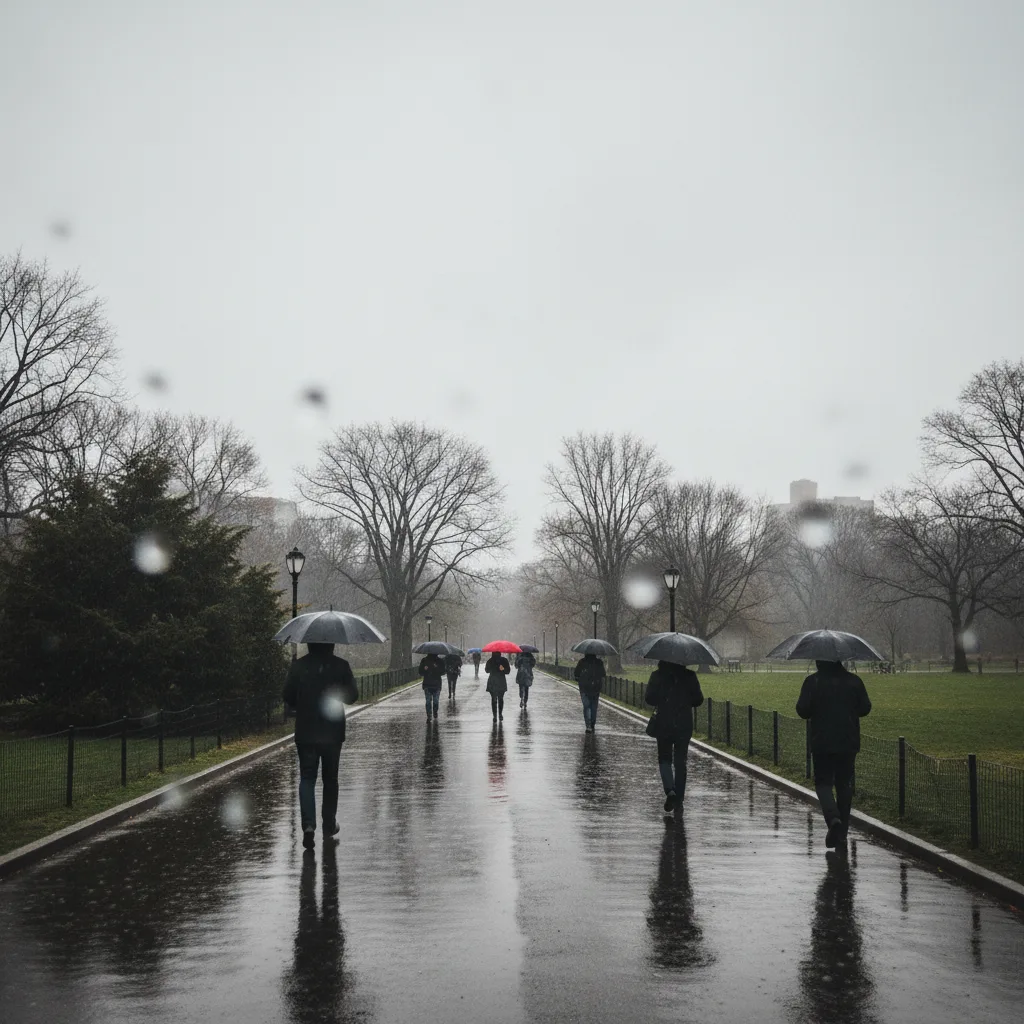
Central Park Radar Shows Current Rain Conditions and Near-Term Updates
Central Park visitors are seeing current rain conditions and near-term precipitation updates on AccuWeather radar, affecting outdoor activities and park operations.

September 2026 Central Park Weather Forecast Reveals Mild Conditions
Central Park's September 2026 weather forecast projects mild daily highs between 70-82°F and lows 57-66°F. Plan outdoor activities; comfortable conditions expected for park visitors.

Central Park Visitors Face Intermittent Rain, Cooler Temps Sunday Night
Central Park experienced cool temperatures and intermittent rain on Sunday, September 27, 2026, with a temperature of 57.0°F recorded. Visitors should plan accordingly.

Central Park Records 72°F Max, 58°F Min Temperatures September 27
Central Park observed a maximum temperature of 72°F and minimum of 58°F on Sunday, September 27, 2026, according to the NWS climatological report.
AccuWeather Forecasts 64°F, 59°F for Central Park September 27
AccuWeather forecast a high of 64°F and low of 59°F for Central Park on September 27, 2026, slightly below monthly averages, indicating a cooler day.
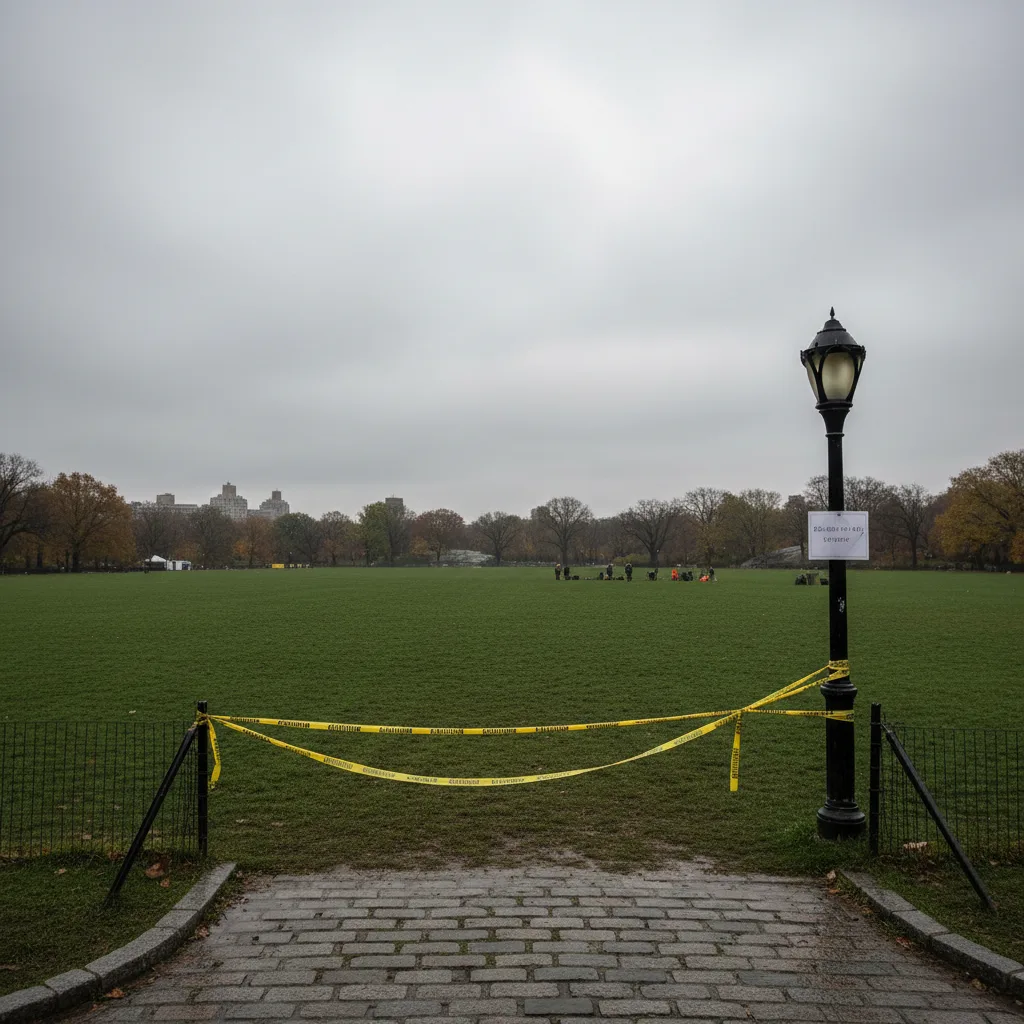
Global Citizen Festival in Central Park Canceled Due to Nor'easter Threat
Global Citizen Festival in Central Park was canceled Thursday due to an approaching nor'easter, affecting thousands and prompting safety concerns. New Yorkers should check for updated park alerts and traffic changes related to the storm.