


NYC Marathon 2026 Director Previews 50th Anniversary Race
Enjoying the coverage?
Rinks, pools, fields and races in the park: our Friday roundup has the updates. Free; unsubscribe in one click.
Sent every Friday. By subscribing, you agree to our Terms of Use and Privacy Policy.
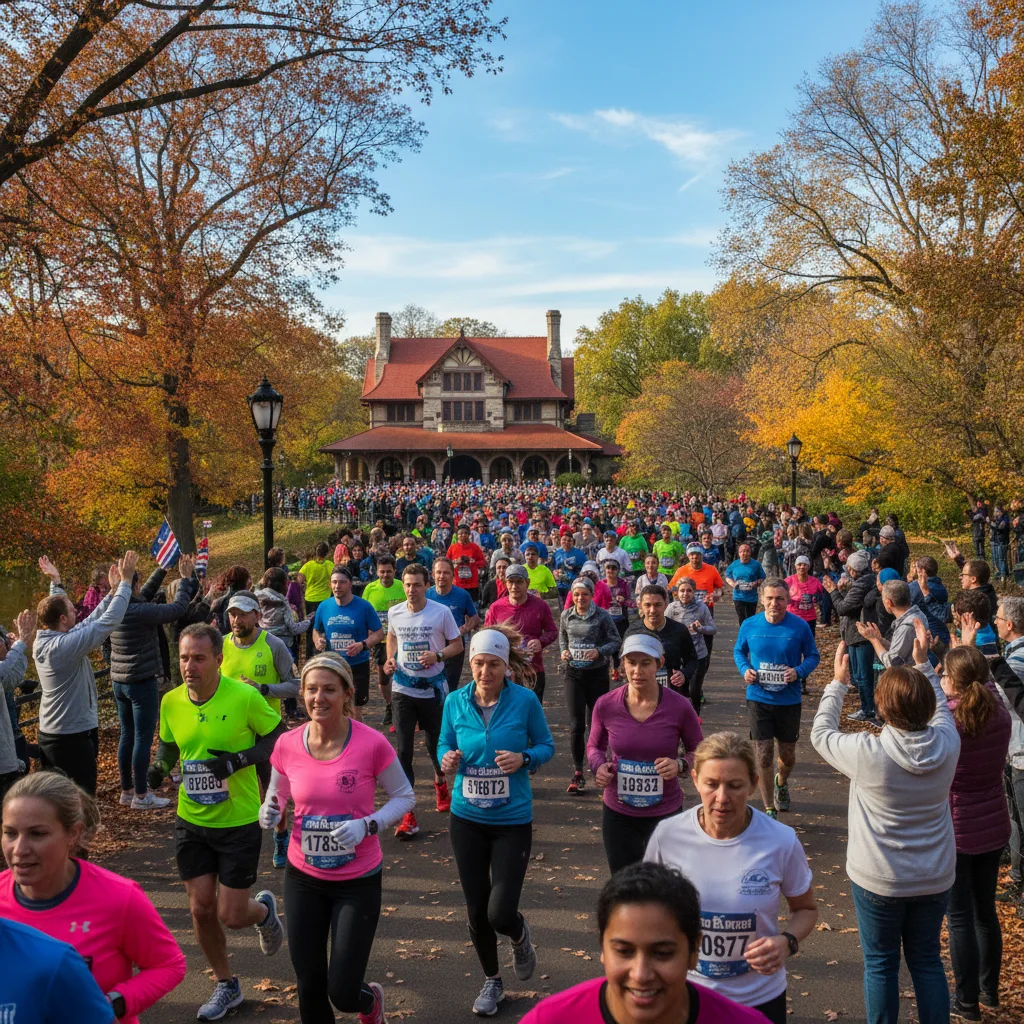
NEW YORK — Race Director Ted Metellus announced details of the 2026 TCS New York City Marathon, highlighting the event's 50th anniversary of the modern five-borough course. The race, held on November 1, drew more than 60,000 runners to the city streets.
Metellus Outlines Marathon's Golden Jubilee Significance
Ted Metellus, the esteemed Race Director for the TCS New York City Marathon, provided an extensive preview of the 2026 event, emphasizing its milestone 50th anniversary. This year's marathon was a landmark occasion for New York Road Runners (NYRR), the organization behind the iconic race, according to ABC7NY. The course has remained largely consistent since its expansion to all five boroughs.
Metellus underscored the logistical challenges and triumphs involved in orchestrating an event of this scale. The marathon’s journey through Staten Island, Brooklyn, Queens, the Bronx, and Manhattan culminates in Central Park, where millions of spectators annually gather. The race director’s remarks came as tens of thousands of participants from around the globe prepared to take on the 26.2-mile challenge.
The Central Park News Friday Briefing
Rinks, pools, fields and races in the park: our Friday roundup has the updates. Free; unsubscribe in one click.
Sent every Friday. By subscribing, you agree to our Terms of Use and Privacy Policy.
Central Park Finish Line Anticipates Millions of Spectators
The final stretch of the 2026 TCS New York City Marathon through Central Park is always a highlight, and this year was no exception, with organizers anticipating millions of spectators. Crowds lined the streets, particularly along Central Park South and inside the park near the Tavern on the Green area, creating an electric atmosphere for finishers.
Organizers had implemented extensive measures to manage the influx of spectators, including designated viewing areas and enhanced public safety protocols. The race route concluded near West 67th Street inside Central Park, a traditional finish line that has seen countless emotional crossings over the decades. The sheer volume of supporters underscored the race's enduring appeal as a community event.
60,000 Runners Participate in Historic 2026 Event
The 2026 TCS New York City Marathon saw more than 60,000 runners officially registered and crossing the starting line across Staten Island's Verrazzano-Narrows Bridge. This substantial participation rate reaffirms the event's status as one of the world's largest and most prestigious marathons, CBS News reported. The field included elite professional athletes, seasoned amateurs, and first-time marathoners from over 140 countries.
Participation numbers have steadily grown over the years, reflecting both the popularity of long-distance running and the allure of New York City as a race destination. The logistical feat of managing such a large field, from hydration stations to medical support, is a testament to the meticulous planning by NYRR and city agencies. Many runners participate to support various charitable causes, adding another layer of significance to their journey.
Evolution of the Five-Borough Course Over Five Decades
The modern five-borough course of the NYC Marathon, first established in 1976, celebrated its 50th anniversary in 2026. This route transformed the marathon from a primarily Central Park-centric event into a city-wide spectacle that showcases New York's diverse neighborhoods. The vision for a truly city-spanning race originated from Fred Lebow and George Hirsch, founders of New York Road Runners.
Initially, the race was held entirely within Central Park, consisting of multiple loops. The decision to expand to all five boroughs dramatically increased its profile and appeal, making it a unique experience for both runners and spectators. The course has remained largely unchanged, a testament to its successful design that balances competitive elements with showcasing the city's iconic landscapes. For more details on the significant impact of the marathon on the city, including potential park closures, readers can review information about the Central Park Conservancy's alerts on marathon closures.
Community Engagement and Economic Impact on New York City
The TCS New York City Marathon is more than just a race; it is a significant cultural and economic event for the city. Millions of New Yorkers come out to cheer on participants, creating an unparalleled atmosphere of support and camaraderie across the boroughs. Businesses along the route, especially those in Manhattan near the Central Park finish, experience increased foot traffic and sales.
Beyond direct spending, the marathon generates substantial revenue through tourism, with runners and their families traveling from around the globe, filling hotels and patronizing local establishments. The charitable fundraising efforts associated with the marathon also contribute millions of dollars to various non-profit organizations each year. The event transforms the city, turning its streets into a vibrant celebration of human endurance and community spirit, as highlighted by Mayor Mamdani's initiative with free grandstand tickets.
Frequently Asked Questions
How does the NYC Marathon route through Central Park impact local access?
The NYC Marathon route through Central Park significantly impacts local access, with closures affecting key pathways and transverse roads within the park, particularly on the day of the race, November 1. Spectators are encouraged to use public transportation and arrive early, as vehicle access around the park is severely restricted, and specific entrances may be temporarily closed or rerouted to manage crowd flow and ensure runner safety.
What are some of the historical highlights of the NYC Marathon's 50-year course history?
The 50-year history of the NYC Marathon's five-borough course includes its transformation from a multi-loop Central Park race in the early 1970s to the expansive city-wide event it is today, first run in 1976. Key highlights include numerous world records set on its challenging terrain, iconic finishes by legends like Grete Waitz and Alberto Salazar, and its growth into one of the largest participatory sporting events globally, celebrating human endurance and the spirit of New York City.
How do spectators typically experience the marathon finish in Central Park?
Spectators typically experience the marathon finish in Central Park by gathering along Central Park South and within the park's designated viewing areas near West 67th Street, close to Tavern on the Green. Many arrive hours in advance to secure prime spots, often bringing signs and cheering devices. The atmosphere is usually electric, filled with emotion as runners complete their 26.2-mile journey, making it a memorable experience for both participants and their supporters.
The Central Park News Friday Briefing
Rinks, pools, fields and races in the park: our Friday roundup has the updates. Free; unsubscribe in one click.
Sent every Friday. By subscribing, you agree to our Terms of Use and Privacy Policy.
Related Articles
More in Sports & Recreation →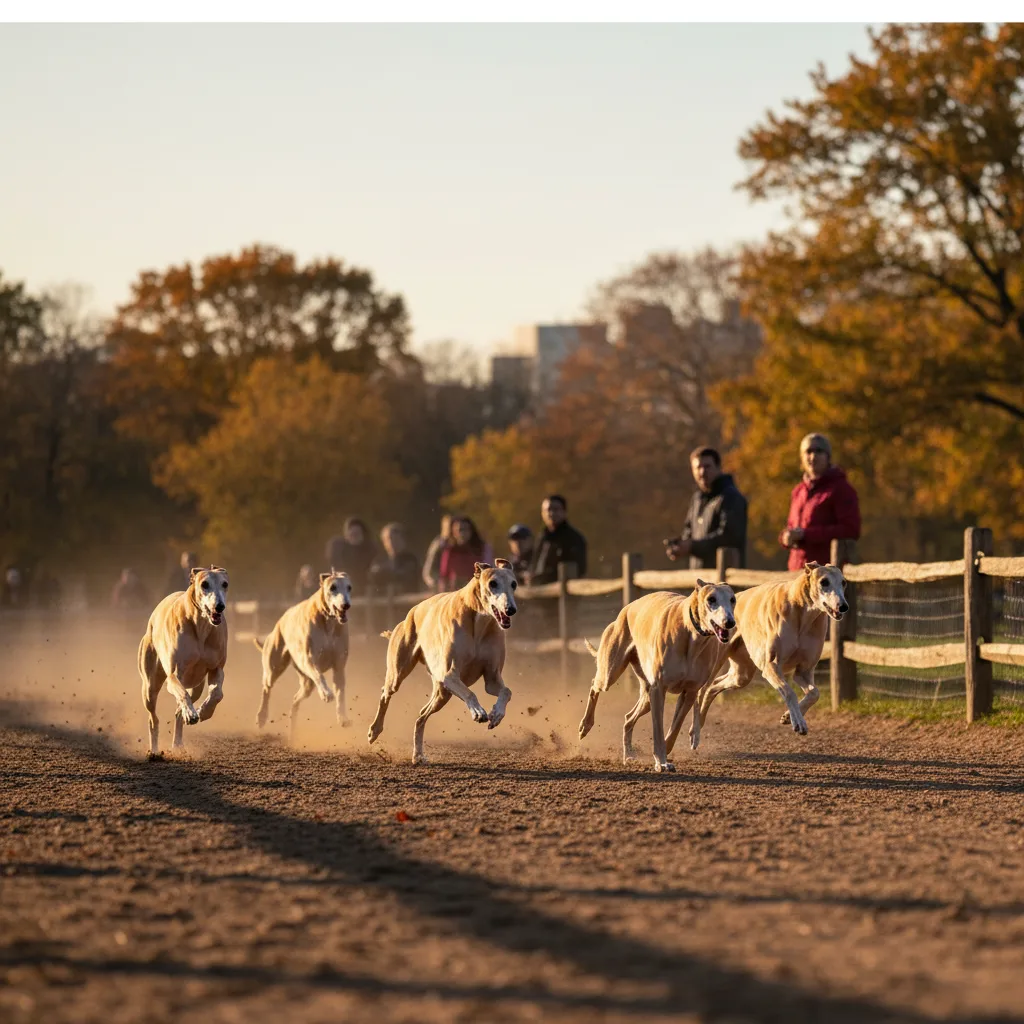
Greyhound Races Scheduled at Central Park on Thanksgiving Day 2026
Greyhound races are scheduled at Central Park on Thursday, November 26, 2026, with a Grade D1 event at 17:31 over 277 meters.
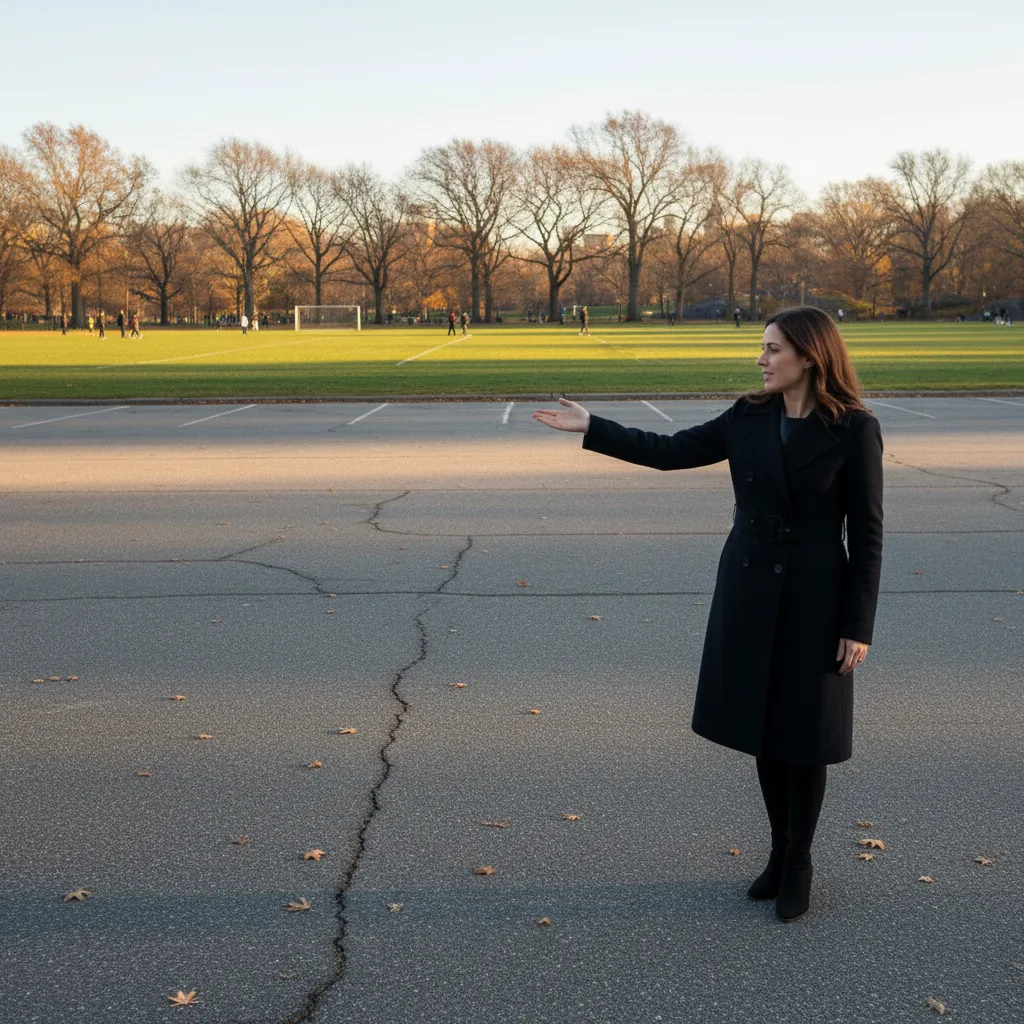
Governor Hochul Announces $5.5M for Central Park Soccer Field Conversion
Governor Kathy Hochul announced a $5.5 million investment on November 23, 2026, to convert a Central Park parking lot near Tavern on the Green into a publicly accessible mini-soccer field.
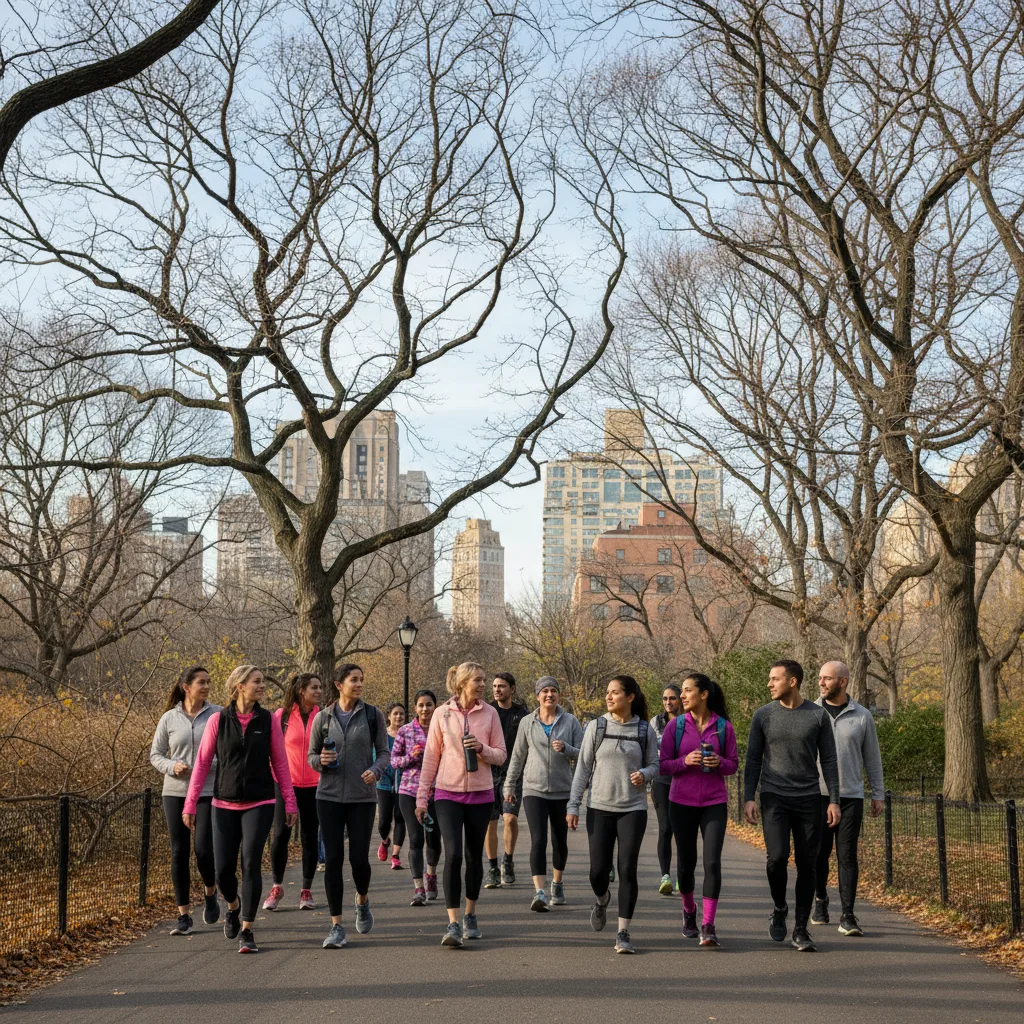
NYRR Striders Weekly Walking Group Begins November 12 at Central Park West
The NOVEMBER Weekly NYRR Striders Walking Group IN-PERSON PROGRAM starts Thursday, November 12, 2026, at 10:00 AM at Central Park West & West 85th Street.

Central Park Greyhound Races Scheduled for Thursday, November 12
Three greyhound races are scheduled at Central Park track on Thursday, November 12, 2026, with prize money ranging from £405 to £475.
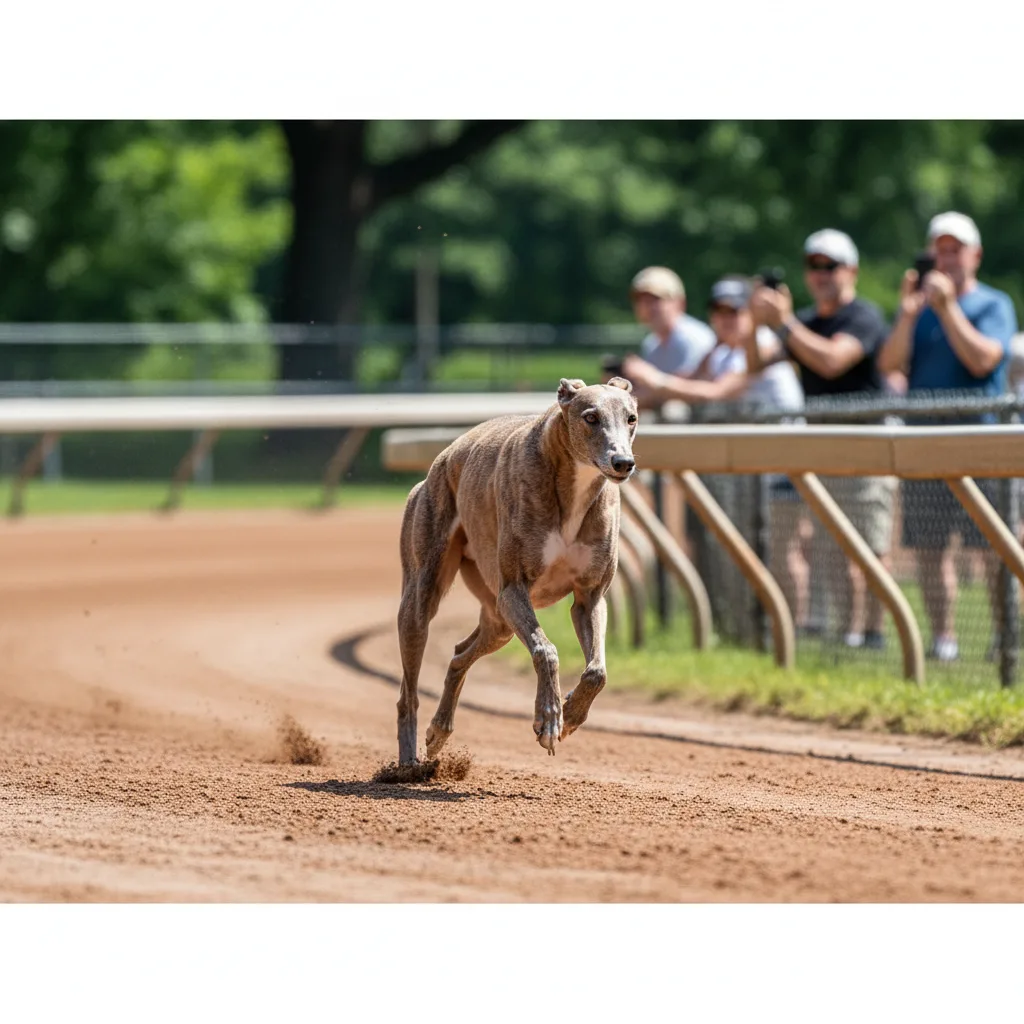
Central Park Greyhounds Prepare for Thursday Races at Track
Greyhound races are scheduled at Central Park track on Thursday, November 12, 2026, featuring three events with prize money up to £490.
Central Park Running Club Hosts Free Weekly Run November 10, 2026
Central Park Running Club hosts a free weekly run at the Central Park Boathouse Tuesday, November 10, 2026. Enjoy scenic views and group exercise.