


NYC Marathon Street Closures Affect Central Park, UWS
Enjoying the coverage?
The week's Central Park events, rounded up every Friday. Free; unsubscribe in one click.
Sent every Friday. By subscribing, you agree to our Terms of Use and Privacy Policy.
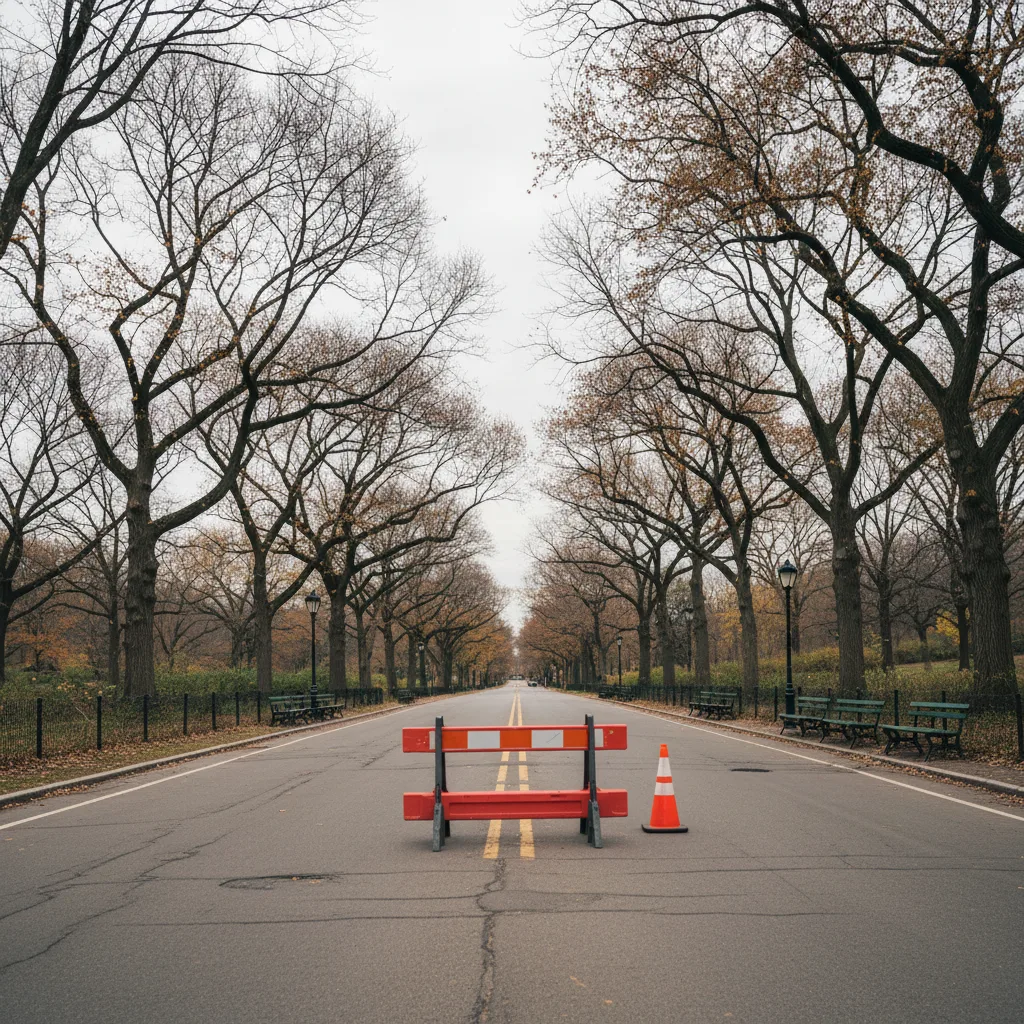
NEW YORK — Upper West Side residents and Central Park users faced extensive street closures related to the New York City Marathon from Saturday, October 31, through Sunday, November 1, 2026. The widespread temporary road restrictions impacted traffic flow and access points around the park and adjacent neighborhoods, as reported by WestSideRag.com.
Central Park Drives See Marathon-Related Closures
Central Park East Drive experienced full closure throughout the marathon weekend, from Saturday, October 31, through Sunday, November 1. This significant closure rerouted traffic that typically uses the scenic park drives. The East Drive, a major thoroughfare for both vehicles and cyclists, was reserved exclusively for marathon support and event logistics during these days. Park visitors using the 72nd Street entrance found access altered.
Similar closures were implemented on portions of the West Drive, particularly near the finish line area between West 67th and West 72nd Streets. These closures are standard procedure for the annual marathon, ensuring the safety of runners and spectators. The Parks Department and NYPD coordinated efforts to manage vehicular and pedestrian traffic around the affected zones, guiding visitors to alternative routes.
The Central Park News Friday Briefing
The week's Central Park events, rounded up every Friday. Free; unsubscribe in one click.
Sent every Friday. By subscribing, you agree to our Terms of Use and Privacy Policy.
Upper West Side Traffic and Access Impacts
The marathon’s route through the Upper West Side led to numerous street closures, primarily impacting avenues and cross-streets leading to Central Park. Major north-south arteries like Central Park West experienced significant restrictions or full closures at various points during Sunday's race. Local buses were rerouted, and parking was prohibited along parts of the course, causing considerable inconvenience for residents.
Community advisories were issued in advance, urging residents to plan for delays and use public transportation where possible. Pedestrian access across the marathon route was also limited to designated crossing points, often managed by NYPD officers. The marathon, while a celebrated city event, always presents logistical challenges for the neighborhoods it traverses.
Planning for Marathon Weekend Disruptions
City officials and marathon organizers strongly advised residents and visitors to consult official NYC Marathon guides and local news outlets for real-time updates on street closures. Information was disseminated through the NYC Department of Transportation, NYPD, and local community websites. The goal was to minimize confusion and ensure public safety throughout the event.
Residents needing to travel within or through the Upper West Side during the marathon weekend were encouraged to utilize subway lines, as surface streets became highly congested or impassable. For those with essential vehicle travel, substantial detours were necessary, often adding significant time to commutes. These advisories are crucial for managing urban events of this scale, such as the 34th Annual Canstruction Competition, which also sees large crowds.
Impact on Central Park Recreation and Events
While the marathon brought temporary disruptions, Central Park remained accessible for recreation in many areas. However, popular spots along the marathon route, such as the final stretch near Tavern on the Green and Strawberry Fields, were heavily impacted by spectator crowds and security protocols. Regular park activities were either modified or paused in these specific zones.
The Central Park Conservancy coordinated with marathon organizers to ensure that park infrastructure was protected and that post-race cleanup was efficient. The marathon finish line area, typically a bustling section of the park, transformed into a high-security zone for the duration of the event. Despite the closures, many park-goers still found enjoyment in less affected areas, such as the North Meadow or Conservatory Garden.
Community Engagement and Future Preparations
City agencies typically engage with community boards and neighborhood associations in the months leading up to the marathon to address concerns and communicate logistics. These discussions help refine traffic management plans and ensure that local needs are considered. The marathon's long-standing tradition in New York City means that city agencies have well-established protocols for managing its complex logistical footprint.
Future marathon planning will continue to involve robust public outreach to minimize the impact on daily life for residents. Feedback from this year’s event will be reviewed to identify potential improvements for next year's race. The goal is to balance the excitement of a world-renowned event with the practical needs of urban living.
Frequently Asked Questions
What was the specific duration of the Central Park East Drive closure for the NYC Marathon?
The Central Park East Drive was specifically closed from Saturday, October 31, through Sunday, November 1, 2026, for the NYC Marathon. This encompassed the entire marathon weekend, facilitating logistical setup and the race itself.
How can Upper West Side residents receive real-time updates on marathon-related street closures for future events?
Upper West Side residents can receive real-time updates on marathon-related street closures for future events by signing up for alerts from the NYC Department of Transportation (DOT), following official NYC Marathon social media channels, checking local news sites like WestSideRag.com, and consulting the NYPD’s traffic advisories.
The Central Park News Friday Briefing
The week's Central Park events, rounded up every Friday. Free; unsubscribe in one click.
Sent every Friday. By subscribing, you agree to our Terms of Use and Privacy Policy.
Related Articles
More in Park Events →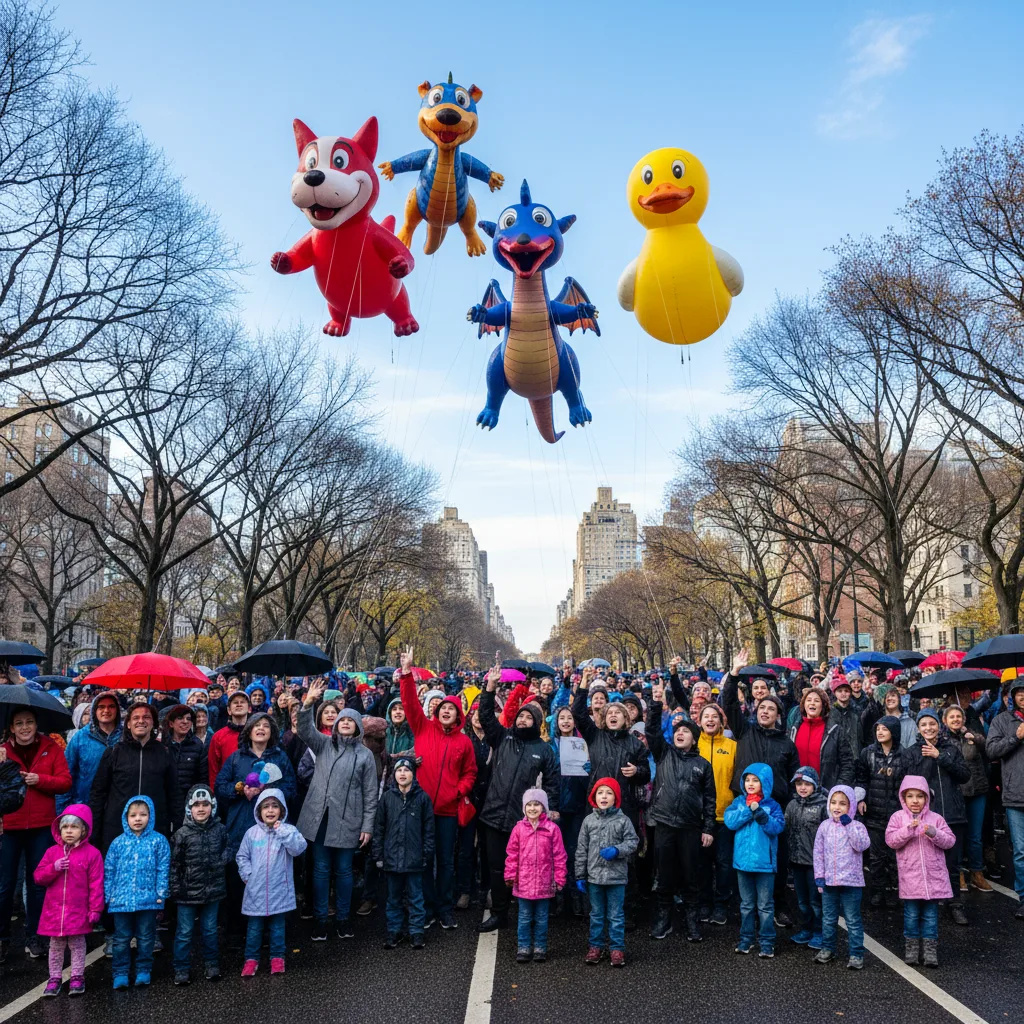
NYC Officials Host Postponed Macy's Parade with 100 Inflatables
New York City officials hosted the 100th Macy's Thanksgiving Day Parade on Saturday, November 28, 2026, after a postponement, featuring 100 inflatables.
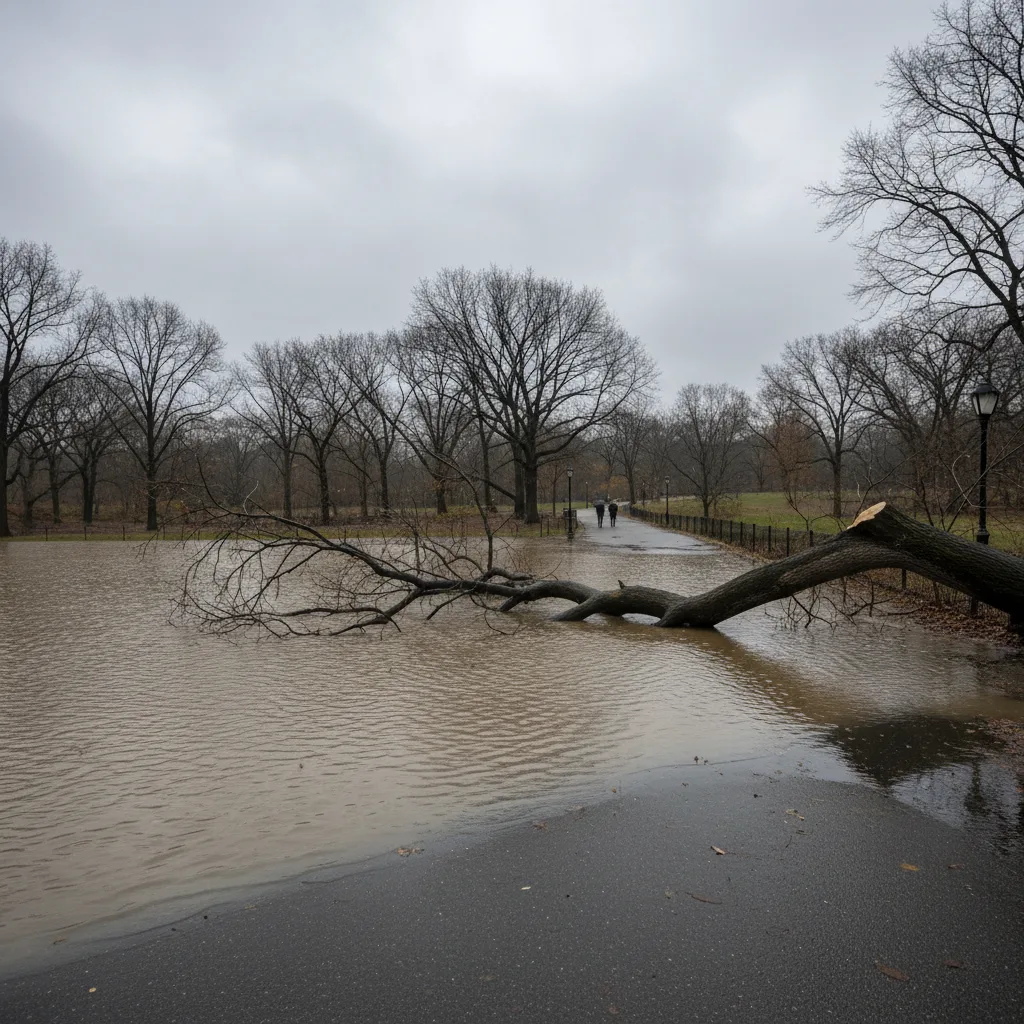
Central Park Records 2.18 Inches Rain, Storm Causes Outages
NEW YORK: NYC News Center reported Saturday, November 28, 2026, that Central Park received a record 2.18 inches of rain on Thanksgiving Day, November 26, 2026,…
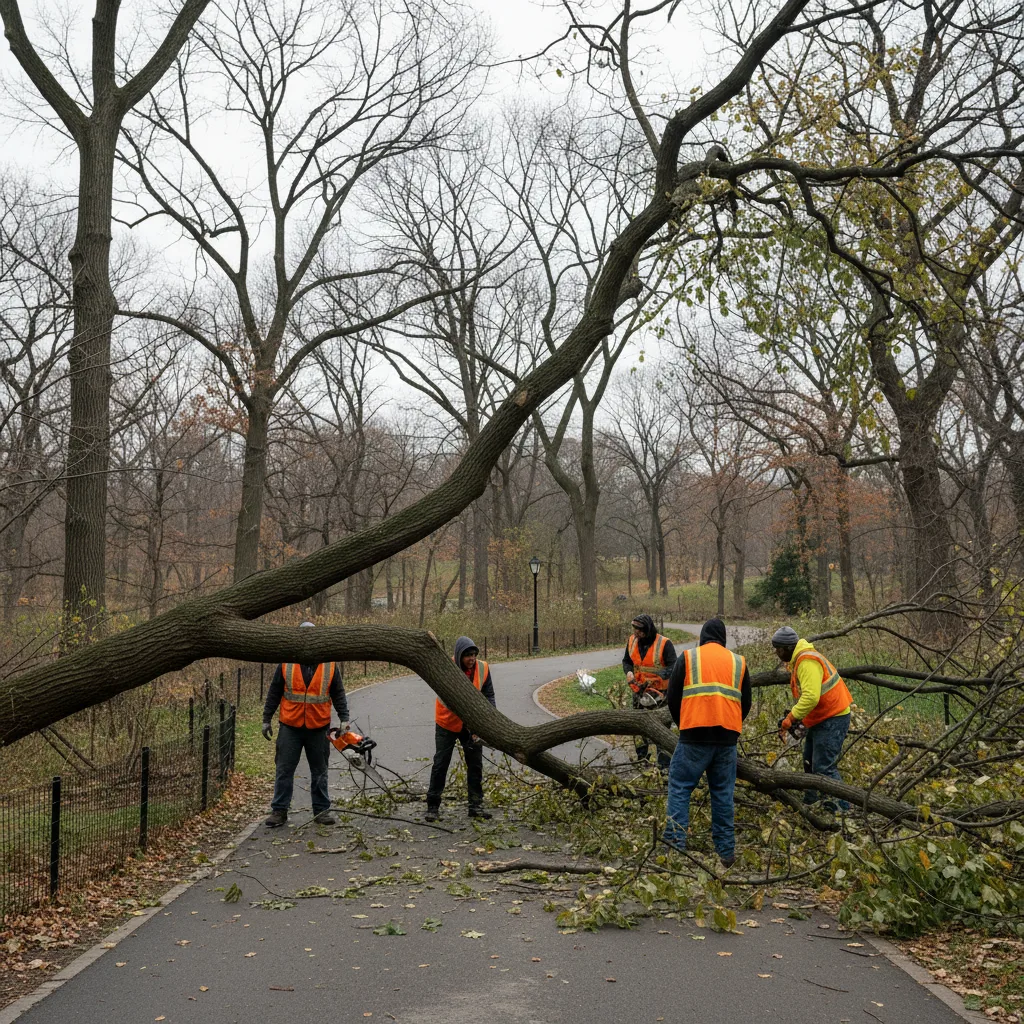
NYC Officials Confirm Central Park Thanksgiving Storm Clean-Up Efforts
NEW YORK: Crews across New York City, Long Island, and New Jersey responded Friday, November 27, 2026, to downed trees, flooding, and power outages after a…
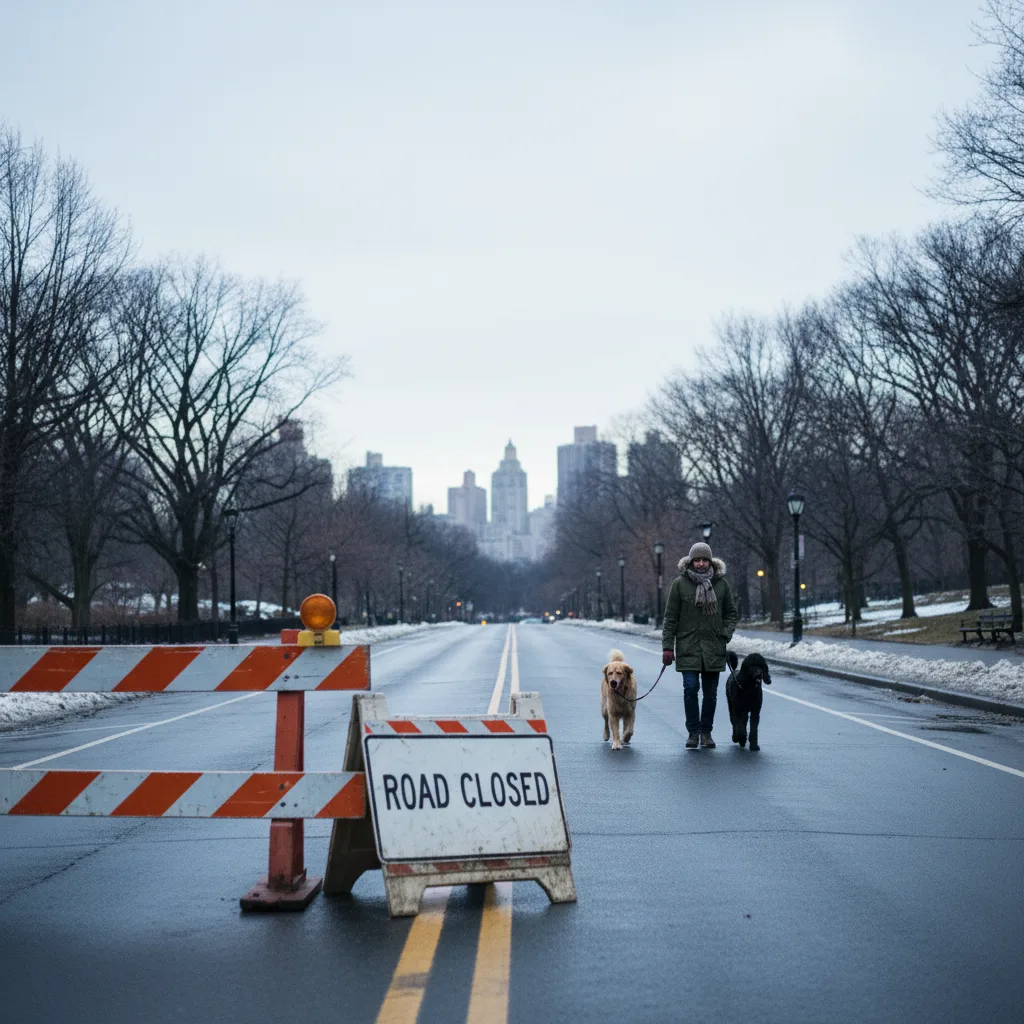
Dog Walker Navigates Closed Central Park Streets on Thanksgiving Day
A dog walker was observed on a closed street near Central Park on Thursday, November 26, 2026, Thanksgiving Day.

Central Park Visitors Face Limited Access During Macy's Parade Days
Central Park visitors experienced limited access and temporary closures on November 25 and 26, 2026, due to Macy's Thanksgiving Day Parade preparations.
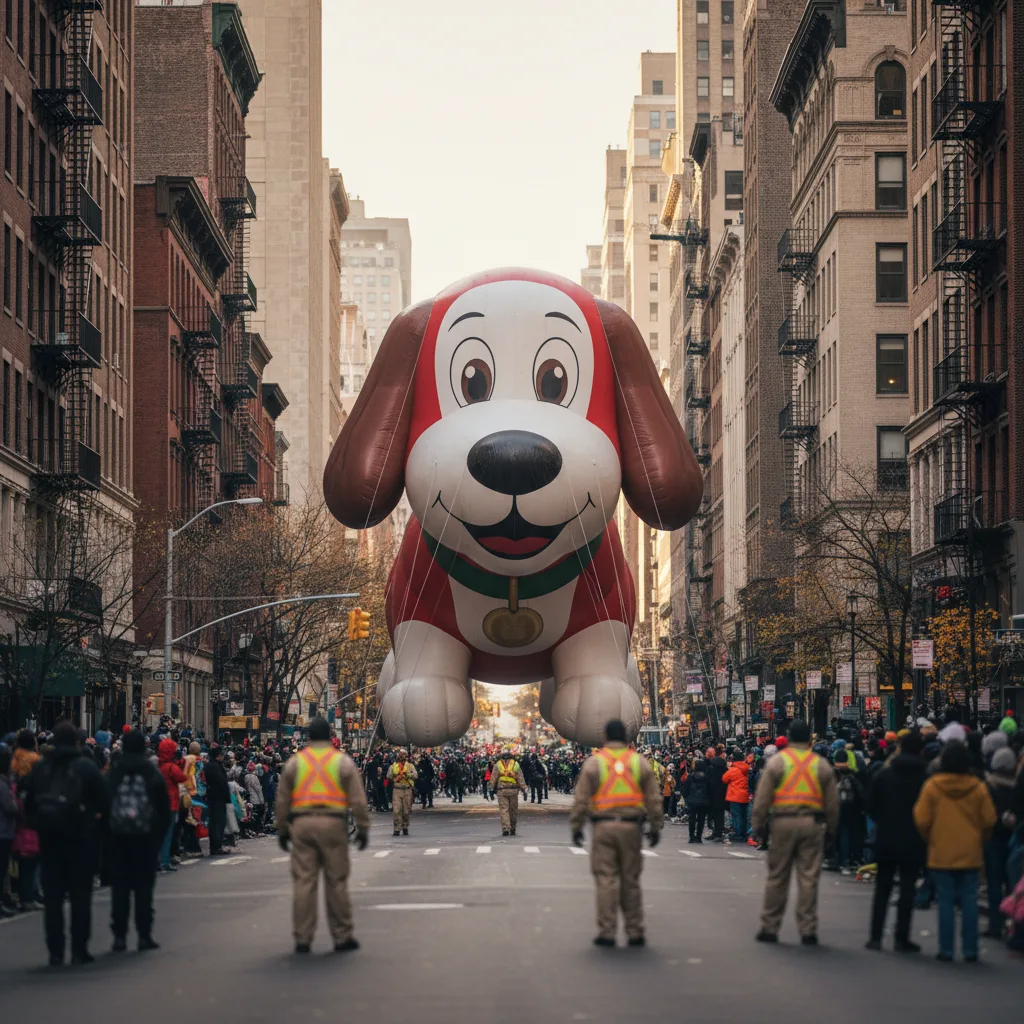
Macy's Thanksgiving Day Parade Kicks Off 100th Celebration in NYC
The 100th annual Macy's Thanksgiving Day Parade commenced at 8:30 AM on Thursday, November 26, 2026, originating from Central Park West and 77th Street.