


NYC "No Kings" Protest Draws Thousands to Central Park

NEW YORK — Thousands of demonstrators converged on New York City's Central Park on Saturday, March 28, 2026, for the highly anticipated "No Kings" protest. The large-scale event, drawing participants from across the Tri-State Area, signaled widespread dissent on various national issues.
The protest began its assembly near Central Park South in the early afternoon, with organizers reporting a turnout exceeding initial estimates. Participants carried signs and chanted slogans, maintaining a generally peaceful atmosphere throughout the demonstration's duration, according to CBS News reporting on the event. The substantial crowd highlighted the deep-seated concerns of a diverse cross-section of the population.
Unprecedented Turnout and Diverse Participants
The "No Kings" protest mobilized an estimated 10,000 individuals, turning sections of Central Park into a sea of signs and banners. Many attendees traveled from New Jersey, Connecticut, and various upstate New York counties, emphasizing the regional resonance of the movement's message. Organizers indicated that the broad participation underscored a collective desire for political change and social justice.
Demonstrators represented a wide array of advocacy groups, including civil rights organizations, environmental protection advocates, and labor unions. This diverse coalition contributed to a multifaceted dialogue, though a unifying thread of opposition to current national leadership was evident across all factions. The peaceful assembly showcased a powerful exercise of democratic rights within the city's iconic green space.
Central Park's Role as a Hub for Dissent
Central Park has long served as a crucial venue for public gatherings and expressions of free speech in New York City. Its vast open spaces and symbolic status make it an ideal location for large-scale demonstrations, drawing both local and national attention. The park's infrastructure, while not explicitly designed for protests, often accommodates these events with careful planning.
Throughout history, the park has witnessed numerous significant protests, from anti-war rallies to environmental movements. This historical context imbues current demonstrations with a sense of continuity, linking contemporary concerns with past struggles for justice. City officials and park authorities frequently coordinate to manage crowd flow and ensure public safety during such events.
Police Presence and Safety Measures
New York Police Department (NYPD) officers were deployed in significant numbers around the perimeter of Central Park and along potential march routes. Their presence was primarily focused on crowd control, traffic management, and maintaining order, preventing any escalation of minor incidents. Officials commended the generally cooperative spirit between protesters and law enforcement throughout the day.
Security checkpoints and designated protest zones were established to facilitate the movement of participants and ensure the safety of both demonstrators and the general public. While some streets adjacent to the park experienced temporary closures, overall disruption to city life was minimized. The careful orchestration of police resources contributed to a safe environment for all involved.
Organizer Statements and Future Plans
Organizers of the "No Kings" protest expressed satisfaction with the day's turnout and the peaceful conduct of participants. A spokesperson for the coalition, speaking at a makeshift podium within the park, articulated the group's ongoing commitment to advocacy and civic engagement. They emphasized that this demonstration was a significant step in a larger, sustained effort to influence policy and public discourse.
Future events, including smaller local actions and digital campaigns, are reportedly being planned to maintain momentum following the Central Park rally. The coalition aims to translate the energy and solidarity observed on March 28 into concrete policy changes. Further details on upcoming activities are expected to be announced in the coming weeks.
Impact on Local Businesses and Commuters
While the protest remained largely confined to designated areas within Central Park and nearby avenues, some local businesses experienced altered foot traffic patterns. Establishments on Central Park South and adjacent streets reported a mix of increased business from demonstrators and decreased patronage from regular weekend visitors. Commuters faced minor delays due to temporary street closures and rerouted bus lines, with the Metropolitan Transportation Authority (MTA) issuing advisories. The city's transit system adapted efficiently, minimizing long-term impacts on travel across Manhattan. For more details on the protest, visit CBS News.
Frequently Asked Questions About NYC Protests
What are the primary goals of the "No Kings" protest? The "No Kings" protest aims to challenge current national policies and leadership, advocating for a range of issues including civil liberties, economic justice, and environmental protection. Organizers articulated a broad platform designed to unite diverse activist groups under a common cause for systemic change. What is the typical police response to large demonstrations in Central Park? The NYPD typically deploys a significant but non-confrontational presence during large Central Park demonstrations, focusing on crowd management, public safety, and traffic control. Their strategy often involves establishing perimeters and facilitating peaceful assembly while ensuring park rules are followed. How does Central Park accommodate such large gatherings? Central Park's expansive lawns and open areas are well-suited for large crowds, with the Central Park Conservancy working alongside city agencies to manage logistics. This includes planning for ingress and egress, waste management, and protecting park landscaping during high-attendance events. Are there any restrictions on protesting in Central Park? While Central Park is a public space affirming free speech, protests require permits for large gatherings, sound systems, or structures to ensure public safety and minimize park impact. Smaller, spontaneous gatherings often occur without prior notification, but large organized events typically coordinate with city and park authorities. How do New Yorkers generally perceive these large-scale protests? Public perception of large protests in New York City is often mixed, with strong support from those aligned with the cause and some frustration from residents and businesses impacted by temporary disruptions. Many New Yorkers, however, recognize the city's historical role as a center for activism and free expression.
Related Articles
More in Urban Policy & Development →
NYC Mayor Mamdani Booed at Union Square October 7 Vigil
Mayor Mamdani faced boos and protests at a Union Square vigil Thursday marking the Oct. 7 attacks, highlighting deep community divisions in NYC.
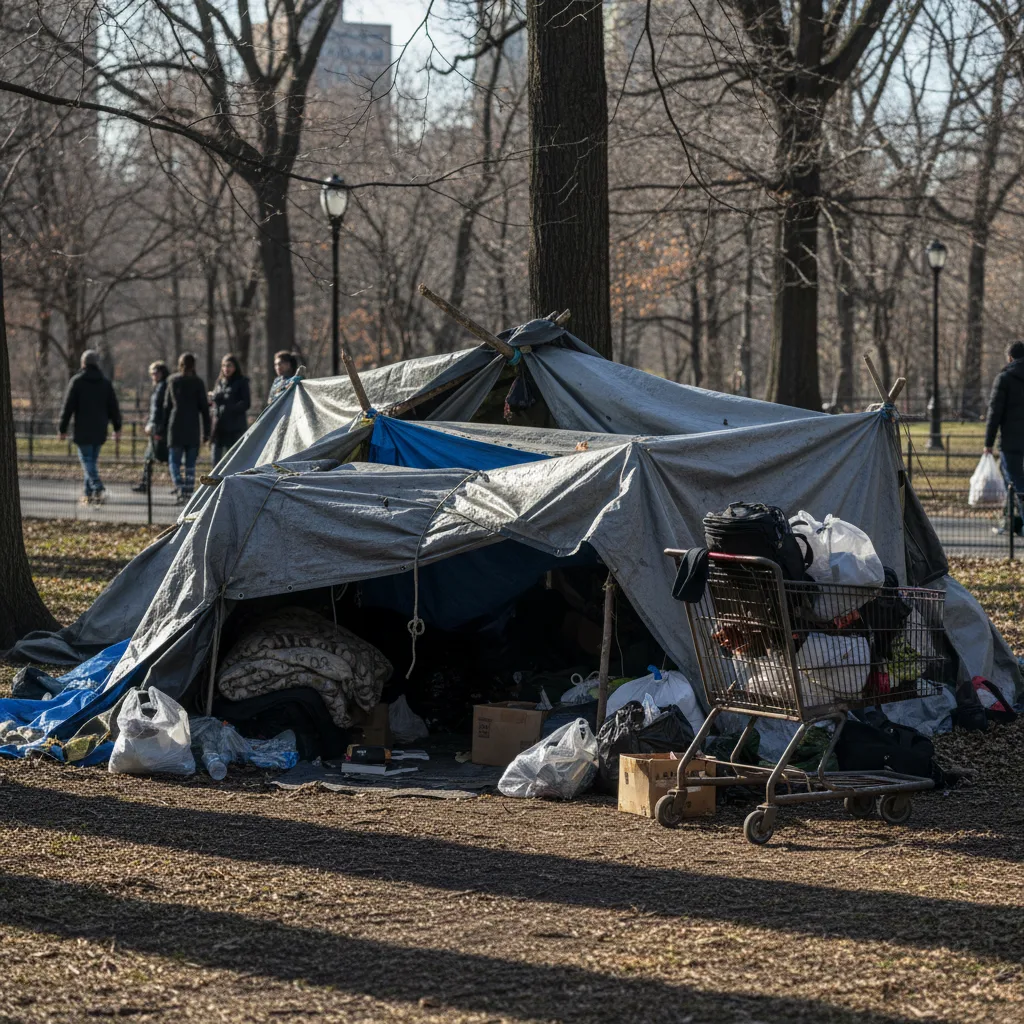
NYC Homeless Encampments Spotted Across Manhattan, Raising Concerns
Multiple homeless encampments have been spotted across Manhattan, raising significant concerns about urban policy and public safety. City officials are under pressure to address the growing homelessness crisis.
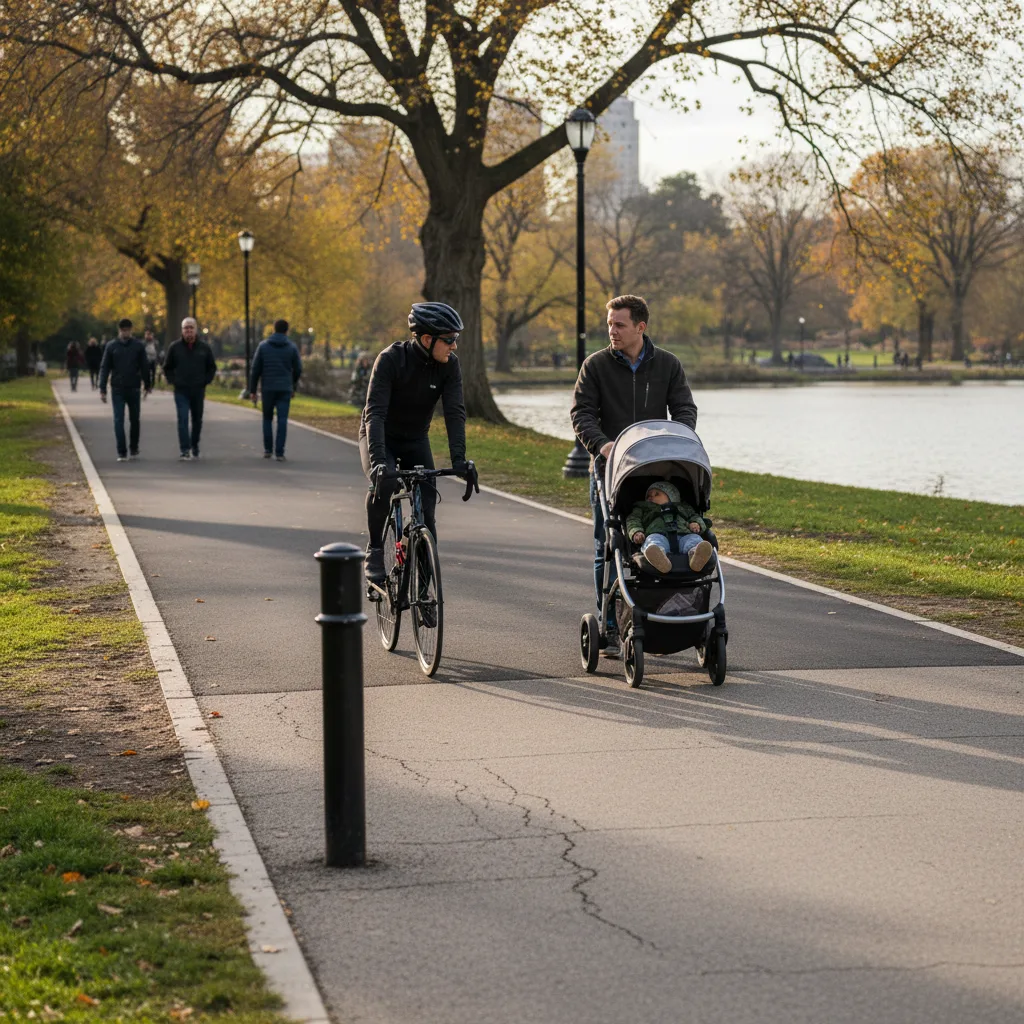
Safety Advocate Blames Park Redesign for Rising Central Park Cyclist Crashes
Safety advocates blame recent Central Park redesigns for a pedestrian's death and rising cyclist crashes, calling for urgent review of infrastructure.
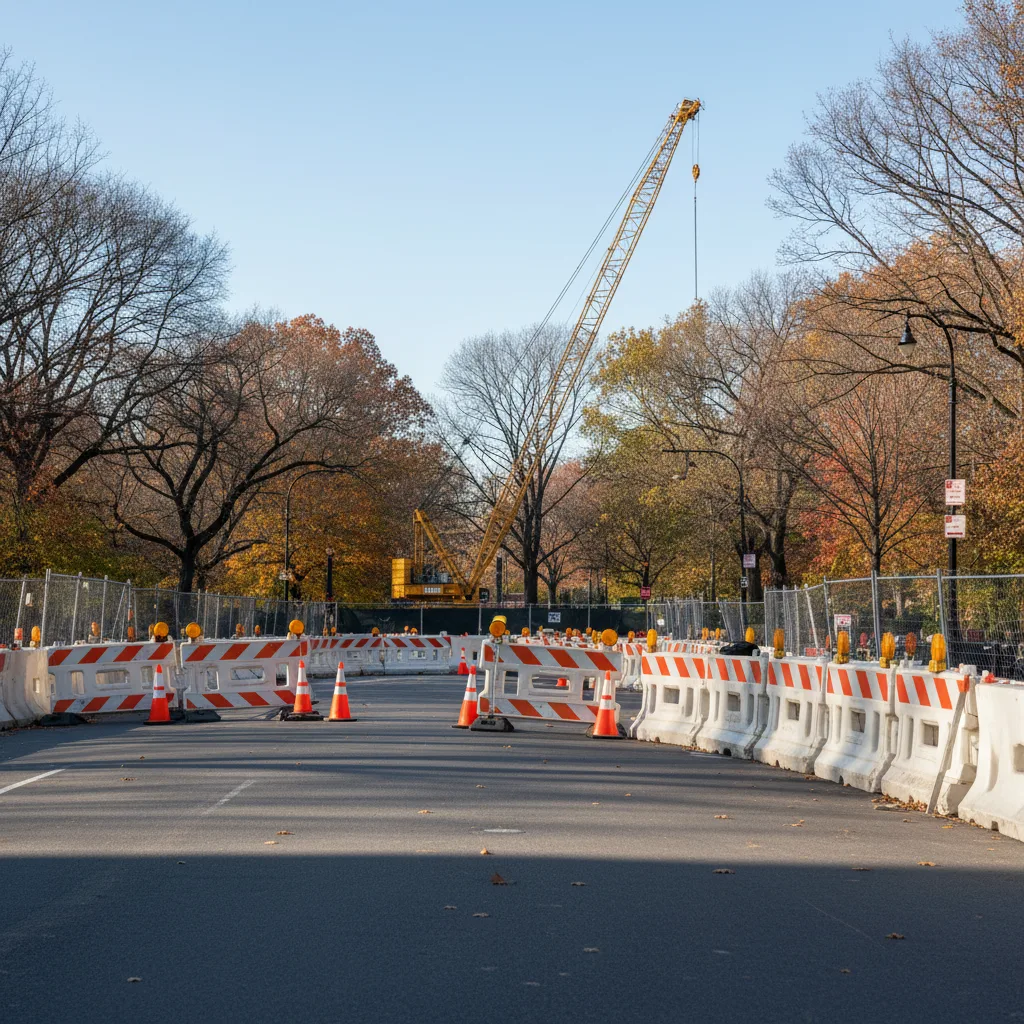
NYC DOT Advises Central Park Area Traffic Disruptions September 27
NYC DOT issued advisories for major traffic disruptions near Central Park on September 27, 2026, due to a parade and crane operations. Expect delays.

Davis Center at Harlem Meer Unveils State-of-the-Art Facilities
The new Davis Center at the Harlem Meer in Central Park's north end now features a state-of-the-art pool, ice rink, and multi-use turf field, enhancing community recreational options.
NYC City Record Confirms September 21, 2026, Publication Schedule
The NYC City Record confirmed its September 21, 2026, publication schedule, detailing administrative notices, procurement, and public hearings. This ensures transparency for municipal operations and public access to vital city information.