


NYC Parks Commissioner Proposes Full Car Ban for Central Park

NEW YORK — In a significant policy shift, New York City Parks Commissioner Sue Ann Levy announced a comprehensive plan on March 31, 2026, to fully prohibit private vehicle traffic from all city parks, including the iconic Central Park. The proposal aims to enhance pedestrian safety, reduce air pollution, and restore green spaces to their original tranquil design, a move long championed by environmental advocates and park conservancies.
Commissioner Levy, speaking at a press conference held near the Naumburg Bandshell, underscored the city's commitment to prioritizing public health and ecological preservation. She acknowledged the logistical challenges but stressed the long-term benefits for millions of New Yorkers and tourists who frequent the park annually. This initiative follows years of advocacy from groups like the Central Park Conservancy, which has consistently argued for a car-free environment.
Decades of Debate: The Road to Car-Free Parks
The debate over vehicle access in Central Park dates back decades, with various administrations attempting partial bans or restricted hours. Currently, certain roadways within Central Park, particularly the West Drive and East Drive, are closed to private vehicles during specific hours, but commercial and city-permitted vehicles often still traverse the park. The new proposal seeks to eliminate nearly all vehicular movement, except for emergency services and essential maintenance operations.
According to the Central Park Conservancy, vehicular traffic contributes significantly to noise pollution and diminishes the park's intended purpose as a sanctuary from urban life. "Our goal is to return Central Park to its rightful owners: the pedestrians, cyclists, and horse-drawn carriages," stated Elizabeth K. Smith, President of the Central Park Conservancy, in a public statement released March 31, 2026. This bold initiative represents the culmination of sustained public pressure and evolving urban planning philosophies centered on sustainability.
Implementation Challenges and Public Response
Implementing a full car ban presents considerable logistical hurdles, including rerouting significant traffic flows around the park's perimeter and addressing the concerns of local businesses and residents who rely on park drives for transit. City officials anticipate a period of adjustment for commuters and delivery services, with new signage and public awareness campaigns planned for late 2026. Early public reaction has been mixed, reflecting both enthusiastic support and apprehension about traffic displacement onto surrounding avenues.
Many residents living adjacent to the park, particularly along Fifth Avenue and Central Park West, express concerns about increased congestion on their thoroughfares. "While I appreciate the sentiment, rerouting thousands of cars around the park could make our local streets unbearable," commented Michael Chen, a resident of the Upper West Side, to reporters outside the press event. The Department of Transportation is currently studying traffic impact reports to develop mitigation strategies, including potential adjustments to traffic light timings and public transportation improvements.
Economic and Environmental Impact Projections
Beyond environmental benefits, the proposed car ban is expected to yield positive economic impacts for the city, particularly in tourism and public health. A recent study commissioned by the Mayor's Office projects a 5-7% increase in park visitation once the ban is fully enacted, translating into millions of dollars in local spending at nearby establishments. Reduced emissions are also forecast to improve air quality, potentially lowering rates of respiratory illnesses in surrounding neighborhoods.
The Central Park Conservancy's press release highlighted that a car-free park creates more usable recreational space, opening up possibilities for new pedestrian pathways and expanded cycling lanes. Additionally, the initiative aligns with broader city goals to reduce New York City's carbon footprint by 30% by 2030, a target that Commissioner Levy reiterated during her announcement. The Conservancy also promotes numerous March events in Central Park, encouraging diverse public engagement with the park's natural and cultural offerings, many of which are disrupted by vehicle presence.
Historical Context: A Century of Park Usage
Historically, Central Park's design by Frederick Law Olmsted and Calvert Vaux envisioned a pastoral escape, with drives primarily for horse-drawn carriages and leisurely strolls. The advent of the automobile introduced an unforeseen challenge to this vision, gradually transforming scenic routes into commuting arteries. Early 20th-century movements also lobbied for reduced vehicle access, though none achieved a complete ban.
The 1960s saw significant public protests against expanded road construction within the park, which successfully halted several projects that would have further encroached upon its natural beauty. "This move is a return to Olmsted's original vision, a truly democratic park free from the intrusion of combustion engines," noted Dr. Eleanor Vance, an urban historian at Columbia University, speaking on the historical precedents for the ban. The city plans to allocate $15 million in the 2027 fiscal year budget for infrastructure adaptations related to the ban.
Next Steps: Public Hearings and Legislative Action
The car ban proposal will now move through a series of public hearings scheduled throughout April and May 2026, offering community groups, businesses, and concerned citizens opportunities to voice their opinions. The City Council is expected to vote on the legislation in early summer, with an anticipated effective date for the full ban by January 1, 2027. If approved, New York City will join other major metropolises in reclaiming central green spaces for non-vehicular use.
"We are confident that, with public input, we can craft a policy that benefits everyone and sets a national standard for urban park management," Commissioner Levy concluded. The Department of Parks and Recreation plans to release detailed traffic redirection plans following the initial public consultation phase. Information on the legislative process and upcoming public forums can be found on the Central Park News website.
Frequently Asked Questions About the Central Park Car Ban
Many local residents are asking about the proposed car ban and its implications. The primary goal of the ban is to improve pedestrian safety and air quality within Central Park by eliminating private vehicular traffic. Emergency services and essential park maintenance vehicles will still be allowed access. The ban is expected to go into effect on January 1, 2027, following public hearings and a City Council vote. The city is developing new traffic management plans for surrounding streets to mitigate potential congestion, with public transportation enhancements also under consideration. This initiative represents a significant step towards a more sustainable and pedestrian-friendly urban environment, reflecting a growing global trend in urban planning and public space management. Questions regarding specific routes or accessibility concerns can be directed to the NYC Department of Transportation or local community boards during the public comment period.
Related Articles
More in Wildlife & Nature →
Central Park Boathouse Bird Watching Tour Offers Educational Experience
Central Park Boathouse offers an educational bird watching tour, providing visitors an opportunity to observe avian species. This experience connects locals with nature, enhancing appreciation for park wildlife.
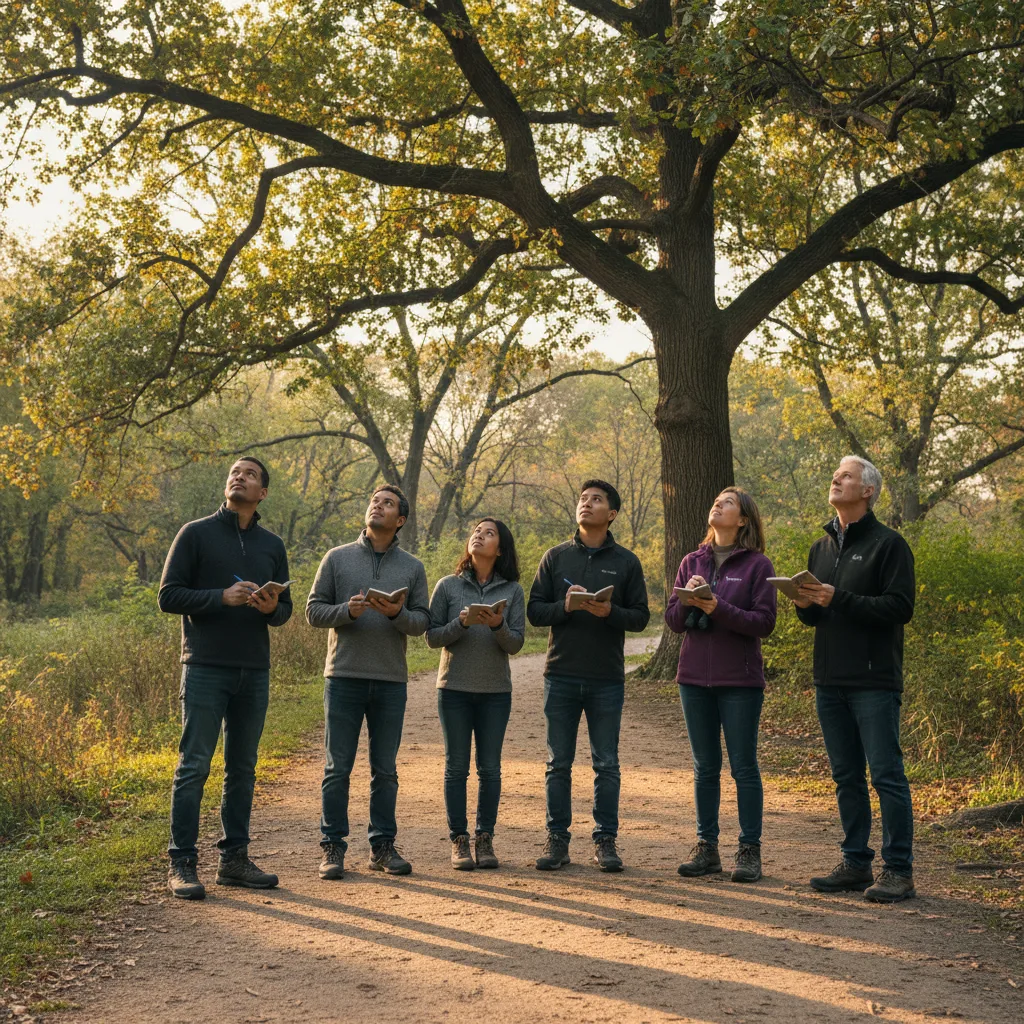
Central Park Event Calendar Features Climate Week Activities September 27
Central Park's event calendar for September 27, 2026, included a Climate Week-aligned "Journal, Meditation, + Bird Walk," promoting environmental awareness.
Wildlife Conservation Society Awards Lovejoy Prize at Central Park Zoo
Wildlife Conservation Society awards 2026 Thomas E. Lovejoy Prize today at Central Park Zoo during Climate Week in New York City.
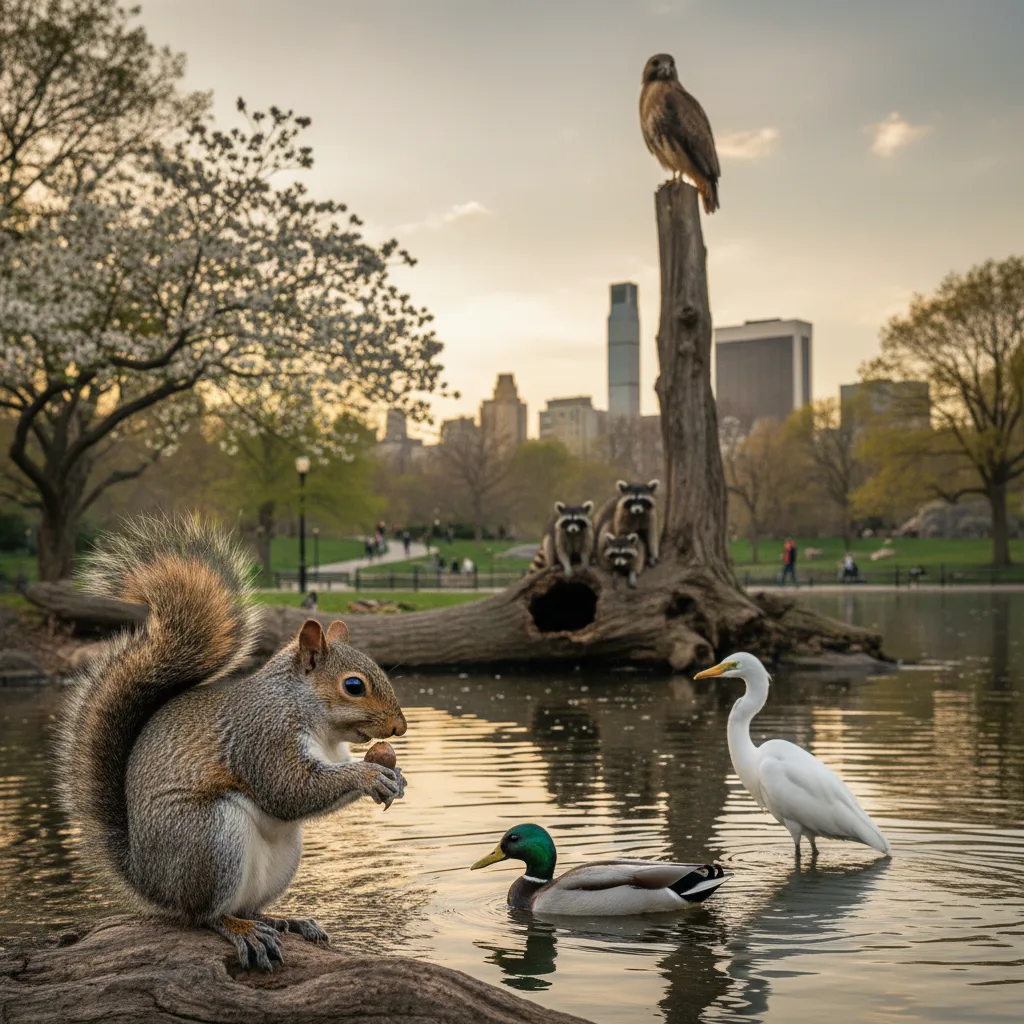
A Guide to Central Park's Wildlife: What to Know About the Park's Animals and Ecosystem
Discover the diverse Central Park wildlife, from birds and mammals to aquatic life. Learn responsible observation tips and conservation efforts for 2026.
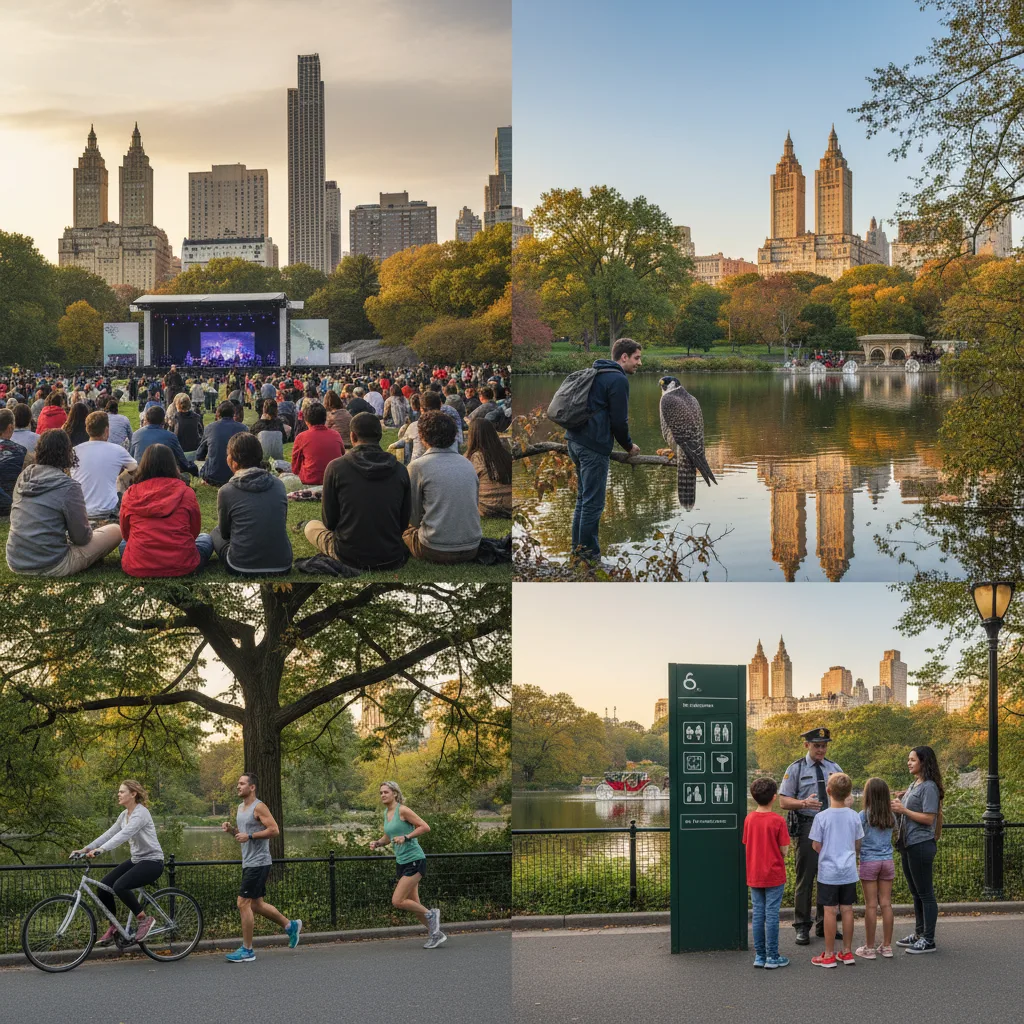
A Guide to Central Park's Top Activities and Best Things to Do in 2026
Discover the best things to do in Central Park, NYC, with our comprehensive 2026 guide to iconic landmarks, activities, and hidden gems for visitors.
A Guide to What to Know About the Vatican Obelisk in Central Park 2026
Discover what to know about the Vatican Obelisk (Cleopatra's Needle) in Central Park, its history, journey to NYC, and where to find it in 2026.