


NYC Parks Announces Self-Directed Beach & Park Clean-Up Program
Enjoying the coverage?
Closures, restorations and park operations news, every Friday. Free; unsubscribe in one click.
Sent every Friday. By subscribing, you agree to our Terms of Use and Privacy Policy.
The Short Version
- NYC Parks, in partnership with the Conference House Park Conservancy, has launched a self-directed beach and park clean-up initiative.
- The program encourages community members to participate in environmental stewardship at various city parks.
- Volunteers can organize their own clean-up efforts on an ongoing basis across participating locations.
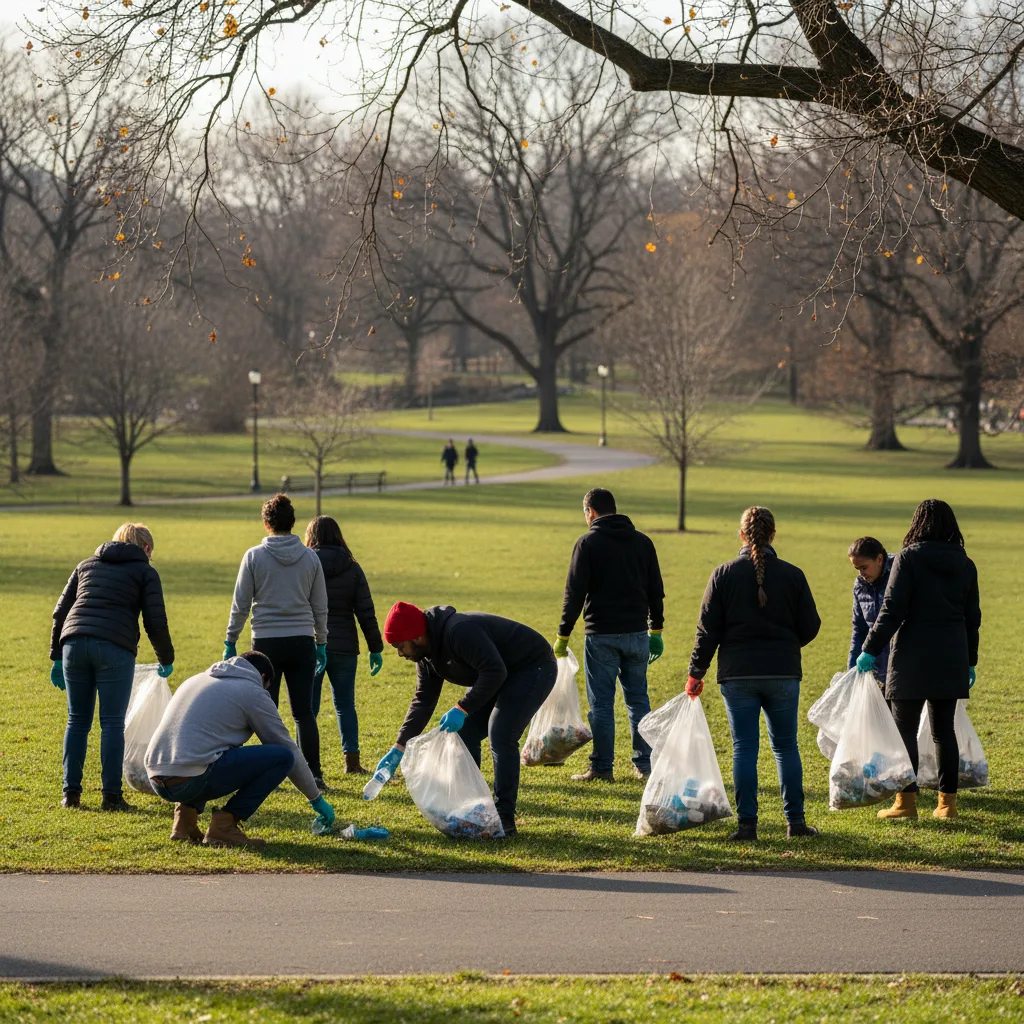
NEW YORK — NYC Parks announced a new self-directed beach and park clean-up initiative Thursday, November 12, 2026, in collaboration with the Conference House Park Conservancy. The program aims to empower local communities to take an active role in maintaining the cleanliness and ecological health of New York City's public spaces.
The Central Park News Friday Briefing
Closures, restorations and park operations news, every Friday. Free; unsubscribe in one click.
Sent every Friday. By subscribing, you agree to our Terms of Use and Privacy Policy.
Ongoing Community Engagement for Park Maintenance
The initiative encourages residents to organize and conduct their own clean-up efforts at designated beach and park locations throughout the city. This self-directed approach provides flexibility for volunteers, allowing them to contribute to environmental stewardship on their own schedules and at their preferred sites. NYC Parks officials expressed optimism that the program will foster a deeper sense of community ownership over local green spaces.
Traditionally, park clean-ups are scheduled events with centralized coordination. This new model decentralizes the effort, relying on individual and small-group volunteerism to achieve broader coverage. Park staff will provide guidance and resources to registered groups, ensuring efforts align with park maintenance standards and safety protocols.
Expanding Environmental Stewardship Across NYC
While the announcement highlights the Conference House Park Conservancy, the program is designed to be scalable and applicable across various NYC Parks locations, including those bordering Central Park. This expansion of community-led conservation efforts is part of a broader strategy by NYC Parks to increase public participation in environmental initiatives. The goal is to make park maintenance a shared responsibility, fostering a cleaner and healthier urban environment.
The self-directed nature of the program seeks to remove barriers to participation, such as fixed schedules or specific meeting points. Residents interested in contributing can now simply choose a location, gather their supplies, and begin their clean-up efforts. This flexibility is particularly valuable for busy New Yorkers looking to make a tangible difference in their local parks.
Impact on Central Park and Urban Ecosystems
For Central Park, while not a beach, similar self-directed clean-up models could be applied to various sections of the park, including its wooded areas like The Ramble or around its water bodies such as the Lake or the Harlem Meer. Maintaining these areas is crucial for supporting urban wildlife and ensuring pleasant experiences for the millions of visitors who enjoy the park annually. Litter and debris can have significant negative impacts on the park’s delicate ecosystems, affecting native plant life and posing risks to animals.
The ongoing nature of the initiative means that parks can be kept consistently cleaner, rather than relying solely on periodic large-scale events. This continuous attention helps prevent the accumulation of waste and maintains the aesthetic and ecological value of Central Park and other urban green spaces. The initiative also aligns with broader city efforts to promote recycling and reduce waste.
Resources and Participation Guidelines
NYC Parks is expected to provide clear guidelines and resources for participants, including information on proper waste disposal, safety recommendations, and areas where clean-up efforts are most needed. Volunteers are encouraged to register their activities with NYC Parks to ensure coordination and to access any available support, such as trash bags or disposal services. Educational materials may also be offered to help volunteers understand the ecological significance of their work and how to identify and protect local flora and fauna during clean-ups.
The program offers a unique opportunity for individuals and groups to directly contribute to the well-being of their community environments. This hands-on approach to local conservation provides tangible results and helps to instill a sense of pride and responsibility among participants. For details on how to join or organize a clean-up, residents are directed to the official NYC Parks events page.
What the Reports Don't Say
- The specific resources NYC Parks will provide to self-directed clean-up groups beyond general guidance have not been fully detailed.
- There is no explicit mention of how the program will track participation or measure the overall impact of self-directed clean-ups across the city.
- Further information regarding specific Central Park areas that might benefit most from this self-directed clean-up model has not been released.
Sources
Compiled by the Central Park News Desk from the sources listed below. AI-assisted; checked against the sources at publication.
- [Official] Events > Nature - NYC Parks (https://www.nycgovparks.org/events/nature/ajax/aggregate/crc32/p1): NYC Parks
Frequently Asked Questions
How can community groups participate in the self-directed clean-up initiative?
Community groups can participate by organizing their own clean-up events at designated city parks and beaches, including potential sites within Central Park. Participants are encouraged to register their activities with NYC Parks to receive guidance and access to resources like trash bags and waste disposal support. This flexible model allows groups to choose their own schedule and location, promoting continuous environmental stewardship.
What are the benefits of a self-directed clean-up program for Central Park?
A self-directed clean-up program for areas like Central Park provides continuous maintenance, helping prevent litter accumulation and preserving the park's ecological health and aesthetic appeal. It empowers local volunteers, fostering a sense of community ownership, and supports wildlife by removing harmful debris. This ongoing effort can significantly enhance the park experience for visitors and protect its natural integrity.
The Central Park News Friday Briefing
Closures, restorations and park operations news, every Friday. Free; unsubscribe in one click.
Sent every Friday. By subscribing, you agree to our Terms of Use and Privacy Policy.
Related Articles
More in Park Operations & Maintenance →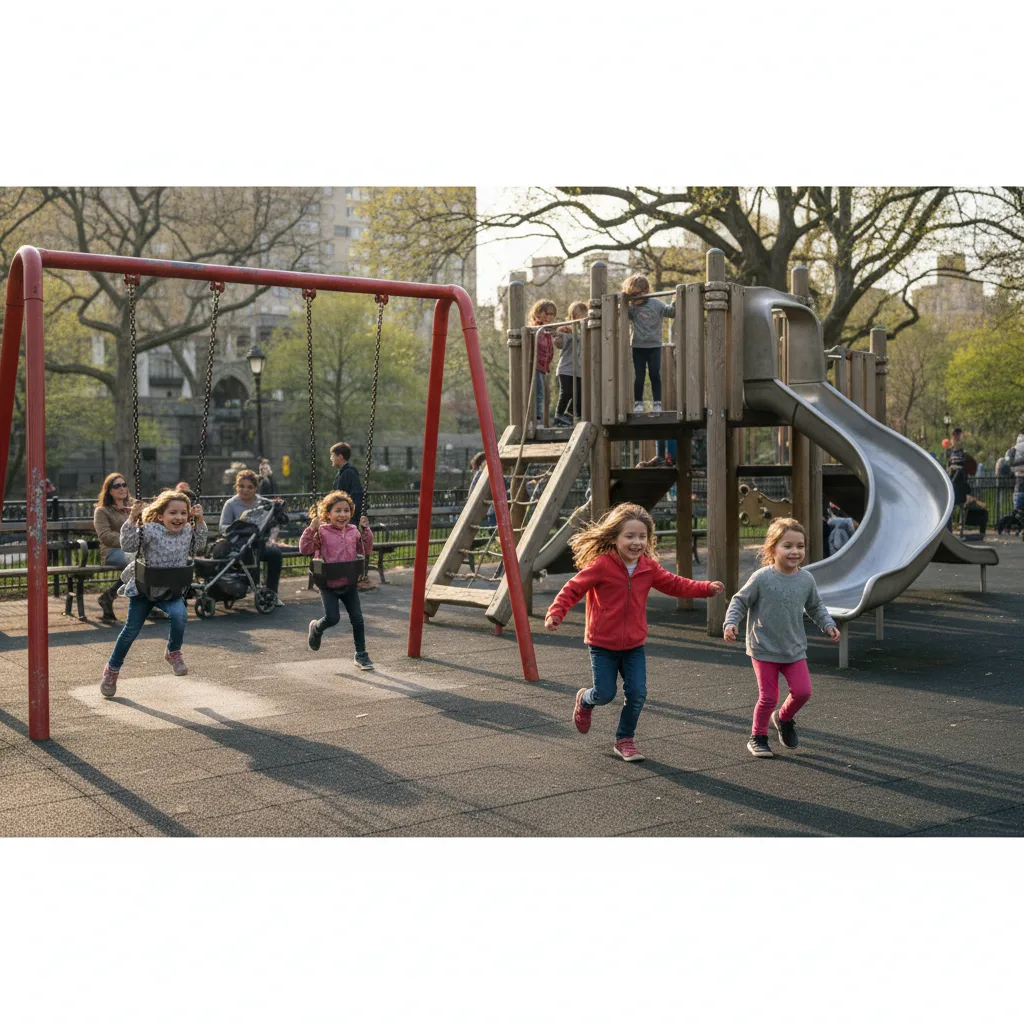
Central Park's Rudin Playground Slated for Major Renovation
The Central Park Conservancy is planning a major renovation of the Rudin Family Playground near West 96th Street and Central Park West.
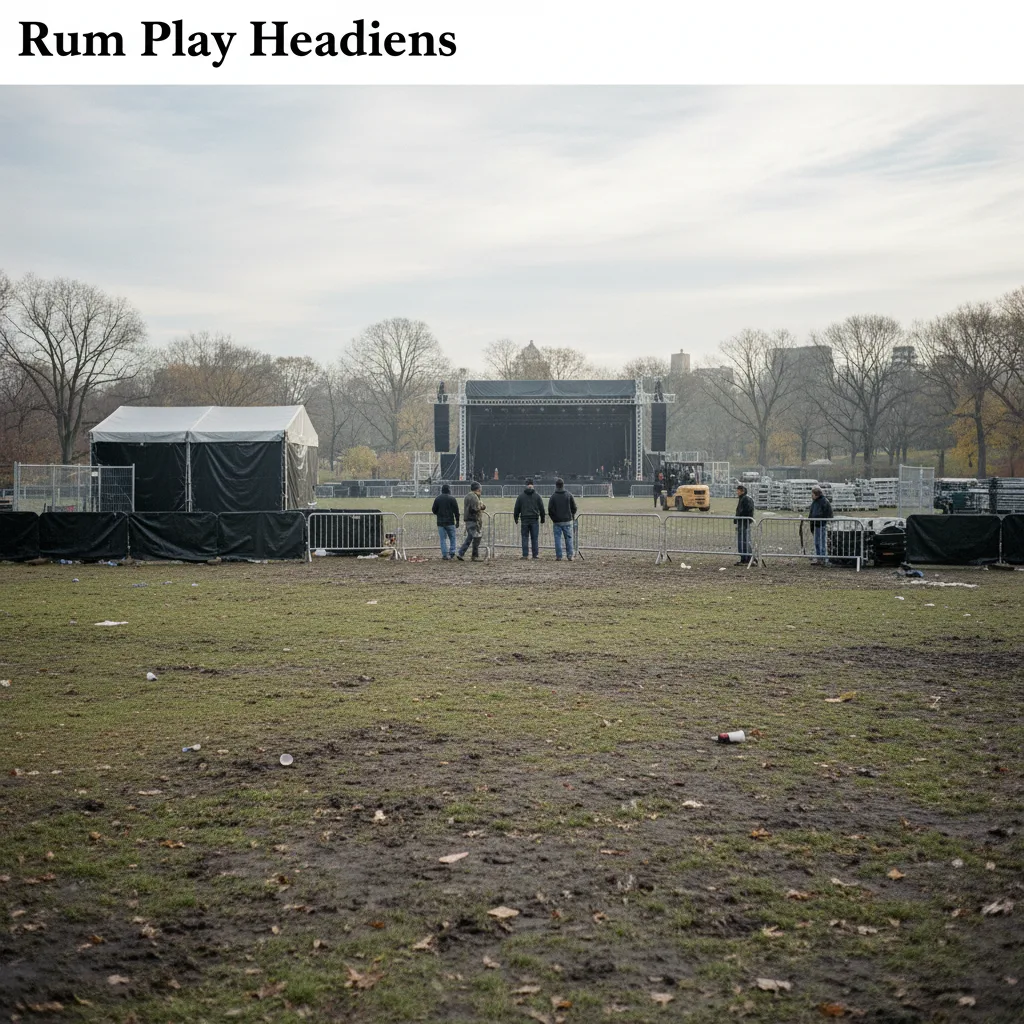
Central Park Conservancy Closes Rumsey Playfield for Fundraiser
The Central Park Conservancy will close Rumsey Playfield from November 13 to November 21, 2026, for a fundraising event.
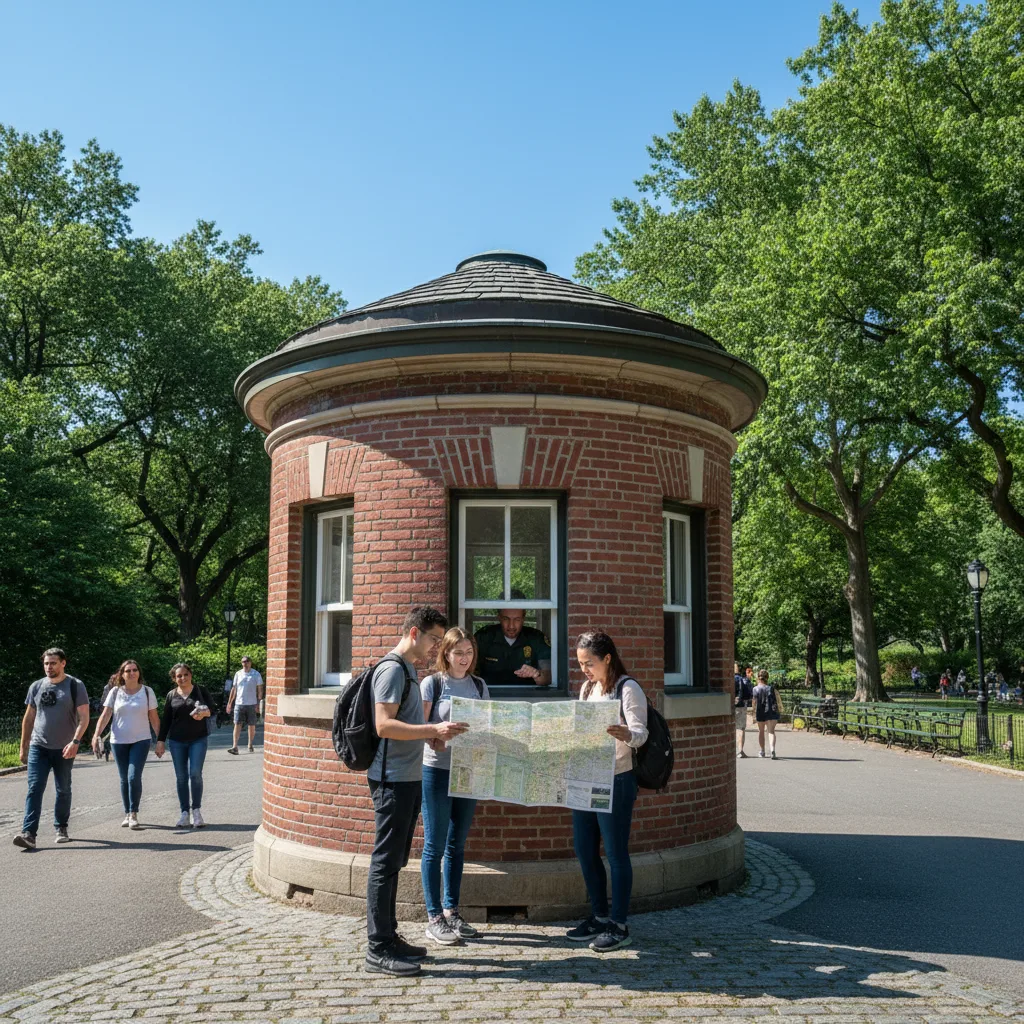
NYC Parks Announces Columbus Circle Kiosk Early Closure November 10
Central Park's Columbus Circle Kiosk and Dairy Visitor Center will close early Tuesday, November 10, at 1:00 p.m. Plan visits accordingly.

Central Park Conservancy Hosts Weekly Walk: The Great Lawn in November 2026
Central Park Conservancy hosts weekly guided walks of The Great Lawn at 12:30 p.m. throughout November 2026. Explore its history and significance.
Jones County Conservation Board Meets at Central Park Nature Center
Jones County Conservation Board meets November 9, 2026, at 6:30 PM at the Central Park Nature Center. Local conservation initiatives and park management will be discussed; public welcome.
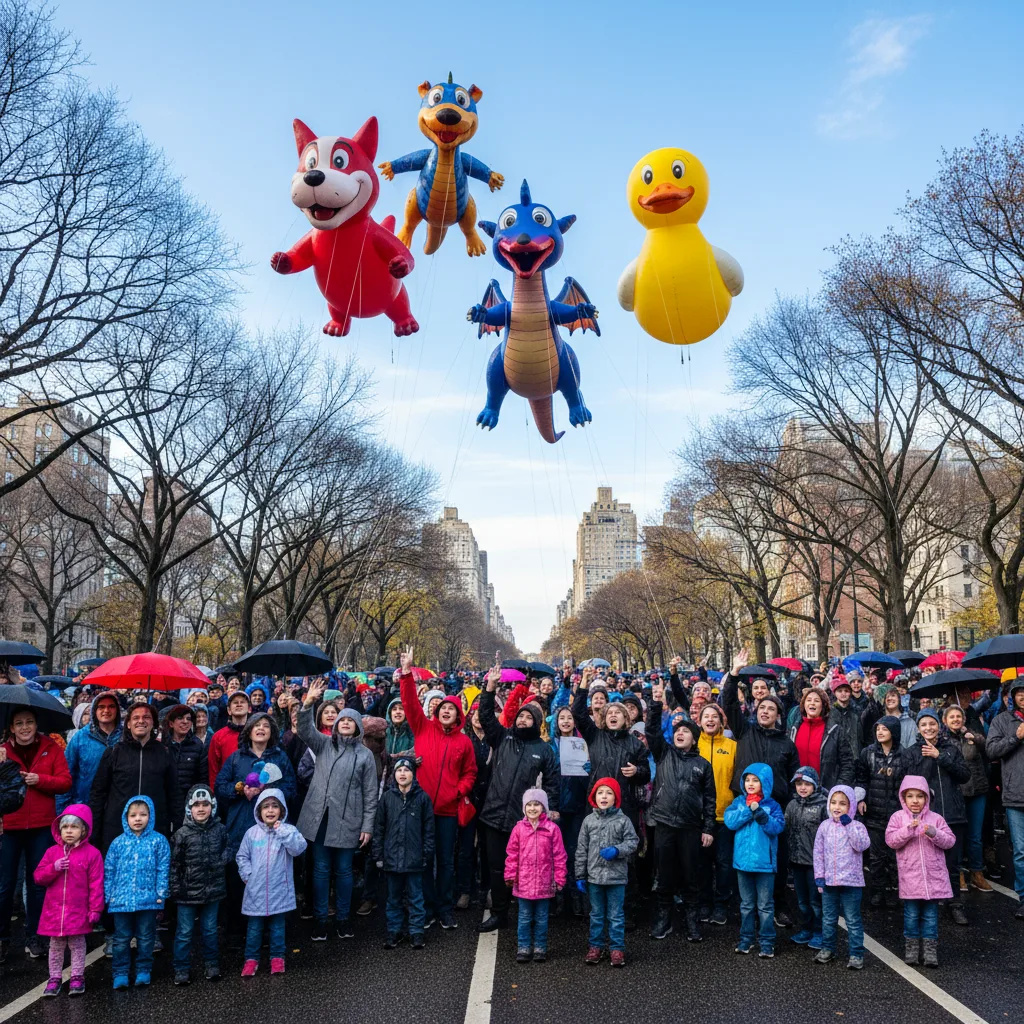
NYC Officials Host Postponed Macy's Parade with 100 Inflatables
New York City officials hosted the 100th Macy's Thanksgiving Day Parade on Saturday, November 28, 2026, after a postponement, featuring 100 inflatables.