


NYC Planning Commission to Review Key Upper West Side Developments Impacting Central Park Vicinity on March 2, 2026
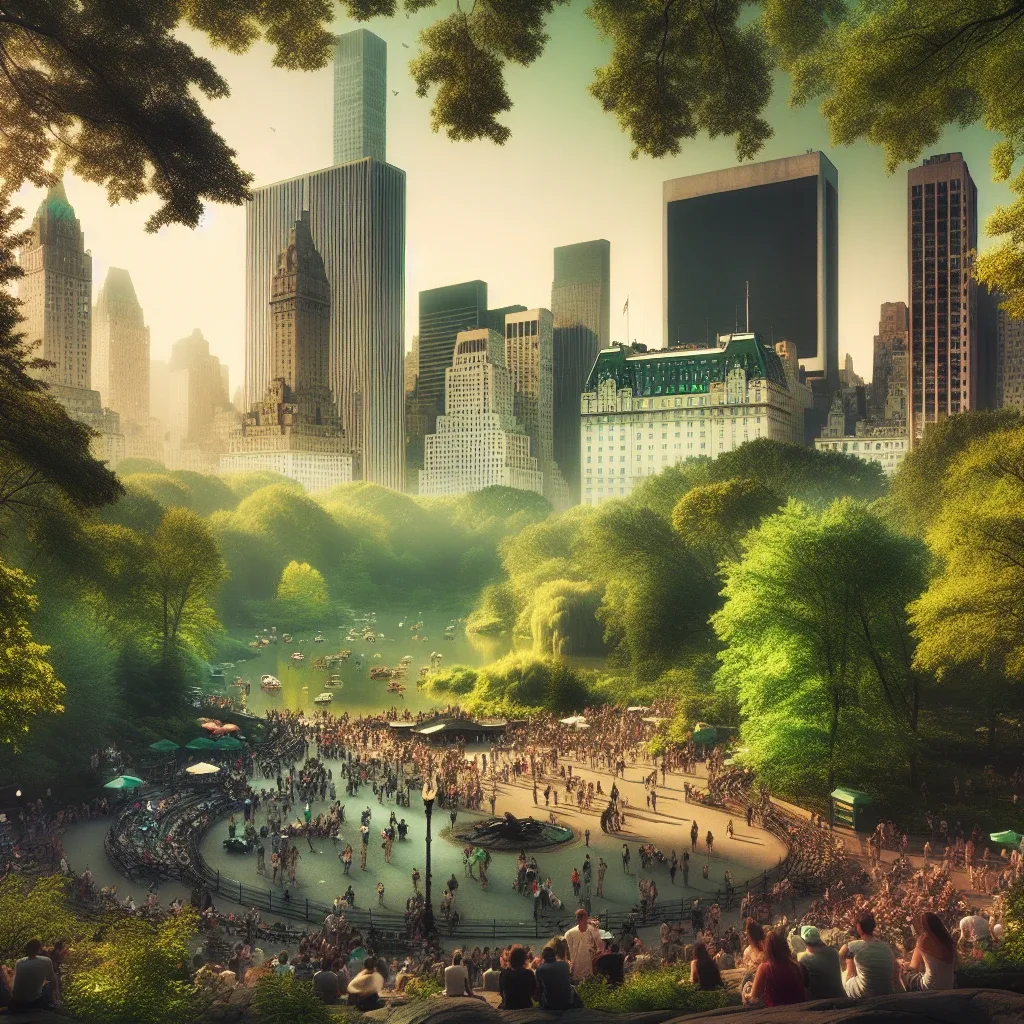
New York City's planning landscape continues to evolve, with the City Planning Commission slated to hold a crucial review session on March 2, 2026. Among the agenda items are several significant proposals for Manhattan Community District 7, located directly bordering the western edge of Central Park. While the session addresses a range of city-wide projects, the proposed developments in close proximity to the park underscore ongoing discussions about urban growth, infrastructure, and their potential implications for Central Park's environmental and aesthetic integrity.
The review session, which will be publicly streamed, is a standard step in the city's Uniform Land Use Review Procedure (ULURP) for major zoning changes and development proposals. For residents and advocates of Central Park, these specific Manhattan proposals represent a critical juncture for ensuring that new construction aligns with the preservation goals for the iconic green space. The focus remains on evaluating how adjacent developments might influence everything from pedestrian access and local traffic patterns to viewsheds and the park's overall ecological balance.
Upper West Side Rezoning Proposals in Focus
One of the specific items on the March 2, 2026 agenda is the review of rezoning proposals within Manhattan Community District 7, including a site located at 326-348 West 108th Street. While the direct details of the proposed changes for this specific address require a deeper dive into the full planning documents, rezoning typically involves modifications to allowed building height, density, and permitted uses within a given area. Such changes can significantly alter the character of a neighborhood, especially when it abuts a major public amenity like Central Park.
Historically, the Upper West Side, particularly its blocks nearest to Central Park, has been subject to rigorous planning considerations due to its established residential character and the importance of its connection to the park. Any proposal that introduces increased building bulk or changes in land use in this sensitive area draws attention from preservation groups, local community boards, and environmental organizations concerned about precedent and cumulative impacts. The Commission's role is to assess these proposals against the city's broader planning objectives, environmental guidelines, and community feedback, which will be collected through various stages of the ULURP process.
Potential Implications for Central Park's Periphery and Experience
The proximity of new developments to Central Park inevitably raises questions about their long-term effects on the park's environment and the experience of its millions of annual visitors. Changes in building height and density, even several blocks away, can affect sunlight penetration into certain parts of the park, alter established skyline views, and place increased demands on local infrastructure, including transportation networks that lead to park entrances.
Beyond direct physical impacts, the evolving urban fabric surrounding Central Park influences its role as an urban oasis. Ensuring seamless and pleasant access points, managing potential increases in surrounding vehicle and foot traffic, and preserving the visual corridor between the park and its historic neighborhoods are all considerations that weigh heavily in the review of such development proposals. The City Planning Commission's session on March 2, 2026, will serve as a platform for these critical evaluations, reflecting the city's ongoing effort to balance growth with the imperative to protect its most cherished public spaces.
Key Points:
- NYC City Planning Commission to review Upper West Side rezoning proposals on March 2, 2026.
- Proposals in Manhattan CD 7, including 326-348 West 108th Street, are near Central Park.
- Review focuses on potential impacts on park access, views, traffic, and overall character.
- Decisions will shape the urban environment surrounding Central Park, highlighting the importance of community input.
Related Articles
More in Urban Policy & Development →
NYC Mayor Mamdani Booed at Union Square October 7 Vigil
Mayor Mamdani faced boos and protests at a Union Square vigil Thursday marking the Oct. 7 attacks, highlighting deep community divisions in NYC.
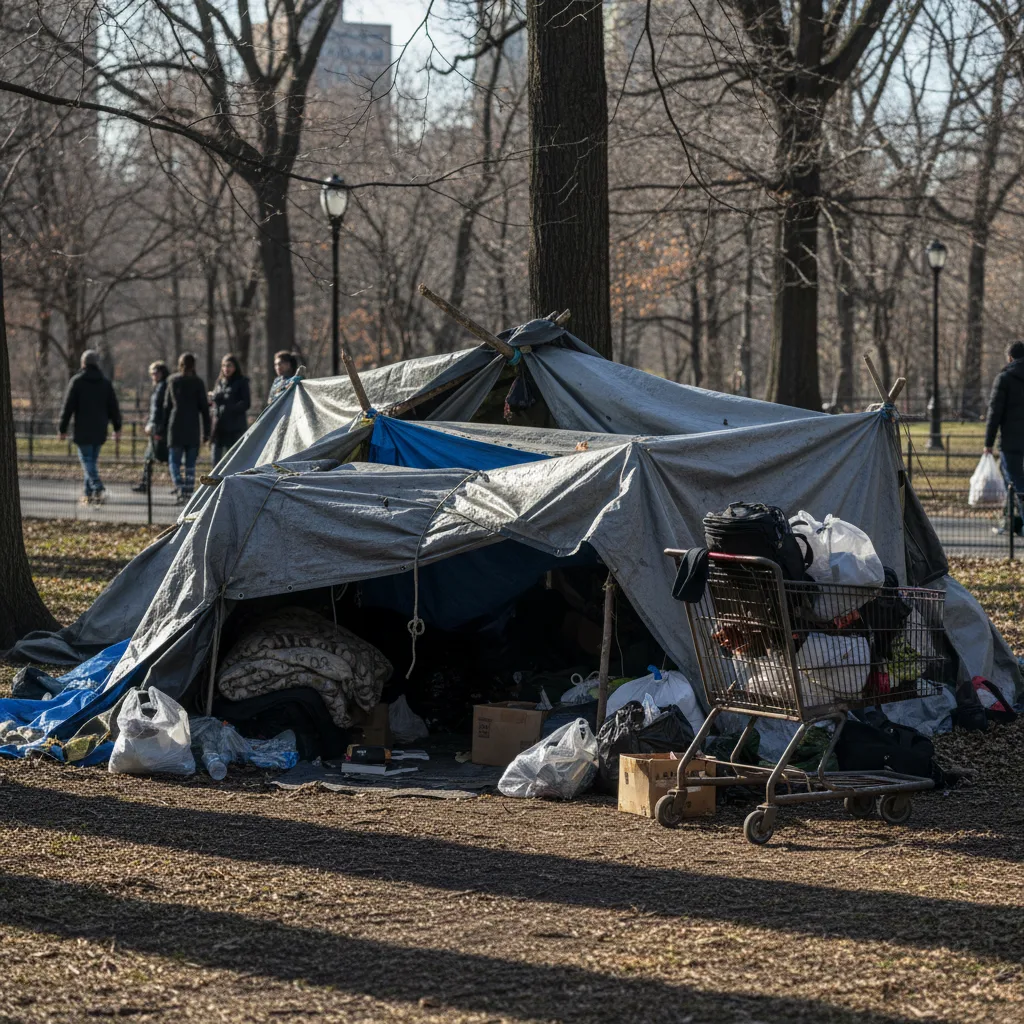
NYC Homeless Encampments Spotted Across Manhattan, Raising Concerns
Multiple homeless encampments have been spotted across Manhattan, raising significant concerns about urban policy and public safety. City officials are under pressure to address the growing homelessness crisis.
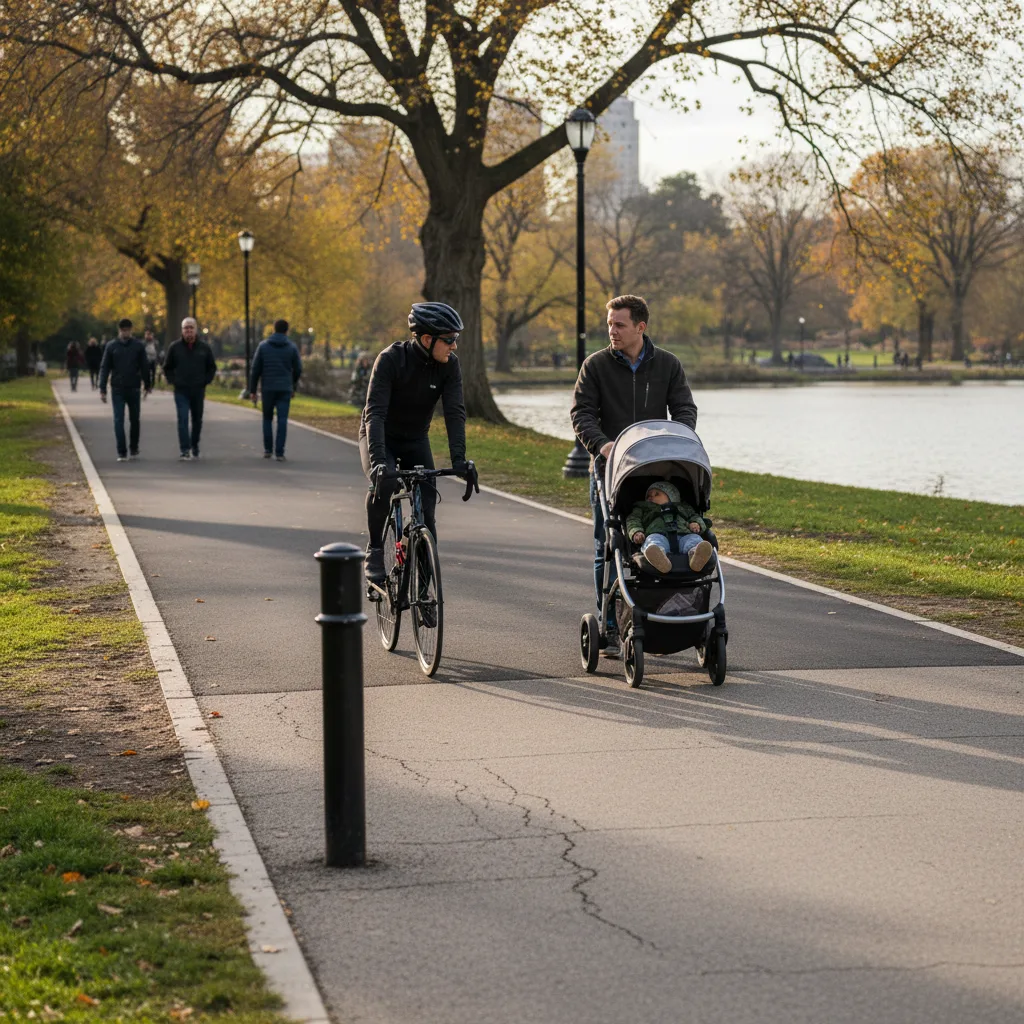
Safety Advocate Blames Park Redesign for Rising Central Park Cyclist Crashes
Safety advocates blame recent Central Park redesigns for a pedestrian's death and rising cyclist crashes, calling for urgent review of infrastructure.
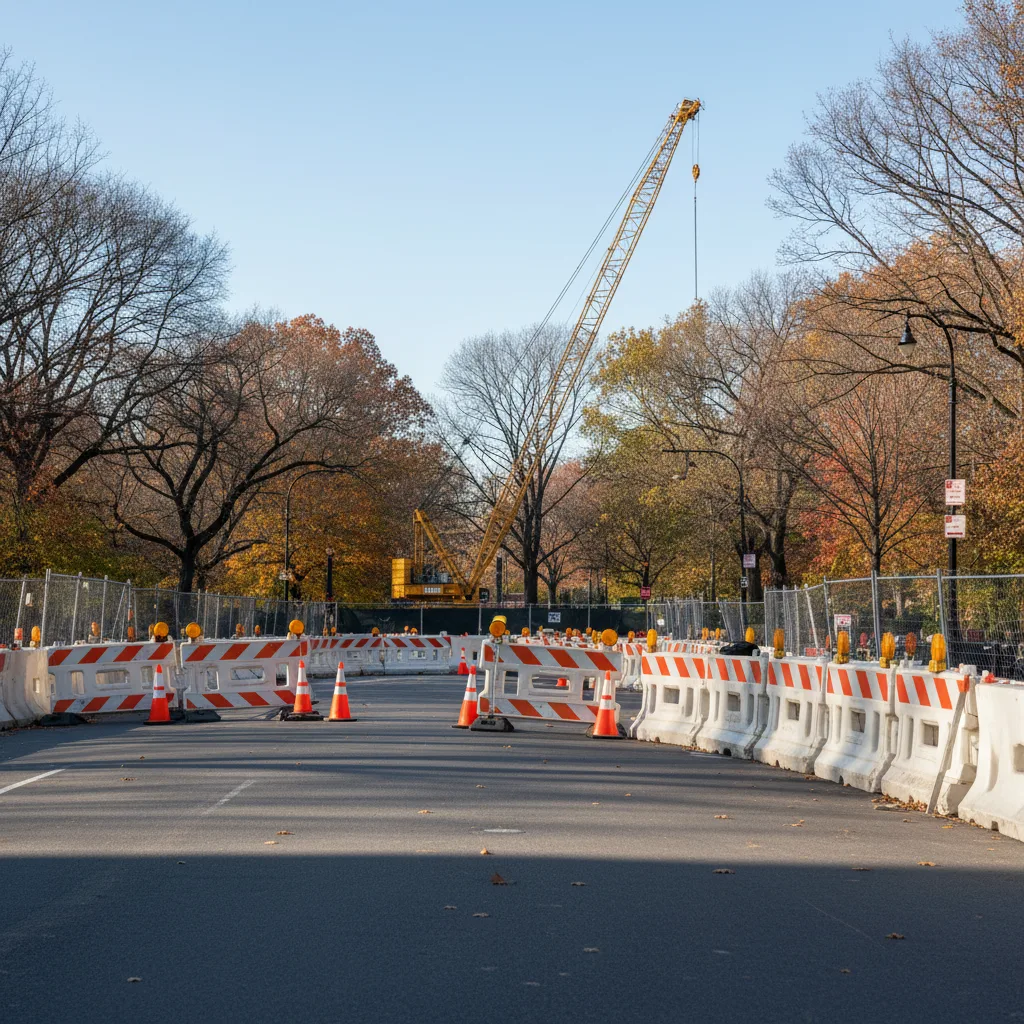
NYC DOT Advises Central Park Area Traffic Disruptions September 27
NYC DOT issued advisories for major traffic disruptions near Central Park on September 27, 2026, due to a parade and crane operations. Expect delays.
Davis Center at Harlem Meer Unveils State-of-the-Art Facilities
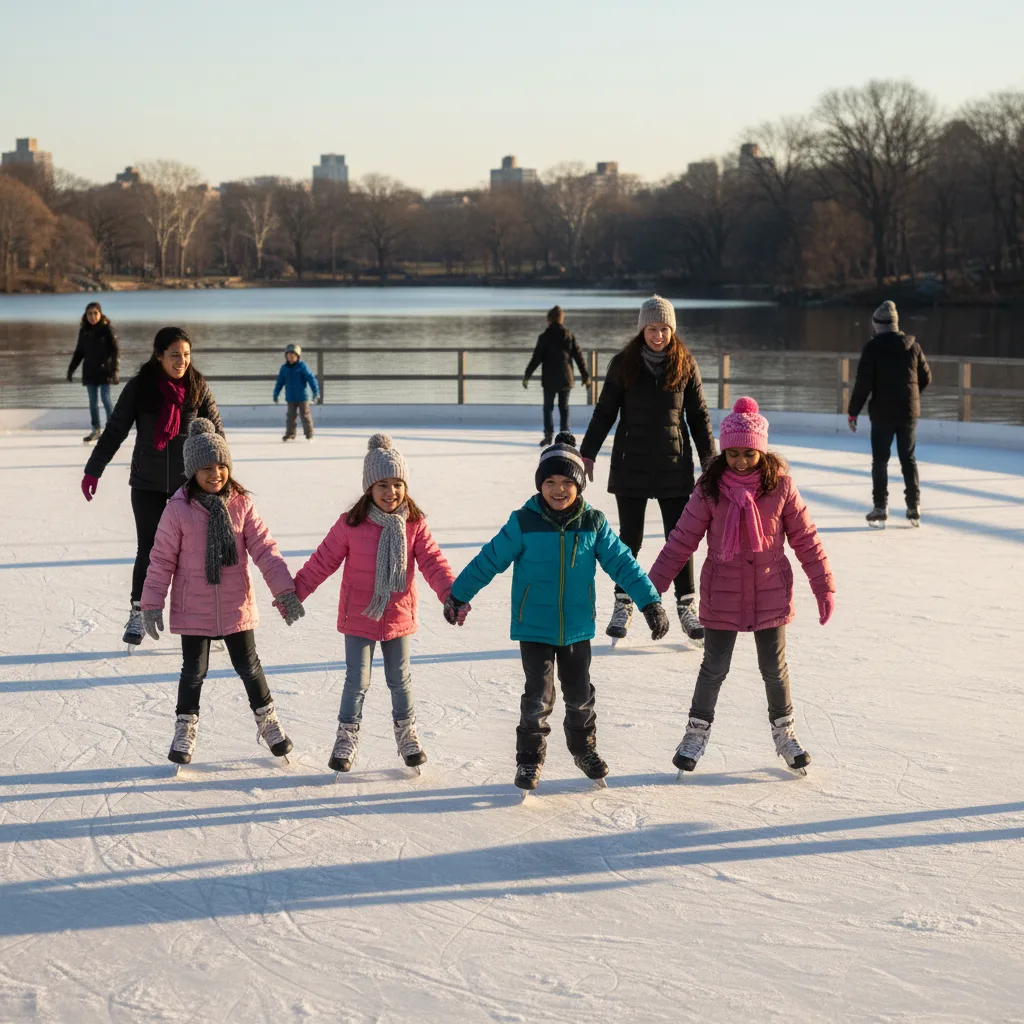
The new Davis Center at the Harlem Meer in Central Park's north end now features a state-of-the-art pool, ice rink, and multi-use turf field, enhancing community recreational options.
NYC City Record Confirms September 21, 2026, Publication Schedule
The NYC City Record confirmed its September 21, 2026, publication schedule, detailing administrative notices, procurement, and public hearings. This ensures transparency for municipal operations and public access to vital city information.