


NYC Protest: Thousands March Near Central Park South March 28, 2026
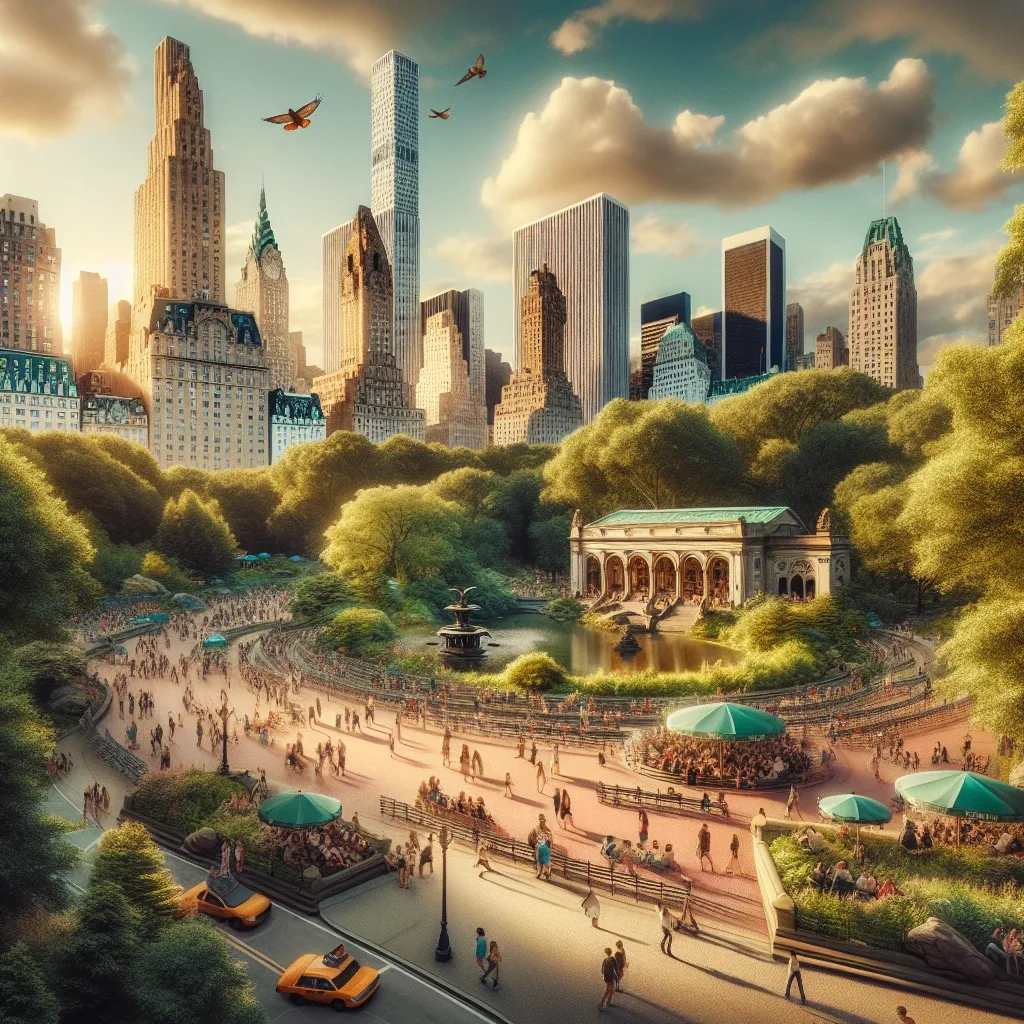
NEW YORK — Thousands of demonstrators converged on New York City on Saturday, March 28, 2026, participating in a widespread "No Kings" protest that saw significant activity near Central Park South. The massive gathering brought together individuals from across the Tri-State Area, expressing concerns over perceived governmental overreach and advocating for various political reforms.
Organizers had anticipated a substantial turnout, with the protest route strategically planned to maximize visibility and impact. Law enforcement officials reported that while the demonstration was largely peaceful, its sheer scale led to considerable disruptions to urban life, particularly in the immediate vicinity of Central Park's southern perimeter, a historically significant location for public assembly.
Mass Mobilization Impacts Midtown Traffic
The "No Kings" protest, characterized by its grassroots organization and diverse participant base, began its main march route earlier in the day, culminating in a significant presence near Central Park South. Participants carried banners and chanted slogans reflecting their collective dissatisfaction with current political landscapes, drawing attention to issues ranging from civil liberties to economic disparities.
According to CBS News, the gathering was one of the largest political demonstrations seen in New York City in recent years, affecting traffic flow throughout Midtown Manhattan for several hours. Commuters and local businesses were advised to prepare for delays and adjust their plans accordingly, with many opting for public transportation or alternative routes around the protest zone.
Central Park as a Backdrop for Dissent
Central Park, an iconic urban green space, frequently serves as a backdrop for both celebratory events and public dissent, and March 28, 2026, was no exception. The southern entrance of the park, including areas along Grand Army Plaza and Columbus Circle, became a focal point where numerous speeches and informal gatherings took place.
Demonstrators utilized the expansive public spaces adjacent to the park to organize before and after the main march, creating a vibrant, albeit crowded, atmosphere. The strategic location near commercial hubs and residential areas ensured that the protest garnered significant attention from both local residents and international media observers, amplifying its message beyond city limits.
Law Enforcement and Public Safety Measures
New York City Police Department (NYPD) deployed a substantial number of officers to manage the protest, ensuring public safety and maintaining order throughout the day. Barricades were erected along key avenues and intersections to control crowd movement and minimize potential conflicts, particularly in high-density areas.
NYPD officials, speaking to local media, emphasized their commitment to facilitating peaceful assembly while upholding city ordinances and traffic regulations. The department's proactive measures aimed to strike a balance between protesters' rights and the daily operations of the bustling metropolis, a complex undertaking given the scale of the "No Kings" demonstration.
Community Reactions and Local Business Concerns
The large-scale protest elicited a range of reactions from the Central Park neighborhood's residents and business owners. Many residents expressed support for the demonstrators' right to protest, acknowledging the importance of civic engagement in a democratic society.
However, concerns were also raised regarding the impact on local commerce and daily routines, with some businesses experiencing reduced foot traffic due to street closures and perceived congestion. The Central Park Conservancy, while not directly involved in political events, consistently advocates for the preservation of park integrity during large public gatherings, emphasizing respect for its natural and historic landscapes.
Historical Context of NYC Protests
New York City has a rich history of public demonstrations, with Central Park and its surrounding areas often at the heart of significant social and political movements. From anti-war rallies to civil rights marches, the city’s public spaces have long been platforms for expressing collective grievances and advocating for change.
The "No Kings" protest of March 28, 2026, adds another chapter to this enduring legacy, underscoring the city's role as a global forum for civic expression. The demonstration serves as a contemporary example of how urban environments facilitate public discourse and collective action, shaping both local and national narratives on critical issues. Further details on the protest's unfolding can be found through this CBS News report on the protest.
Frequently Asked Questions About the March 28 Protest
The "No Kings" protest on March 28, 2026, near Central Park South involved thousands of demonstrators from across the Tri-State Area. The primary goal of the protest was to voice opposition to perceived governmental overreach and to advocate for various political and social reforms, attracting participants from diverse backgrounds. The protest largely remained peaceful, with significant police presence managing crowd flow and ensuring public safety, although considerable traffic disruptions occurred in Midtown Manhattan, particularly around Central Park's southern entrances. This event marks another notable occasion where Central Park served as a vital backdrop for public expression, drawing parallels to numerous historical demonstrations held within or adjacent to the iconic park. Local residents and businesses experienced both support for civic engagement and concerns about operational disruptions, reflecting the complex impact of large-scale urban protests. Organizers continue to highlight the importance of their message following the widespread media coverage generated by the event.
Related Articles
More in Urban Policy & Development →
NYC Mayor Mamdani Booed at Union Square October 7 Vigil
Mayor Mamdani faced boos and protests at a Union Square vigil Thursday marking the Oct. 7 attacks, highlighting deep community divisions in NYC.
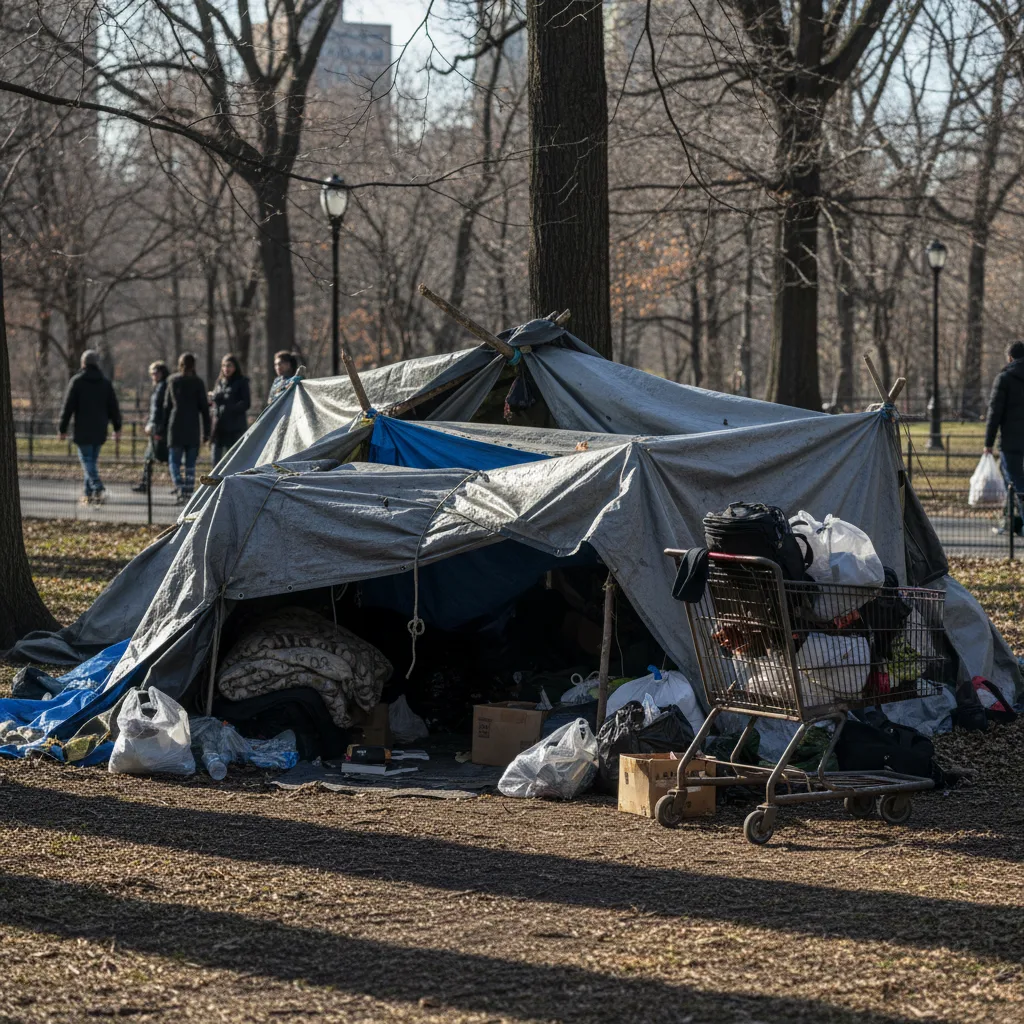
NYC Homeless Encampments Spotted Across Manhattan, Raising Concerns
Multiple homeless encampments have been spotted across Manhattan, raising significant concerns about urban policy and public safety. City officials are under pressure to address the growing homelessness crisis.
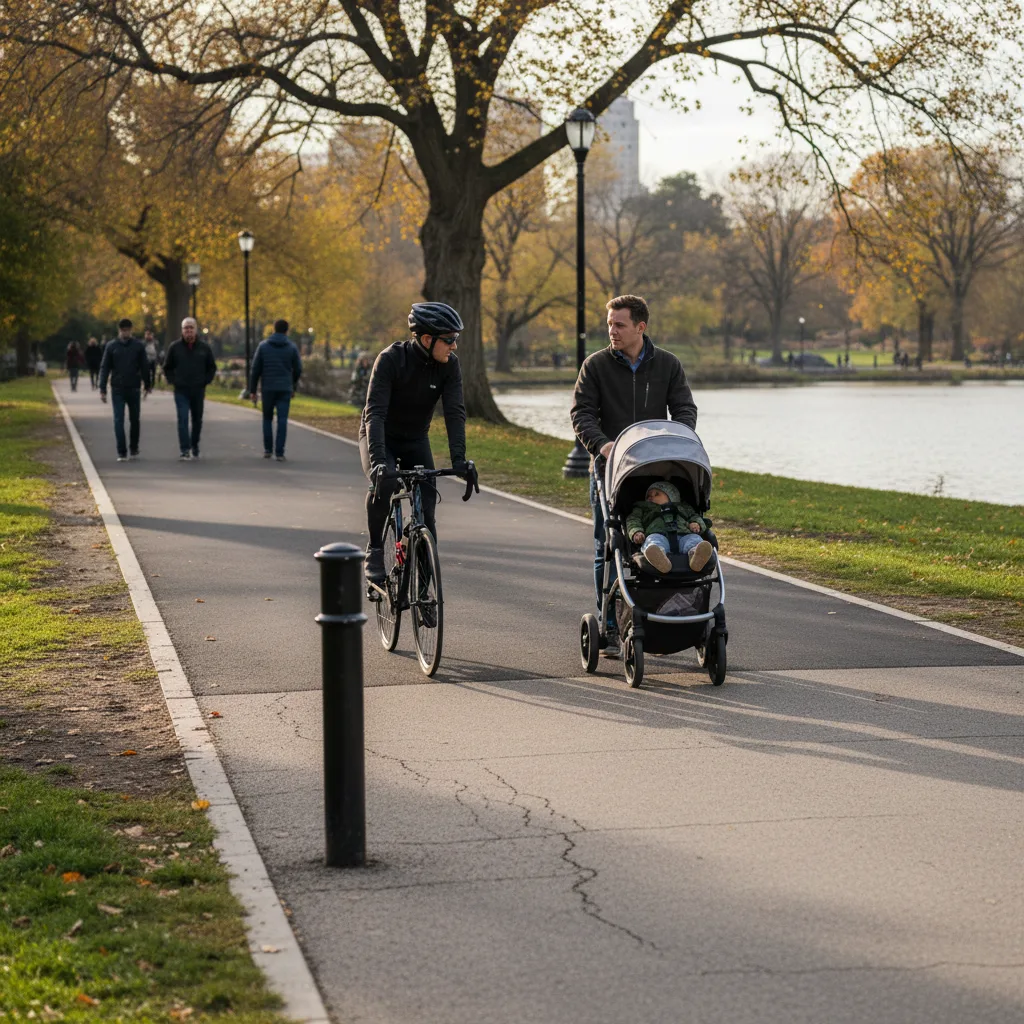
Safety Advocate Blames Park Redesign for Rising Central Park Cyclist Crashes
Safety advocates blame recent Central Park redesigns for a pedestrian's death and rising cyclist crashes, calling for urgent review of infrastructure.
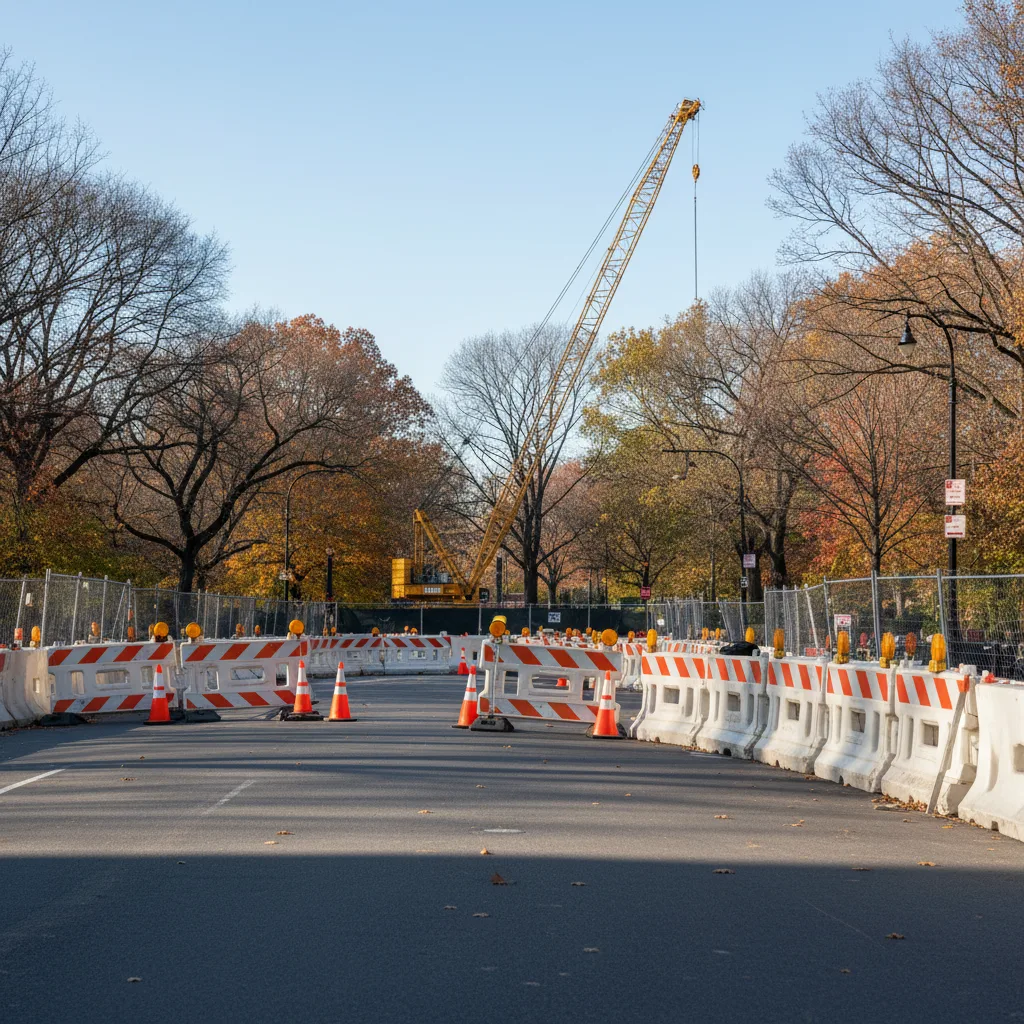
NYC DOT Advises Central Park Area Traffic Disruptions September 27
NYC DOT issued advisories for major traffic disruptions near Central Park on September 27, 2026, due to a parade and crane operations. Expect delays.
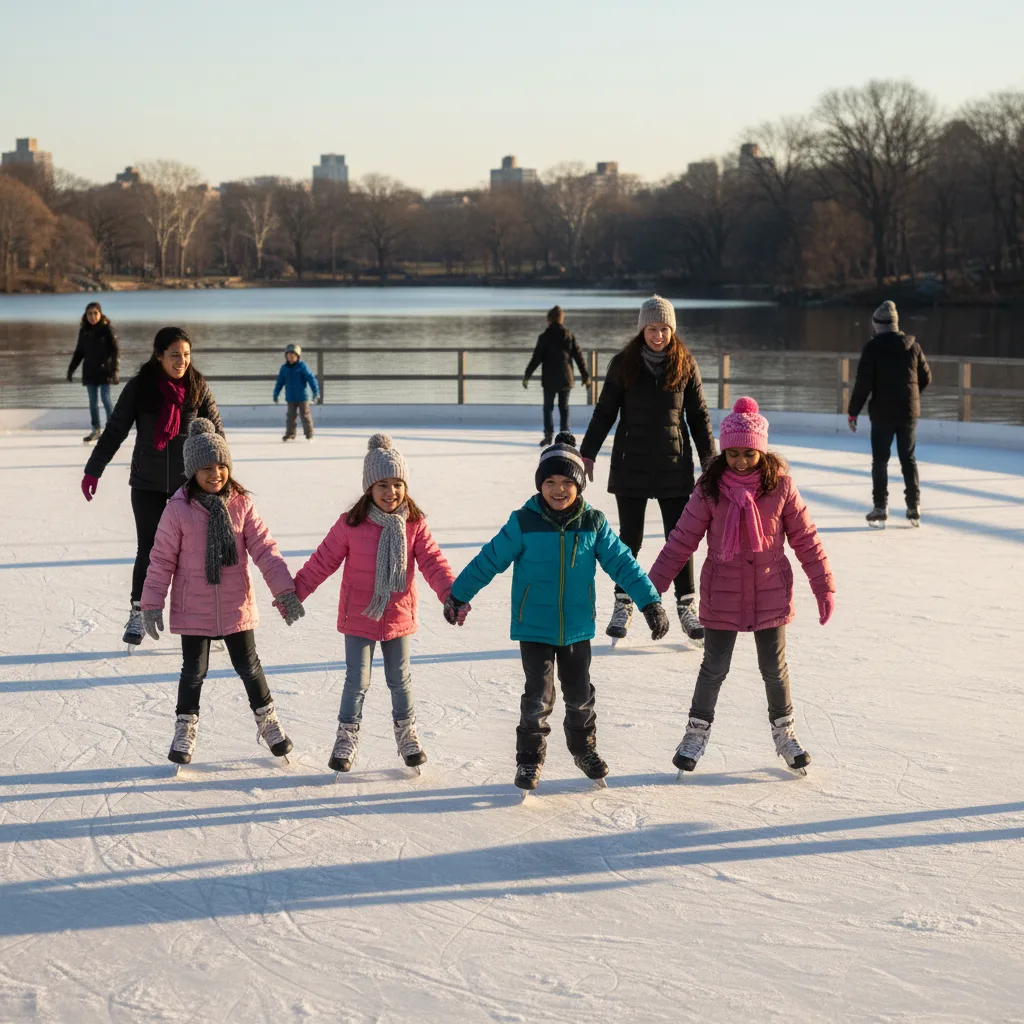
Davis Center at Harlem Meer Unveils State-of-the-Art Facilities
The new Davis Center at the Harlem Meer in Central Park's north end now features a state-of-the-art pool, ice rink, and multi-use turf field, enhancing community recreational options.
NYC City Record Confirms September 21, 2026, Publication Schedule
The NYC City Record confirmed its September 21, 2026, publication schedule, detailing administrative notices, procurement, and public hearings. This ensures transparency for municipal operations and public access to vital city information.