


NYC Residents Brace for Soaring Costs Amid Global Energy Crisis

NEW YORK — The International Energy Agency (IEA) has declared the global energy crisis, exacerbated by Iran's Strait of Hormuz blockade, the most severe in history, surpassing even the 1970s oil shocks and the fallout from the Ukraine war. This grim assessment threatens fuel, fertilizer, and food supplies worldwide, with warnings that 45 million more people could face hunger if the crisis remains unresolved. In New York City, residents are bracing for significant price increases.
Fertilizer shortages, primarily due to disruptions via the Gulf route, are poised to drive up grocery prices dramatically as planting seasons are missed across the globe. For Central Park residents and New Yorkers generally, this translates to heightened anxiety over daily living expenses and the stability of food supply chains. The crisis is hitting close to home, prompting widespread concern.
Central Park Picnic Groups Grapple with Food Price Surges
Among Central Park picnic groups, the escalating global energy crisis has become a pervasive topic of concern, particularly its direct link to food prices. Many Manhattan mothers, sharing tips on local Facebook groups, are actively discussing "Farmers' Market hacks" to combat anticipated inflation on fresh produce and other groceries. The prospect of fertilizer-driven veggie price surges is a significant worry for families.
These discussions highlight a community actively seeking strategies to mitigate the impact of external economic pressures on their household budgets. The IEA's stark warnings about 45 million more people facing hunger resonate deeply, creating a sense of urgency to secure food resources and manage costs effectively in 2026. This reflects a proactive approach to potential shortages.
Runners Along the Reservoir Lament Rising Energy Costs
Runners and fitness enthusiasts exercising along Central Park's reservoir have also voiced frustrations about the broader economic fallout. Complaints about gym fees rising in conjunction with increased energy costs are becoming more common. Many are comparing the current situation to "the new 70s" in overheated subway chats, drawing parallels to past periods of economic hardship and inflation.
This sentiment indicates a pervasive awareness among New Yorkers that the global energy crisis is impacting various facets of daily life, extending beyond just fuel and food prices. The cost of recreation and services, often tied to energy consumption, is steadily climbing. The echoes of historical economic downturns are palpable in the city's public spaces.
Neighborhood Delis See Demand for Non-Perishable Goods
Neighborhood delis and small grocery stores near Central Park have reported an increase in demand for canned goods and other non-perishable items. This trend reflects a growing apprehension among residents about potential food shortages and further price hikes as the global crisis deepens. Residents are actively stocking up in anticipation of future economic challenges.
Many New Yorkers are voicing fears of the UN-predicted "hunger waves" potentially hitting NYC shelves, prompting them to take precautionary measures. Deli owners confirm that customers are explicitly mentioning the energy crisis and its expected impact on food availability and cost. This directly illustrates the shift in consumer behavior driven by geopolitical and economic instability, as reported by YouTube news sources.
IEA's Dire Warning: A Historical Perspective
The International Energy Agency's assessment that the current crisis is the worst in history places it in a grim historical context. Surpassing the 1970s oil shocks and the economic disruptions caused by the Ukraine war, this crisis poses unprecedented challenges to global stability. The scale of the threat to fuel, fertilizer, and food supplies is a major concern for policymakers and citizens alike.
Experts within the IEA have highlighted the interconnectedness of these sectors, emphasizing how a disruption in one area, like energy, rapidly cascades into others, such as agriculture and food security. The global nature of the crisis means that no region, including a major metropolitan area like New York City, is immune from its far-reaching consequences. This deep analysis was shared in the IEA's public statements.
Government and Local Responses to the Crisis
As New Yorkers grapple with the looming economic challenges, local and state governments are beginning to explore potential mitigation strategies. Discussions around consumer protection, energy assistance programs, and supporting local food supply chains are gaining traction. However, the sheer scale of the global crisis presents significant hurdles for localized solutions.
Community organizations and advocacy groups are also stepping up efforts to provide resources and information to vulnerable populations. The collective response aims to cushion the blow of rising costs and potential shortages for the city's diverse residents. Proactive policy making is becoming increasingly crucial as the crisis unfolds through 2026.
Frequently Asked Questions About the Global Energy Crisis and NYC Impact
How are Central Park residents reacting to the global energy crisis?
Central Park picnic groups are increasingly fretting over fertilizer-driven veggie price surges, with Manhattan moms sharing Farmers' Market hacks on local Facebook groups to combat inflation. Runners along the reservoir are complaining about gym fees rising with energy costs, likening the situation to "the new 70s" in overheated subway chats.
What specific economic impacts are New Yorkers anticipating from this crisis?
New Yorkers are anticipating significant increases in grocery prices due to fertilizer shortages and rising fuel costs. Neighborhood delis near Central Park are already seeing lines for canned goods as residents express fears of UN-predicted hunger waves hitting NYC shelves, indicating concerns about both affordability and availability of food.
Why is the International Energy Agency calling this the worst energy crisis ever?
The IEA has declared it the most severe energy crisis in history because it surpasses the 1970s oil shocks and the Ukraine war's fallout in its threat to fuel, fertilizer, and food supplies worldwide. The extensive Strait of Hormuz blockade is a primary driver, with warnings of 45 million more people facing hunger if it remains unresolved.
What actions are Central Park area residents taking in response to these concerns?
Residents are engaging in practical measures such as sharing tips for economical shopping, like Farmers' Market hacks for groceries, and preemptively stocking non-perishable goods. Many are also vocalizing their concerns in public spaces and community apps, reflecting a collective effort to adapt to the anticipated economic hardships.
Related Articles
More in Economic Crisis →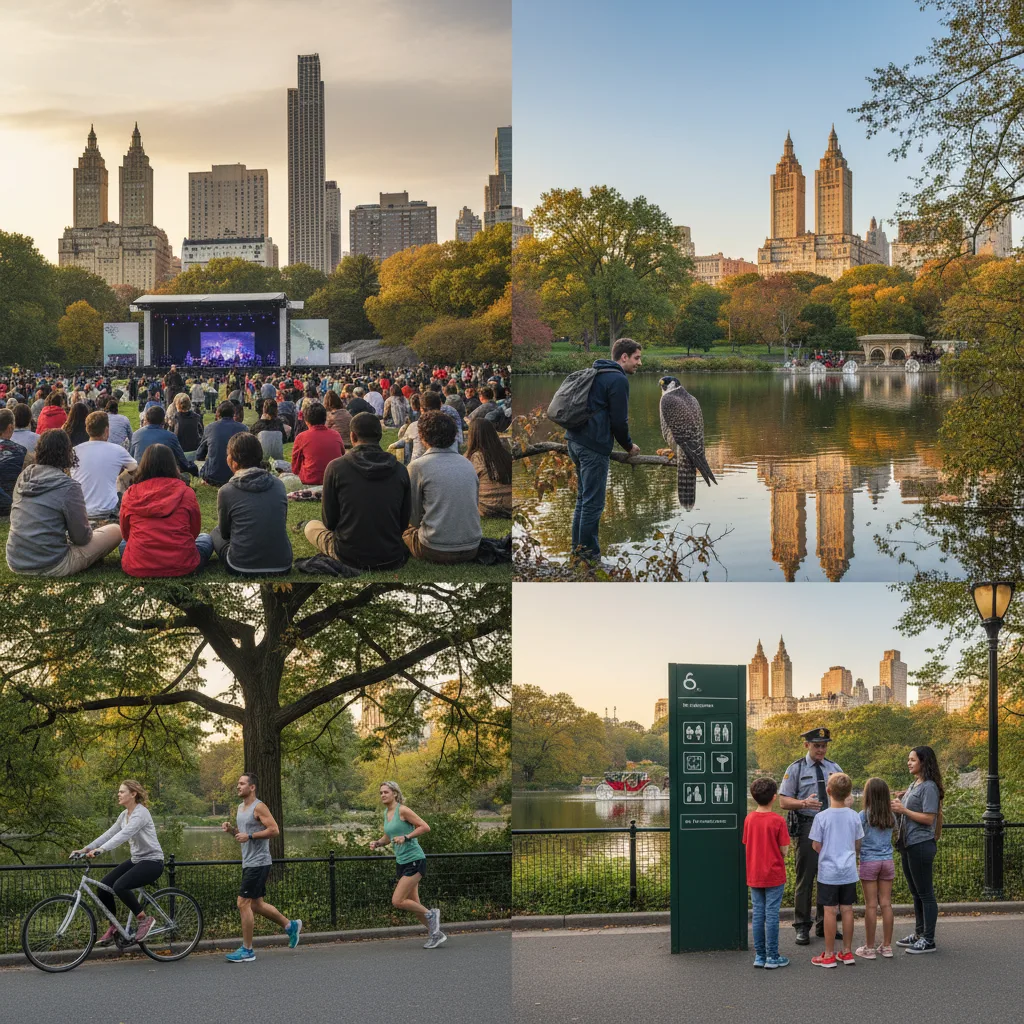
A Guide to Central Park's Top Activities and Best Things to Do in 2026
Discover the best things to do in Central Park, NYC, with our comprehensive 2026 guide to iconic landmarks, activities, and hidden gems for visitors.
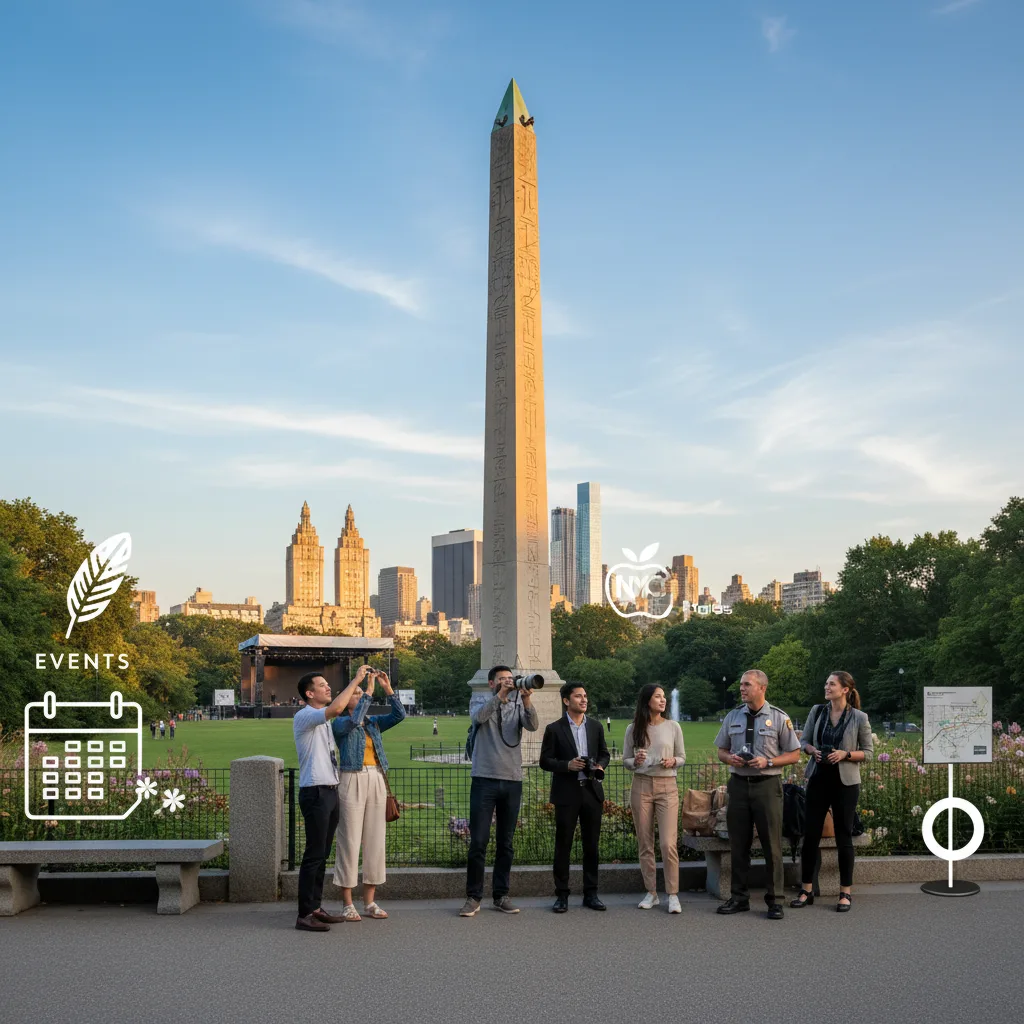
A Guide to What to Know About the Vatican Obelisk in Central Park 2026
Discover what to know about the Vatican Obelisk (Cleopatra's Needle) in Central Park, its history, journey to NYC, and where to find it in 2026.
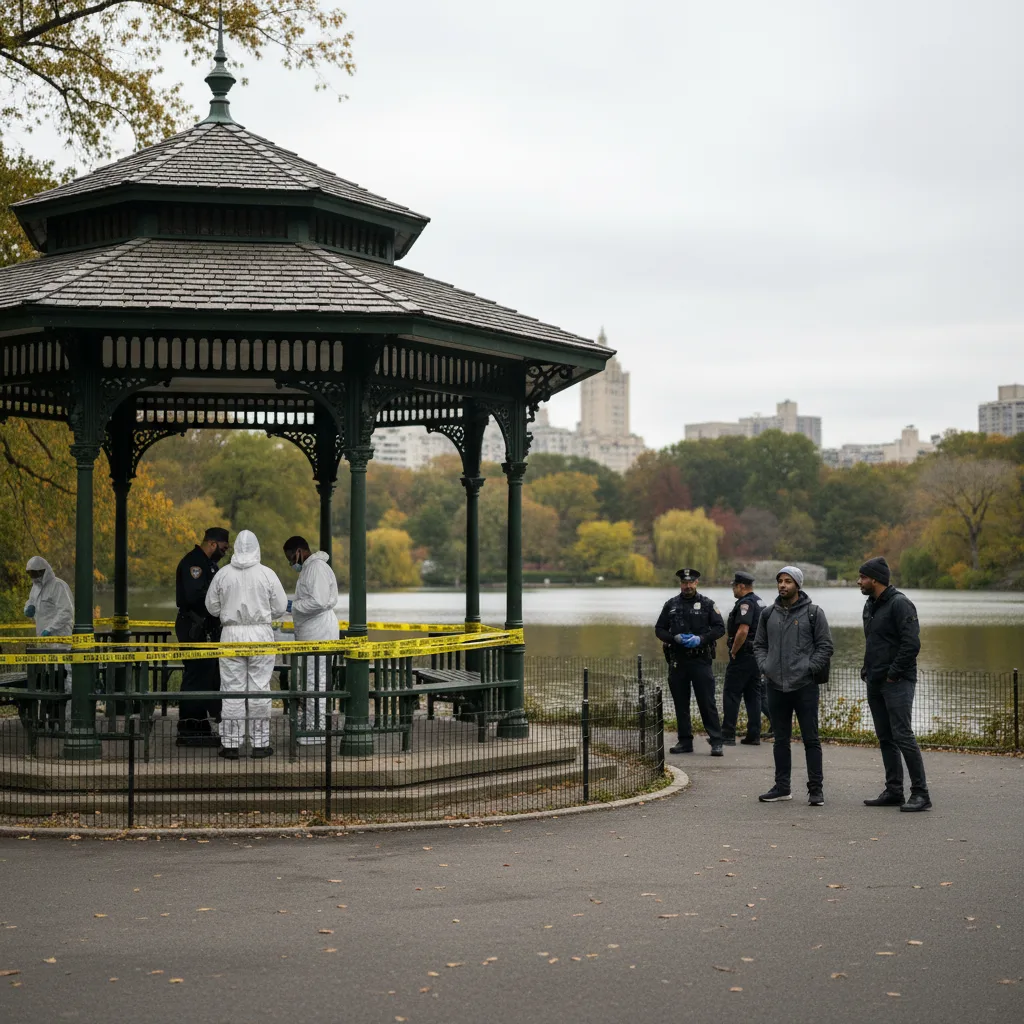
Central Park Woman Found Dead Near Boathouse Gazebo
A woman was found stabbed to death in a Central Park gazebo near the Boathouse on Sunday, prompting an active NYPD homicide investigation.
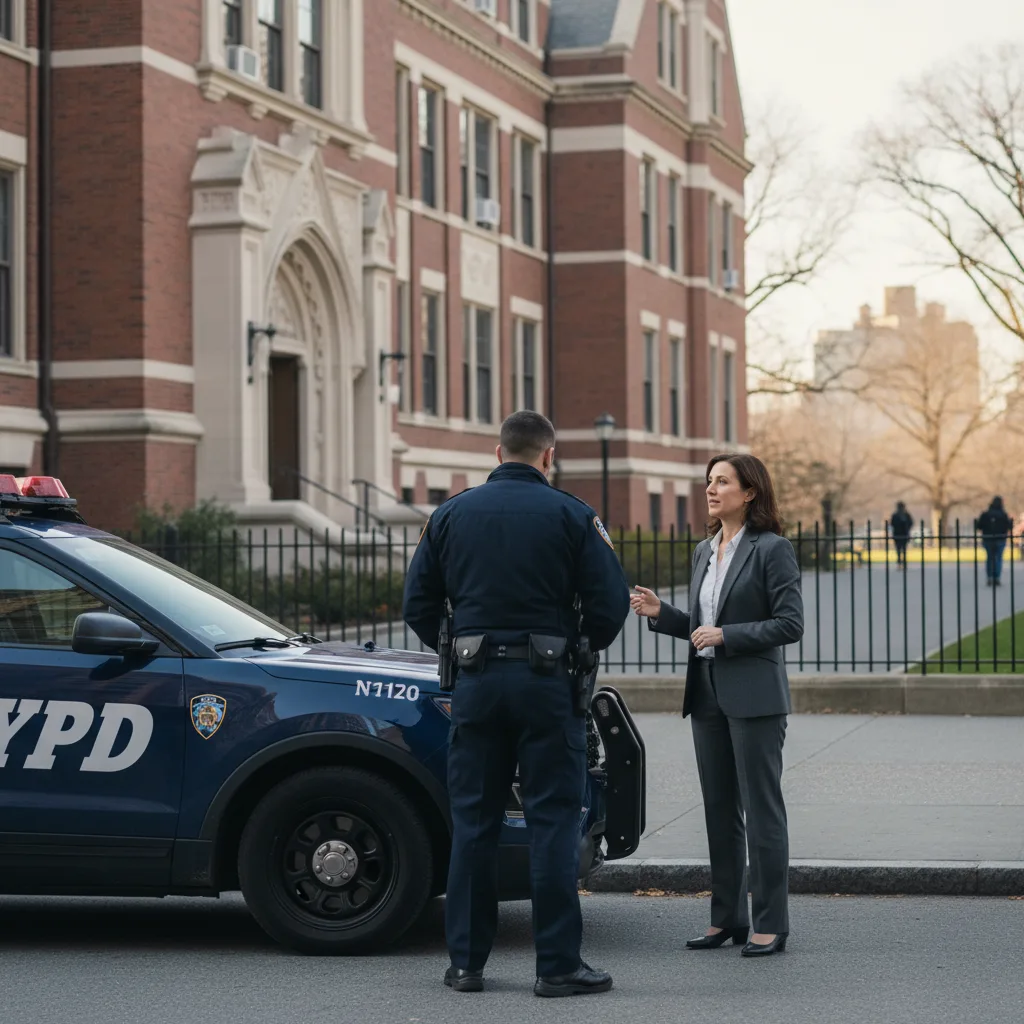
Queens Student Arrested for Bringing Gun to High School
A Queens student was arrested for bringing a gun to high school, prompting immediate law enforcement action and raising school safety concerns.

NYC Mayor Mamdani Booed at Union Square October 7 Vigil
Mayor Mamdani faced boos and protests at a Union Square vigil Thursday marking the Oct. 7 attacks, highlighting deep community divisions in NYC.
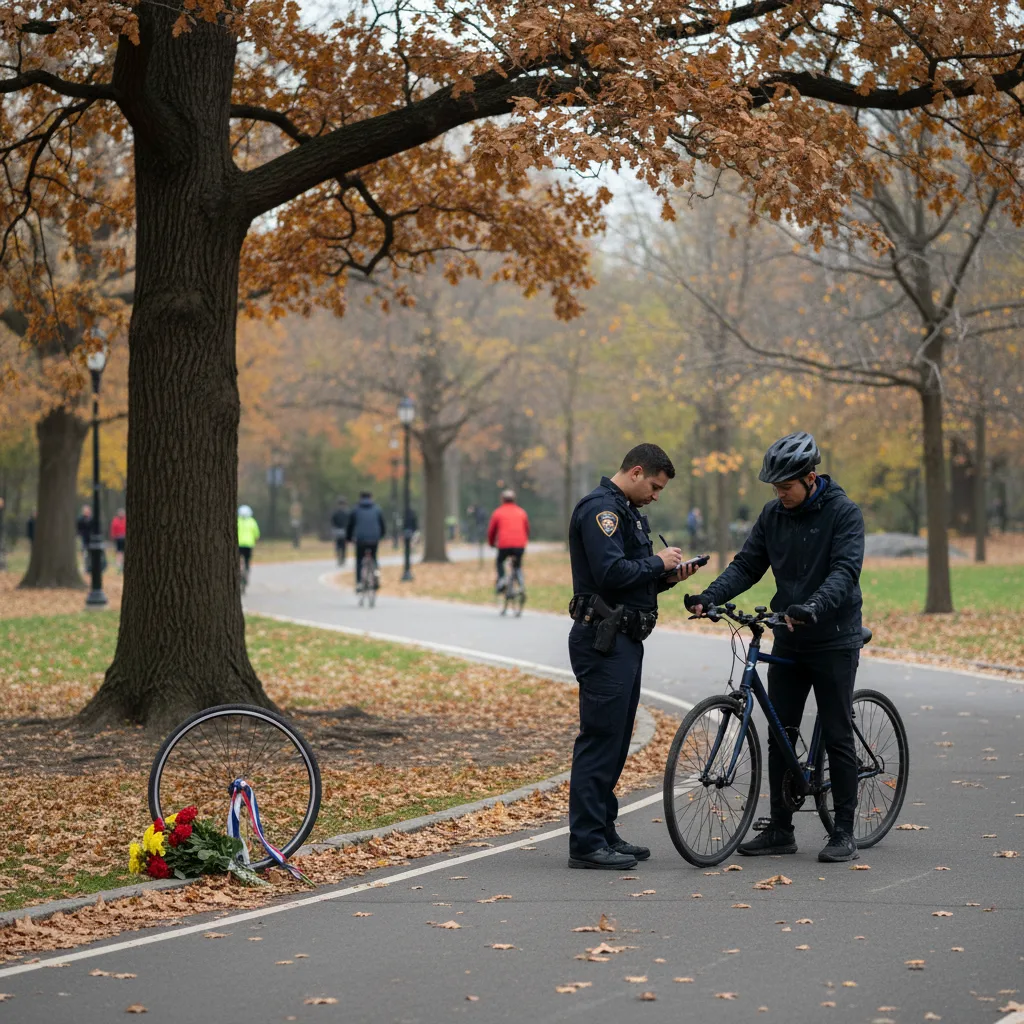
NYC Cyclist Death Prompts NYPD Ticketing Near Fatal Crash Site
NYPD stepped up cyclist ticketing near a recent fatal crash site in Central Park after a cyclist died Monday morning. Local groups demand safety reforms.