


NYC Residents Face Flood Risk as First Alert Weather Day Declared
Enjoying the coverage?
Park weather, conditions and health news, rounded up every Friday. Free; unsubscribe in one click.
Sent every Friday. By subscribing, you agree to our Terms of Use and Privacy Policy.
NEW YORK — New York City residents face significant flood risks on Friday, November 6, 2026, as CBS New York declared a “First Alert Weather Day” due to heavy rain. The forecast indicates widespread precipitation and potential localized flooding across the metropolitan area, impacting daily commutes and outdoor activities, including those in Central Park.
Heavy Rainfall Expected Across Five Boroughs
The National Weather Service issued a flood watch for the entire New York City region, including parts of New Jersey and Connecticut. Meteorologists predict several inches of rain could fall throughout the day, raising concerns for street flooding and hazardous driving conditions. Commuters are advised to allow extra time and check public transport updates.
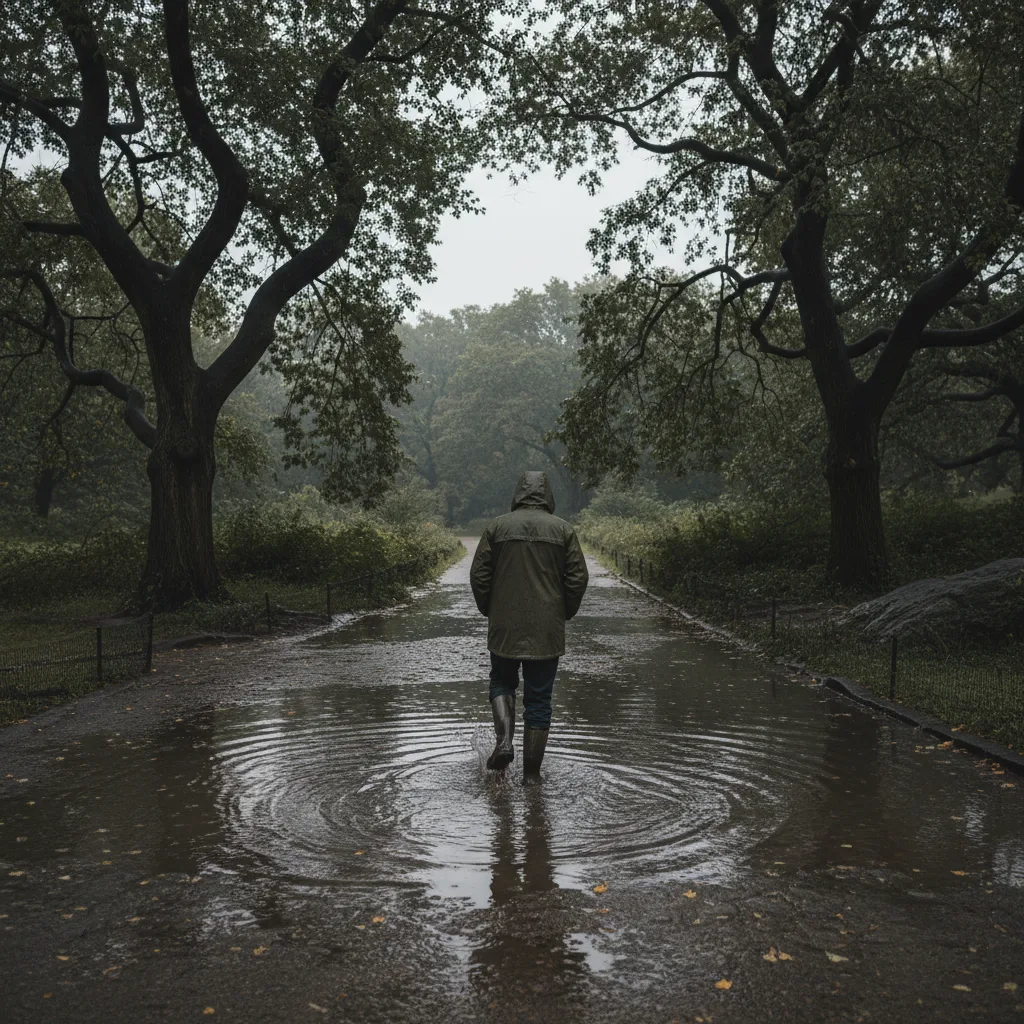
CBS New York reported the forecast for continuous heavy rain starting early Friday morning and continuing into the evening. The intense precipitation could lead to rapid water accumulation in low-lying areas, underpasses, and urban drainage systems. This kind of weather typically brings a quiet, misty atmosphere to Central Park's winding paths and tree-lined avenues.
The Central Park News Friday Briefing
Park weather, conditions and health news, rounded up every Friday. Free; unsubscribe in one click.
Sent every Friday. By subscribing, you agree to our Terms of Use and Privacy Policy.
Impact on Central Park Activities and Visitor Safety
The heavy rain and potential flooding will undoubtedly affect planned activities within Central Park. Outdoor events, such as the scheduled catch-and-release fishing at the Harlem Meer, may experience disruptions or cancellations. Visitors are urged to exercise caution on park paths, which can become slippery, and avoid areas prone to water accumulation.
The NYC Parks Department often advises residents to stay clear of large puddles or flooded sections during severe weather to prevent accidents. While no official park closures have been announced, conditions can deteriorate rapidly. Information regarding specific park events can be found on the Central Park Conservancy’s official site.
Urban Drainage Challenges and Stormwater Management
New York City’s extensive urban infrastructure faces significant challenges during periods of heavy rainfall. The existing stormwater management systems, while robust, can become overwhelmed by intense, prolonged precipitation, leading to street flooding. This underscores the ongoing need for infrastructure improvements across the city.
The city has been investing in various projects to enhance its resilience against such weather events, including the ongoing Central Park Stormwater System Begins $35.7M Upgrade in northern Central Park. These initiatives aim to alleviate flooding in vulnerable neighborhoods like Harlem by improving water runoff and storage capacity, ultimately protecting both residents and parkland.
Preparedness and Emergency Response Measures
City emergency management agencies are on alert, monitoring weather conditions closely and coordinating with relevant departments. The Office of Emergency Management (OEM) has issued advisories urging residents to prepare for potential power outages and to have emergency kits ready. They also recommend avoiding unnecessary travel during the heaviest rainfall.
First responders are prepared to address any weather-related incidents, including road closures, stranded vehicles, and potential structural issues caused by heavy water flow. The city's preparedness aims to minimize disruptions and ensure public safety throughout this First Alert Weather Day. Residents are advised to stay informed through local news channels.
Frequently Asked Questions
What precautions should I take in Central Park during heavy rain and potential flooding?
During heavy rain and potential flooding in Central Park, visitors should avoid unpaved trails which can become muddy and slippery, and stay clear of low-lying areas that tend to accumulate water, such as underpasses and depressions. It's advisable to wear waterproof footwear and clothing, and to monitor official park announcements for any closures or advisories before heading out.
How does New York City manage stormwater to prevent widespread flooding?
New York City manages stormwater through a vast network of storm sewers, combined sewer systems, and green infrastructure initiatives. These systems collect rainwater and direct it to wastewater treatment plants or directly into waterways. Green infrastructure projects, like rain gardens and permeable pavements, are increasingly being implemented to absorb rainfall naturally and reduce strain on the traditional sewer system, helping to mitigate urban flooding.
The Central Park News Friday Briefing
Park weather, conditions and health news, rounded up every Friday. Free; unsubscribe in one click.
Sent every Friday. By subscribing, you agree to our Terms of Use and Privacy Policy.
Related Articles
More in Weather & Health →
Central Park Faces Potential Rainfall Record on Thanksgiving Day 2026
Central Park faces a potential challenge to its Thanksgiving Day rainfall records on Thursday, November 26, 2026.
Central Park Weather Forecast: Cloudy With Rain on Saint Cecilia Day
Central Park is expected to be cloudy on Sunday, November 22, 2026, with rain likely after 3 p.m. and a high of 62°F.
NYCEM Activates Code Blue as Freezing Wind Chills Hit City
The New York City Department of Emergency Management activated Code Blue from November 13 at 4 p.m. through November 14 at 8 a.m.
Upper East Site Announces Tone Up Tuesday Fitness Class November 10, 2026
Upper East Site announced a Tone Up Tuesday fitness class for November 10, 2026, offering a 45-minute total-body workout that blends cardio and strength training, ideal for local residents.
Central Park Neighbor News Lists Health & Wellness Classes November 10
Central Park Neighbor News lists online health and wellness classes for Tuesday, November 10, 2026, covering strength, balance, and Medicare education.

NYC Officials Host Postponed Macy's Parade with 100 Inflatables
New York City officials hosted the 100th Macy's Thanksgiving Day Parade on Saturday, November 28, 2026, after a postponement, featuring 100 inflatables.