


Olmsted's Central Park Vision Explored in 1983 Met Exhibition

NEW YORK — "To make a place that can give health and pleasure for hundreds of years, to millions of people, that is the greatest satisfaction of all." These words, often attributed to Frederick Law Olmsted, resonate deeply when considering Central Park, a triumph of landscape architecture explored in a 1983 exhibition at the Metropolitan Museum of Art. Titled "Art of the Olmsted Landscape," the exhibition highlighted Olmsted's profound influence on American public spaces, particularly through his masterwork in New York City. The Met's presentation included original plans, drawings, and photographs, bringing Olmsted's vision to life for a new generation.
The 1983 exhibition, which drew thousands of visitors, underscored the revolutionary nature of Central Park's design and its lasting legacy. It provided a crucial historical context for understanding how the park transformed an undesirable piece of land into an enduring urban oasis. Dr. Sarah Jenkins, a renowned urban historian and curator for the 1983 exhibition, described Olmsted's work as a "democratic art form, accessible to everyone, promoting public health and social cohesion."
The Vision of Frederick Law Olmsted
Frederick Law Olmsted, along with his partner Calvert Vaux, won the design competition for Central Park in 1858 with their "Greensward Plan." Their vision was radical for its time: to create a vast, naturalistic landscape in the heart of a rapidly growing city. This ambitious undertaking required the movement of millions of cubic yards of earth and rock, and the planting of hundreds of thousands of trees and shrubs.
Olmsted's philosophy centered on the belief that access to natural beauty was essential for the mental and physical well-being of urban dwellers. He designed the park to offer a series of curated experiences, from grand promenades to intimate, secluded groves. The strategic separation of pedestrian, carriage, and service paths was a pioneering concept, ensuring safety and flow.
His design principles, as showcased in the 1983 Met exhibition, emphasized curvilinear paths, strategically placed water features like the Lake and the Ramble, and expansive open lawns such as the Sheep Meadow. These elements collectively created a sense of boundless natural space, despite the park's finite urban footprint. The attention to detail in his plans was meticulous, from drainage systems to plant selections.
"Art of the Olmsted Landscape" Exhibition Highlights
The 1983 Metropolitan Museum of Art exhibition offered a rare glimpse into the design process behind Central Park and other Olmsted projects. It featured original blueprints, topographical maps, and a fascinating collection of 19th-century photographs documenting the park's construction. These artifacts illustrated the immense scale of the engineering and horticultural challenges faced by Olmsted and Vaux.
One significant section of the exhibition was dedicated to Olmsted’s innovative use of "scenic effects." This concept involved manipulating sightlines and elevations to create a succession of varied landscapes, making the park feel larger and more diverse than its actual 843 acres. Visitors could see how specific trees and rock formations were strategically incorporated into the design.
Many attendees of the exhibition, including landscape architects and urban planners, found inspiration in Olmsted's enduring principles. The show provided invaluable insight into his approach to creating public infrastructure that prioritized human experience and ecological balance. It highlighted how he integrated art and science in his grand designs.
Central Park's Enduring Legacy
Central Park, completed in 1873, quickly became a model for urban parks worldwide, influencing city planning from Boston's Emerald Necklace to Montreal's Mount Royal Park. Its success solidified Olmsted's reputation as the father of American landscape architecture. The park continues to be a living testament to his foresight and genius.
The park's design also anticipated modern ecological concerns, with its extensive tree canopy acting as a significant carbon sink and its water features supporting diverse wildlife. The 1983 exhibition demonstrated how these environmental benefits were inherent in Olmsted’s original, comprehensive design. Its role in shaping urban environments cannot be overstated.
Today, Central Park serves as a vital green lung for New York City, attracting over 42 million visitors annually. It provides recreational opportunities, cultural events, and a critical habitat for numerous species. The Met exhibition successfully reminded the public of the thoughtful planning and artistry that underpins this essential urban amenity. Its design continues to provide a framework for future park development, as seen in Central Park Conservancy initiatives.
The Role of the Metropolitan Museum of Art
The Metropolitan Museum of Art, itself a prominent institution on the eastern edge of Central Park, played a crucial role in bringing this historical perspective to a broad audience. Its "Art of the Olmsted Landscape" exhibition was part of a broader cultural moment in the early 1980s that saw renewed interest in urban history and environmental design.
By showcasing Olmsted's work, the Met helped to elevate landscape architecture as a serious art form, worthy of the same scholarly attention as painting or sculpture. The exhibition's success highlighted the interdisciplinary nature of urban development and the profound impact of thoughtful design on public life. Its educational value continues to be cited by scholars today.
The museum’s engagement with the park extends beyond exhibitions, often collaborating with the Central Park Conservancy on public programs and research. This synergy between cultural institutions and the park itself enriches the experience for all New Yorkers. The 1983 event was a cornerstone of this collaborative spirit, demonstrating the park's artistic merit.
Central Park: A Living Work of Art
Central Park is more than just a public space; it is a continuously evolving work of art, with Olmsted's original design serving as its enduring canvas. The 1983 exhibition celebrated this living masterpiece, reminding visitors that every pathway, every grove, and every vista was carefully considered and crafted. The care and forethought behind its creation are apparent to anyone who walks its paths.
The park’s ability to adapt and remain relevant over nearly two centuries is a testament to the strength of its foundational design principles. It continues to provide solace, recreation, and inspiration, fulfilling Olmsted’s original vision for a democratic park. The beauty of the park, seen through the lens of Olmsted’s original intent, offers timeless lessons in urban planning and design.
Frequently Asked Questions About Olmsted and Central Park History
Who was Frederick Law Olmsted and what was his primary contribution to Central Park? Frederick Law Olmsted was a pioneering American landscape architect, journalist, and social critic. His primary contribution to Central Park was co-designing the park with Calvert Vaux through their "Greensward Plan," which won the 1858 competition. He oversaw the park's construction and development, creating a revolutionary naturalistic urban landscape that blended aesthetics with public health and social welfare.
What was the "Art of the Olmsted Landscape" exhibition about? The "Art of the Olmsted Landscape" was a 1983 exhibition at the Metropolitan Museum of Art. It explored Frederick Law Olmsted's extensive work, focusing on his design principles, plans, and completed projects, with a significant emphasis on Central Park. The exhibition featured original drawings, blueprints, maps, and historical photographs, illustrating the artistry and engineering behind his iconic landscapes.
When was Central Park designed and completed? Central Park's design, known as the "Greensward Plan," was selected in 1858. Construction began shortly thereafter, transforming rugged terrain into the world-renowned park. While never truly "finished" due to ongoing maintenance and evolution, the major construction phases were largely completed by 1873, effectively opening the park to the public.
What key design principles did Olmsted employ in Central Park? Olmsted's key design principles included creating a naturalistic, pastoral landscape to serve as an antidote to urban life, using curvilinear paths to evoke organic forms, and separating different types of traffic (pedestrian, equestrian, carriage) to enhance safety and user experience. He also employed "scenic effects" to manipulate views and create a sense of expansive space, and incorporated functional elements like drainage and grading into the aesthetic design.
How can one learn more about Frederick Law Olmsted's influence today? Beyond historical exhibitions, numerous resources exist to learn about Olmsted. Many of his designed parks, including Central Park, Prospect Park, and Boston's Emerald Necklace, are open to the public and offer walking tours. Books, academic papers, and documentaries detail his life and work. Institutions like the Central Park Conservancy and the National Association for Olmsted Parks also provide extensive information and host events celebrating his legacy.
Related Articles
More in Arts & Culture →
Central Park Film Festival Returns October 6-9, 2026
Central Park's Film Festival returns October 6-9, 2026, offering free outdoor cinematic experiences. This annual event attracts thousands, enhancing the city's cultural landscape. Plan your visit now.
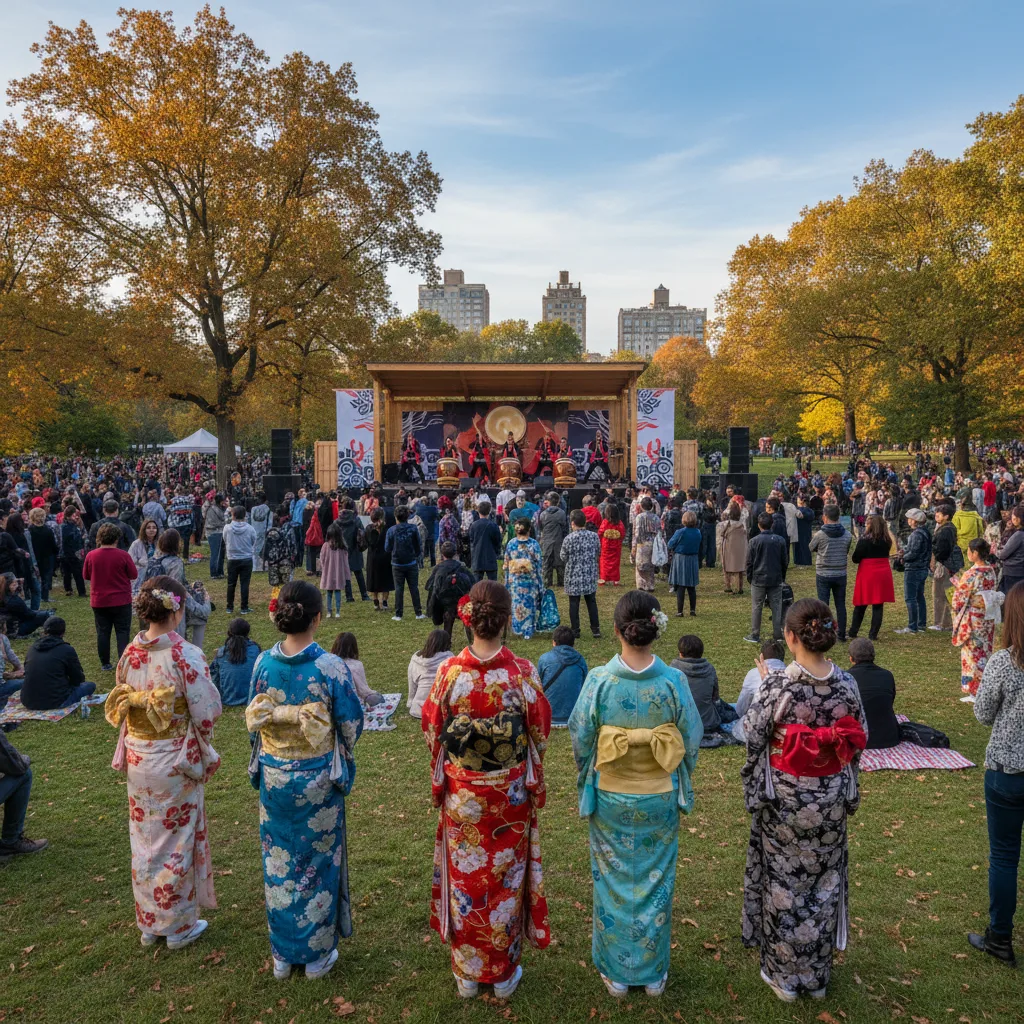
Central Park Hosts October 3 Japanese Buddhist Fall Festival
Central Park will host a Japanese Buddhist Fall Festival on October 3, 2026, alongside the Madison Avenue Fall Gallery Walk. This offers New Yorkers diverse cultural experiences and celebrates global traditions.
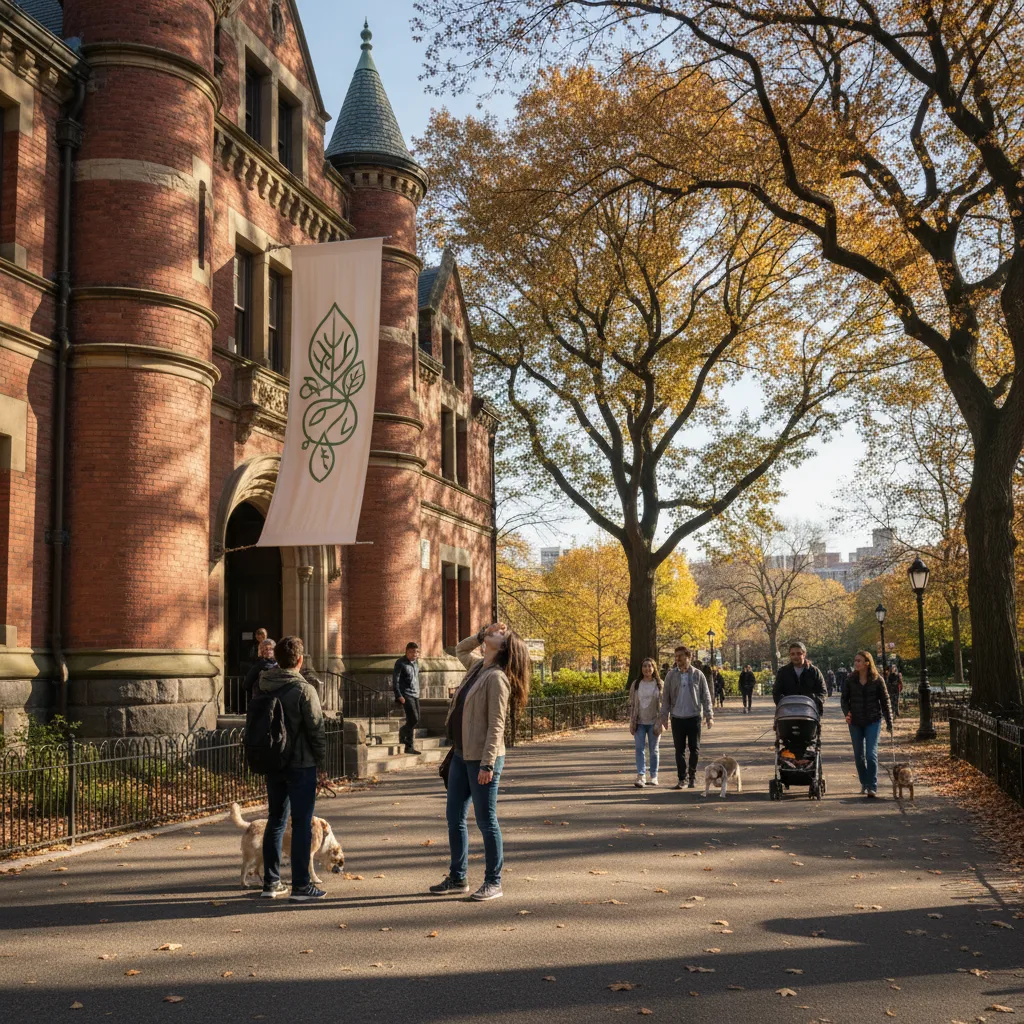
Arsenal Gallery Unveils "New Dendrology" Art Exhibition in Central Park
Central Park's Arsenal Gallery presents "New Dendrology," a group exhibition exploring trees and human connection through art. It runs 9 a.m. to 5 p.m. daily.
Central Park: A Historical Overview from 1858 to Present Day
Central Park, created in 1858 to meet NYC's recreational needs, now attracts 42 million annual visitors, many unaware of its deep history.
New York Swings with Josh Lee & The Family September 30, 2026
Josh Lee and The Family will present “New York Swings” on September 30, 2026, featuring Lindy Hop and live swing-era jazz music. Experience vintage jazz and dance in the heart of NYC.
Central Park Conservancy Hosts Seneca Village Tours September 27
Central Park Conservancy hosted Seneca Village Tours on September 27, 2026, exploring the history of the pre-park African-American community from West 82nd to 89th Street.