


One Hotel Central Park Protests Spark New 2026 Carriage Horse Bill
NEW YORK — Council Member Robert Holden proposed a strict equestrian regulation bill Wednesday following intense animal rights protests outside the One Hotel Central Park entrance, ABC7 New York confirmed. The legislative proposal aims to accelerate the transition from horse-drawn carriages to electric alternatives by late December 2026.
Protests Escalate Near One Hotel Central Park Entrance
Demonstrators gathered along Central Park South early Wednesday morning, blocking carriage paths and demanding immediate structural reforms from city administrators. The protest focused heavily on the intersection of West 58th Street and Sixth Avenue, a primary staging area where carriage operators regularly park to board tourists near the hotel entrance.
Activists from several regional advocacy groups carried banners and blocked carriage routes for more than two hours before NYPD officers from the Midtown North Precinct established a safety barrier. According to ABC7 New York coverage, the protest remained peaceful but significantly delayed carriage boarding schedules throughout the morning rush.
Veterinary Audits Near One Hotel Central Park Identify Health Risks
City health inspectors initiated unscheduled physical examinations of nineteen working horses stationed near the southern boundary of the park on Wednesday afternoon. These immediate medical evaluations followed several whistleblower reports alleging that multiple horses had been worked in temperatures exceeding legal municipal limits.
"Animal welfare cannot be negotiated in a modern city," Council Member Robert Holden said Wednesday. "We must implement modern electric carriages immediately to protect these animals and ensure public safety on our crowded Midtown streets."
Protest organizers argued that the current physical conditions of the horses are fundamentally incompatible with high-density city traffic. Representatives from the Coalition to Ban Horse-Drawn Carriages stated that at least three horses showed visible signs of physical exhaustion during the mid-morning temperature spike.
Legislative Deadlocks Delay Animal Protection Measures
Members of the City Council remain divided over the economic impact of the proposed transition, which would affect approximately 130 licensed carriage operators. Opponents of the bill argue that the complete elimination of horse-drawn carriages would destroy historic tourism jobs and harm Midtown business revenues.
According to licensing records released by the Department of Consumer and Worker Protection, the carriage industry generates an estimated $12 million in direct annual economic activity. Proponents of the bill have countered by offering subsidized electric carriage medallion swaps to existing licensed drivers.
Veterinary Union representatives have also expressed concern regarding the long-term placement of the horses if a ban is successfully enacted. Several upstate sanctuaries have offered to accept the animals, but funding for their lifetime care remains a central point of legislative debate.
Historical Carriage Regulations Fail Modern Transit Standards
Advocates of the ban frequently point to previous safety incidents along the park loop as evidence that mixing heavy traffic with large draft animals is inherently dangerous. This debate intensified recently after a series of public advocacy campaigns, including dancing bear historical comparisons, drew parallels between outdated animal entertainment and modern carriage operations.
The current regulatory framework governing carriage operations has not been substantially updated since a series of minor changes were passed in 2018. Critics argue that these legacy rules do not account for the massive increase in electric bike and scooter traffic that now occupies the shared park lanes.
According to transport safety data, there were nine documented collisions involving carriages and motorized micromobility vehicles inside the park perimeter last year. None of those incidents resulted in fatalities, but local safety advocates warn that the risk of a severe accident remains high.
Enforcement Timelines Dictate Immediate City Health Audits
The proposed bill outlines a six-month transition window during which the city would fund veterinary wellness checks and establish training programs for electric carriage operators. To ensure compliance, the Department of Health plans to deploy permanent veterinary observers to the boarding zones along Central Park South.
This enforcement push follows a comprehensive carriage route audit that revealed multiple operational violations along the standard park routes. Industry representatives have pledged to challenge any unilateral bans in state supreme court, arguing that their operating permits constitute valid business assets.
As the legislative session continues, both animal rights groups and carriage operator unions plan to hold competing rallies near Grand Army Plaza. The City Council Committee on Consumer Affairs is scheduled to hold its first official public hearing on the bill on May 4.
Frequently Asked Questions
What are the primary rules currently governing carriage horse operations in the park?
Carriage horses are regulated by the Department of Health and the Department of Consumer and Worker Protection, which mandate that horses cannot work when temperatures reach 90 degrees Fahrenheit or drop below 19 degrees. The rules also require that each horse receive at least five weeks of pasture vacation per year. However, advocacy groups argue these rules are rarely enforced due to a shortage of inspectors.
Where would the horses go if the city carriage ban is officially passed?
Several accredited animal sanctuaries across New York State and New England have formally committed to housing the retired horses at no cost to the city. The Global Federation of Animal Sanctuaries has coordinated with local organizations to ensure that every transition plan includes veterinary tracking. Carriage operators would retain ownership of the animals but would be required to register their retirement locations with the city.
How will the proposed electric carriages operate under the new guidelines?
The electric carriages are designed to mimic the appearance of historic brass-era horseless carriages and would operate at a restricted speed of five miles per hour inside the park. These vehicles would utilize the existing carriage staging areas along Central Park South and Sixth Avenue. Funding for the initial fleet of 40 electric carriages would be partially subsidized by a clean-energy transit grant.
Related Articles
More in Park Operations & Maintenance →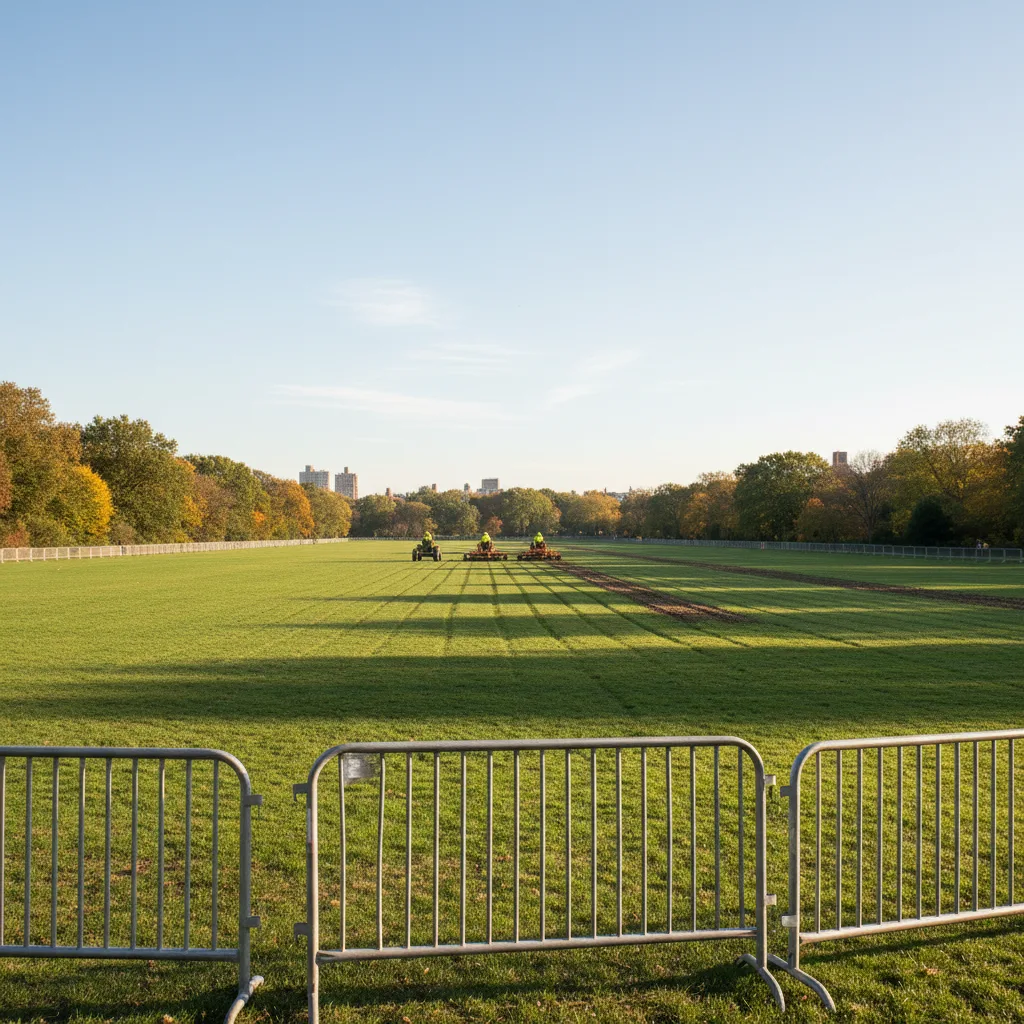
Central Park Conservancy Closes Great Lawn for Scheduled Maintenance
The Central Park Conservancy closed the Great Lawn through October 2, 2026, for scheduled maintenance, impacting weekend activities. Essential upkeep ensures the iconic green space remains vibrant for visitors.
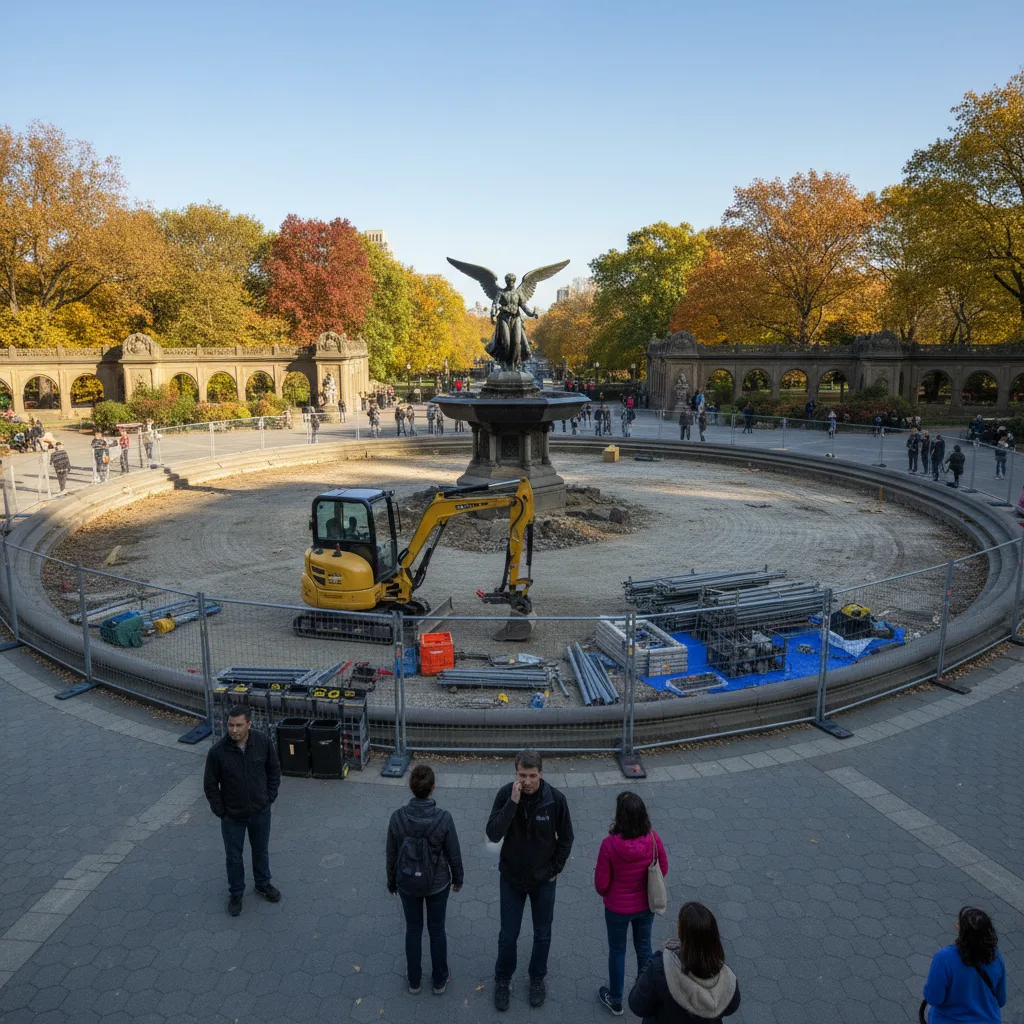
Central Park Conservancy Announces Bethesda Fountain, Great Lawn Closures
Central Park Conservancy announced Bethesda Fountain is off for restoration and the Great Lawn closed through October 2, 2026 for maintenance, affecting visitor access.
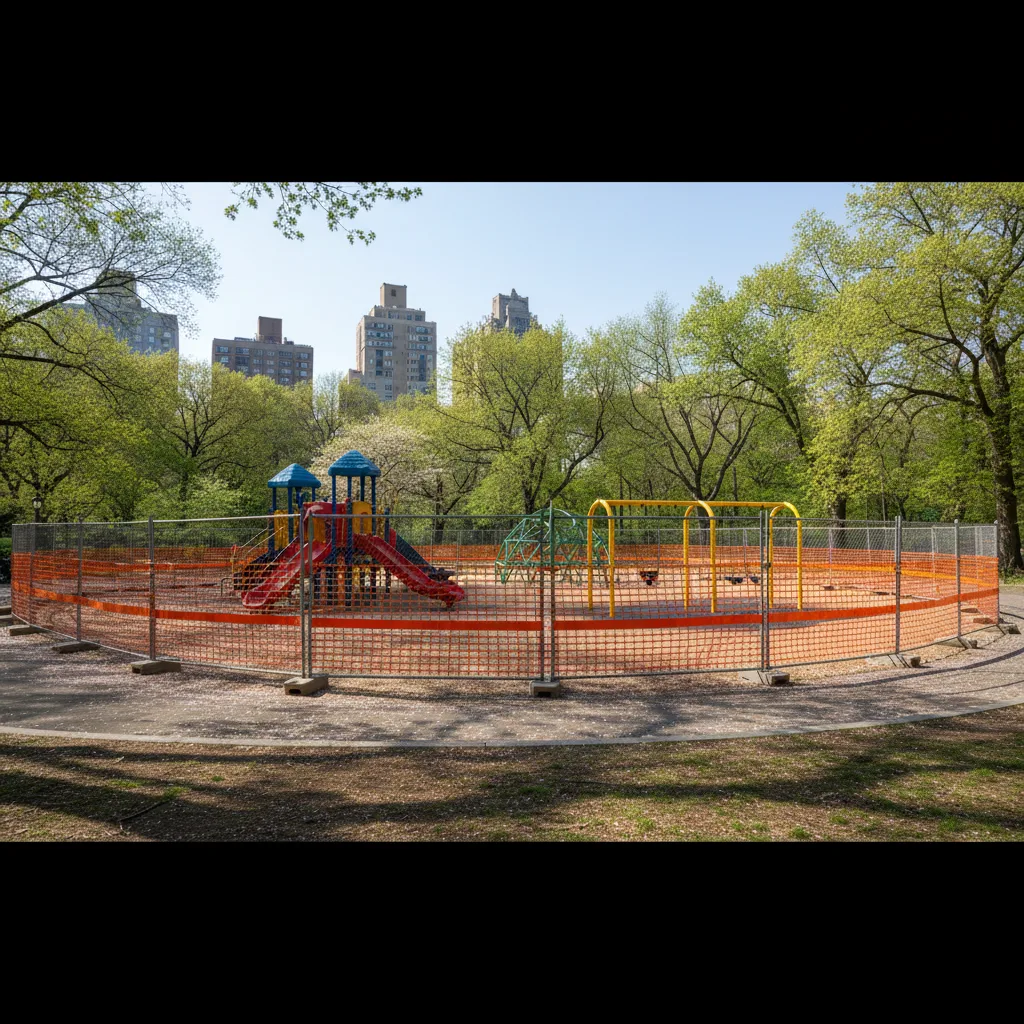
Central Park Conservancy Closes East 110th Street Playground for Restoration
Central Park Conservancy closed the East 110th Street Playground for restoration, while North Meadow and Heckscher ballfields shut due to weather. Plan your visit; check alerts for closures impacting recreation in Central Park.
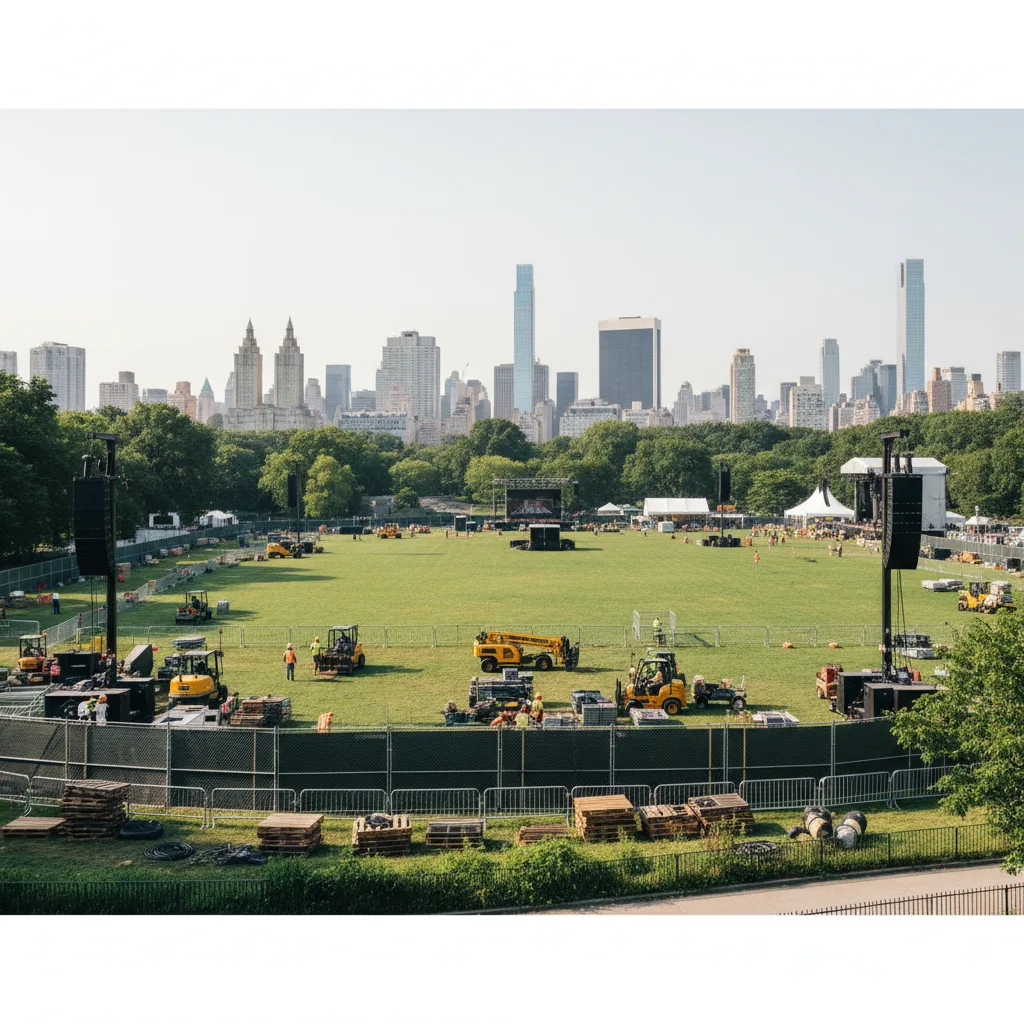
Central Park Conservancy Closes Great Lawn for Global Citizen Festival
Central Park Conservancy confirmed the Great Lawn is closed through September 26, 2026, for the Global Citizen Festival, affecting access to Belvedere Castle and Turtle Pond. Local residents and visitors should plan alternate routes and expect traffic delays around the park's perimeter.
Central Park Conservancy Confirms 2026 Daily Operating Hours
Central Park Conservancy confirms 2026 daily hours: 6:00 a.m. to 1:00 a.m. This notice is for visitor planning, not a change.
Central Park Conservancy Announces Park Hours Update for 2026
Central Park Conservancy announced updated 2026 park hours, maintaining 6:00 a.m. to 1:00 a.m. access daily. This schedule balances public enjoyment with critical maintenance and security operations.