


Pentagon to Deploy 10,000 U.S. Troops to Mideast; NYC Residents Anxious

NEW YORK — The Department of Defense is preparing to deploy up to 10,000 additional U.S. ground troops to the Middle East, a move intended to expand military options while President Trump ostensibly pursues peace negotiations with Iran. This announcement, made Friday, March 27, 2026, has stirred considerable anxiety among Manhattan residents, particularly those who frequent Central Park.
The troop surge comes despite Trump's extension of a deadline for striking Iran's energy infrastructure, an extension he controversially claimed was requested by Iran, a claim mediators have since denied. This contradiction is a central point of concern for New Yorkers, who question the administration's strategy.
Pentagon Prepares for Troop Surge
The Pentagon's plan involves a significant increase in military presence in the Middle East, with a contingent of up to 10,000 ground troops ready for deployment. This build-up is described by defense officials as a measure to enhance military flexibility and reinforce regional allies amidst escalating tensions.
According to a report by GoLocalProv, the Department of Defense confirmed these preparations, emphasizing that the deployment aims to deter further aggression and protect U.S. interests in the volatile region. The specific timeline for deployment remains fluid, pending further strategic assessments.
This troop surge represents one of the largest U.S. military reinforcements to the Middle East in recent years. It signals a heightened state of readiness even as diplomatic channels are reportedly open for dialogue with Iran, creating a complex picture for observers.
Contradiction with Peace Negotiations
The timing of the troop deployment has raised questions, given President Trump’s concurrent efforts to engage in peace negotiations with Iran, extended through April 6. The administration stated the extension for not striking Iran's energy infrastructure was based on an Iranian request for more time to talk.
However, international mediators involved in the discussions quickly refuted this, asserting that Iran had not made any such request. This dispute has led to widespread skepticism regarding the administration's stated rationale and its overall approach to de-escalation.
Many analysts and political observers are struggling to reconcile the dual strategy of military buildup and diplomatic outreach. The conflicting narratives from the White House and international bodies add to the uncertainty surrounding the Middle East's future.
Central Park Community Expresses Anxiety
Manhattan residents, often attuned to global political developments, are actively discussing the Pentagon's announcement with palpable anxiety. Conversations in Central Park and various community spaces reveal deep concern about the potential for deeper U.S. military engagement.
"It feels like we're being pulled in two directions," said Michael Lee, a resident jogging near the Jacqueline Kennedy Onassis Reservoir. "On one hand, peace talks; on the other, thousands of troops. It makes you wonder what the real plan is and if our young men and women will be sent into another long conflict."
Local community boards and social media platforms reflect a strong sentiment of unease regarding the contradiction between pursuing diplomacy and simultaneously preparing for expanded military operations. The community seeks clarity and transparency from Washington, emphasizing the human cost of war.
Geopolitical Context and Regional Stability
The troop deployment must be understood within the broader geopolitical context of the Middle East, which has seen continuous upheaval for decades. Tensions between the U.S. and Iran, regional proxies, and international allies have created an intricate web of challenges.
The U.S. maintains significant military assets in the region, including naval forces and airbases, to protect shipping lanes, combat terrorism, and support allies. This latest troop deployment is framed as an enhancement of these existing capabilities.
However, the move could also be perceived by adversaries as a provocative escalation, potentially further destabilizing an already fragile regional security architecture. The delicate balance of power necessitates careful diplomatic maneuvering to prevent wider conflict.
Implications for U.S. Foreign Policy
The decision to send additional troops carries significant implications for U.S. foreign policy and its standing on the global stage. It tests the administration's ability to balance assertive military posturing with genuine diplomatic efforts.
Critics argue that a large troop deployment could undermine the credibility of peace overtures, leading to distrust among international partners and adversaries alike. Conversely, proponents contend that a strong military presence is necessary leverage for effective diplomacy.
The long-term effects on alliances, economic interests, and the potential for a prolonged U.S. military presence in the Middle East are paramount concerns for policymakers and the public. You can find more comprehensive reports on the global implications from sources like GoLocalProv's overnight news summary.
Frequently Asked Questions on Military Deployments
Why is the Pentagon deploying more troops now? The Pentagon states the deployment is to expand military options, enhance deterrence, and protect U.S. interests and allies in the Middle East amidst rising regional tensions. This is presented as a precautionary measure to ensure readiness for various contingencies. The specific timing is tied to the evolving security situation.
How do troop deployments impact local New York families? Families of military personnel in New York City and across the nation face significant challenges during deployments, including emotional stress, financial adjustments, and logistical complexities. Support networks and community resources are vital for military families to cope with these demanding circumstances. Local communities often organize events to support their deployed members.
What role does Congress play in military deployments? While the President has significant authority as Commander-in-Chief to deploy troops, Congress typically has the power to declare war and fund military operations. Debates often arise regarding the extent of presidential power in initiating conflicts without explicit congressional approval, especially for sustained engagements. Oversight is a critical function of the legislative branch.
How can Central Park residents voice their concerns about foreign policy? Central Park residents can engage with their elected officials at federal, state, and local levels by writing letters, attending town halls, or joining advocacy groups. Participation in public protests or rallies, as well as engaging in informed discussions, are also common ways for citizens to express their views on foreign policy decisions.
What are the economic costs of such military operations? Military deployments and operations in the Middle East incur substantial economic costs, including direct expenses for personnel, equipment, and logistics, as well as long-term costs for veteran care and economic disruption. These expenditures are often debated in the context of national budget priorities and their impact on domestic programs. Funding these operations requires significant allocation of taxpayer dollars.
Related Articles
More in Urban Policy & Development →
NYC Mayor Mamdani Booed at Union Square October 7 Vigil
Mayor Mamdani faced boos and protests at a Union Square vigil Thursday marking the Oct. 7 attacks, highlighting deep community divisions in NYC.
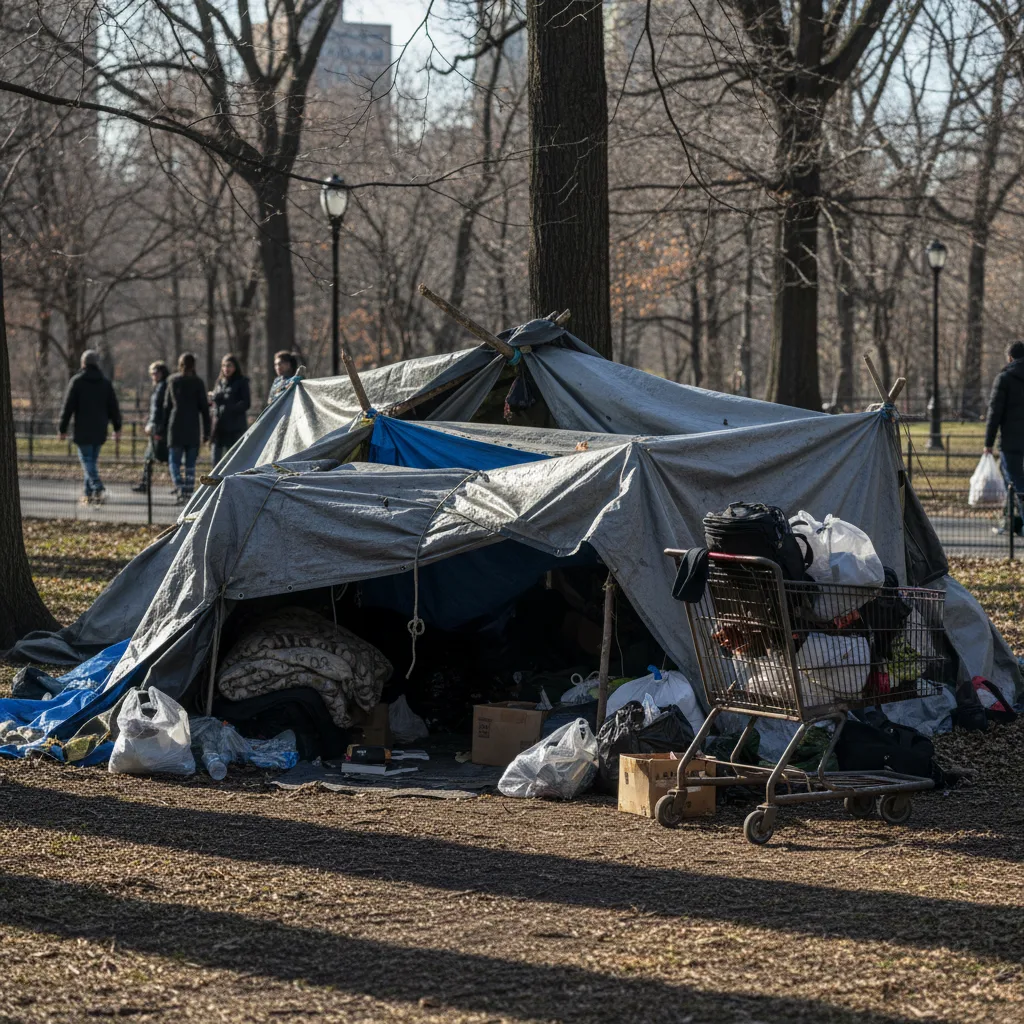
NYC Homeless Encampments Spotted Across Manhattan, Raising Concerns
Multiple homeless encampments have been spotted across Manhattan, raising significant concerns about urban policy and public safety. City officials are under pressure to address the growing homelessness crisis.
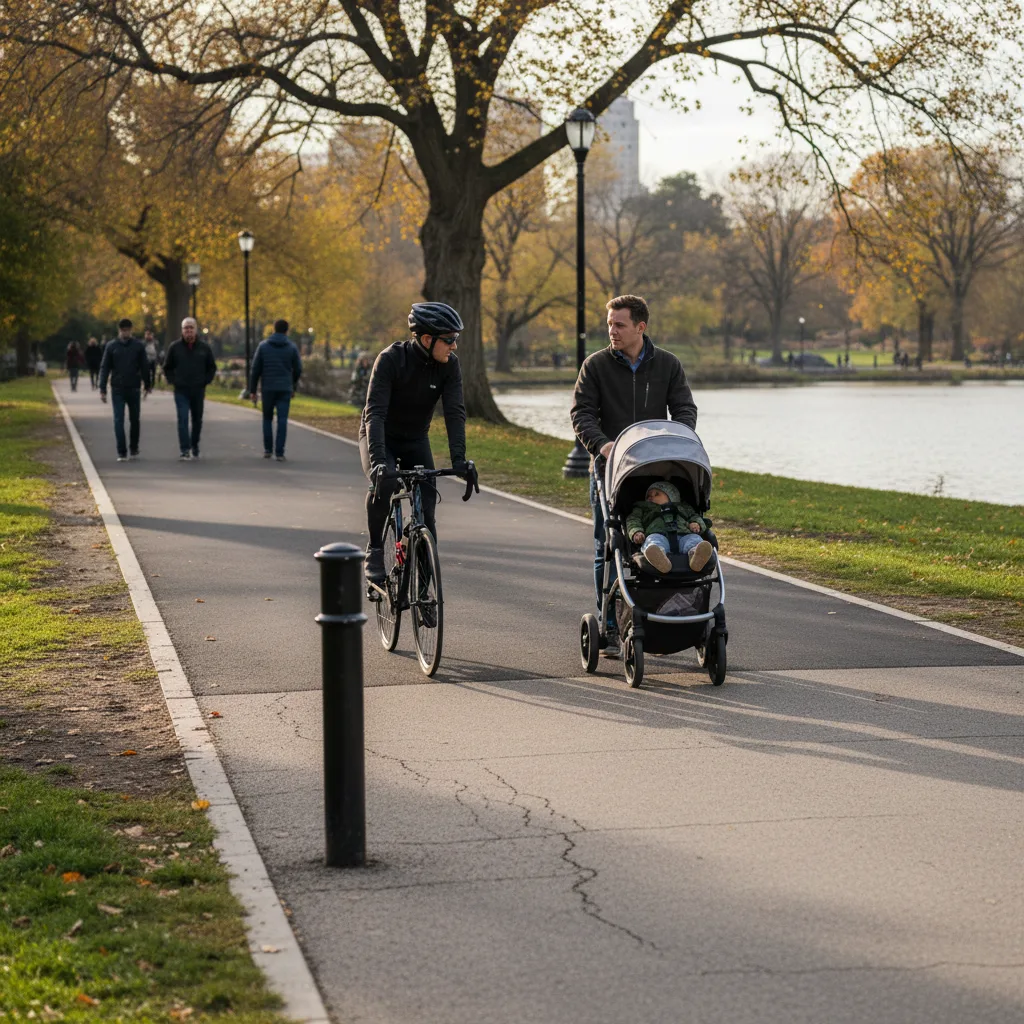
Safety Advocate Blames Park Redesign for Rising Central Park Cyclist Crashes
Safety advocates blame recent Central Park redesigns for a pedestrian's death and rising cyclist crashes, calling for urgent review of infrastructure.
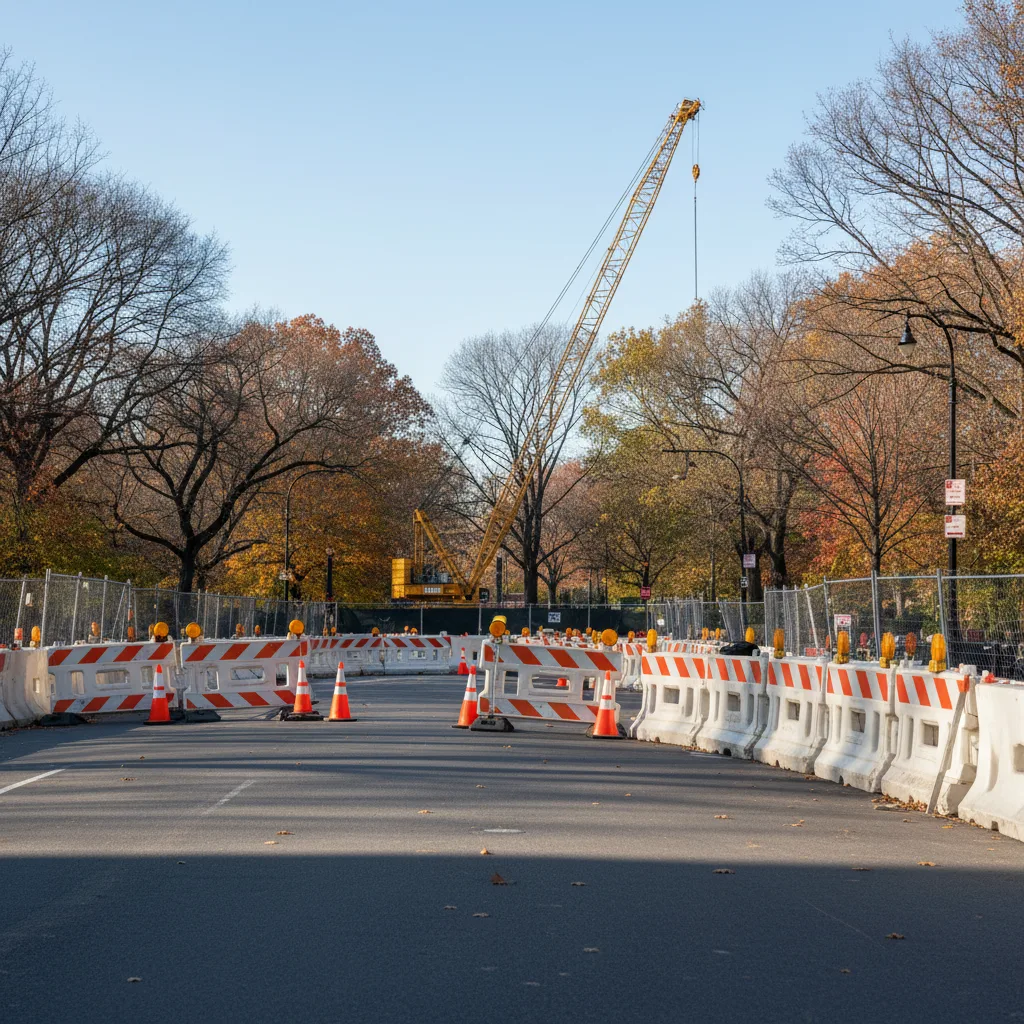
NYC DOT Advises Central Park Area Traffic Disruptions September 27
NYC DOT issued advisories for major traffic disruptions near Central Park on September 27, 2026, due to a parade and crane operations. Expect delays.

Davis Center at Harlem Meer Unveils State-of-the-Art Facilities
The new Davis Center at the Harlem Meer in Central Park's north end now features a state-of-the-art pool, ice rink, and multi-use turf field, enhancing community recreational options.

NYC City Record Confirms September 21, 2026, Publication Schedule
The NYC City Record confirmed its September 21, 2026, publication schedule, detailing administrative notices, procurement, and public hearings. This ensures transparency for municipal operations and public access to vital city information.